Why this leaning score
The model judged this article politically coded and scored it +0.35, but 1 quote(s) could not be found in the article and the other 2 are attributed speech rather than the article's own narration, so the score is not published.
Written under an earlier scoring contract, which gave a paragraph
rather than checkable quotes. Re-analysing this article replaces it.
Leaning score withheld for article 61366: no verified evidence · logged 2026-10-06
In interview, US Vice President Vance says Iran must cut enrichment to end war
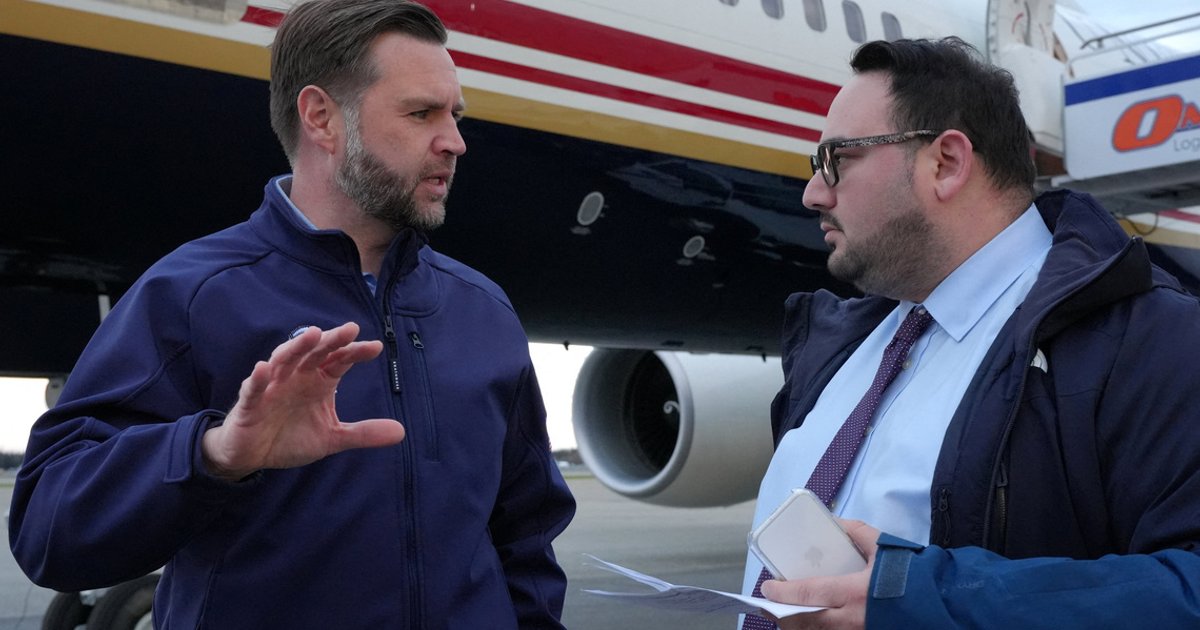
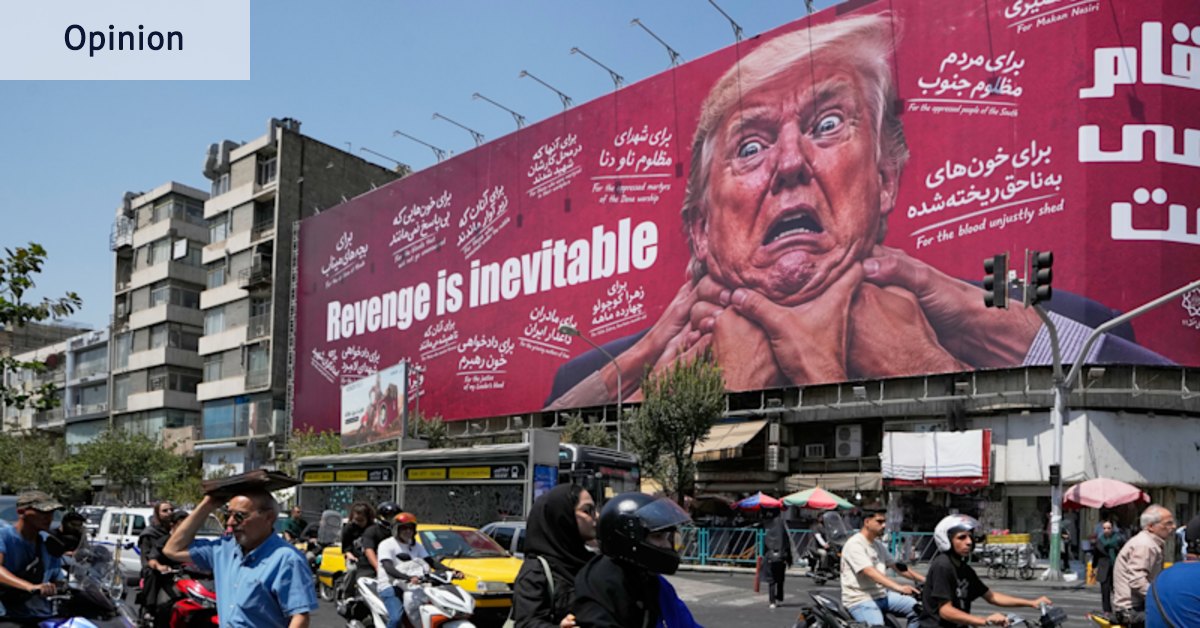
FAIRBANKS, Alaska, Oct 6 - US Vice President JD Vance said in an exclusive interview with Reuters that Iran must make a “meaningful” reduction in its nuclear enrichment capacity to satisfy US demands and end the countries’ seven-month war, even as Washington was unsure how Tehran makes decisions in negotiations.
asserted
Tehran → say → negotiations
Vance, a longtime skeptic of US involvement in foreign wars, has taken a leading role in negotiating a settlement to the conflict and brokered a provisional peace agreement in September that quickly fell apart.
asserted
that → take → September
The war has jolted global energy markets and become a political liability for President Donald Trump and fellow Republicans ahead of November midterm elections.
asserted
war → jolt → elections
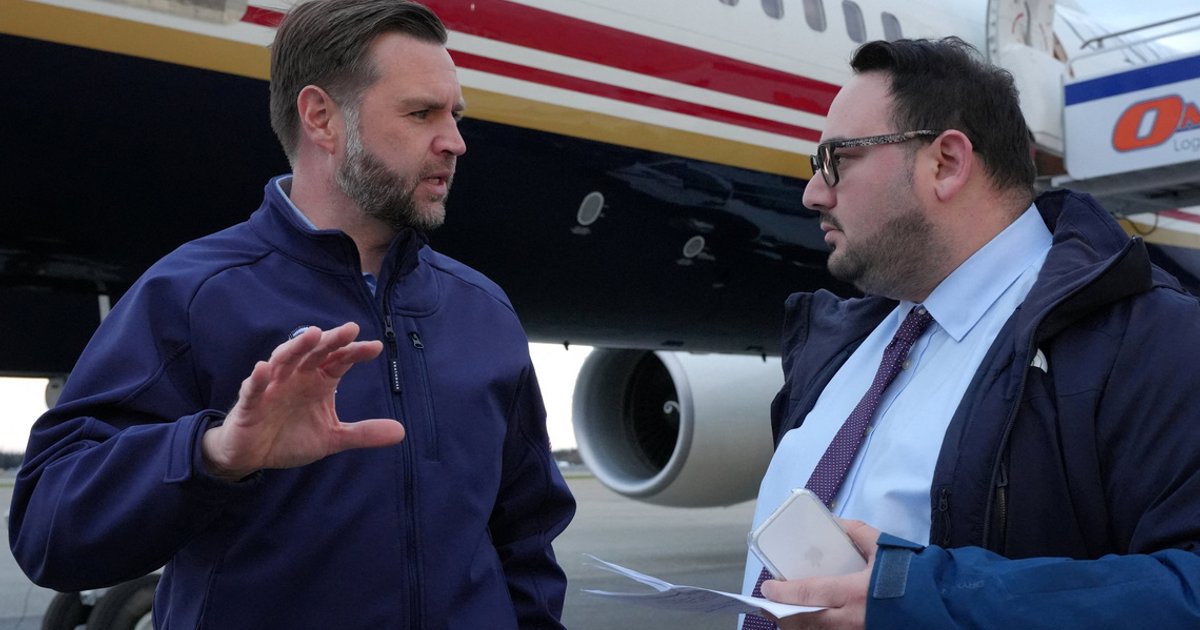
Speaking on Monday after a campaign trip in Alaska, Vance said any agreement would require Iran to reduce its nuclear enrichment capacity, rather than offer assurances of future nuclear drawdowns.
asserted
agreement → speak → drawdowns
"If you don't want a nuclear weapon, then why do you need 60% enriched fuel?
asserted
you → want → fuel
And if you want to show commitment to not building a nuclear weapon, don't build highly enriched fuel.
asserted
you → want → fuel
That's a very basic threshold issue," Vance said.
asserted
Vance → say → ?
"I think if they want to show a commitment to not building a nuclear weapon, they would do something meaningful on their enrichment capacity."
asserted
they → think → capacity
Iran and the US have exchanged proposals in recent weeks aimed at ending the war and reopening the Strait of Hormuz, a vital global energy shipping route.
asserted
Iran → exchange → Hormuz
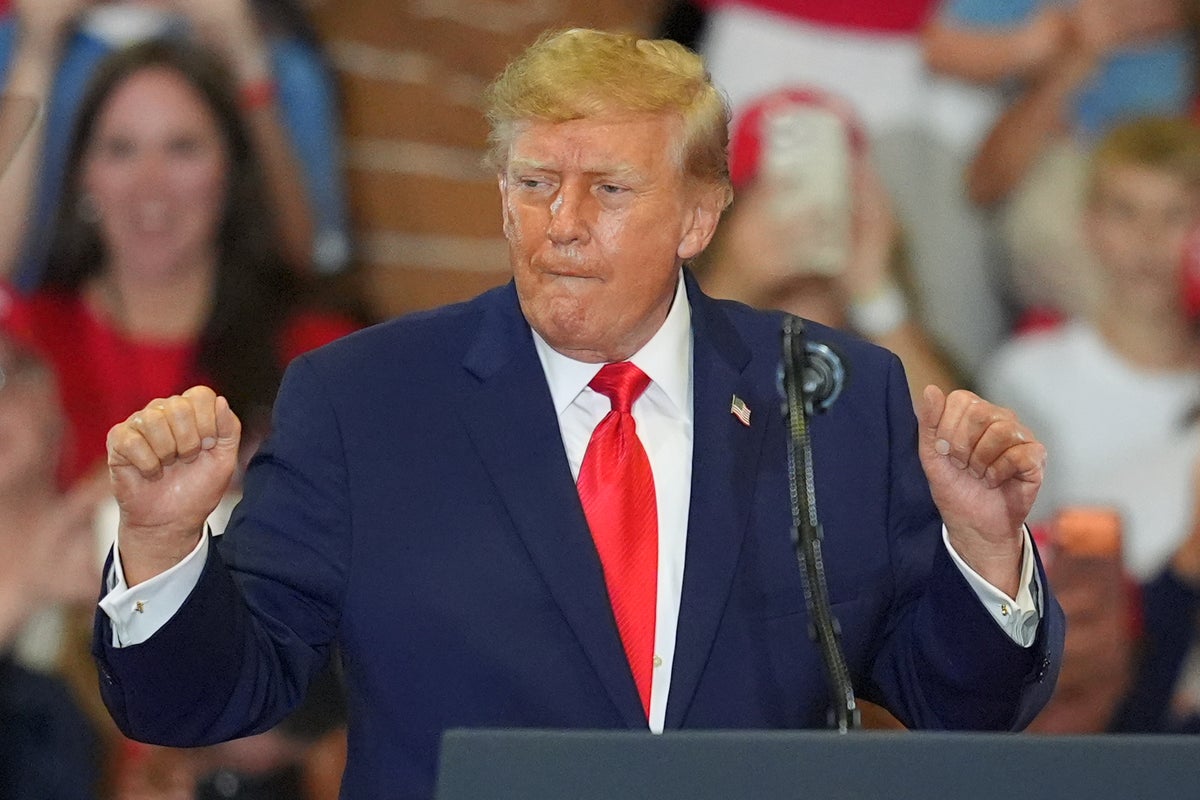
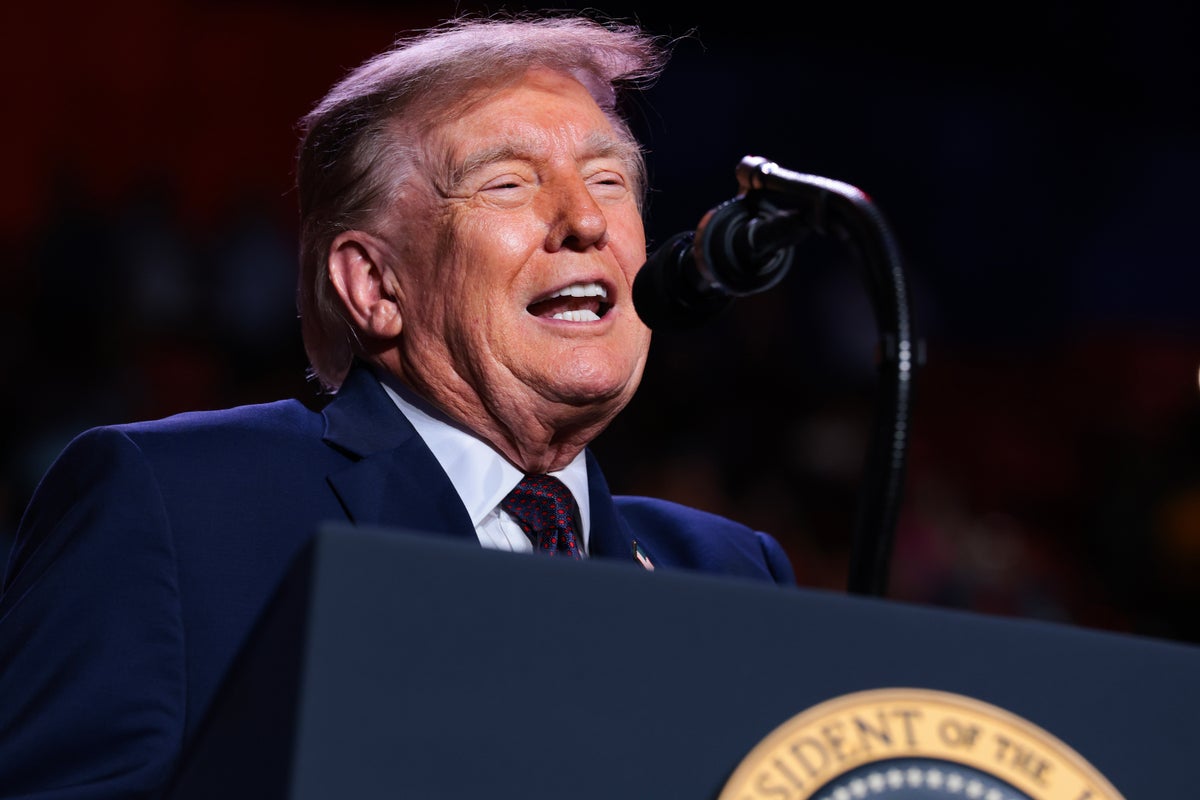
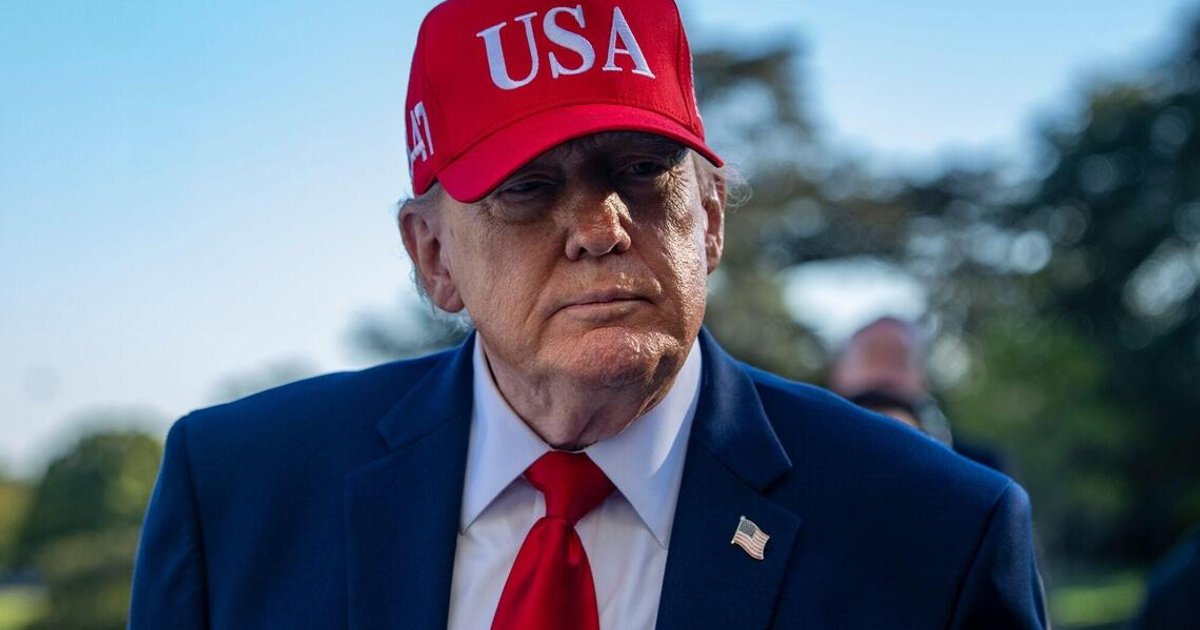
Trump rejected Tehran's latest offer and has warned that military operations could intensify after the midterms.
uncertain
operations → reject → midterms
Vance said the US remained open to an agreement but would require concrete Iranian nuclear concessions.
asserted
US → say → concessions
"We're not going to trade words for actions," Vance said.
asserted
Vance → go → actions
UNCLEAR HOW IRAN MAKES DECISIONS:
uncertain
IRAN → unclear → DECISIONS
Complicating matters, Vance said Washington is uncertain who makes decisions in Tehran.
asserted
who → complicate → Tehran
Vance said the US was in talks with Iranian President Masoud Pezeshkian and Foreign Minister Abbas Araqchi.
asserted
US → say → Pezeshkian
But it was unclear how much authority they wield within Iran's power structure, he said, after joint US-Israeli strikes at the start of the war killed Supreme Leader Ayatollah Ali Khamenei.
uncertain
strikes → wield → Khamenei
"One of the things we picked up on is it's not totally clear how their country makes decisions," Vance said.
asserted
Vance → pick → decisions
Separately, Trump said on Tuesday his "biggest problem" is no one knows who is running Iran.
asserted
who → say → Iran
Iran's Foreign Ministry spokesperson said on Sunday that US officials are well aware of who their Iranian counterparts are and how Iran's decision-making system works.
asserted
system → say → Sunday
"The problem is actually the opposite: it lies in the contradictory positions and mixed messaging from US officials," Esmaeil Baghaei told a weekly press conference.
asserted
Baghaei → lie → conference
Vance told Reuters he has held personal conversations with field commanders to gauge battlefield conditions.
asserted
he → tell → conditions
He dismissed concerns over critical munitions shortages and added that while Iranian troops are periodically able to strike commercial ships in the Strait of Hormuz, they are largely unable to prevent energy exports through the waterway.
asserted
they → dismiss → waterway
The war — and its $3 billion monthly price tag — has become a key issue on the campaign trail.
asserted
war → become → trail
Higher energy prices have put Trump and Republicans on the defensive in competitive states that will decide control of Congress.
asserted
that → put → Congress
Vance has sought to temper criticism of Trump’s handling of the conflict, telling voters they should not let that issue keep them from backing Republicans in next month's elections.
asserted
issue → seek → elections
In Alaska, Vance rallied for Republican Senator Dan Sullivan, who is locked in a tight reelection battle with Democratic challenger Mary Peltola.
asserted
who → rally → Peltola
Trump carried Alaska by 13 percentage points in 2024, but rising everyday costs have put the state in play.
asserted
costs → carry → play
Before speaking with Reuters, Vance focused much of his speech on affordability concerns, especially around energy.
asserted
Vance → speak → energy
Alaska's remote locale makes consumer goods more expensive, and energy production is a key industry.
asserted
production → make → ?
Rally attendees roared when Sullivan nearly introduced Vance as the president of the US, rather than the vice president.
asserted
Sullivan → roar → US
Vance is seen as a leading Republican contender to succeed Trump in the White House.
asserted
Vance → see → House
Vance told Reuters afterward that he had not decided whether to seek the presidency in 2028.
asserted
he → tell → 2028
"I'm inherently a procrastinator," he said.
asserted
he → say → ?
"I really haven't thought about it much."
asserted
I → think → it
 The Aporia