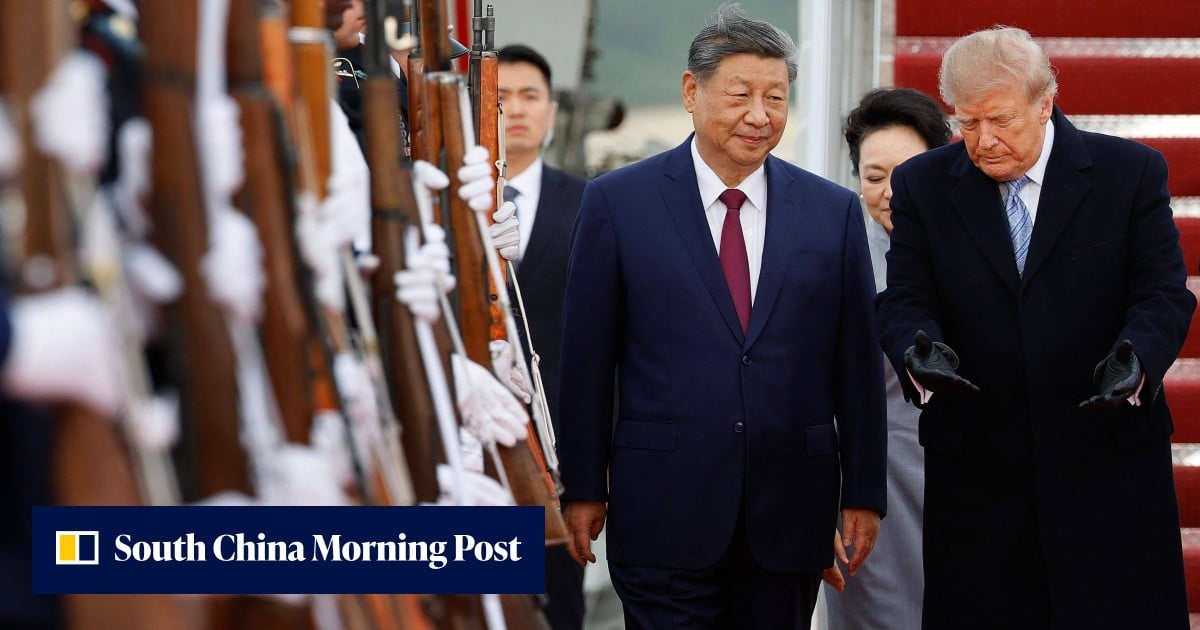
Photo via South China Morning Post

From Taiwan to Takaichi, the geopolitical fallout from Xi-Trump summit

Read the original at South China Morning Post ↗
Cite

From Taiwan to Takaichi, the geopolitical fallout from Xi-Trump summit. (2026, September 30). South China Morning Post. https://www.scmp.com/news/china/diplomacy/article/3369360/taiwan-takaichi-geopolitical-fallout-xi-trump-summit?utm_source=rss_feed

Dated when The Aporia collected the article, usually within hours of publication. Check the original for its exact date and byline.

South China Morning Post · collected 2026-09-30 · by SCMP

Quick Summary

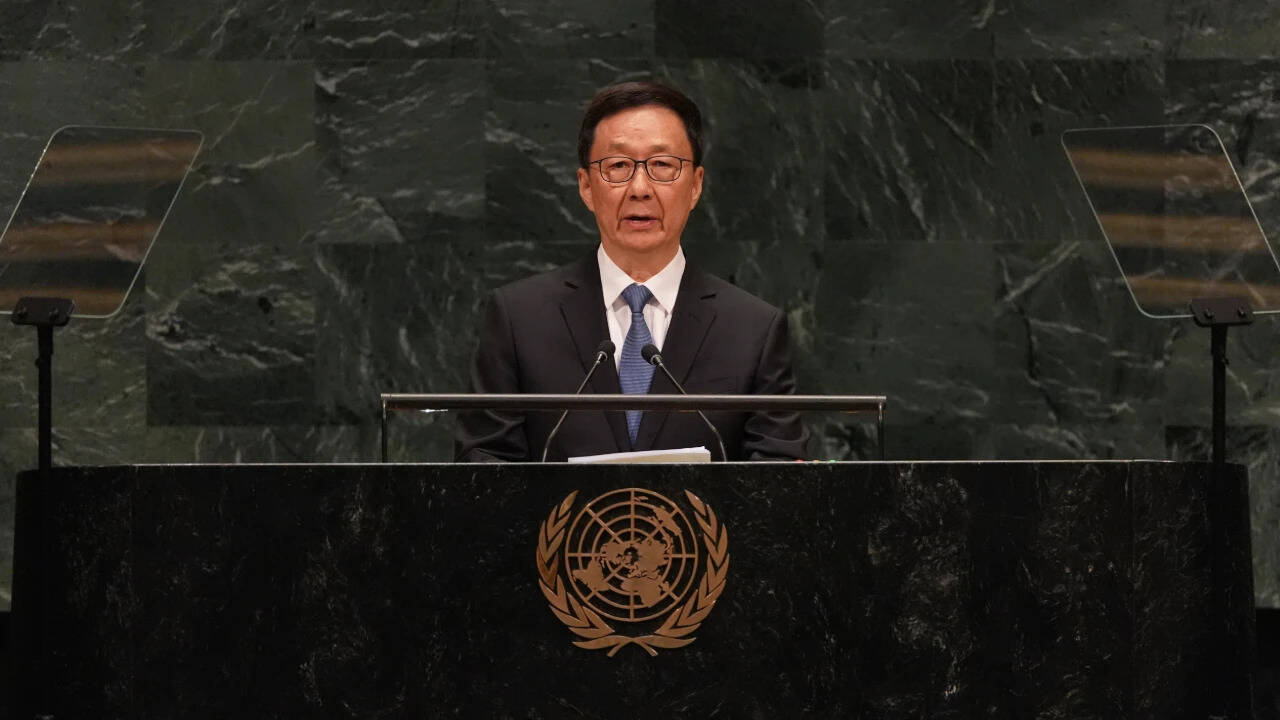
Chinese Vice President Han Zheng addressed the United Nations General Assembly, calling on major countries to respect the sovereignty and security of Middle Eastern nations and advocating for a two-state solution to the Israeli-Palestinian conflict. This statement was seen as an indirect criticism of both the United States and Israel. The article discusses how these remarks are part of broader geopolitical tensions between China and the US following the Xi-Trump summit, touching on issues affecting Taiwan and Japan's relations with Washington.
Written by AI on 2026-09-30, from this article's own text only (the story summary below draws on all the coverage).
See how they differ ↓

AI analysis

Story summary

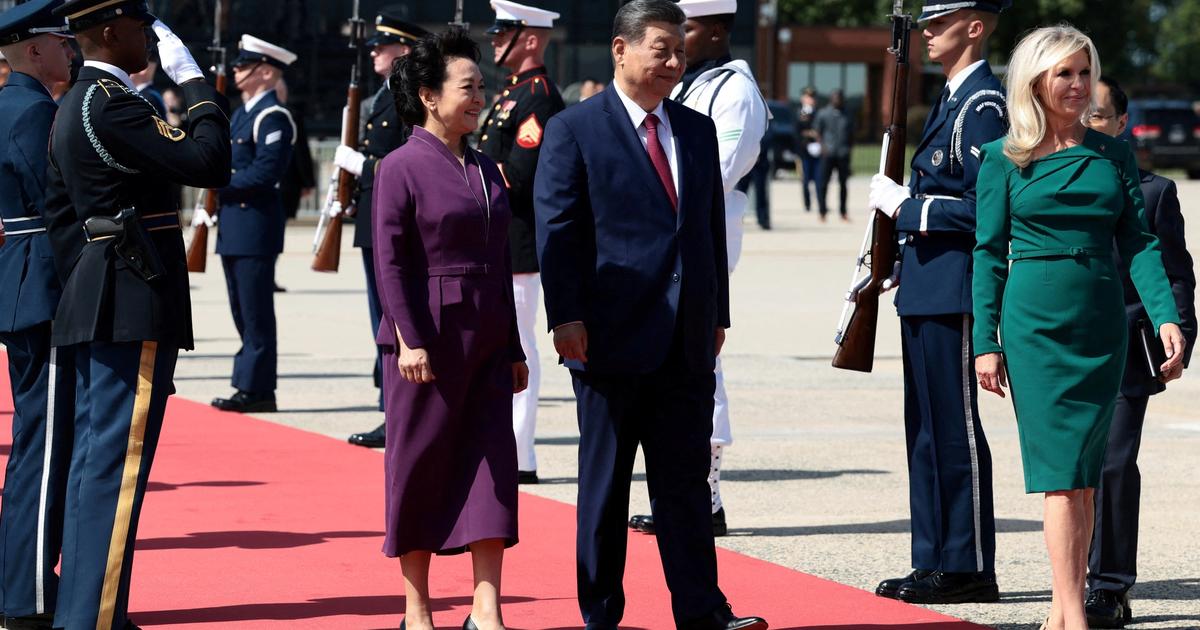
On September 26, 2026, during the United Nations General Assembly, Chinese Vice-President Han Zheng criticized unnamed countries, implicitly referring to the U.S., for undermining sovereignty in the Middle East and threatening Cuba. He urged these nations to respect the security of Gulf countries and lift the blockade on Cuba, which has severely restricted oil imports there. This came a day after President Trump met with Chinese leader Xi Jinping at the White House in what was described as a friendly meeting featuring military flyovers and a lavish state dinner.

The sharp contrast between this diplomatic rhetoric and the previous warm interactions highlighted growing tensions over issues like Iran and Cuba, despite assurances from China to the U.S. that it would not support Iran following Trump's warnings during earlier talks. Zheng’s speech emphasized adherence to international rules and respect for sovereignty without directly naming the United States or other specific countries involved in these conflicts.

Written for “China Pushes Back Against US On Iran And Cuba” on 2026-11-18, grounded in this article and the 5 other(s) covering the same event.

How they differ

6 outlets covered “China Pushes Back Against US In UN Sp…”.

What each outlet says

One AI summary per outlet of its latest article on this story, written from that article alone and checked against it. Open the article for the outlet's own words.

South China Morning PostThis outlet30 Sep

Chinese Vice President Han Zheng addressed the United Nations General Assembly, calling on major countries to respect the sovereignty and security of Middle Eastern nations and advocating for a two-state solution to the Israeli-Palestinian conflict. This statement was seen as an indirect criticism of both the United States and Israel. The article discusses how these remarks are part of broader geopolitical tensions…

From Taiwan to Takaichi, the geopolitical fallout from Xi-Trump summit (this article)

The Hindu26 Sep

During the UN General Assembly on September 26, 2026, China’s Vice-President Han Zheng criticized the United States for its actions against Iran and Cuba. Without naming the U.S., Han called for respect of sovereignty in the Gulf region and urged a “relevant country” to stop threatening Cuba and lift economic sanctions. This stance contrasts with recent friendly interactions between Chinese leader Xi Jinping and…

China pushes back against U.S. on Iran and Cuba in UN speech →
CBC26 Sep

During its speech at the UN General Assembly, China criticized the United States for threatening Iran's sovereignty and maintaining a blockade against Cuba. Chinese Vice-President Han Zheng called on "relevant countries" to respect Middle Eastern nations' sovereignty and end threats toward Cuba while lifting economic sanctions. This stance contrasts with the recent friendly interactions between U.S. President Donald…

China pushes back against U.S. on Iran, Cuba in UN speech →
Toronto Star26 Sep

Chinese Vice President Han Zheng delivered China's address to the UN General Assembly on Saturday, emphasizing development and cooperation while making mild statements regarding US-Iran tensions and avoiding direct mention of Taiwan—a departure from previous speeches. Han highlighted China’s economic success and social stability, criticized protectionism, and reiterated support for multilateralism and the Belt and…

China, as usual, uses UN speech to promote global development as solution to world's challenges →
Times of India26 Sep

During his speech at the UN General Assembly, Chinese Vice President Han Zheng urged the United States to respect the sovereignty of Iran and Cuba without naming the US directly. He criticized American actions in the Middle East while advocating for an end to threats against Cuba and the lifting of sanctions on the island nation. This came after recent tensions over reports that China was supplying arms and helping…

'Stop using threats': China takes veiled shot at US over Cuba & Iran in UN speech →
The Straits Times26 Sep

At the UN General Assembly on September 26, China’s Vice-President Han Zheng criticized the United States for its actions regarding Iran and Cuba without naming the U.S. directly. He called for respect of sovereignty in the Middle East and urged a “relevant country” to cease threatening Cuba and lift economic sanctions against it. This speech came shortly after President Trump hosted Chinese leader Xi Jinping at the…

China pushes back against US on Iran and Cuba in UN speech →

Where they agree and split

Framing

How the first headlines put it

Stated as fact5
The headlines (5)

China pushes back against U.S. on Iran and Cuba in UN speech The Hindu · stated as fact

China pushes back against U.S. on Iran, Cuba in UN speech CBC · stated as fact

China, as usual, uses UN speech to promote global development as solution to world's challenges Toronto Star · stated as fact

'Stop using threats': China takes veiled shot at US over Cuba & Iran in UN speech Times of India · stated as fact

China pushes back against US on Iran and Cuba in UN speech The Straits Times · stated as fact

The full story: what happened, how it changed, and all 6 articles →

Compared with similar articles

This article reads unscored and hedges 0% of its claims. Each row says how that neighbour differs.
Semafor
Leans right Hedges 1 of 6 claims Outlet record 65/100
“The articles describe different events: one covers Xi Jinping's visit to Washington, while the other discusses geopolitical fallout from that summit including a speech at the UN General Assembly.”
South China Morning Post
Leans left Hedges 2 of 4 claims Outlet record 62/100
“The articles discuss different aspects of diplomatic relations between China, the U.S., and other nations but do not describe the same specific incident.”
Times of India
Hedges 0 of 14 claims Outlet record 59/100
South China Morning Post
Hedges 2 of 2 claims Outlet record 62/100
“The articles discuss different aspects of international relations involving China and the U.S., but Article B focuses on Han Zheng's speech at the UN General Assembly which is a separate event from the Xi-Trump summit discussed in Article A.”
South China Morning Post
Leans left Hedges 0 of 7 claims Outlet record 62/100
“The articles discuss different aspects of broader geopolitical relations between the US and China, without focusing on a single identical incident.”
The Independent
Hedges 10 of 34 claims Outlet record 59/100
“The articles discuss different aspects and timeframes related to US-China relations and Taiwan's security, not a single specific incident.”
South China Morning Post
Centre Hedges 0 of 3 claims Outlet record 62/100
“The articles discuss different aspects of China-US relations and do not describe the same specific incident or occurrence.”
South China Morning Post
Leans right Hedges 1 of 1 claims Outlet record 62/100
“The articles discuss different geopolitical developments following the Xi-Trump summit but describe distinct events: one is about China's stance at the UN General Assembly, and the other is about Taiwan opening a de facto consulate in the US.”
Toronto Star
Leans strongly left Hedges 1 of 39 claims Outlet record 64/100
“While both articles discuss Han Zheng's speech at the U.N. General Assembly, they appear to describe different parts or aspects of his address rather than the exact same moment in time.”
The Hindu
Hedges 0 of 8 claims Outlet record 60/100
“While both articles discuss the Xi-Trump summit, Article A focuses on geopolitical fallout and Han Zheng's speech at the UN General Assembly, while Article B specifically covers agreements made during the summit and ongoing strategic differences.”

Story

China Pushes Back Against US On Iran And Cuba
Politics · 6 article(s) covering the same event. Compare every outlet's account →
How this article was measured signals, leaning charts, publisher record, byline, topics and claims

Signals How these are calculated →

Claims extracted
1
sentences that state something as happening or true
Uncertain
0%
0 of 1 hedged ("reportedly", "may", "according to")
Leaning
withheld
no quote in the article backed the model's score
Publisher signals
62/100
South China Morning Post's corrections and hedging, across everything collected from it. Not a measure of accuracy.
Outlets on this story
6
Politics
Same framing elsewhere
1
articles that frame the event the way this one does
Analyzed 2026-09-30 · how these are computed

How this is being covered How these are calculated →

Article leaning vs. publisher reliability
Source leaning vs. consistency

Publisher

South China Morning Post · 4214 article(s) · 8 correction(s) detected
Running correction rate · 8 correction(s)

Who wrote this

No reporter is named on this article, beyond the feed's “SCMP”.

Topics

China Japan Taiwan Takaichi Washington

Subjects

China GPE · 2× Han Zheng PERSON · 1× Japan GPE · 1× Palestinian NORP · 1× SCMP ORG · 1× Taiwan GPE · 1× Takaichi PERSON · 1× UNGA ORG · 1× Washington GPE · 1× the UN General Assembly ORG · 1×

Narrative

From Taiwan to Takaichi, the geopolitical fallout from Xi-Trump summit From structural rifts between US and China to debate over Washington’s treatment of ally Japan, some highlights from SCMP’s recent reporting Han Zheng, China’s vice-president, called on “major countries” to respect the sovereignty and security of Middle Eastern nations and bring about a two-state solution for the “Palestinian question” on Saturday at the UN General Assembly (UNGA) in an implicit dig at the US and Israel.
framing: assertive · carried by 1 article(s) · first seen 2026-09-30
2026-09-30 · South China Morning Post
From Taiwan to Takaichi, the geopolitical fallout from Xi-Trump summit · assertive framing

Claims (1 extracted, 0 hedged)

From Taiwan to Takaichi, the geopolitical fallout from Xi-Trump summit From structural rifts between US and China to debate over Washington’s treatment of ally Japan, some highlights from SCMP’s recent reporting Han Zheng, China’s vice-president, called on “major countries” to respect the sovereignty and security of Middle Eastern nations and bring about a two-state solution for the “Palestinian question” on Saturday at the UN General Assembly (UNGA) in an implicit dig at the US and Israel. asserted
Zheng → call → US
Give feedback · no sign-in needed

No sign-in needed for now. Your note is sent without a name, so it cannot be answered.

History Support