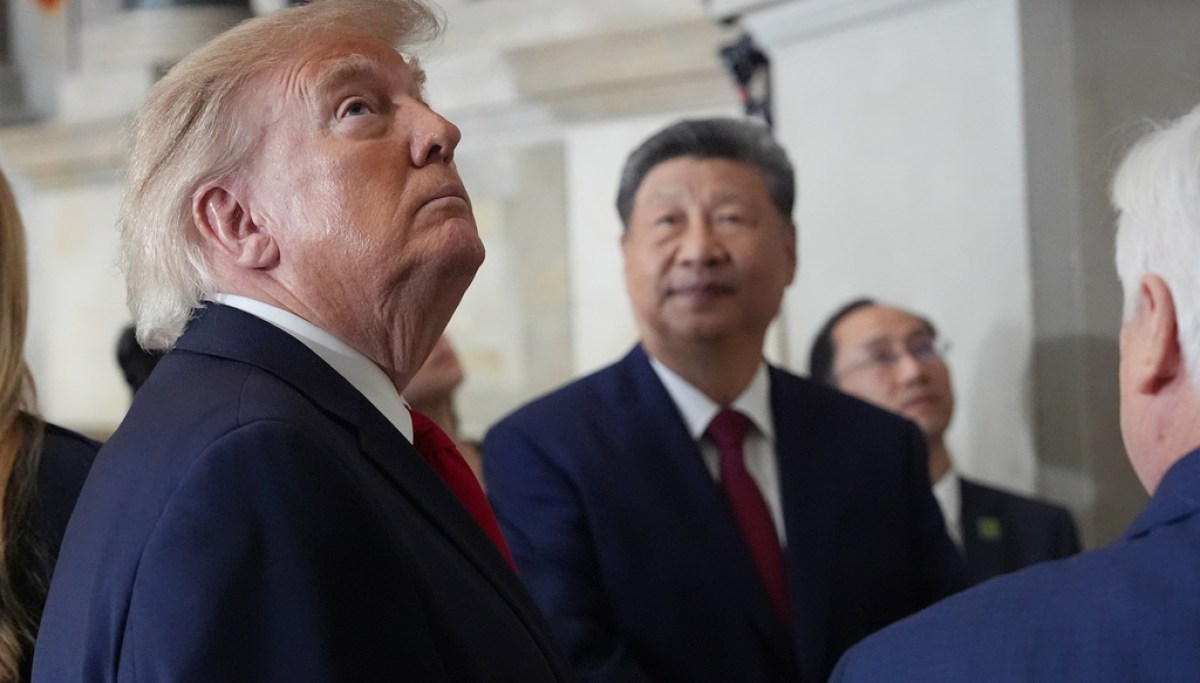
US President Donald Trump and Chinese leader Xi Jinping extended their trade truce until January 10, addressing concerns over tariffs and rare earth minerals during a summit in December. This agreement came after previous tensions saw tariffs rise above 100%, with China committing to purchase more US agricultural products as part of the earlier deal set to expire in November. Analysts like Daniel Russell warn that while both sides aim for stability through the year, they remain deeply entangled in broader issues such as technology, defense, and industrial policy.
Written locally by qwen2.5:14b on 2026-09-26,
using this article's own text rather than the other coverage of the
same event (that is the story summary below).
Story summary
Before the Xi-Trump summit last week, analysts expected soybeans to be included in tariff-reduced arrangements between China and the U.S., but China excluded them from a tariff-reduction list released on September 28, 2026, despite cutting tariffs on other agricultural goods like corn, wheat, meat, and dairy. This decision disappointed American farmers, such as John Bartman, an Illinois-based soybean farmer who called it "a missed opportunity." U.S. soybeans still face an additional tariff of 10%, which traders say is too high for private crushers to absorb, even as Chinese state buyers have stepped up purchases. Despite this exclusion, both sides agreed to form a trade council to discuss reciprocal tariff cuts on $30 billion worth of products and stabilize economic ties.
Written for “US-China Tariff Cuts Deal” on 2026-10-05,
grounded in this article and the 283 other(s) covering the same event.
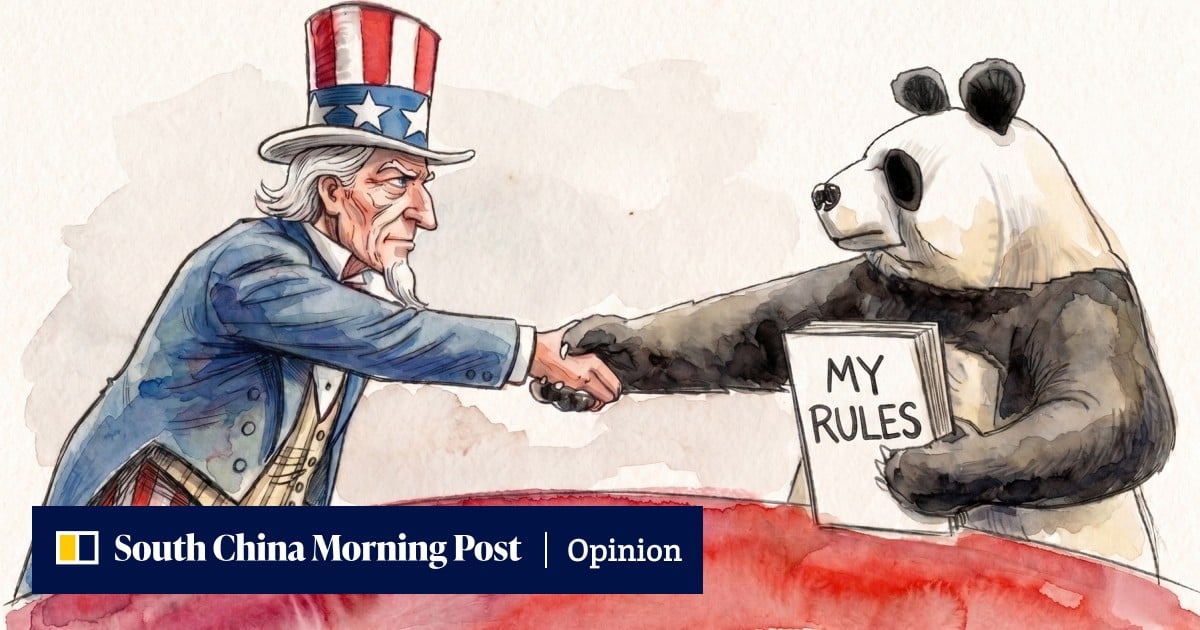
Washington and Beijing may have bought themselves breathing space with an extended trade truce, but analysts warn that time is running out for the world’s two biggest economies to resolve their strategic rivalry.
uncertain
economies → buy → rivalry
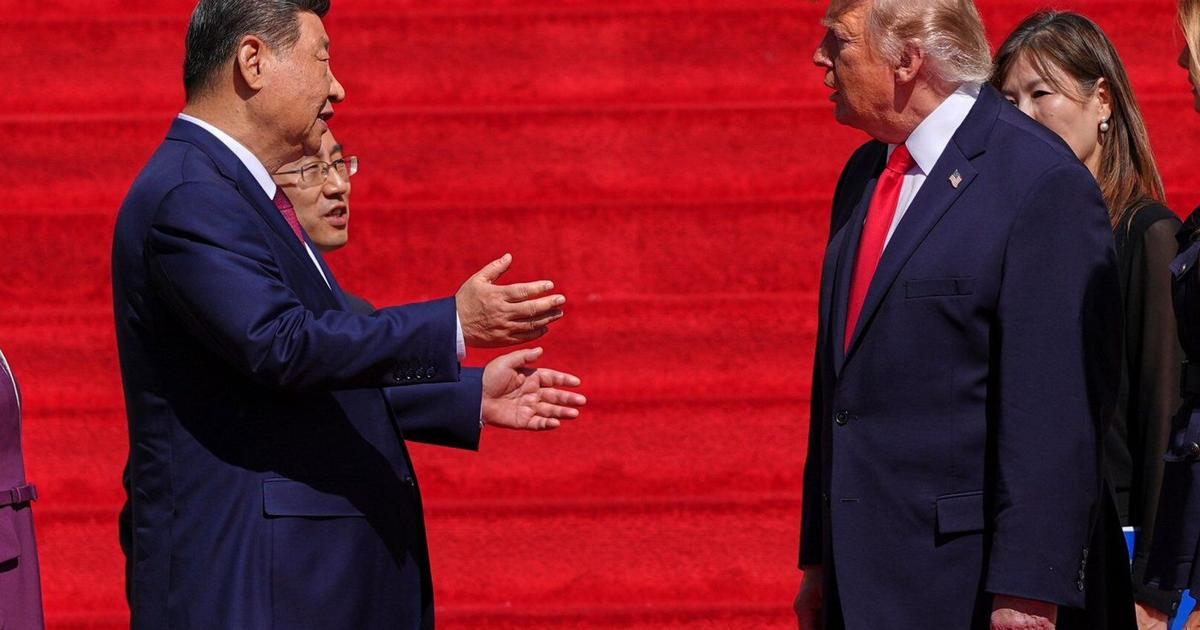
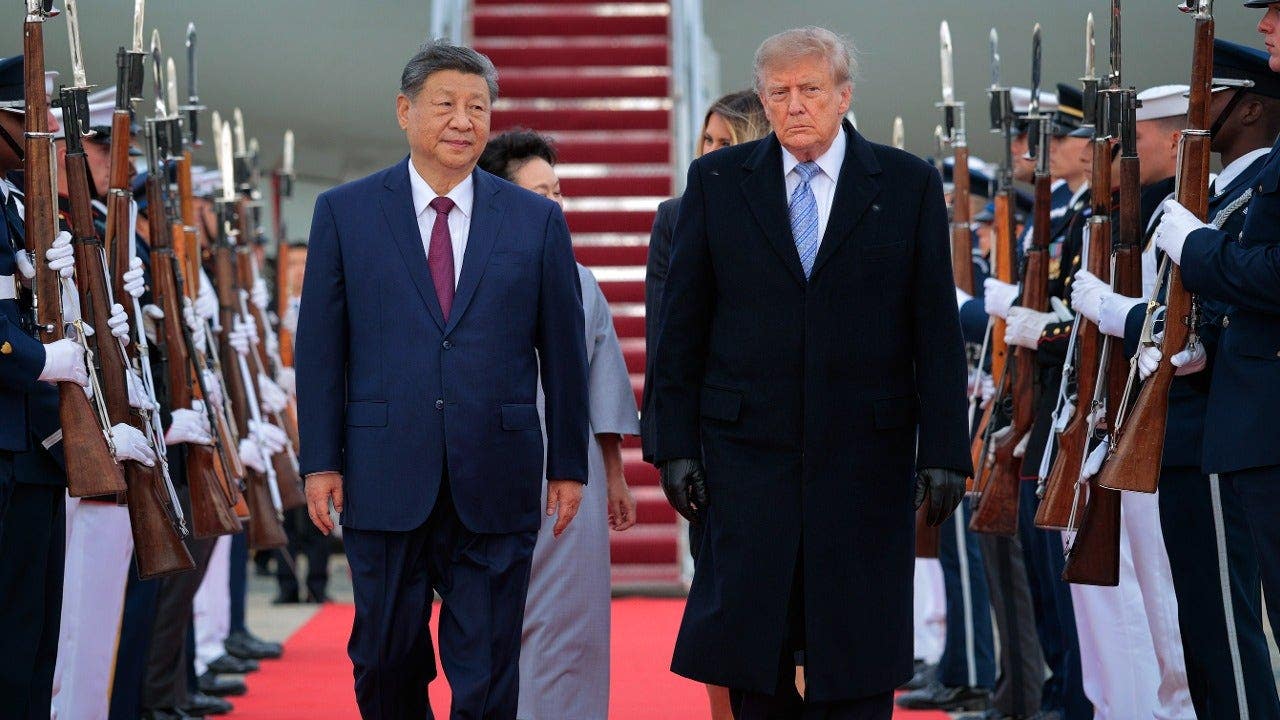
President Donald Trump and Chinese counterpart Xi Jinping concluded a pomp-filled summit on Friday, with the US leader confirming they would meet twice more this year.
But even as Trump and Xi “are making nice”, their countries “remain locked in a bitter competition over trade, tech, Taiwan, defence, rare earths and industrial policy”, said Daniel Russel of the Asia Society Policy Institute.
asserted
Russel → conclude → Institute
Daniel Kritenbrink, a former US official now with The Asia Group consultancy, said there’s “no doubt that both leaders would like to see stability in the relationship, at least through the end of the year”.
asserted
leaders → say → year
However, “you’d have to see further tangible outcomes for this truce to extend in the long run”.
asserted
truce → have → run
Some feel Beijing has “largely not lived up to the commitments it made” at earlier meetings, he added, noting many US officials “have articulated their profound frustration with the Chinese”.
asserted
officials → feel → Chinese
Xi and Trump agreed to a trade truce last year during a meeting in South Korea, after a bitter tit-for-tat fight that saw tariffs soar over 100 percent at one point.
asserted
tariffs → agree → point
As part of the agreement, Beijing agreed to buy more US soybeans and other agriculture products, and to suspend rare earths restrictions for a year.
asserted
Beijing → agree → year
The pact was originally due to expire in November but both sides agreed this week to extend it until January 10
asserted
sides → expire → January
, US Treasury Secretary Scott Bessent said.
asserted
Bessent → say → ?
Short leash
Trump’s top trade official Jamieson Greer told CNBC on Friday that Washington views such extensions as “compliance periods”.
asserted
Washington → tell → periods
“I think US officials would say China is doing just barely enough to maintain the agreement and no more,” Kritenbrink said.
asserted
Kritenbrink → think → agreement
“That’s unsustainable over the long run,” he added.
asserted
he → ’ → run
The brief extension “was the preferred position of the Americans,” Mary Lovely of the Peterson Institute for International Economics told AFP.
asserted
Lovely → prefer → AFP
She added that while Beijing would have preferred a longer rollover, the current situation points to Washington’s anxiety about the delivery of rare earth magnets and how officials “want to keep this on a short leash”.
asserted
officials → add → leash
“It’s not clear anymore how much their threats of high tariffs actually move China,” she said.
asserted
she → ’ → China
For now, Greer said that both countries have made “progress” on other economic outcomes and expect to release more details on Monday.
asserted
countries → say → Monday
“We want to have some subset of goods that we can trade with the Chinese on a more preferential basis,” he said.
asserted
he → want → basis
He added that both sides have agreed on products that can be left aside in future trade disputes.
asserted
that → add → disputes
Greer is set to host G20 trade ministers in Wisconsin next week, with US tariff threats and the issue of excess capacity — a key concern surrounding Chinese industry — expected to be discussed.
asserted
threats → set → industry
Washington and Beijing have also agreed to set up some kind of notification system for artificial intelligence threats between the two countries, Bessent said.
asserted
Bessent → agree → countries
Peter Richardson of Counterpoint Research said the channel could be as simple as a hotline, but it will be tough to define what triggers it.
uncertain
what → say → it
“It is often very difficult to tell quickly whether an AI incident was state-directed, a rogue actor or an accident,” he said.
“Given the rivalry we don’t expect this to lead to any comprehensive international framework for AI regulation, but it would be the first practical guardrail,” he added.
asserted
he → tell → regulation
Kritenbrink, for his part, said the summit has done “nothing to curb the competitive instincts of both sides on AI”.
asserted
summit → say → AI
“I don’t think you’ll see any slowing down.”
asserted
you → think → ?
 The Aporia