That is 0 articles you have read today.
The Aporia is free and carries no advertising, so readers are the only
thing paying for it. If you are getting this much out of it, a small
donation is what keeps it independent.
Daily limit reached
You have read 0 articles today.
That is more than the 15 a day The Aporia gives away,
and well past what it can carry on nothing. Your allowance resets at
midnight.
There is no advertising here and nothing about you is sold, so readers
are the only thing paying for it. If the site is worth this much of
your day, it is worth a few dollars.
Everything else stays open: the
maps, the
directory and
search do
not count against this, and neither does re-opening something you have
already read today.
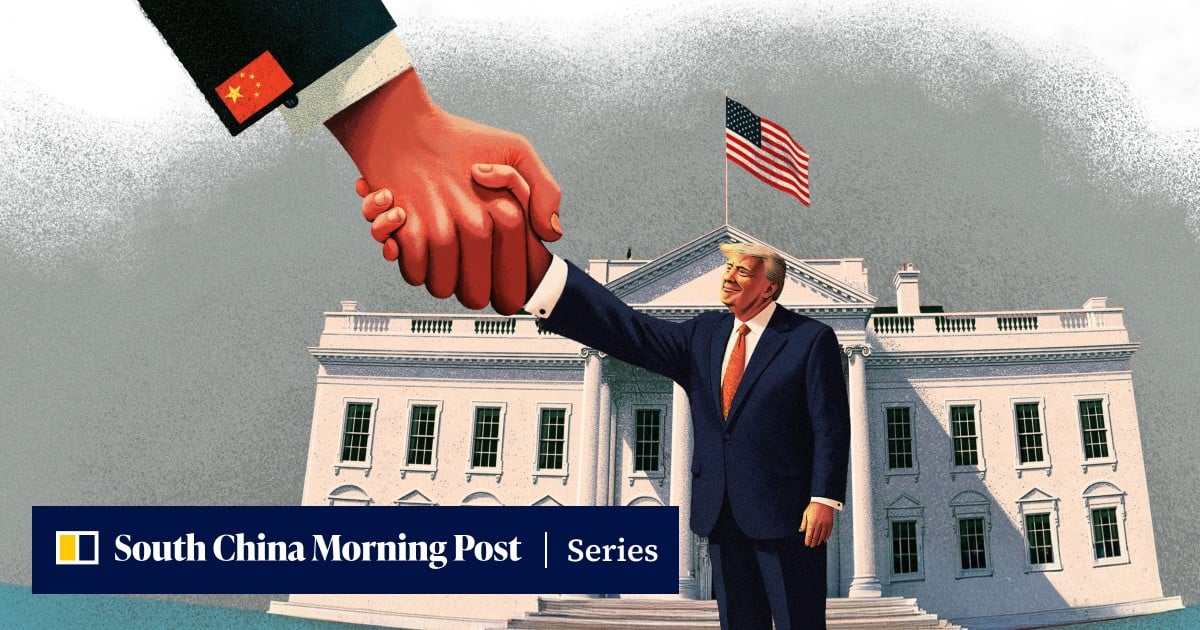
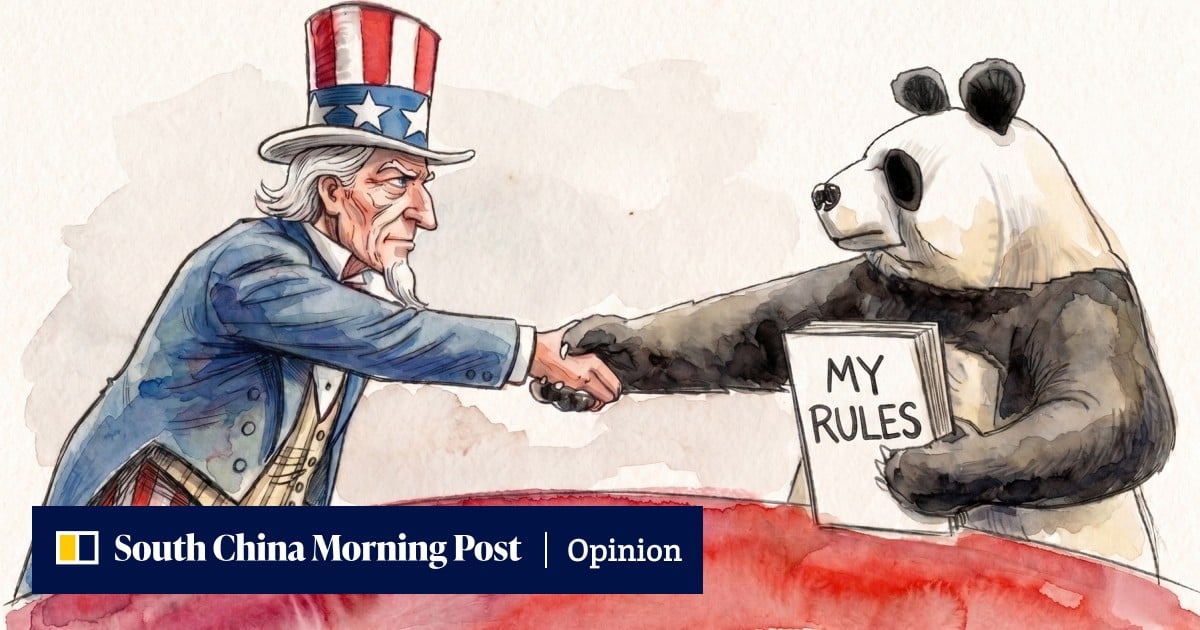
Chinese President Xi Jinping addressed the White House, suggesting cooperation between China and the U.S. to avoid conflict as one nation rises while the other is established. Using the concept of the "Thucydides Trap," which Harvard political scientist Graham Allison developed from ancient Greek history, Xi argued that both nations can pursue their goals without war. During his visit, President Trump warmly welcomed Xi, despite previous confrontational rhetoric from American leaders about China's rise and influence.
Written locally by qwen2.5:14b on 2026-09-24,
using this article's own text rather than the other coverage of the
same event (that is the story summary below).
Story summary
Before the Xi-Trump summit last week, analysts expected soybeans to be included in tariff-reduced arrangements between China and the U.S., but China excluded them from a tariff-reduction list released on September 28, 2026, despite cutting tariffs on other agricultural goods like corn, wheat, meat, and dairy. This decision disappointed American farmers, such as John Bartman, an Illinois-based soybean farmer who called it "a missed opportunity." U.S. soybeans still face an additional tariff of 10%, which traders say is too high for private crushers to absorb, even as Chinese state buyers have stepped up purchases. Despite this exclusion, both sides agreed to form a trade council to discuss reciprocal tariff cuts on $30 billion worth of products and stabilize economic ties.
Written for “US-China Tariff Cuts Deal” on 2026-10-05,
grounded in this article and the 283 other(s) covering the same event.
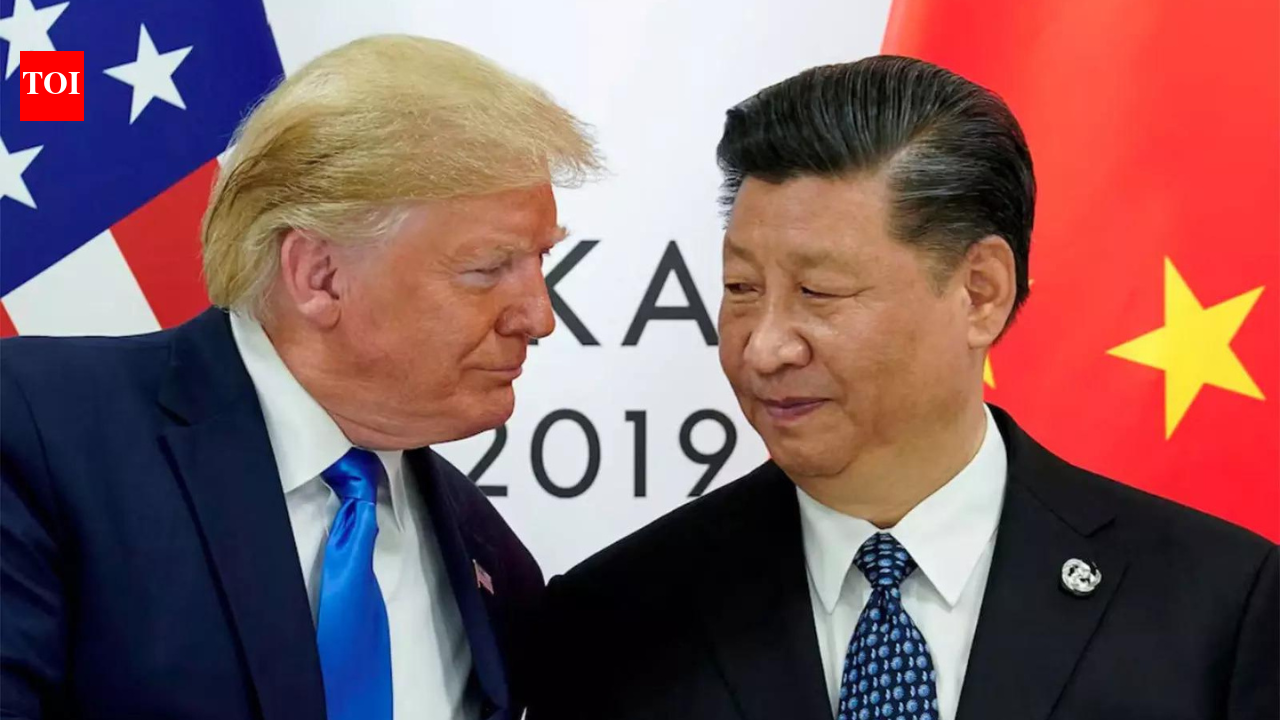
Implicitly suggesting that China is catching up with the United States if it hasn't already, Chinese President
Xi Jinping told Americans on Thursday that the two countries can avoid the historic conflict that often accompanies the rise of a new power, declaring that “the Thucydides Trap CAN be overcome.”
asserted
Trap → suggest → power
The phrase “Thucydides Trap” was coined by Harvard political scientist Graham Allison, drawing on the Athenian historian Thucydides' account of the Peloponnesian War.
asserted
phrase → coin → War
Thucydides identified the rise of Athens and the fear it generated in Sparta as the underlying force that made war increasingly difficult to avoid.
asserted
war → identify → force
Allison subsequently applied the historical pattern to modern great-power rivalry, examining 16 cases in which a rising power challenged an established one; in his analysis, 12 ended in war.
asserted
12 → apply → war
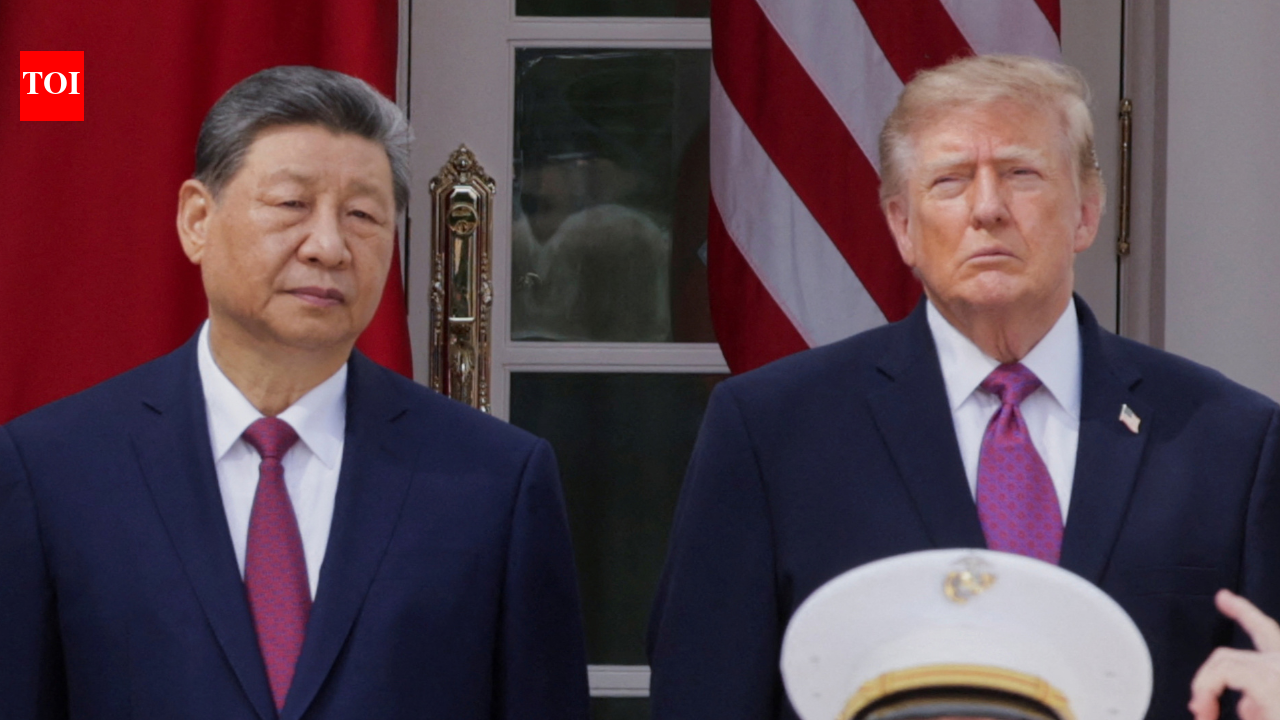
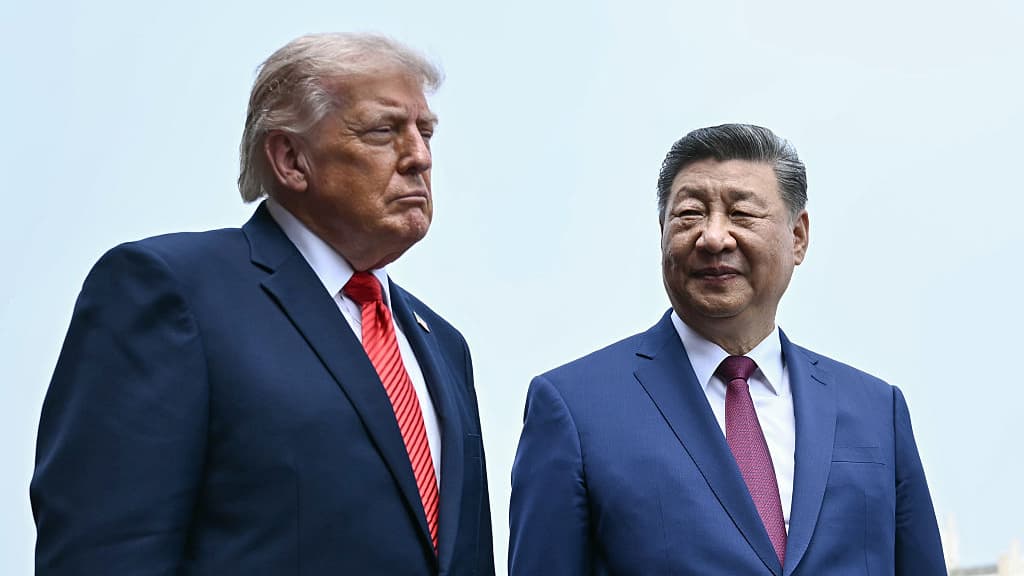
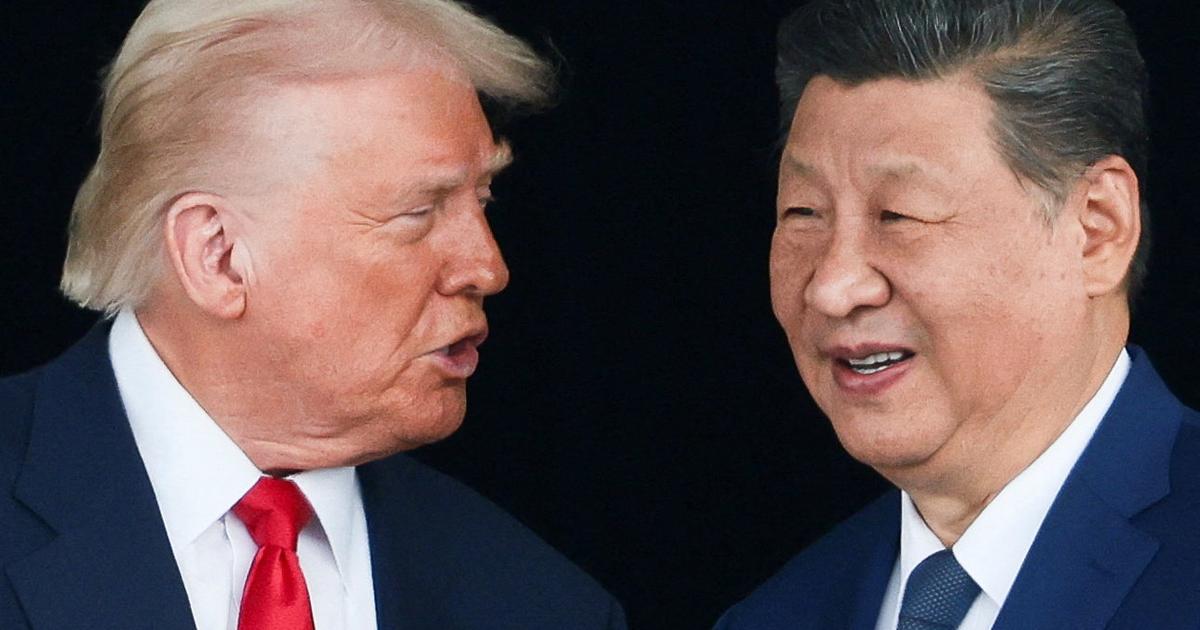
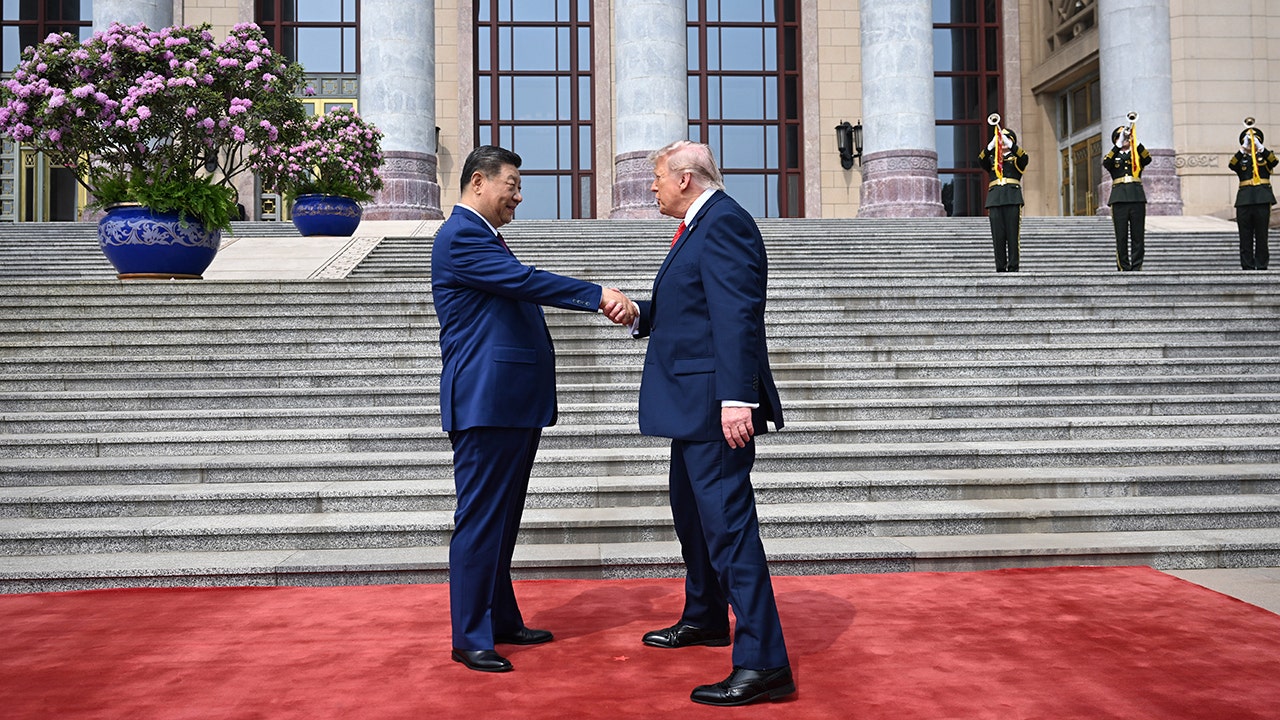
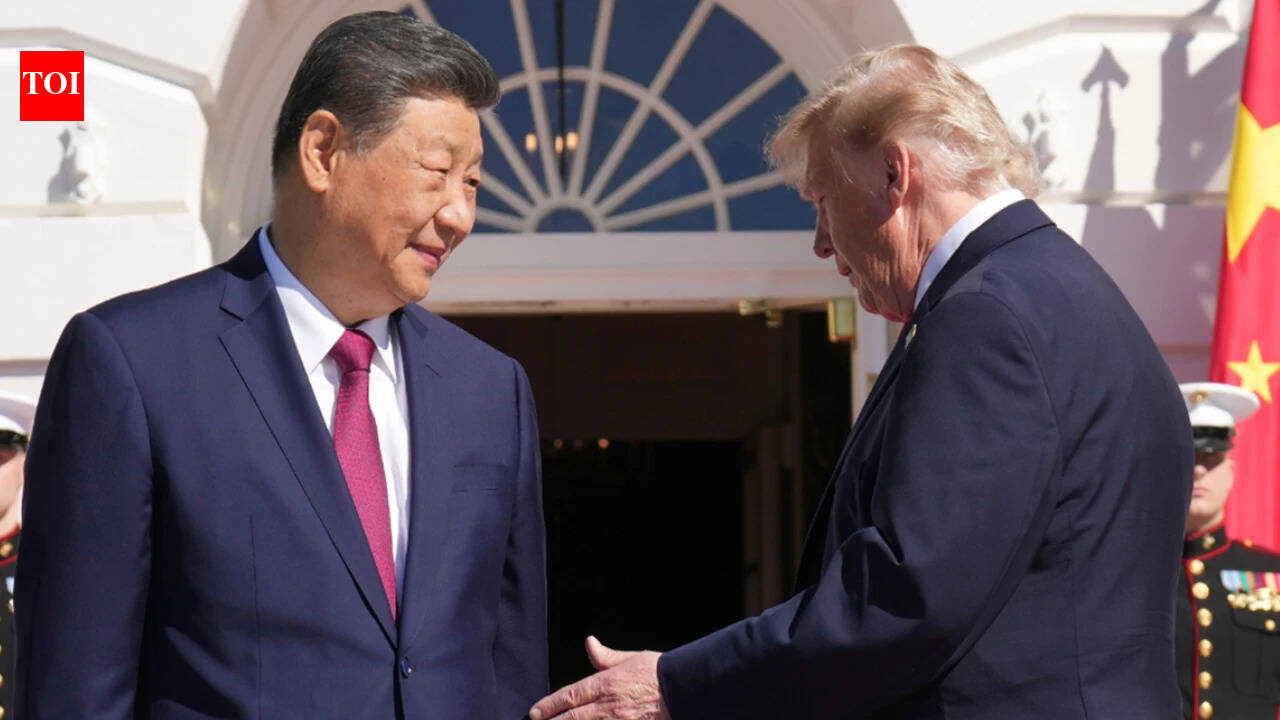
Speaking at the White House welcome ceremony with President Trump sitting beside him, Xi said the US and China should pursue cooperation rather than confrontation and argued that China's rise need not come at America's expense.
asserted
rise → speak → expense
He called for the two countries to be “partners, not rivals,” arguing that China's “great rejuvenation” and Trump's ambition to “make America great again” could proceed together.
uncertain
America → call → ?
China and the US should pursue a relationship in which competition is moderate, differences are manageable, and peace is predictable.
asserted
peace → pursue → which
It was hardly the language of a country preparing to surrender the geopolitical stage, nor was it quite the language of an adversary.
asserted
it → prepare → adversary
It was Xi's preferred formulation of the relationship: two great powers, different systems, competing interests — but neither destined to destroy the other.
asserted
neither → prefer → other
But it implicitly placed the burden of avoiding the trap on the established power, which may resist treating the rise of the challenger as an existential threat.
uncertain
which → place → threat
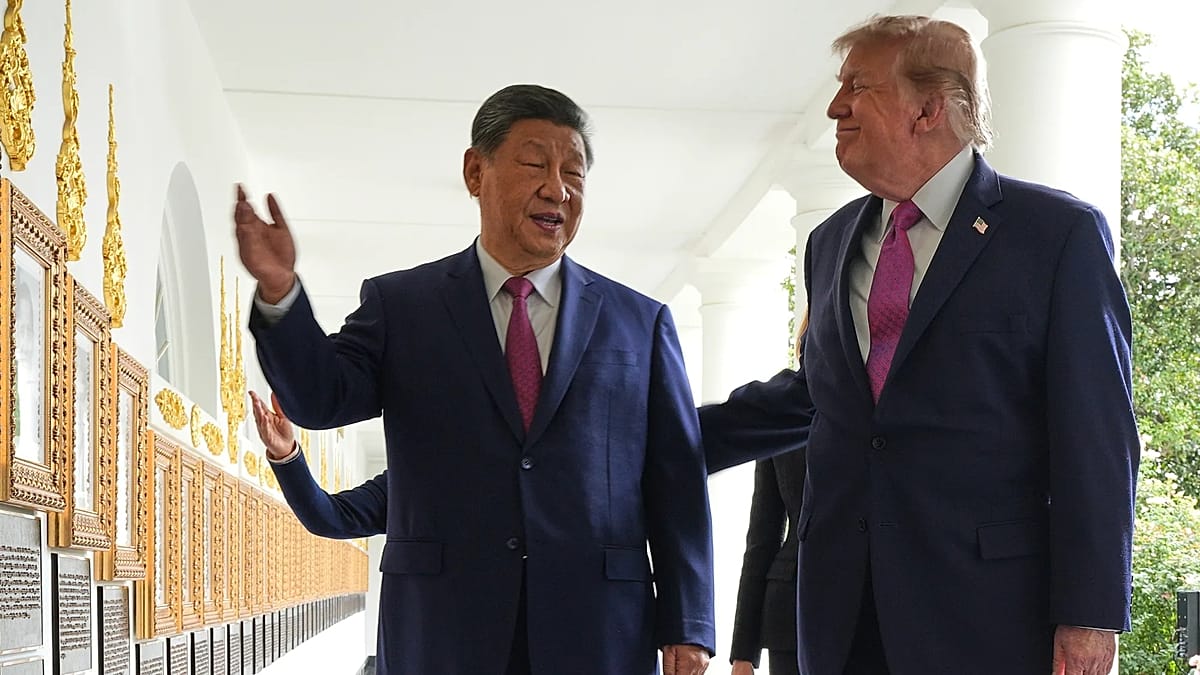
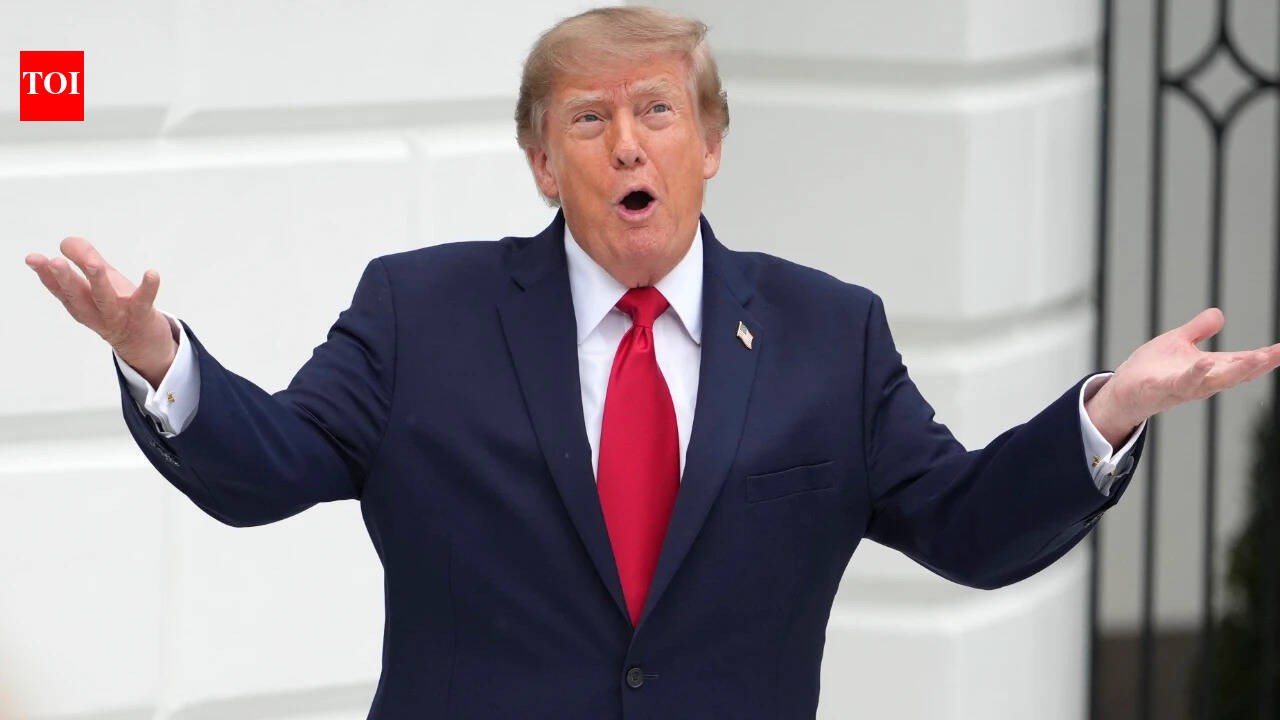
Trump, for his part, responded with warmth that belied his past demonisation of China.
asserted
that → respond → China
In vapid remarks, he described Xi as a “great leader” and emphasised the personal relationship between the two men, saying the US and China had a “great relationship.”
asserted
US → describe → relationship
It was a strikingly different tone from the confrontational rhetoric – not just from Trump but from many American leaders – that has characterised the US approach to China in recent years.
asserted
that → characterise → years
While Beijing portrays China's rise as an opportunity for cooperation rather than a challenge requiring containment, critics in Washington counter that China's military expansion, pressure around Taiwan and growing strategic influence demonstrate that the United States cannot simply assume benign intentions.
asserted
States → portray → intentions
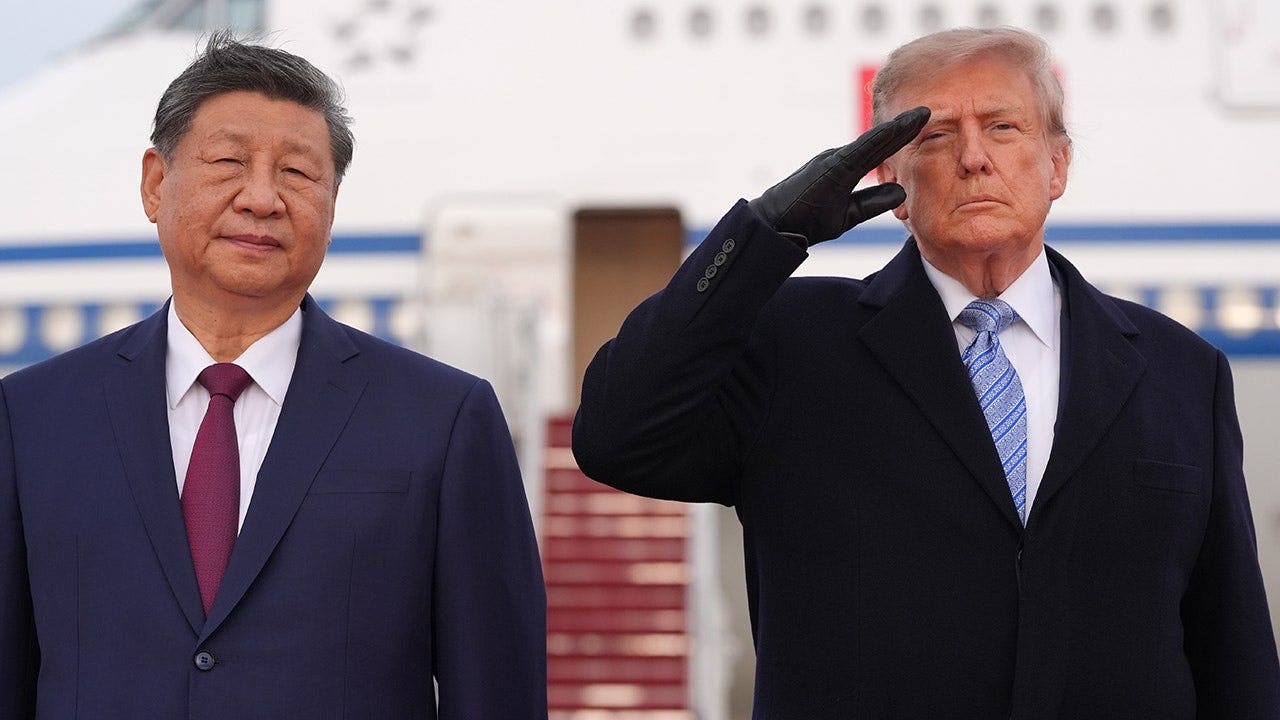
Many of them are blasting Trump for being a “Deferential President”, as the Atlantic magazine put it in a headline, while sneering, “Not long ago, President Trump could claim that he ran the world.
uncertain
he → blast → world
Now he’s waiting at the bottom of a set of airline steps for the Chinese president.
asserted
he → wait → president
But a more sobering perspective came from secretary of state
Marco Rubio, who earlier in the day asserted that it would be irresponsible not to engage Beijing at the highest level despite differences.
asserted
it → come → differences
“The relationship between the United States and China will define the 21st century,” Rubio said, echoing words that the US till recently had used for its ties with India, which is probably watching the scenario with consternation.
asserted
which → define → consternation
 The Aporia