Story summary
US President Donald Trump met with Chinese President Xi Jinping, where Xi pressed Trump to adopt Beijing's stance against Taiwan independence, which Taiwan rejected outright. Meanwhile, Taiwan is crucial for global tech and economy due to its leading semiconductor production; TSMC alone produces the majority of advanced chips that power smartphones, AI systems, and more. As Stanford Hoover fellow Eyck Freymann noted, economic disruption from a conflict over Taiwan would be severe.
In unrelated developments, Iranian President Masoud Pezeshkian met with US media at the UN General Assembly, where he denied Iran's nuclear ambitions while offering to dilute its enriched uranium and allow inspections under international law. He also blamed Washington for ongoing conflicts in the Middle East. The International Atomic Energy Agency (IAEA) estimates that Iran has over 440 kilograms of uranium enriched up to 60%, raising concerns despite Pezeshkian's denials.
Taiwan's representative, Ambassador Alexander Yui, clarified during an interview on CBS’s "Face the Nation" that while Taiwan was discussed between Trump and Xi, it wasn't a major focus. He emphasized there has been no change in US policy towards Taiwan amid recent tensions with China.
Written for “Taiwan Iran Us Relations Midterms” on 2026-10-05,
grounded in this article and the 386 other(s) covering the same event.
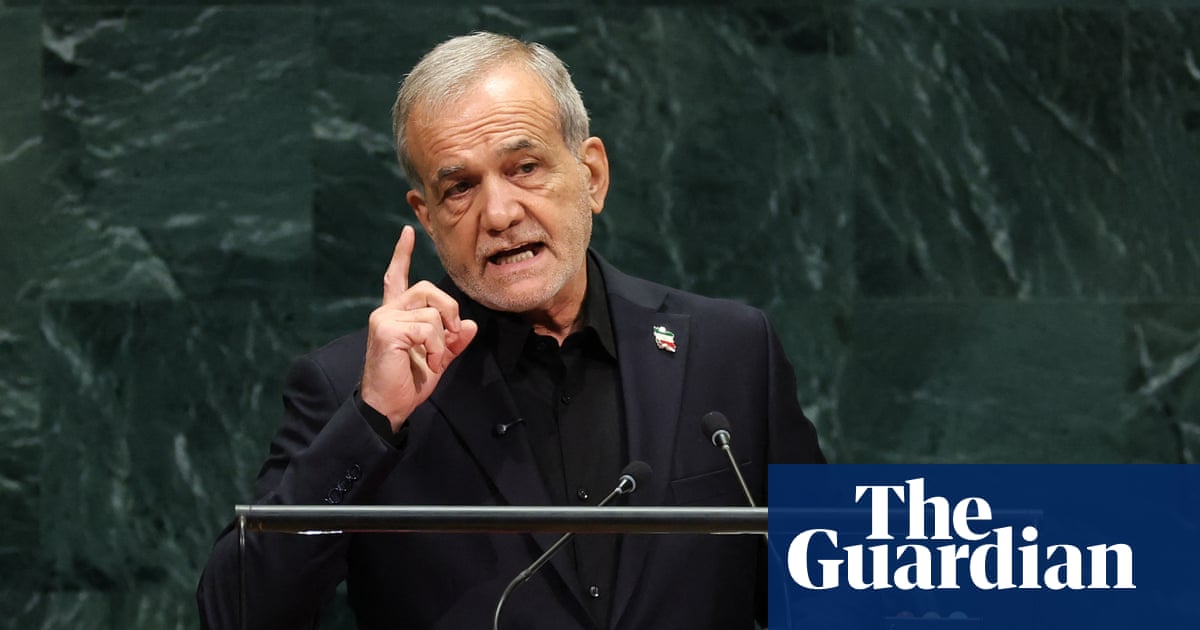
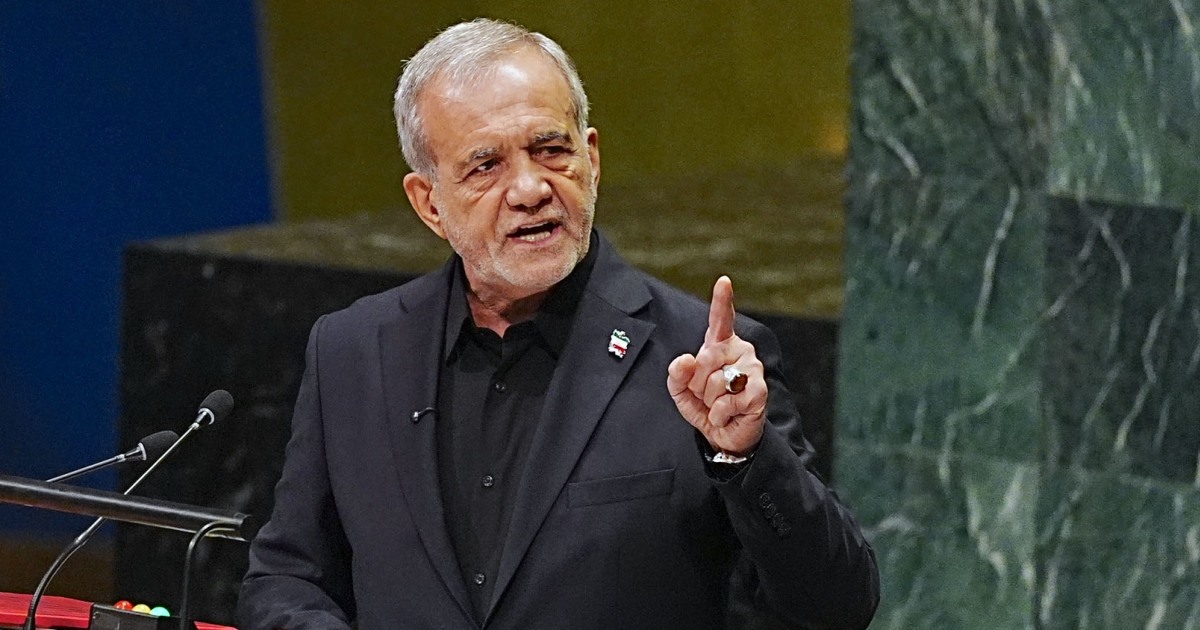
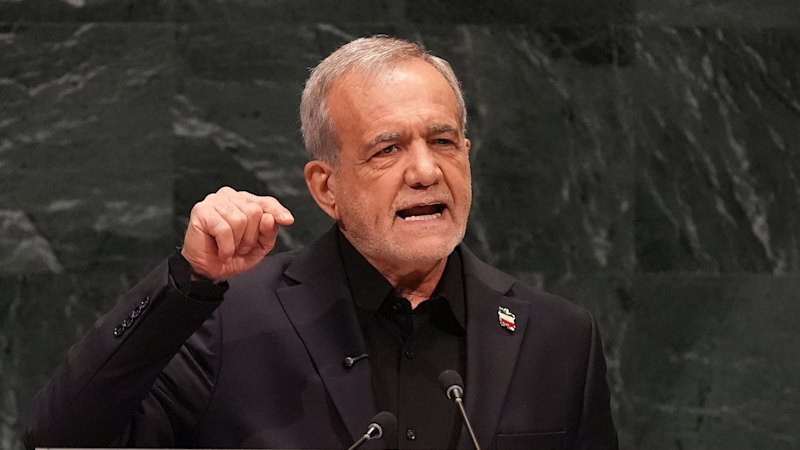
Iran’s president, Masoud Pezeshkian, turned the tables on Donald Trump, describing America as the true bully and terrorist in the Middle East while also insisting that Iran had always shown a commitment to the negotiating table.
asserted
Iran → turn → table
In a defiant speech to the UN general assembly in New York, his first since the US and Israel launched an all-out war on Iran, Pezeshkian repeatedly vowed that Tehran would never bend the knee to America.
asserted
Tehran → launch → America
But he balanced defiance with a willingness to talk, saying: “It must be understood by President Trump and those who seek to bully us that we are ready for dialogue and diplomacy and negotiations but without the language of force.”
asserted
we → balance → force
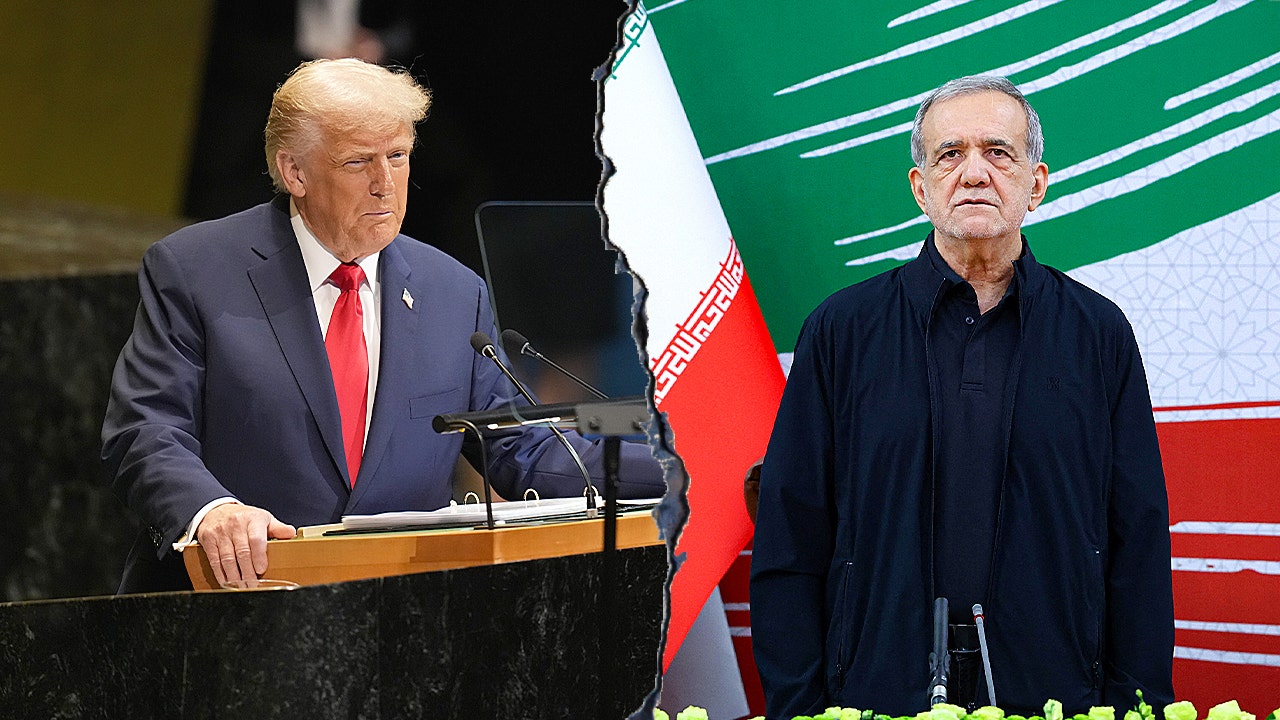
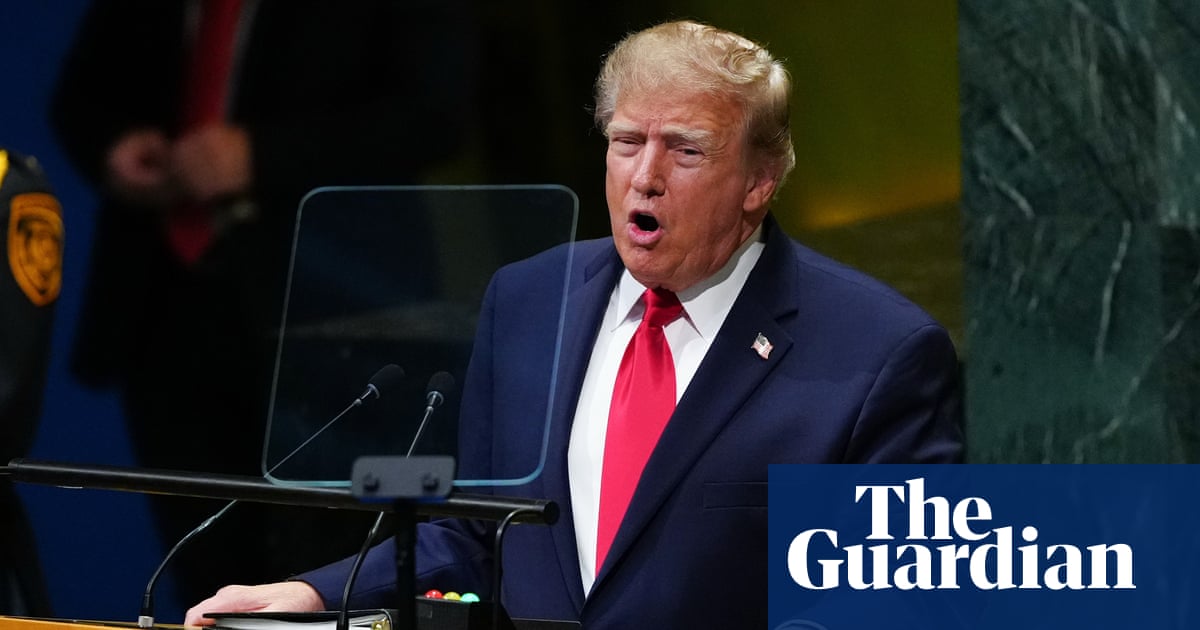
On Tuesday, the US president had told the UN he was weighing whether to “annihilate” Iran, but went on to hail renewed talks between Tehran and Washington’s negotiators.
asserted
he → tell → Tehran
A surprise three-hour meeting between Iran’s foreign minister, Abbas Araghchi, and the US special envoy Steve Witkoff on the sidelines of the assembly the same day was regarded as constructive by both sides.
asserted
meeting → regard → sides
It was the first such meeting since June, but did not stop the US delegation from walking out at the start of Pezeshkian’s speech.
asserted
It → stop → speech
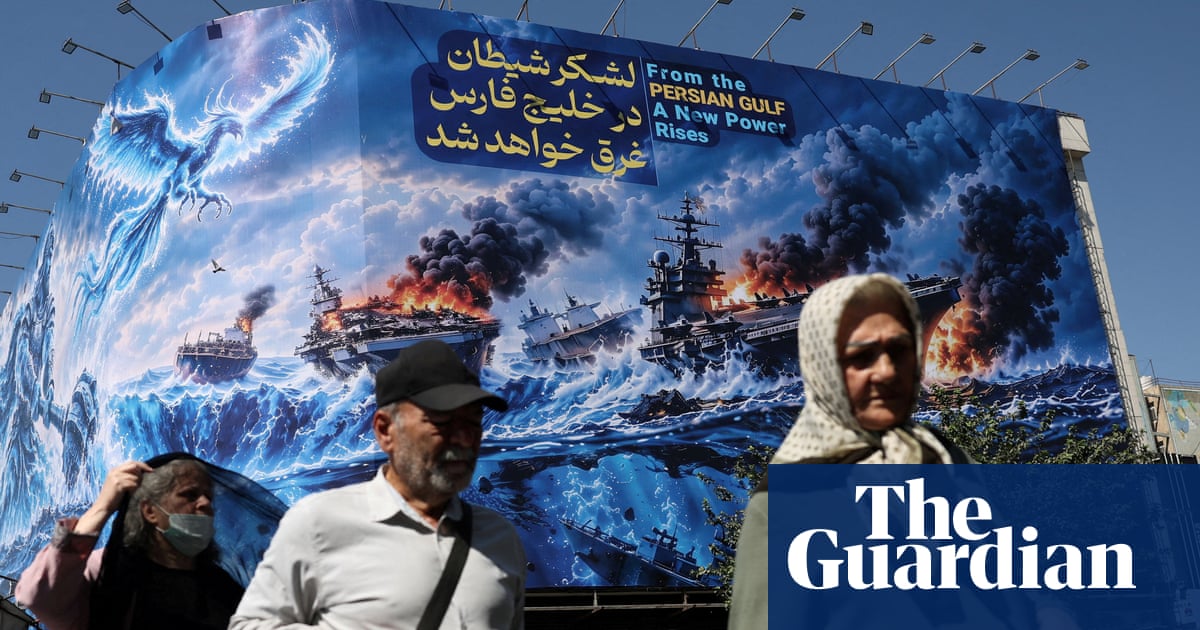
The Iranian president did not go into any details about the talks, but conveyed the impression that he was focused on wining the support of Iran’s Arab neighbours for the proposals Tehran has drawn up for the future of the strait of Hormuz, the vital waterway which has been intermittently blockaded since the start of the war, causing global energy prices to spike.
asserted
prices → go → war
He made it clear that Iran could not tolerate the strait being used to transport arms that could then be used against it, a statement that suggests Iran will demand the right to inspect ships travelling through the strait in the future.
uncertain
Iran → make → future
Iran’s goal, he said, was to live independently.
asserted
he → say → ?
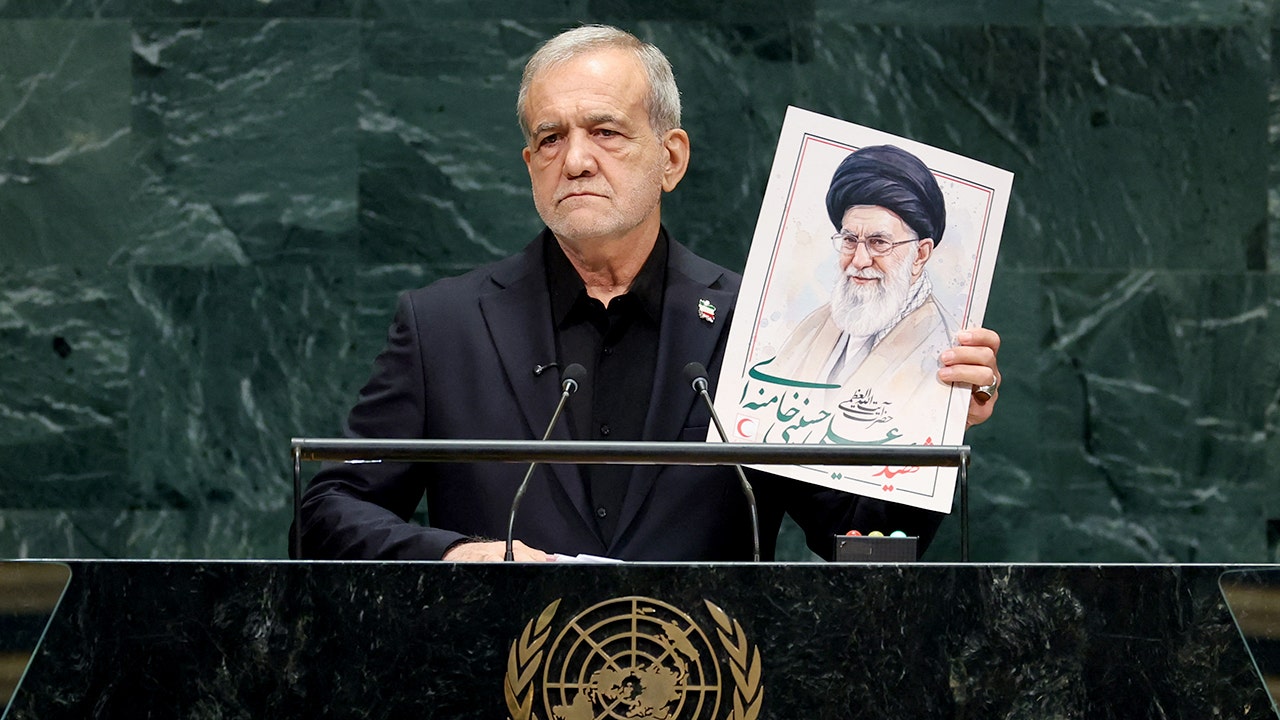
Pezeshkian accused Washington of “terrorism” for assassinating Iran’s former supreme leader Ayatollah Ali Khamenei at the start of the war.
asserted
Pezeshkian → accuse → war
He held up photographs of the dead leader and more than 150 schoolchildren killed in the opening days of the conflict, before insisting Tehran had never started a war.
asserted
Tehran → hold → war
He also insisted Iran had the right to pursue a peaceful civil nuclear programme but did not want to build nuclear weapons.
asserted
Iran → insist → weapons
He repeatedly argued that the answer to regional security lay in agreement within the region and not with outsiders such as the US.
asserted
answer → argue → US
Iran did not see its neighbours as security rivals, he said, but as partners in security.
asserted
he → see → security
“In today’s world, those that are unable to defend themselves will be trampled upon,” he added.
asserted
he → defend → themselves
Iran has repeatedly targeted US allies in the region since the start of the war.
asserted
Iran → target → war
Insisting Iran was the victim of true terrorism, Pezeshkian questioned why “Israel kills, yet Iran is subject to sanction”.
asserted
Iran → insist → sanction
He added: “They kill, we are sanctioned.
asserted
we → add → ?
Iran did not seek special treatment but wanted equal rights.”
asserted
Iran → seek → rights
The leader’s attendance at the UN’s signature diplomatic event, in the heart of Manhattan, had been in doubt as it was unclear whether the US would issue a visa.
uncertain
US → issue → visa
Ultimately Washington granted the permit, but denied visas to several members of Pezeshkian’s entourage.
asserted
Washington → grant → entourage
In Tehran, the foreign ministry spokesperson, Esmail Baghaei, confirmed talks had taken place between the two sides, but appeared not to confirm any shift in the Iranian negotiating position.
He said: “The interaction that took place with the American side was through Qatari mediation.
asserted
that → confirm → mediation
This interaction was aimed at conveying Iran’s conditions, including the end of the war in all its dimensions, the cessation of American aggressive actions, the naval siege, and the economic war, the release of Iranian assets and so on.”
asserted
interaction → aim → assets
Aware of the potential domestic backlash, he added that Iran’s conditions had been conveyed.
asserted
conditions → add → backlash
Iran set seven preconditions before returning to talks, and in a new development over the past 48 hours said the crucial strait of Hormuz could be reopened within seven days if those conditions were met.
uncertain
conditions → set → days
It is likely that the US and the Gulf states would have to accept a navigational route for shipping in the strait of Hormuz that requires commercial shipping to enter through a sea lane mainly in Iranian waters and under Iranian rather than Omani control.
asserted
that → have → control
The fact that the talks lasted three hours suggests some progress was made.
uncertain
progress → last → ?
The US side is under pressure to leverage down oil prices and increase the availability of refined oil before the midterm elections in November.
asserted
side → leverage → November
The latest published figures suggest the number of identifiable tankers making it through the strait is fewer than five a day.
asserted
number → publish → strait
The blockage in the strait is made worse by uncertainty surrounding the control by the Houthis – the Iranian-backed Yemeni paramilitaries – of a second energy transport chokepoint, the Bab al-Mandab strait that leads from the Red Sea into the Indian Ocean.
asserted
that → make → Ocean
There is little sign that Trump wants to relaunch a full-scale war with Iran, or indeed with the Houthis, as Republicans battle to turn the domestic political agenda away from a hugely unpopular conflict that Americans think they are losing.
asserted
they → be → that
Iran is under ever more intense pressure from sanctions, and a US naval blockade is making it nearly impossible for it to export oil, depriving the country of badly needed foreign currency.
asserted
it → make → currency
Iran’s civilian aircraft on Wednesday faced a potential worldwide grounding owing to the threat of US secondary sanctions on any entity that engaged with Iran’s civilian fleet.
asserted
that → face → fleet
Iranian officials negotiated frantically with neighbouring countries to try to maintain an air bridge, but it appears that Oman and Iraq have been forced to close their airspace to Iranian civilian planes.
asserted
Oman → negotiate → planes
 The Aporia