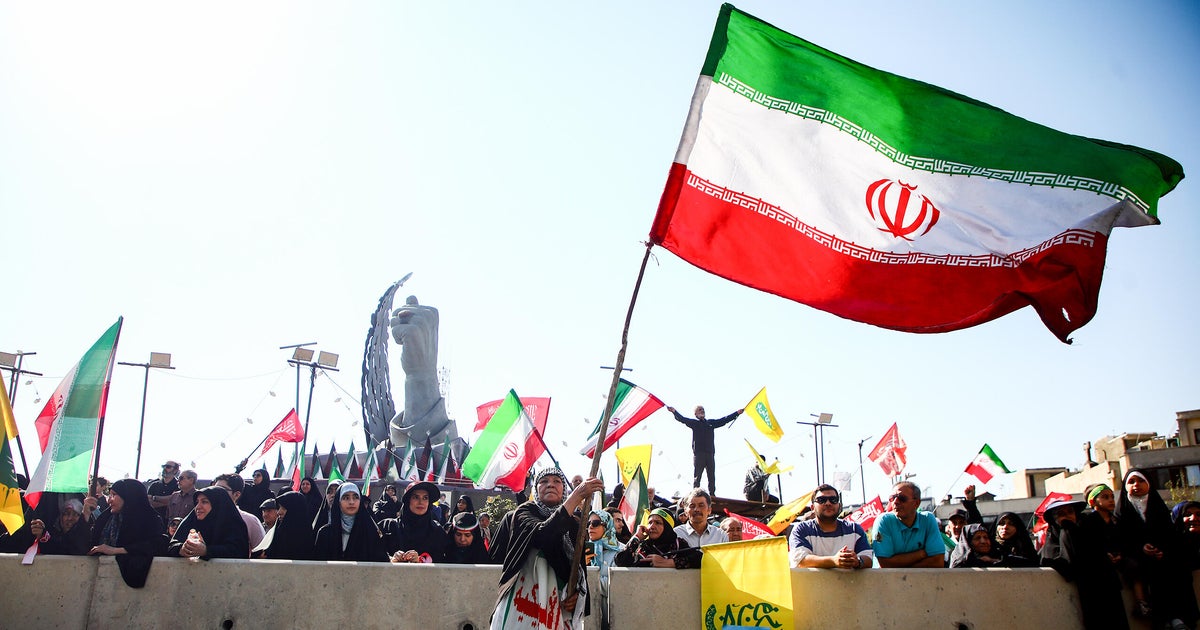
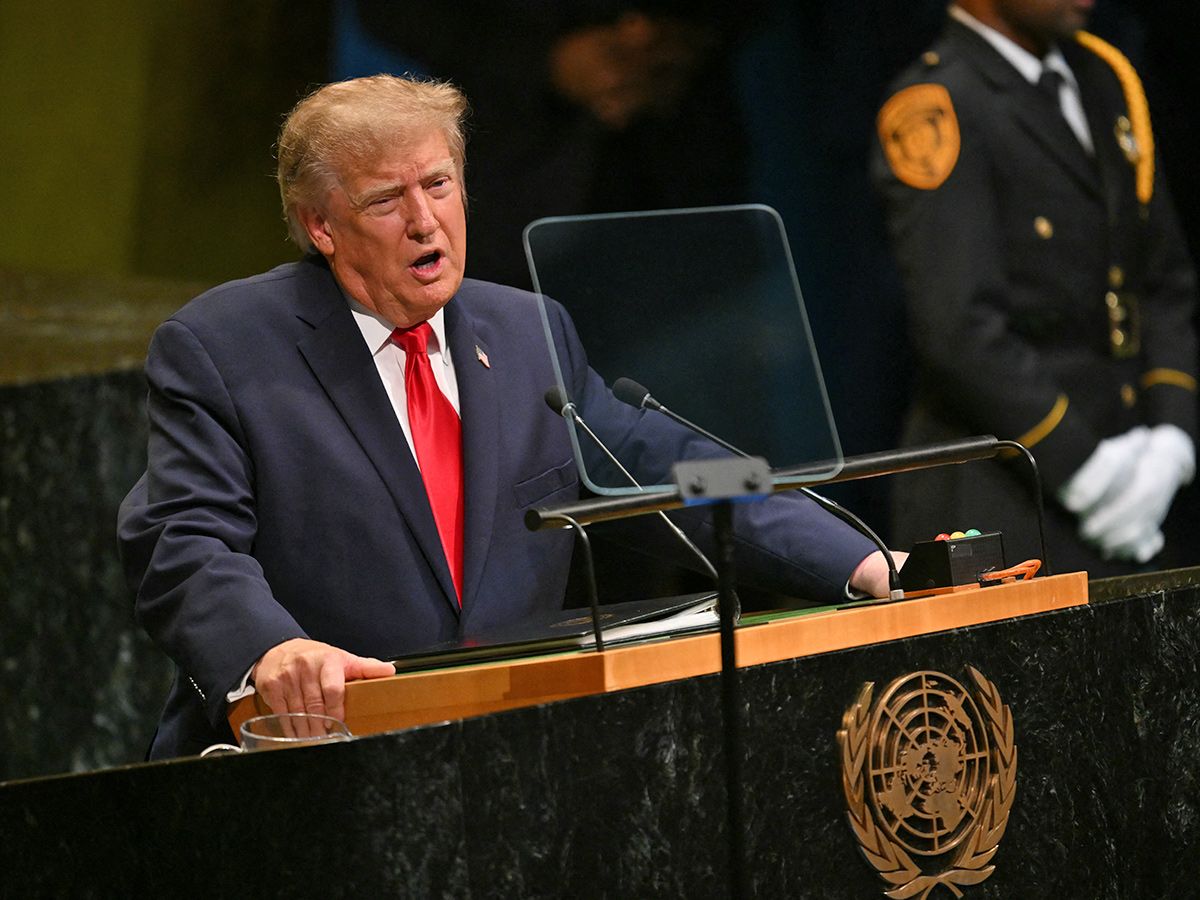
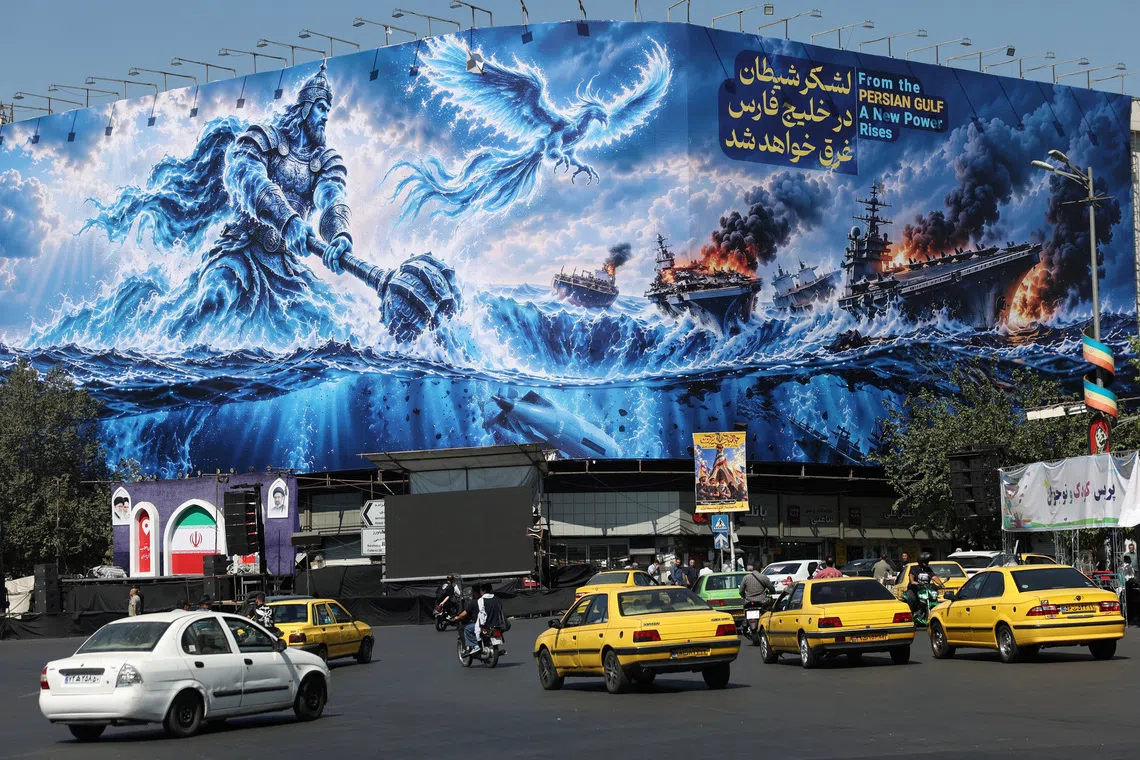
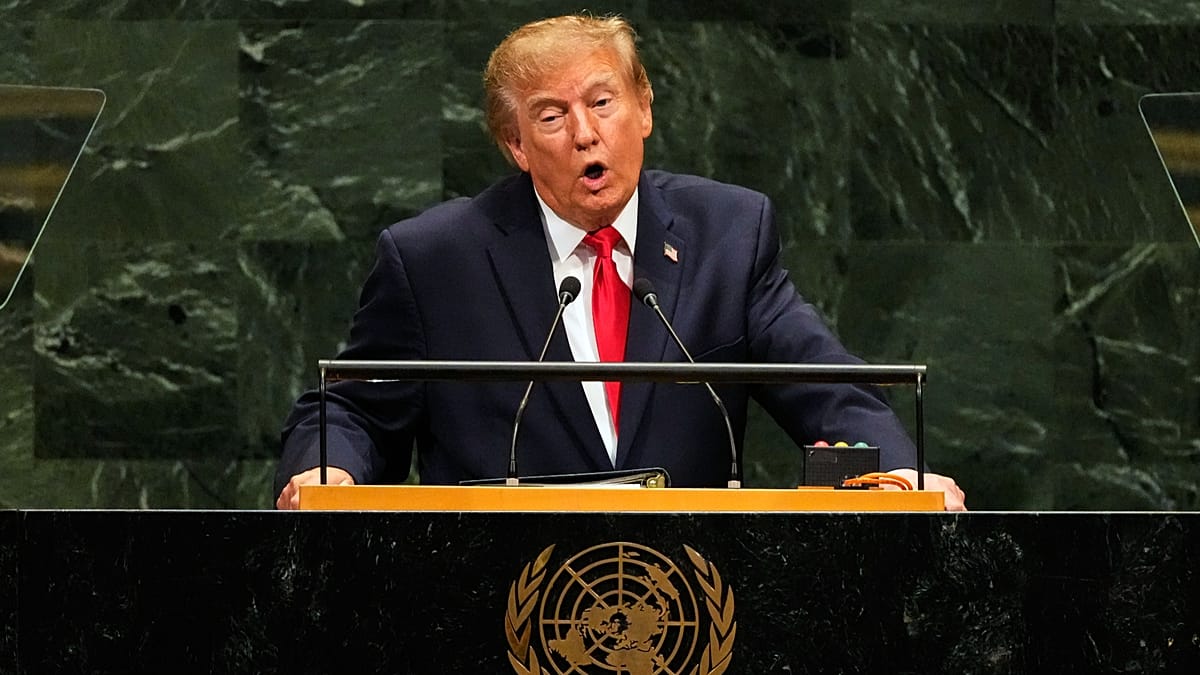
Top Iranian and US officials met in New York at the United Nations to discuss the escalating conflict between their countries, marking the first such talks since June when a ceasefire broke down. The meeting, mediated by Qatar, involved Iran's foreign minister and a US envoy but did not yield any immediate breakthroughs. During his address at the UN General Assembly, President Donald Trump warned of potential military action against Iran if negotiations fail, stating he could "annihilate" the Islamic Republic.
Written locally by qwen2.5:14b on 2026-09-23,
using this article's own text rather than the other coverage of the
same event (that is the story summary below).
Story summary
US President Donald Trump met with Chinese President Xi Jinping, where Xi pressed Trump to adopt Beijing's stance against Taiwan independence, which Taiwan rejected outright. Meanwhile, Taiwan is crucial for global tech and economy due to its leading semiconductor production; TSMC alone produces the majority of advanced chips that power smartphones, AI systems, and more. As Stanford Hoover fellow Eyck Freymann noted, economic disruption from a conflict over Taiwan would be severe.
In unrelated developments, Iranian President Masoud Pezeshkian met with US media at the UN General Assembly, where he denied Iran's nuclear ambitions while offering to dilute its enriched uranium and allow inspections under international law. He also blamed Washington for ongoing conflicts in the Middle East. The International Atomic Energy Agency (IAEA) estimates that Iran has over 440 kilograms of uranium enriched up to 60%, raising concerns despite Pezeshkian's denials.
Taiwan's representative, Ambassador Alexander Yui, clarified during an interview on CBS’s "Face the Nation" that while Taiwan was discussed between Trump and Xi, it wasn't a major focus. He emphasized there has been no change in US policy towards Taiwan amid recent tensions with China.
Written for “Taiwan Iran Us Relations Midterms” on 2026-10-05,
grounded in this article and the 386 other(s) covering the same event.
- Published
Top Iranian and US officials have held talks at the UN in New York on a day when the US leader said he could "annihilate" the Islamic Republic if the conflict went unresolved.
uncertain
conflict → publish → Republic
No breakthrough has been reported from the meeting mediated by Qatar and involving Iran's foreign minister and US President Donald Trump's envoy Steve Witkoff - the first since a June ceasefire unravelled.
asserted
ceasefire → report → minister
Witkoff said a round of discussions had been completed "that we hope will prove constructive and promising".
asserted
we → say → discussions
Iran repeated its demand for the US to end its "acts of aggression".
asserted
US → repeat → aggression
The US and Israel launched air strikes on Iran on 28 February.
asserted
US → launch → February
Iran responded by attacking Israel and US bases in the Gulf and Arab Gulf allies of the US - as well as blocking the Strait of Hormuz.
asserted
Iran → respond → Hormuz
Some 20% of the world's oil and liquefied natural gas used to pass through the strait before the war and its closure has caused wild fluctuations of prices.
asserted
closure → liquefy → prices
It has also increased pressure on Trump to find a way of ending the conflict - particularly as the US heads to Congressional elections in November.
asserted
US → increase → November
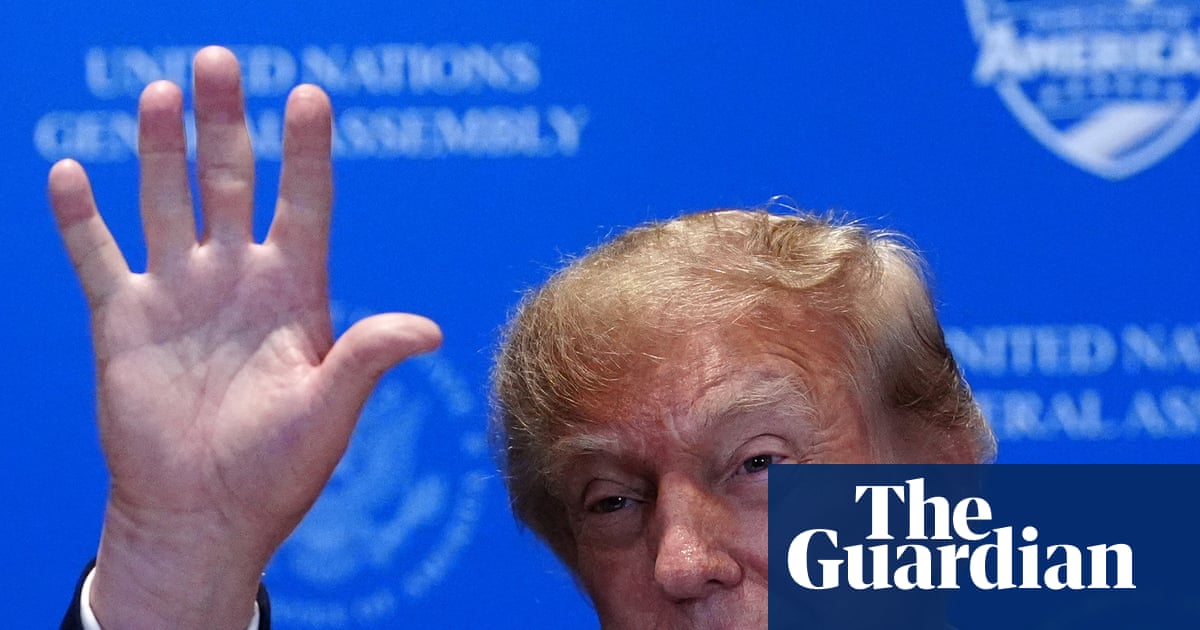
In his address at the annual meeting of the UN General Assembly in New York on Tuesday, Trump began by touting his accomplishments on the economy, immigration, the border and tackling violent crime - remarks that sounded more pitched to voters the US midterms than the diplomats in the hall.
asserted
that → begin → hall
He spent much of his address justifying the war with Iran - a huge contrast with remarks earlier by UN Secretary General António Guterres, who warned global divisions were deepening and underscored the "interdependence" of the world's peoples.
asserted
divisions → spend → peoples
The US president argued that the conflict had prevented Tehran from obtaining a nuclear weapon and demonstrated the value of what he described as peace through strength - ultimatums rather than deal-making or compromise.
asserted
he → argue → making
"Will a deal be made with Iran that lets them rebuild and create a far greater country than it ever was before?" he said.
"Or do I annihilate the Islamic Republic and do it quickly, never giving them a chance to kill and destroy people and countries again?
asserted
I → make → people
Do I drive them into hell?"
asserted
I → drive → hell
Trump said he believed an Iran deal, which has so far eluded him, would come right after November's elections.
asserted
which → say → elections
The remarks were indicative of his foreign-policy strategy of coercive diplomacy - threatening overwhelming force while keeping negotiations open.
asserted
remarks → threaten → negotiations
Trump later told reporters that American officials had had a "very productive" three-hour meeting with the Iranian delegation on the sidelines of the general assembly.
asserted
officials → tell → assembly
Iran state TV confirmed that Foreign Minister Abbas Araghchi had met Witkoff.
asserted
Araghchi → confirm → Witkoff
Iranian foreign ministry spokesman Esmail Baghaei, quoted by state broadcaster IRNA, later said negotiations took part through a Qatari mediator who communicated Tehran's conditions, including an end to the war on all fronts and to US "acts of aggression".
asserted
who → quote → aggression
The BBC asked Witkoff how the meetings had gone as he was leaving the UN building and he responded with a thumbs up.
asserted
he → ask → up
Witkoff later confirmed on X that the talks had been held "through the mediators, who shuttled between the two sides throughout the day".
asserted
who → confirm → day
"They successfully completed a round of discussions that we hope will prove constructive and promising," Witkoff said.
asserted
Witkoff → complete → discussions
"The mediators will continue their work."
asserted
mediators → continue → work
Since the ceasefire collapsed, both sides have intermittently exchanged fire.
asserted
sides → collapse → fire
Iran has attacked vessels it says have attempted to cross the Strait of Hormuz without authorisation.
asserted
it → attack → authorisation
The US has attacked Iranian sites in the strait - as well as Iranian tankers off the country's coast.
asserted
US → attack → coast
The US has also maintained a blockade of Iranian ports, causing a huge disruption to the Iranian economy.
asserted
US → maintain → economy
In an effort to force Tehran to agree a deal to end the conflict, President Trump has also threatened sanctions against any country that continues trading with Iran.
asserted
that → force → Iran
But so far, there has been no indication of a change of course in Iran, which insists the US and Israel end their war, including against the Iran-backed Shia group Hezbollah in Lebanon which Israel has been attacking.
asserted
Israel → insist → which
Yemen's Houthis - also allied to Iran - have recently intesified attacks aimed at disrupting oil shipping from Saudi Arabia, promting an escalation of the conflict with the kingdom.
asserted
attacks → ally → kingdom
 The Aporia