Alberta and Saskatchewan on Wednesday fiercely rejected any suggestion that Ottawa apply export levies on natural resources such as oil and potash in retaliation for steep new U.S. tariffs on Canadian products, as cracks emerge among the country’s leaders over the best way to hit back in the worsening trade war.
asserted
cracks → reject → war
Alberta Premier Danielle Smith and her Saskatchewan counterpart, Scott Moe, in separate press conferences, walked a tightrope on Canada’s battle with the U.S.
They voiced support for Ottawa’s planned dollar-for-dollar countertariff strategy, while simultaneously railing against the idea of using the industries that underpin their economies in the fight.
asserted
that → walk → fight
Prime Minister Mark Carney and his lieutenants, along with the country’s premiers, are trying to project unity after trade talks shattered last Friday and the U.S. imposed 50-per-cent tariffs on $28-billion worth of Canadian goods.
asserted
U.S. → try → goods
Canada fleshed out its retaliation plans Tuesday, with levies targeting roughly 900 items starting Sept. 8.
asserted
Canada → flesh → items
The federal government also outlined a $7.5-billion support package for Canadian workers and businesses dented by the new American tariffs.
asserted
government → outline → tariffs
Alberta and Saskatchewan on Wednesday drew red lines around their natural resources, dismissing arguments that products should be used as weapons in the trade dispute.
“What we, as a province, cannot and will not support is any kind of export tariff on our natural resources,” Mr. Moe told reporters in Prince Albert.
asserted
Moe → draw → Albert
Ms. Smith, who has often lobbied against escalating the trade dispute, told reporters Canada would only be harming itself should it impose export tariffs on oil.
asserted
it → lobby → oil
“I cannot think of a more disastrous policy decision than cutting off or taxing Alberta’s oil to the United States,” she said in Grande Prairie, Alta.
asserted
she → think → Prairie
“Doing so would absolutely devastate the Canadian economy.”
asserted
Doing → do → economy
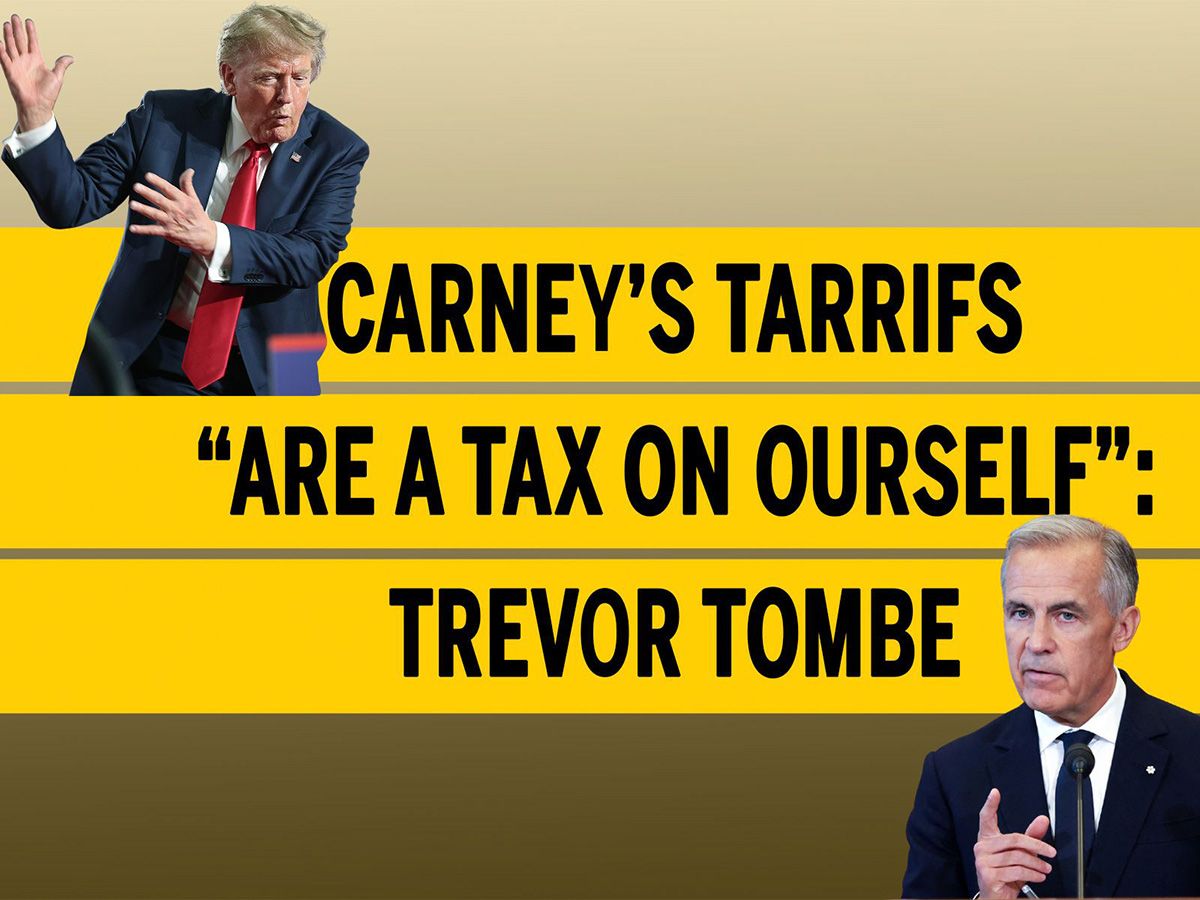
Mr. Carney has previously expressed reluctance to apply export taxes to Canadian oil.
asserted
Carney → express → oil
The new 50-per-cent tariffs apply to only 5 per cent of Canada’s exports to the U.S., and the effect on its gross domestic product is relatively small.
asserted
effect → apply → product
Royal Bank of Canada pegs the impact at 0.4 per cent of GDP, while Capital Economics estimates the fallout at 0.6 per cent.
asserted
Economics → peg → cent
Provinces, save for Alberta nor Saskatchewan, have been boycotting U.S. alcohol for roughly a year.
asserted
Provinces → boycott → year
However, Mr. Moe on Wednesday said because the U.S. imposed a 50-per-cent tariff on Canadian booze, he will introduce a mirroring levy on American alcohol.
asserted
he → say → alcohol
“It will be good for our Saskatchewan producers with domestic and local sales,” he said.
asserted
he → say → sales
Ms. Smith, however, does not have immediate plans to follow Mr. Moe’s example on alcohol, stating only that she would consider suggestions.
Federal Industry Minister Mélanie Joly, speaking to reporters in Calgary Wednesday morning, declined to address whether Ottawa would lean on natural resources in an attempt to inflict pain on the U.S. in the trade war.
asserted
Ottawa → have → war
“We don’t negotiate in public,” she said.
asserted
she → negotiate → public
“We’ve already made important decisions when it comes to countermeasures.”
asserted
it → make → countermeasures
Ontario Premier Doug Ford insisted that “everything is on the table” as far as cutting off or surcharging electricity or critical minerals exports to the U.S.
asserted
everything → insist → U.S.
But he said all provinces, such as Quebec, that send electricity south would have to agree, and that he would follow a “Team Canada” approach.
asserted
he → say → approach
Last year, he briefly imposed a surcharge on Ontario electricity bound for the U.S. but withdrew it after the move attracted the ire of President Donald Trump.
asserted
move → impose → Trump
Mr. Ford has also in the past listed Alberta oil and Saskatchewan potash and uranium as potential bargaining chips.
asserted
Ford → list → chips
He said Ottawa needs to do more to help his province’s tariff-hit steel and auto sectors weather the trade war, and should exempt them from federally required carbon pricing, while also ending tailpipe emissions standards.
asserted
sectors → say → standards
Mr. Ford said he had discussed his demands with Mr. Carney and was “very confident” that the Prime Minister would “correct the issue,” noting U.S. competitors do not face similar carbon pricing policies.
asserted
competitors → say → policies
“We can’t put an additional burden on these companies, or they just won’t exist,” he said.
asserted
he → put → companies
Mr. Ford, Ms. Smith, and Mr. Moe on Wednesday all called for Canadian and American trade negotiators to return to the bargaining table.
asserted
negotiators → call → table
But U.S. Trade Representative Jamieson Greer said the relationship between the two countries is at risk of greater deterioration if Canada makes good on its Sept. 8 countermeasures.
“If there’s further retaliation from the Canadian side, we of course, we’re not going to just sit down and take that,” he said in an interview with CBC News.
asserted
he → say → News
“Our view is … don’t retaliate.
asserted
view → retaliate → ?
But I know how people are feeling in Canada and what they think.
asserted
they → know → what
So … it’s unfortunate, but it is what it is.”
asserted
it → ’ → ?
He said there are currently no “open channels” of communication between the two sides.
asserted
He → say → sides
White House adviser Peter Navarro warned on Wednesday that the deal Canada will ultimately strike with the U.S. will be worse than what was offered last week.
asserted
what → warn → U.S.
“It just is not going to end well for Canada, and I predict that the deal you got, that you turned your nose up, you’re never going to get that deal again,” Mr. Navarro said on C-SPAN.
asserted
Navarro → go → SPAN
“Whatever you get is going to be less than that.”
asserted
get → get → that
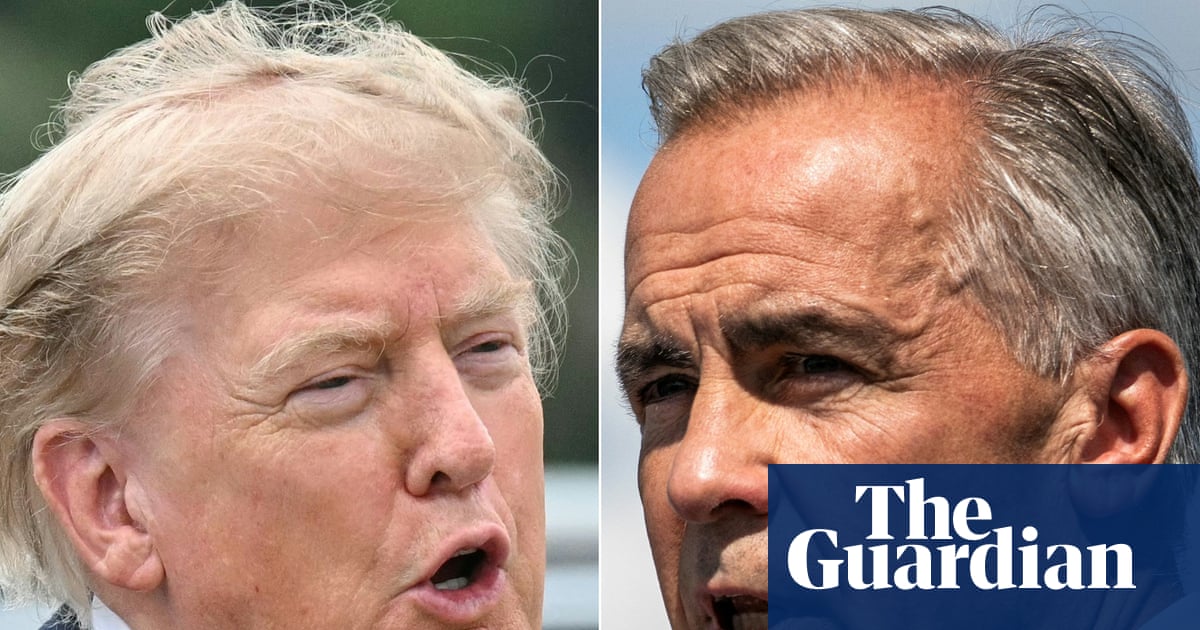
Mr. Trump, in an interview with the Glenn Beck Program, repeated his view that Canada doesn’t have anything that the U.S. needs.
asserted
U.S. → repeat → that
“There are a couple of things that would make it a little inconvenient, but we can get them elsewhere.
asserted
we → be → them
And it’s time to teach Canada you can’t do this any more,” he said.
asserted
he → ’ → this
Mr. Moe, like Ms. Smith, emphasized that he is on board with Canada’s targeted retaliatory tariffs.
asserted
he → emphasize → tariffs
“But only when those tariffs are focused and targeted to have a minimal impact on Canadian industries and families – and a larger impact on our trading partner that we want to bring back to the table,” he said.
asserted
he → focus → table
Mr. Moe faulted the United States for sparking this trade war.
asserted
Moe → fault → war
…and 2 more, not listed.
 The Aporia