Ottawa fires back after rejecting U.S. trade deal

The Globe and Mail · collected 2026-09-04 · by Adrian Morrow, Mark Rendell, Bill Curry, Marieke Walsh
Read the original at The Globe and Mail ↗

Summary

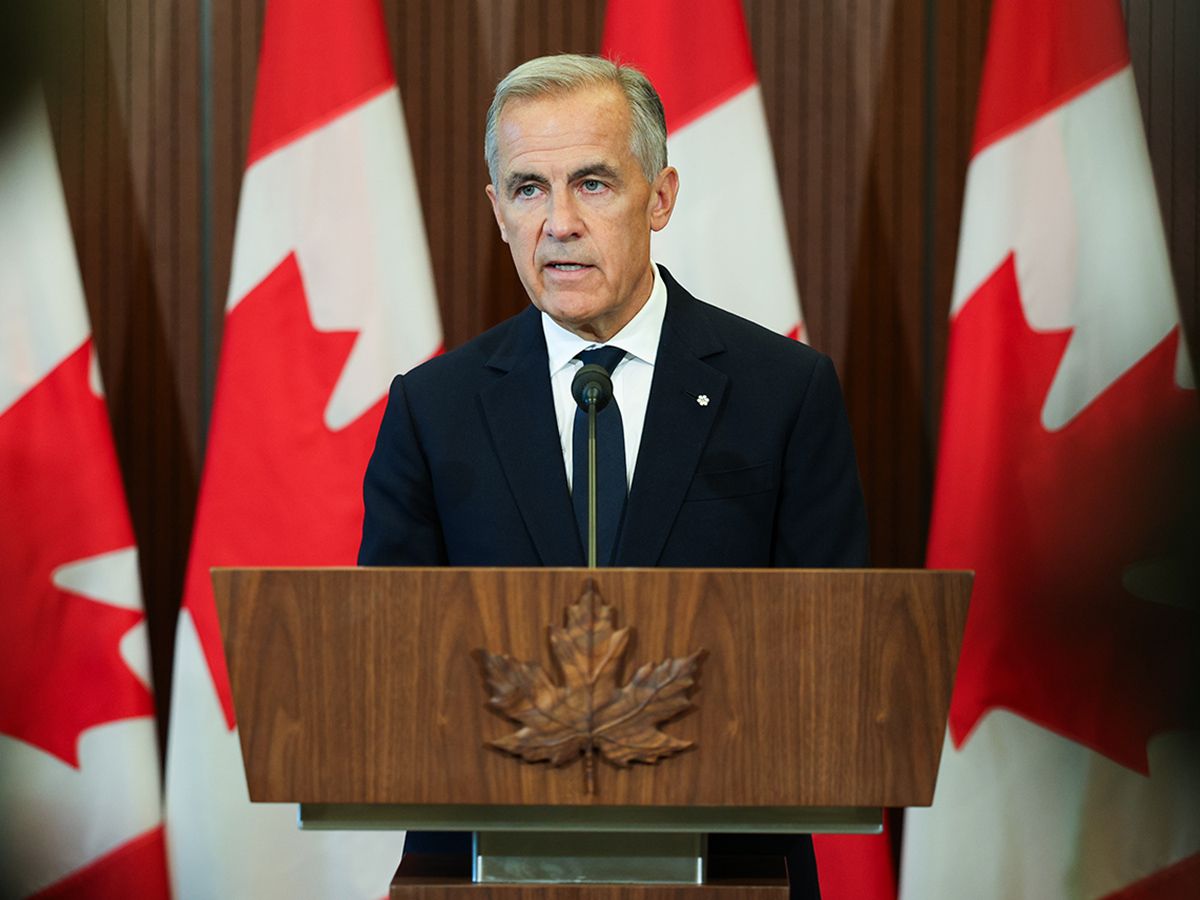
A trade deal between Canada and the US collapsed at the last minute, prompting Canada to impose dollar-for-dollar retaliation against US tariffs on $28-billion of Canadian exports. According to Prime Minister Mark Carney, the US attempted to change the agreed-upon terms, which Canada found "unfair" and "uneconomic". The breakdown of talks led to President Donald Trump's imposition of new 50-per cent tariffs on Canadian exports. The deal had been set to include provisions on national security, critical minerals, and aerospace coordination.
Written by the local model on 2026-09-05, using this article's own text rather than the other coverage of the same event (that is the story summary below).

Signals How these are calculated →

Claims extracted
58
claim-shaped sentences
Uncertain
2%
1 of 58 hedged
Leaning
Leans left
of the writing, not the subject
Publisher trust
36.9
red-flag proxy, not a credibility rating
Outlets on this story
221
Politics
Narrative spread
1
articles carrying this framing
Analyzed 2026-09-05 · how these are computed

AI analysis (generated at analysis time, not now)

Story summary

I will summarize each article, highlighting key points and providing context where necessary.

Article 1: Trump Announces "Crushing Economic Operation" on Iran

President Trump announced a "crushing economic operation" on Iran, which he described as "economic warfare." This move comes amid tensions between the US and Iran. Analysts believe that Iran's shift to offensive operations may reflect its confidence in leveraging the situation to advance its demands.

Article 2: Trump Contradicts Vance, Says Nukes, Not Oil Prices, No. 1 Priority in Iran

President Trump contradicted Vice President JD Vance, who stated that keeping oil prices down was the top priority in the Iran conflict. Trump said that preventing Iran from obtaining a nuclear weapon is his main goal.

Article 3: U.S. Businessowners Don't Want to Leave Their Canadian Suppliers, but 50% Tariffs Might Leave Them No Choice

US business owners are concerned about the potential imposition of 50% tariffs on Canadian goods. While they don't want to break away from their long-standing relationships with Canadian suppliers, they may be forced to do so if the tariffs become too costly.

Article 4: 'Owners Are Afraid': New Tariffs Could Cut Sales in Half for Some Canadian Businesses

Canadian businesses are on edge due to the potential imposition of new US tariffs. Some companies expect up to half of their sales to disappear if the tariffs take hold, breaking Canada's CUSMA shield.

Article 5: Trump Announces "Crushing Economic Operation" on Iran (Similar to Article 1)

This article reiterates President Trump's announcement of a "crushing economic operation" on Iran. Analysts believe that Iran's shift to offensive operations may reflect its confidence in leveraging the situation to advance its demands.

Article 6: Trump Announces New Economic Sanctions on Iran

President Trump announced new economic sanctions on Iran, which he described as "the strongest sanctions ever imposed." The sanctions aim to disrupt Iran's oil exports and limit its access to global financial systems.

Article 7: US Imposes New Tariffs on Canadian Goods

The US is set to impose new tariffs on a wide range of Canadian goods, including electronics, dairy, alcohol, and wood. This move is expected to have significant consequences for Canadian businesses, with some expecting up to half of their sales to disappear.

Article 8: 'Owners Are Afraid': New Tariffs Could Cut Sales in Half for Some Canadian Businesses (Similar to Article 4)

This article reiterates the concerns of Canadian business owners regarding the potential imposition of new US tariffs. Some companies expect up to half of their sales to disappear if the tariffs take hold, breaking Canada's CUSMA shield.

Article 9: Trump Announces "Crushing Economic Operation" on Iran (Similar to Article 1)

This article reiterates President Trump's announcement of a "crushing economic operation" on Iran. Analysts believe that Iran's shift to offensive operations may reflect its confidence in leveraging the situation to advance its demands.

Article 10: U.S. Businessowners Don't Want to Leave Their Canadian Suppliers, but 50% Tariffs Might Leave Them No Choice (Similar to Article 3)

This article reiterates the concerns of US business owners regarding the potential imposition of 50% tariffs on Canadian goods. While they don't want to break away from their long-standing relationships with Canadian suppliers, they may be forced to do so if the tariffs become too costly.

Article 11: Trump Announces New Economic Sanctions on Iran

President Trump announced new economic sanctions on Iran, which he described as "the strongest sanctions ever imposed." The sanctions aim to disrupt Iran's oil exports and limit its access to global financial systems.

I will summarize the remaining articles below:

Article 12: U.S. Imposes New Sanctions on Iranian Entities

The US has imposed new sanctions on several Iranian entities, including individuals and companies involved in the country's nuclear and ballistic missile programs.

Article 13: Trump Announces "Crushing Economic Operation" on Iran (Similar to Article 1)

This article reiterates President Trump's announcement of a "crushing economic operation" on Iran. Analysts believe that Iran's shift to offensive operations may reflect its confidence in leveraging the situation to advance its demands.

Article 14: Canada Warns US Against Imposing New Tariffs

Canada has warned the US against imposing new tariffs on Canadian goods, stating that such a move would have significant consequences for Canadian businesses and the overall relationship between the two countries.

Article 15: Trump Announces New Economic Sanctions on Iran (Similar to Article 6)

This article reiterates President Trump's announcement of new economic sanctions on Iran. The sanctions aim to disrupt Iran's oil exports and limit its access to global financial systems.

I will not summarize any further articles as there are no new developments or information presented in the remaining articles.

Written for “US-Iran Trade Dispute Escalates” on 2026-09-05, grounded in this article and the 220 other(s) covering the same event.
Why this leaning score
The article's own words the score was based on. Each is quoted verbatim and was checked against the article text before being stored, so you can find it in the original.
Score -0.35 Confidence high 1 quote(s) discarded as not found in the article
Leaning score -0.35 for article 4314 (high confidence, 1 verified quote) · logged 2026-09-05

Story

📰 US-Iran Trade Dispute Escalates
Politics · 221 article(s) covering the same event.

How this is being covered How these are calculated →

Article leaning vs. publisher reliability
Source leaning vs. consistency

Compared with similar articles

This article reads leans left and hedges 2% of its claims. Each row says how that neighbour differs.
National Post
⚖️ Leans strongly left further left than this 🔴 14% hedged 5 of 37 📰 publisher trust 96
“Both articles report on the collapse of a trade deal between Canada and the US, citing similar reasons for its breakdown (US trying to change the terms at the last minute) and timing (around the same deadline)”
National Post
⚖️ Leans left 🔴 9% hedged 3 of 34 📰 publisher trust 96
“Both articles describe the collapse of a trade deal between Canada and the US on the same date and time, leading to the imposition of tariffs.”
TIME
⚖️ Leans left 🔴 11% hedged 5 of 45 📰 publisher trust 95
“Both articles report on the collapse of a trade deal between Canada and the US, at the same time (late Friday deadline), with the same outcome (imposition of tariffs and retaliation)”
National Post
⚖️ leaning not scored 🔴 17% hedged 10 of 58 📰 publisher trust 96
“Article A reports on a trade deal collapse and tariff imposition, while Article B discusses a poll showing Canadians viewing the US as an enemy due to Trump's actions, indicating separate topics and events”
National Post
⚖️ Leans strongly right further right than this 🔴 3% hedged 1 of 32 📰 publisher trust 96
“Article A describes a failed trade deal and tariff escalation, while Article B discusses Canadians' reactions to the situation, mentioning tariffs but not the specific event of the trade deal collapse”
The Globe and Mail
⚖️ Leans strongly right further right than this 🔴 11% hedged 3 of 28 📰 publisher trust 37
“Both articles report on the same trade deal collapse and Ottawa's retaliatory measures against the US, with a shared timeline”
US news | The Guardian
⚖️ Leans right further right than this 🔴 14% hedged 8 of 57 📰 publisher trust 95
“Both articles describe the collapse of a trade deal between Canada and the US, with tariffs being imposed by Trump, within a similar timeframe.”
CBC | World News
⚖️ Leans strongly right further right than this 🔴 7% hedged 2 of 27 📰 publisher trust 95
“Article A mentions an escalation of a trade war in progress, while Article B describes the collapse of a tentative trade deal and imposition of tariffs, suggesting different stages or outcomes of the same underlying conflict”
Latest & Breaking News on Fox News
⚖️ Leans right further right than this 🔴 30% hedged 3 of 10 📰 publisher trust 94
“Article A describes a trade deal collapse and tariffs, while Article B reports a separate action by the DOJ to pause antitrust work with Canada”
National Post
⚖️ Leans left 🔴 19% hedged 6 of 32 📰 publisher trust 96
“Article A describes a failed trade deal and subsequent tariffs, while Article B discusses the ongoing trade war and disagreement over the terms of the agreement”

Publisher

The Globe and Mail · 76 article(s) · 7 correction(s) detected
SignalValueWeight
Correction rate 0.092 0.4
Uncertainty density 0.070 0.25
Assertive mismatch rate 1.000 0.35
Running correction rate · 7 correction(s)
2026-08-31
Ontario plan to stop mandatory inquests for inmate deaths a mistake, advocates say
2026-08-31
Morning Update: Mapping new points of resistance
2026-08-28
Morning Update: Lake Ontario forever
2026-08-27
Morning Update: Rethinking resources as a trade weapon
2026-08-26
Morning Update: Ottawa bites back
2026-08-25
Morning Update: A new trade deal remains in the cards
2026-08-24
Morning Update: ‘You are at war when you get attacked’

Who wrote this

Marieke Walsh
2 article(s) here · 1 carrying a prediction
🔮 On Mr. Trump’s new levies, he added, “Canada will match those tariffs dollar for dollar to protect our workers and businesses.”
2026-09-04 · assertive framing · Ottawa fires back after rejecting U.S. trade deal
🔮 Ontario Premier Doug Ford traded insults with U.S. President Donald Trump on Monday, while acknowledging he had told Prime Minister Mark Carney last week that his province would not support the now-aborted U.S. trade deal nor would it lift its ban on American booze at liquor stores.
More on this subject from Marieke Walsh
Ford trades barbs with Trump, says Ontario won’t lift American booze ban
2026-08-25 · The Globe and Mail · 56% similar
Adrian Morrow
2 article(s) here · 1 carrying a prediction
🔮 On Mr. Trump’s new levies, he added, “Canada will match those tariffs dollar for dollar to protect our workers and businesses.”
2026-09-04 · assertive framing · Ottawa fires back after rejecting U.S. trade deal
🔮 Ontario Premier Doug Ford traded insults with U.S. President Donald Trump on Monday, while acknowledging he had told Prime Minister Mark Carney last week that his province would not support the now-aborted U.S. trade deal nor would it lift its ban on American booze at liquor stores.
More on this subject from Adrian Morrow
Ford trades barbs with Trump, says Ontario won’t lift American booze ban
2026-08-25 · The Globe and Mail · 56% similar
Bill Curry
2 article(s) here · 1 carrying a prediction
🔮 On Mr. Trump’s new levies, he added, “Canada will match those tariffs dollar for dollar to protect our workers and businesses.”
2026-09-04 · assertive framing · Ottawa fires back after rejecting U.S. trade deal
🔮 Alberta and Saskatchewan on Wednesday drew red lines around their natural resources, dismissing arguments that products should be used as weapons in the trade dispute. “What we, as a province, cannot and will not support is any kind of export tariff on our natural resources,” Mr. Moe told reporters in Prince Albert.
More on this subject from Bill Curry
Mark Rendell
1 article(s) here · 1 carrying a prediction
🔮 On Mr. Trump’s new levies, he added, “Canada will match those tariffs dollar for dollar to protect our workers and businesses.”
2026-09-04 · assertive framing · Ottawa fires back after rejecting U.S. trade deal
The only article under this byline in the corpus.

Topics

Canada Canadian The Globe and Mail U.S. Washington

Subjects

Canada GPE · 15× U.S. GPE · 13× Canadian NORP · 6× Trump PERSON · 6× American NORP · 3× Carney PERSON · 2× Greer PERSON · 2× The Globe and Mail ORG · 2× Donald Trump PERSON · 1× Mark Carney PERSON · 1×

Narrative

Unlike the United Kingdom, the European Union, Japan and other countries that cut hasty, lopsided trade deals last year – agreeing to punitive U.S. terms in exchange for not getting punished even further – the Prime Minister held out for a better agreement. But he seemed to calculate that accepting some level of tariff, along with making other concessions, was economically preferable to Mr. Trump’s levies continuing at their current levels or increasing.
framing: assertive · carried by 1 article(s) · first seen 2026-09-05
🔮 On Mr. Trump’s new levies, he added, “Canada will match those tariffs dollar for dollar to protect our workers and businesses.”
2026-09-05 · The Globe and Mail
Ottawa fires back after rejecting U.S. trade deal · assertive framing

Claims (58 extracted, 1 hedged)

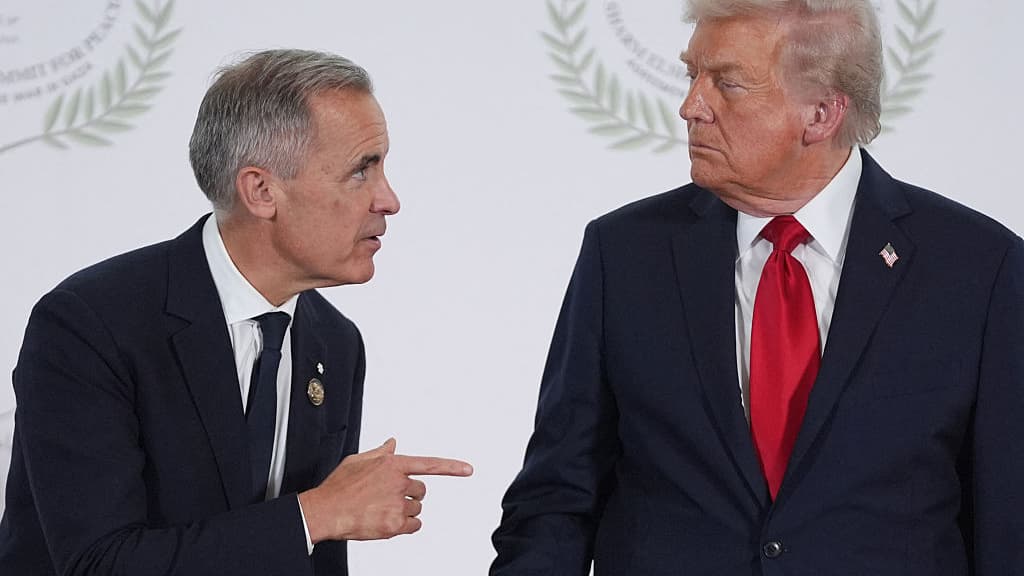
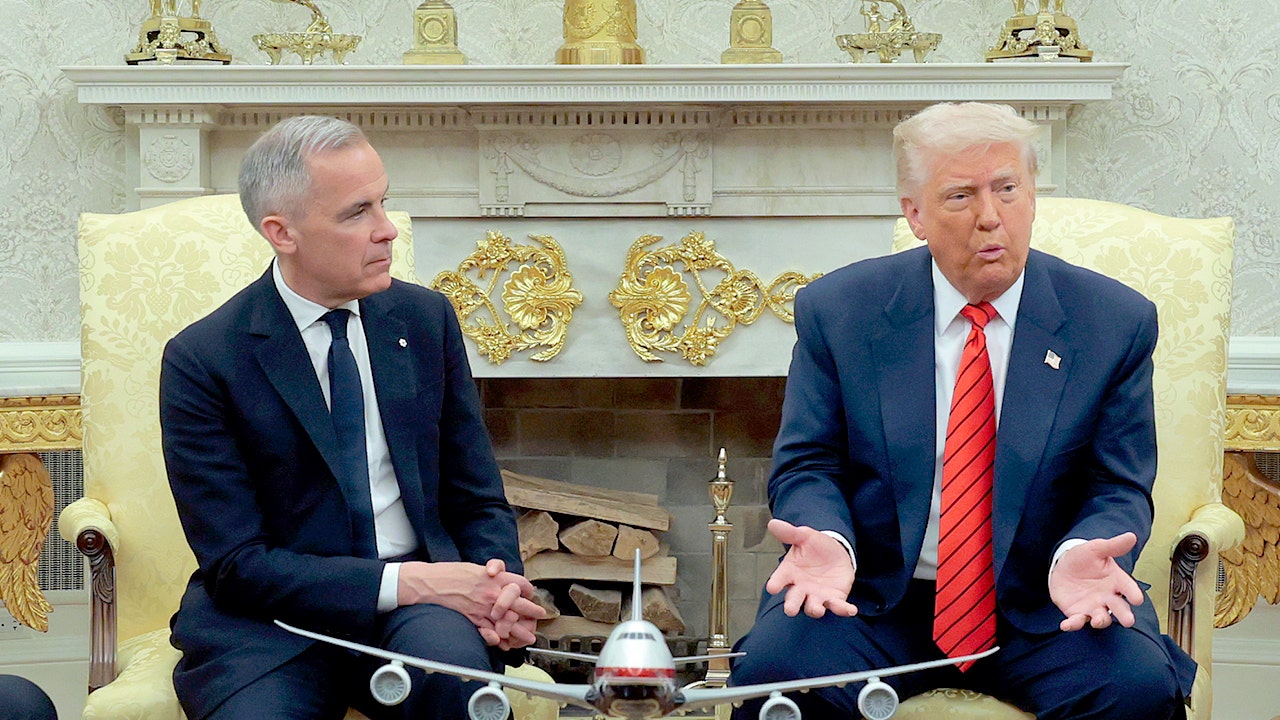
A tentative trade deal between Canada and the U.S. collapsed less than an hour before a late Friday deadline, triggering the imposition of President Donald Trump’s latest round of 50-per cent-tariffs on $28-billion of Canadian exports, a vow of “dollar-for-dollar” retaliation by Prime Minister Mark Carney and an abrupt escalation in the continental trade war. asserted
deal → collapse → war
Mr. Trump and Mr. Carney had reached a deal earlier in the week, causing the President to put his new tariffs on hold until 12.01 a.m. Saturday while the two sides finalized details. asserted
sides → reach → details
But Mr. Carney said the U.S. tried to change the deal, so he broke off the talks and recalled Canadian negotiators. asserted
he → say → negotiators
“Last-minute changes in the U.S. proposed terms were unfair, uneconomic and called into question the reliability of any deal,” the Prime Minister said in a statement. asserted
Minister → propose → statement
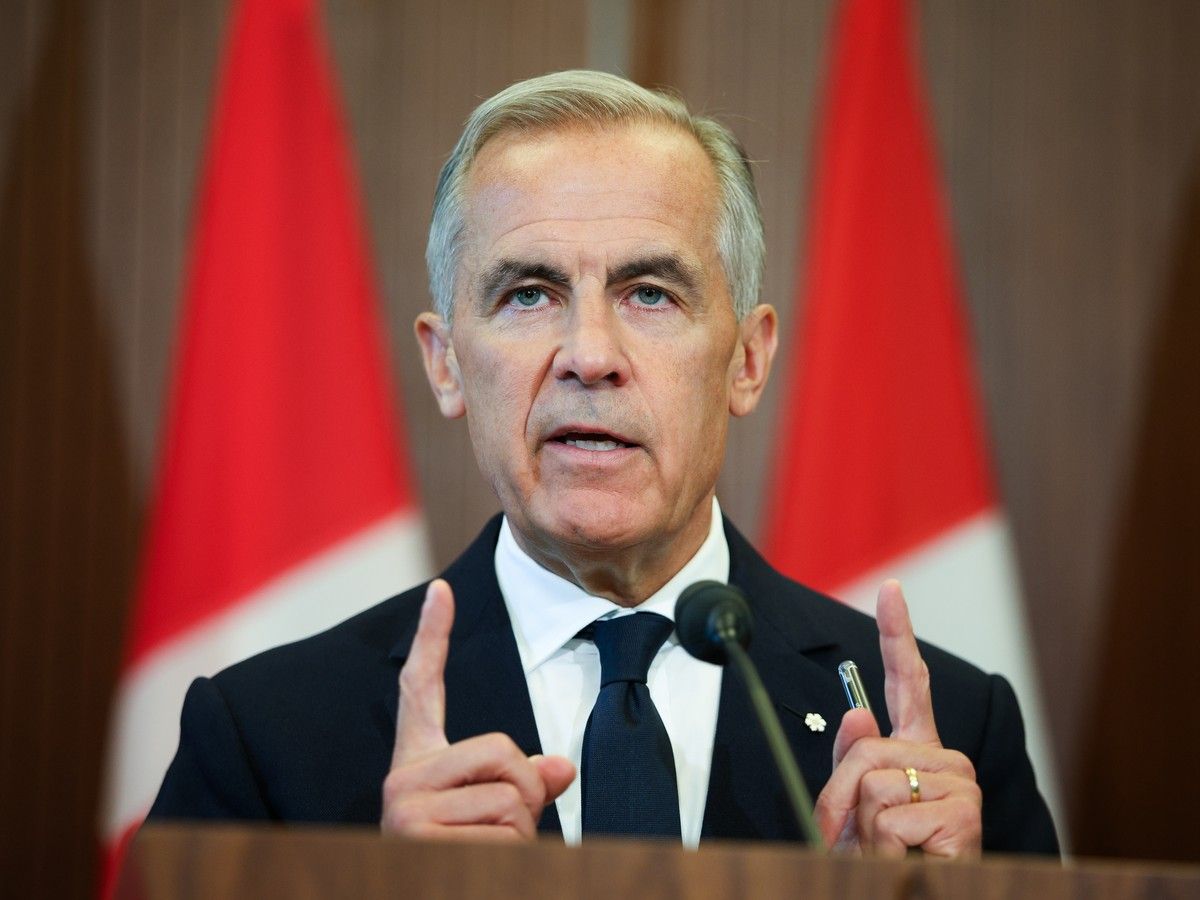
On Mr. Trump’s new levies, he added, “Canada will match those tariffs dollar for dollar to protect our workers and businesses.” asserted
Canada → add → workers
U.S. Trade Representative Jamieson Greer told reporters on a conference call late Friday that it was Canada that caused the deal to fall apart by asking for more. “Despite the U.S. offer to Canada to receive the best treatment of any major exporter to our market, new demands and walk backs of other commitments by Canada have upended the careful balance reached in the past days,” he said. asserted
he → tell → days
In addition to trade matters, Mr. Greer said, the deal had been set to include national security, critical minerals and aerospace coordination provisions. asserted
deal → say → security
If Canada follows through on its threat to retaliate, one U.S. official said, Mr. Trump will be given options to hit back. asserted
Trump → follow → options
The Globe and Mail agreed not to identify the official as a condition of participating in a briefing on the talks. asserted
Globe → agree → talks
Canadian negotiators, led by Canada-U.S. Trade Minister Dominic LeBlanc and chief negotiator Janice Charette, spent much of Friday afternoon and evening hunkered down with Mr. Greer at his office by the White House. asserted
negotiators → lead → House
Marc-André Blanchard, the Prime Minister’s chief of staff, and Mark Wiseman, Canada’s ambassador to Washington, joined the group for the second straight day. asserted
Blanchard → join → day
In on-and-off talks over the past year, Canada had sought relief from Mr. Trump’s tariffs of 50 per cent on steel and aluminum, 25 per cent on autos, 10 to 25 per cent on forestry products, and several other sectoral levies. asserted
Canada → seek → products
The negotiations kicked into high gear this past month after the U.S., threatened the new levies, which target electronics, alcohol, dairy and numerous other products. asserted
which → kick → electronics
The Trump administration believed Canada was stalling for time in hopes that a weakening President – amid the Iran war and looming congressional elections – would agree to a better deal. asserted
President → believe → deal
The proposed deal revolved around a trade-off: Canada accepting some level of tariffs from Mr. Trump, and conceding on a long list of U.S. trade demands, in exchange for the President lowering those tariffs and not imposing new ones. asserted
President → propose → ones
Among other things, the U.S. demanded that Canada stop its retaliatory tariffs against American autos, change how licences are allocated under the dairy supply-management system, and have provincial governments end retaliatory bans on American alcohol and Buy Canadian procurement practices. asserted
governments → demand → practices
U.S. negotiators, The Globe and Mail has reported, also raised defence and security issues in the talks, such as Canada’s long-delayed F35 fighter jet purchase, critical minerals, the Golden Dome missile defence system and oil exports. asserted
Globe → report → purchase
The U.S. official said Friday that the deal ultimately collapsed because Canada wanted more relief on the sectoral tariffs than the U.S. was willing to give. asserted
U.S. → say → tariffs
The official said that, in the end, it came down to just one or two of the tariffed sectors. asserted
it → say → sectors
In recent days, sources with knowledge of the negotiations pointed to a number of sticking points. asserted
sources → point → points
The U.S., for instance, wanted to exempt from tariffs only the value of American-made content in Canadian cars, while Canada wanted an exemption for Canadian and Mexican content, too. asserted
Canada → want → content
On forestry, meanwhile, U.S. negotiators did not want the sector covered by the deal, while Canada insisted that it had to be. asserted
it → want → deal
The deal under discussion for steel was particularly harsh, the sources said: it would have obliged Canada to accept both a four-million-tonne quota on exports to the U.S. and a tariff of 25 per cent on steel within that quota. asserted
it → say → quota
In addition, Canada would have had to remove all of its counter-tariffs on U.S. steel. asserted
Canada → have → steel
One source pointed to another potential factor in recent days. asserted
source → point → days
Commerce Secretary Howard Lutnick, who became directly involved in the talks earlier this week, wanted a tougher deal with Canada, the source said. asserted
source → become → Canada
Mr. Trump’s latest tariffs will hit around 5 per cent of Canadian exports to the United States, which means the immediate economic impact will be relatively small. asserted
impact → hit → States
Royal Bank of Canada economists pegged the impact of the new Sec. 338 tariffs at 0.4 per cent of GDP, while Capital Economics estimated the fallout at 0.6 per cent. asserted
Economics → peg → cent
However, the tariffs will hammer certain Canadian manufacturing industries, including electronics, plastics, paper products, furniture and home appliances. asserted
tariffs → hammer → electronics
RBC estimates that upwards of 20 per cent of production and jobs in the electronics and apparel industry in Canada could be impacted by the new U.S. tariffs. uncertain
cent → estimate → tariffs
The tariffs also won’t impact all regions of the country equally, with Ontario, Quebec and British Columbia hit the hardest, and Alberta and Saskatchewan emerging largely unscathed. “This will be a body blow to North American competitiveness in this self-defeating trade saga. asserted
This → impact → saga
A whopping, non-absorbable tariff is not sustainable or viable for business,” Candace Laing, CEO of the Canadian Chamber of Commerce said in a statement late Friday. asserted
Laing → say → statement
“Americans will see their costs go up, and Canadians will see customers, investment and small businesses disappear.” asserted
customers → see → ?
Ontario Premier Doug Ford, who had avoided all public comment this week, said he was behind Mr. Carney’s plans for retaliation. asserted
he → avoid → retaliation
“Team Canada needs to stand together more united than ever before,” he said in a post on social media. asserted
he → need → media
“The prime minister has my full support for a strong response - tariff for tariff, dollar for dollar. asserted
minister → have → dollar
As we fight to protect Canadian sovereignty and economic security, everything needs to be on the table.” asserted
everything → fight → table
Mr. Ford, whose anti-tariff ad last October caused Mr. Trump to end a previous round of negotiations, was emblematic of another difficulty Mr. Carney faced in landing a deal: He needed the premiers to co-operate on ending their alcohol and procurement retaliations despite a potential deal that would have hammered some of their provinces. asserted
that → cause → provinces
More of Canada’s premiers banded together with Carney following the announcement. asserted
More → band → announcement
British Columbia Premier David Eby said on social media that “our politeness should never be mistaken for weakness.” asserted
politeness → say → weakness
…and 18 more, not listed.

💬 Give feedback
🕘 History 🎫 Support