Canada retaliates in rapidly escalating U.S. trade war
-
asserted
Canada → retaliate → war
Click here to listen to this article -
- Ottawa’s moves come after President Trump announced 50% tariffs on Canadian goods.
-
asserted
Trump → click → goods
Canada’s retaliation might be felt most acutely in border states set to hold midterm elections that could swing control of the U.S. Senate.
uncertain
that → feel → Senate
Canada retaliated against the United States in an intensifying trade war Tuesday by announcing steep new tariffs on roughly $20 billion worth of American goods at the core of the U.S. economy, a sharp escalation between the neighboring allies after trade negotiations between them abruptly collapsed.
asserted
negotiations → retaliate → them
The new duties will hit a variety of American products with tariffs as high as 50%, including steel, dairy products, appliances and farm equipment, and will target items on routine shopping lists, like seafood, cheese, clothing, cosmetics and toilet paper.
asserted
duties → hit → seafood
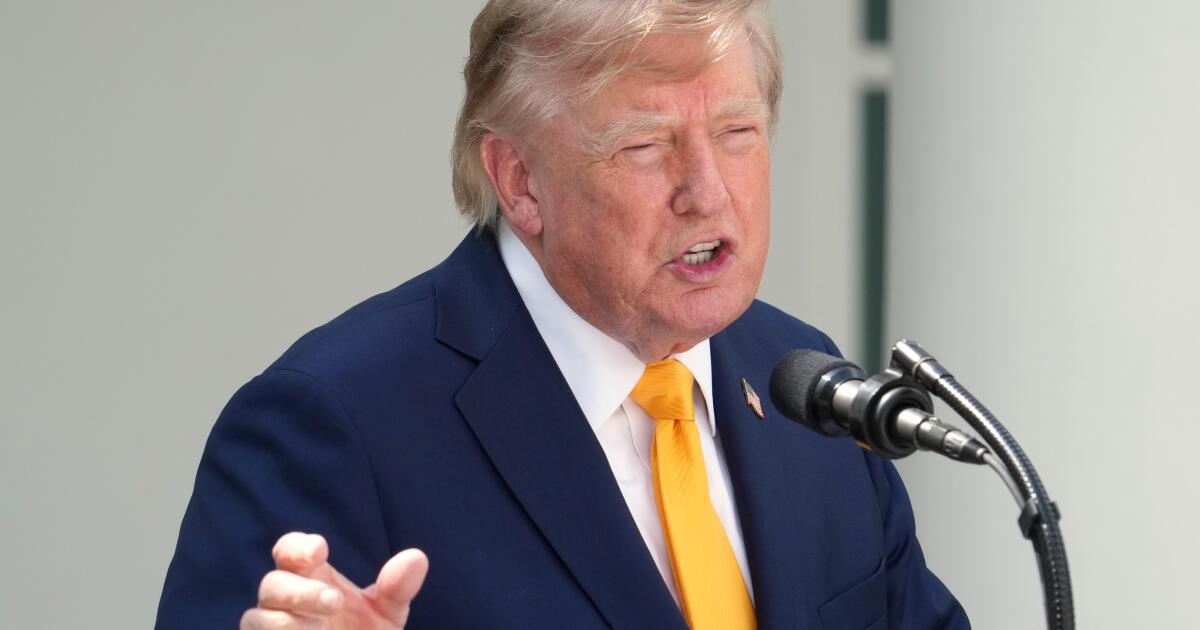
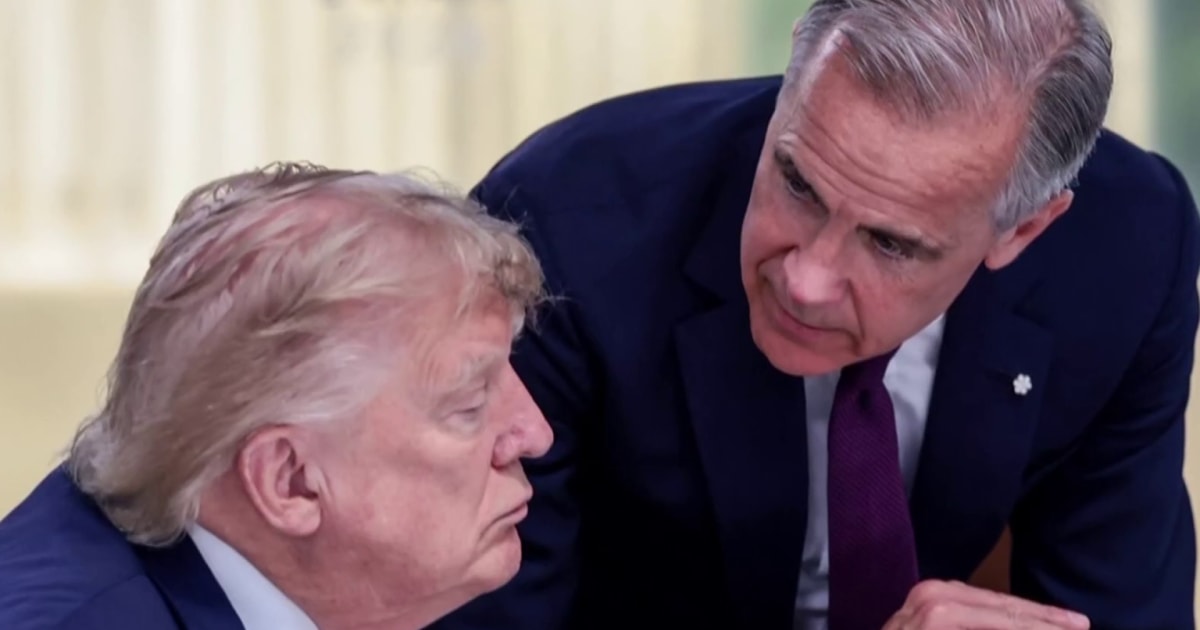
Ottawa’s moves come after President Trump announced 50% tariffs on Canadian goods, warning Canada to “fall in line” in trade negotiations that Canada’s prime minister, Mark Carney, characterized as an attempt to subjugate his country.
asserted
minister → come → country
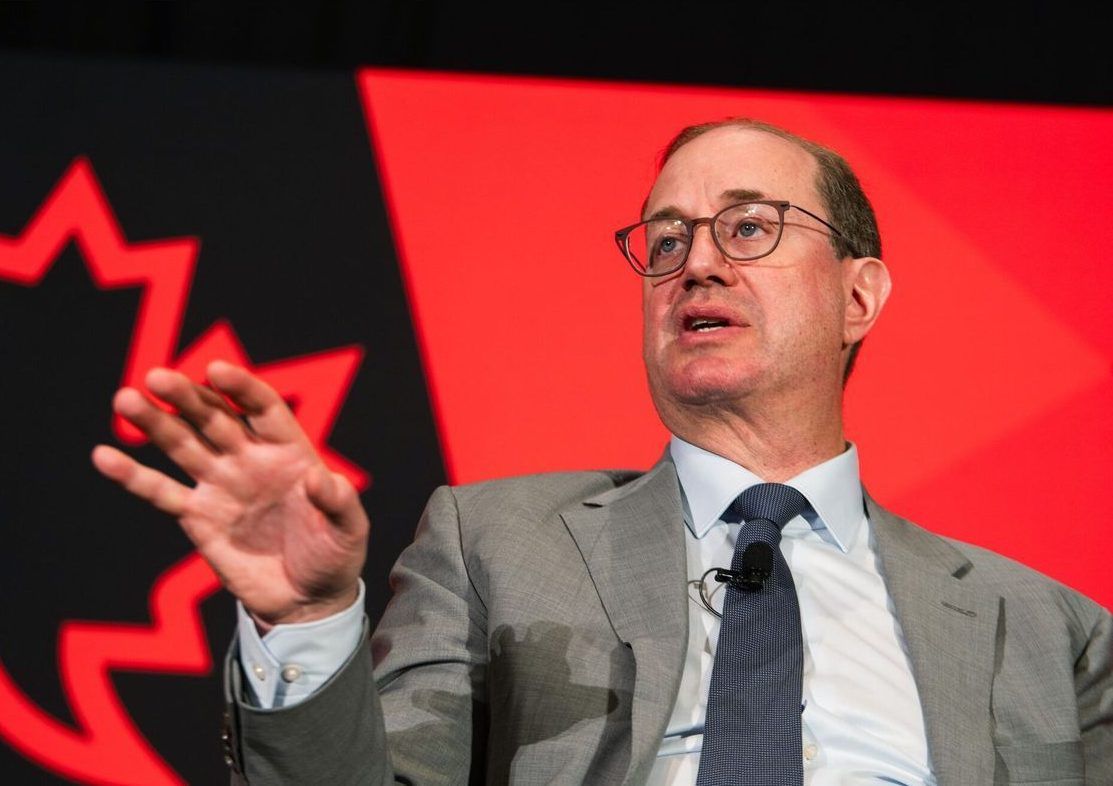
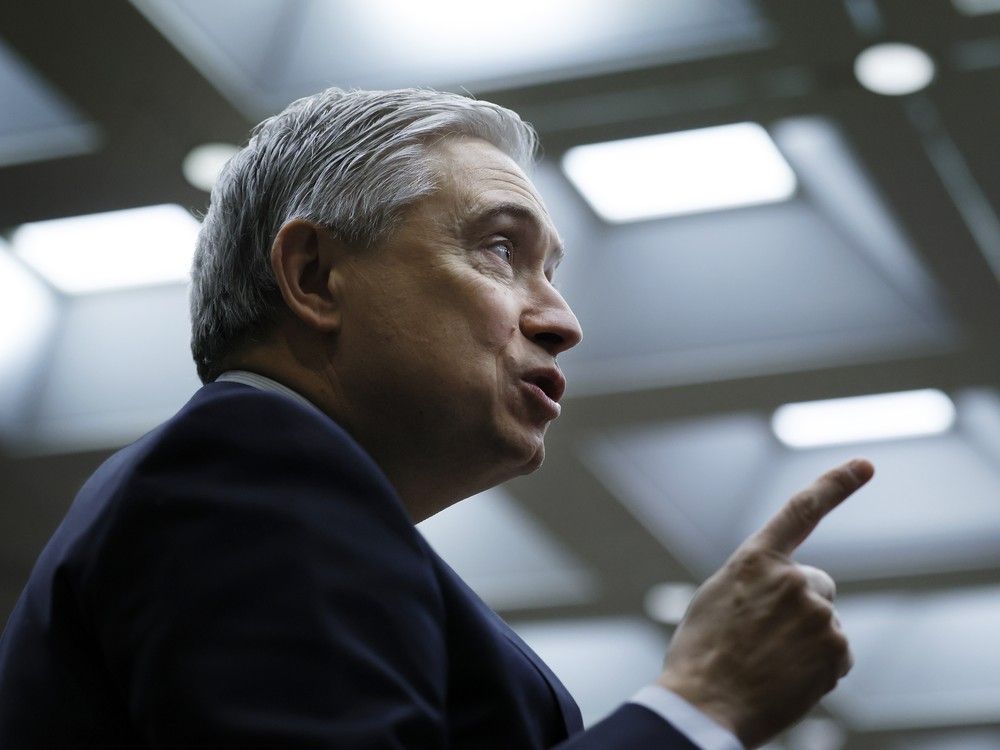
“We did not choose this conflict, but when our economic integration is used as a weapon rather than the foundation for a win-win partnership, we need to stand up,” Finance Minister Francois-Philippe Champagne said in a statement announcing the new measures.
asserted
Champagne → choose → measures
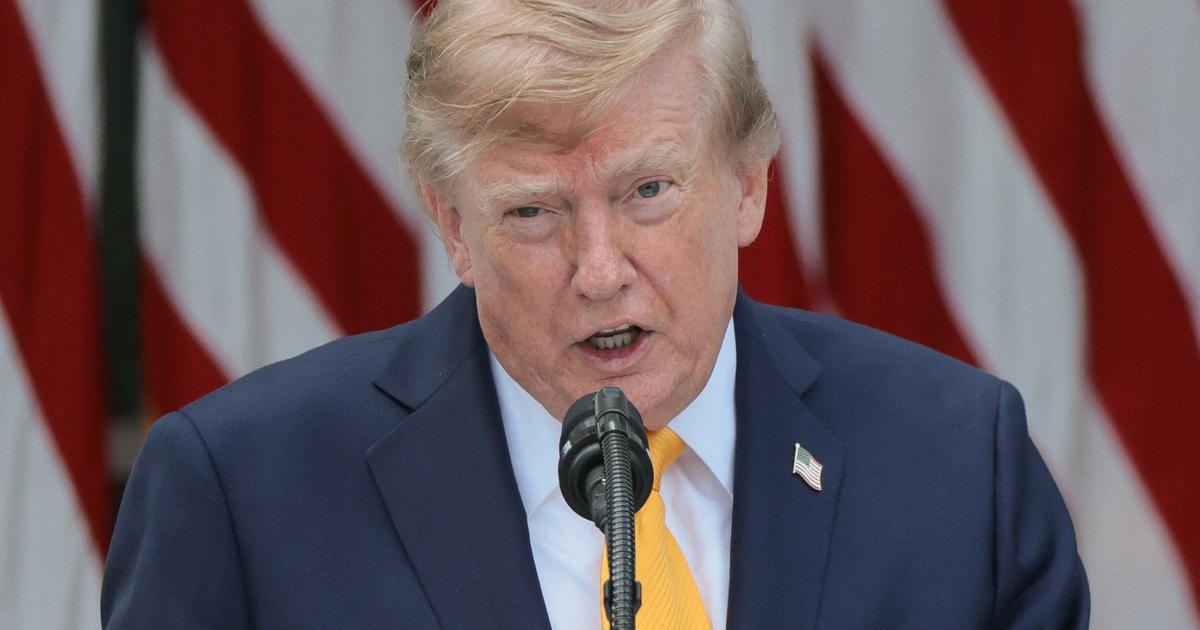
The White House, in a statement, said Canada “has been ripping off the United States for decades,” and that Trump “is done letting them get away with it.”
asserted
them → say → it
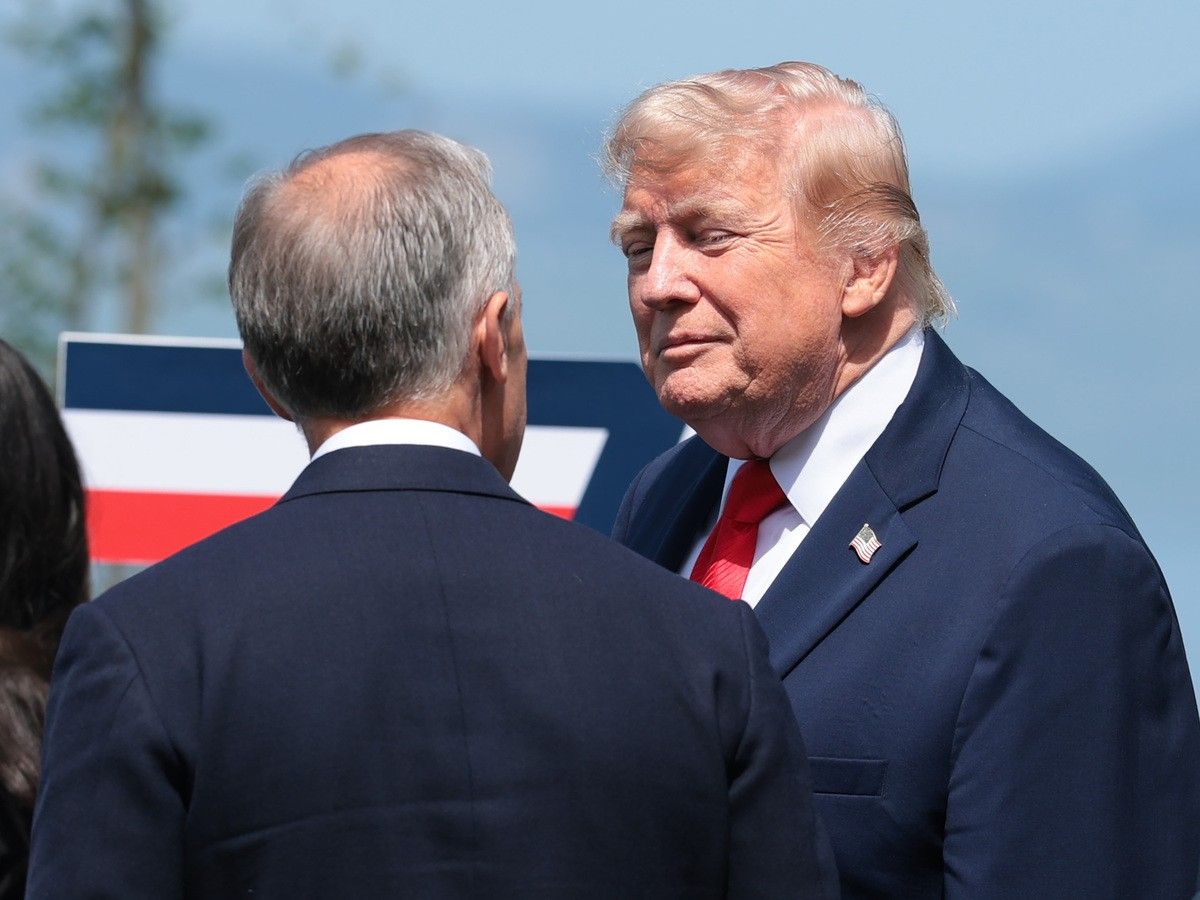
And the president has threatened to escalate even further by targeting Canadian vehicles, auto parts and steel, even warning his administration could begin referring to Lake Ontario — one of the five great lakes bordering Canada and New York — as “Lake America.”
uncertain
administration → threaten → America
After trade negotiations collapsed, President Trump’s 50% tariffs on scores of Canadian imports kicked in over the weekend.
asserted
tariffs → collapse → weekend
A look at what that means.
asserted
that → mean → what
Few nations have hit back as aggressively as Canada in response to Trump’s unwieldy tariff policies, with the exception of China, which engaged the administration in a brief but tense trade war that roiled global markets.
asserted
that → hit → markets
The ramifications may be just as significant, said Mary Lovely, a senior fellow at the Peterson Institute for International Economics.
uncertain
Lovely → say → Economics
“Last year, we bought more from Canada than we did from China,” Lovely said.
asserted
Lovely → buy → China
If we remove energy trade, we run a healthy trade surplus with Canada, benefiting U.S. producers in the Northern tier of states but all throughout the country.”
asserted
we → remove → country
Ottawa’s retaliation might be felt most acutely in border states set to hold midterm elections that could swing control of the U.S. Senate in just a matter of months — a potential calculus of Carney’s government, which could use its leverage to deliver political pain for the president’s party.
uncertain
which → feel → party
“Ohio and Michigan — which both feature close Senate races — will suffer from reduced trade in autos and auto parts,” said Kimberly Clausing, a professor of tax law and policy at the UCLA School of Law.
asserted
Clausing → feature → Law
“Two other states, Alaska and Maine, feature both close Senate races and long-standing close relations across the border.
asserted
states → feature → border
Canada’s leadership has indicated for months a willingness to fight against perceived bullying by the United States.
asserted
leadership → indicate → States
In a speech delivered in January from the World Economic Forum in Davos, Switzerland, Carney caught the world’s attention when he said the postwar economic order dominated by the United States had reached its end, warning that Canada and similar middle powers “cannot live within the lie of mutual benefit through integration when integration becomes the source of your subordination.”
asserted
integration → deliver → subordination
The effect of Canada’s latest tariffs, if imposed, would be a modest dent in a $32-trillion American economy.
asserted
effect → impose → economy
But economists said that strict levies from the second-largest U.S. trading partner could hit pockets of the U.S. economic system particularly hard.
uncertain
levies → say → system
“Trump clearly has festering anger at Carney for his full-throated defense of an international rules-based order at Davos back in January,” said Kenneth Rogoff, an economist and a professor at Harvard.
asserted
Rogoff → have → Harvard
“There is little question that in the short-run, the U.S. can hurt Canada far more than Canada can hurt the U.S.,” Rogoff added, “but if Carney aims his tariffs strategically — and I expect he will — it still could hurt a lot.”
uncertain
it → be → lot
On Monday, explaining Canada’s decision to reject ongoing trade talks with Washington, Carney accused the administration of taking “an attitude at the negotiation table that Canada is a subsidiary of the United States.”
asserted
Canada → explain → States
“We learned during the negotiations that the Americans want to destroy our major industries, including autos, steel and aluminum,” Carney said.
asserted
Carney → learn → autos
“That was one of the main reasons we said no.
asserted
we → say → reasons
Since the U.S. assassination of Iran’s Ayatollah Ali Khamenei, Iranian media have on multiple occasions circulated content threatening the president and his family members.
asserted
media → circulate → president
Sung Won Sohn, an economist and a former commissioner at the Port of Los Angeles, said the new tariffs will result in higher U.S. prices on a handful of high-profile goods.
asserted
tariffs → say → goods
But the effects will be felt particularly acutely in those industries, at a time when Americans already feel negatively about the state of the U.S. economy.
asserted
Americans → feel → economy
“U.S. sellers and exporters, such as farmers, will have lower sales in Canada, and some sectors of the economy will hurt badly and bear the brunt of the pain,” Sohn said.
asserted
Sohn → have → pain
“Both Canada and the U.S. have inventories, and so those have to be sold first — and this tit for tat has been going on for some time, so inventories might be higher than normal.
uncertain
inventories → have → time
Whether Trump’s threats will materialize into a long-term strategy remains to be seen.
asserted
materialize → materialize → strategy
The most intensive phase of the president’s trade war with China — during which U.S. tariff rates on Chinese goods reached 145%, with retaliatory Chinese rates reaching 125% — lasted 40 days before a truce was called in May 2025.
uncertain
truce → reach → May
“Trump’s gone back on his word so many times on tariffs, no one knows what to believe anymore,” said Aaron Klein, chair of economic studies at the Brookings Institution.
asserted
Klein → go → Institution
“One of the reason Canada and other countries have stopped negotiating with Trump is that he changes his stance every day.”
asserted
he → stop → stance
“Maybe he can manipulate the stock market so insiders with information about his next tweet can profit,” Klein added.
asserted
Klein → manipulate → tweet
“But the real economy isn’t swinging wildly around on today’s tariff threat, tomorrow’s chicken out, or next week’s ‘tariffs are back on again.’”
asserted
tariffs → swing → threat
 The Aporia