Yesterday, Donald Trump imposed 50% tariffs on numerous Canadian imports through the use of Section 338, a provision from the Smoot-Hawley Tariff Act of 1930 that has been superseded by new legislation. The article argues that this move is an illegal usurpation of congressional authority and will likely face legal challenges, citing previous court cases where similar tariff attempts were struck down. According to the text, Trump's tariffs do not meet requirements for invoking Section 338, and the author expects courts to continue striking down "power grabs" by the administration. The article notes that the use of illegal tariffs has caused significant harm to the US economy and relationships with key allies.
Written by the local model on 2026-08-24,
using this article's own text rather than the other coverage of the
same event (that is the story summary below).
Story summary
Here are the articles grouped by topic:
Iran War
- Article 5: Trump announces "crushing economic operation" on Iran with talks in limbo
- Summary: President Trump announced a "crushing economic operation" on Iran, which analysts say could reflect Tehran's belief it holds leverage to advance its demands and break the stalemate.
- Article 6: Trump contradicts Vance, says nukes, not oil prices, No. 1 priority in Iran
- Summary: President Trump contradicted Vice President JD Vance on Twitter, saying that preventing Iran from getting a nuclear weapon is the top priority, not keeping oil and gas prices down.
Trade Tariffs
- Article 7: U.S. businessowners don't want to leave their Canadian suppliers, but 50% tariffs might leave them no choice
- Summary: US business owners are worried that 50% tariffs on Canadian goods could force them to break ties with long-standing Canadian suppliers.
- Article 8: 'Owners are afraid': New tariffs could cut sales in half for some Canadian businesses
- Summary: Canadian businesses are bracing themselves for the potential impact of new US trade tariffs, which could lead to a significant drop in sales.
Other
- Article 1: Trump announces "crushing economic operation" on Iran with talks in limbo (same as Article 5)
- Article 3: Trump contradicts Vance, says nukes, not oil prices, No. 1 priority in Iran (same as Article 6)
Note that some of the article summaries are quite similar, and it may be worth combining or rephrasing them to reduce duplication.
Written for “US-Iran Trade Dispute Escalation” on 2026-08-31,
grounded in this article and the 192 other(s) covering the same event.
Why this leaning score
The article's own words the score was based on. Each is quoted
verbatim and was checked against the article text before being
stored, so you can find it in the original.
Leaning score -0.75 for article 2019 (high confidence, 2 verified quotes) · logged 2026-08-28
Mostly law professors | Sometimes contrarian | Often libertarian | Always independent
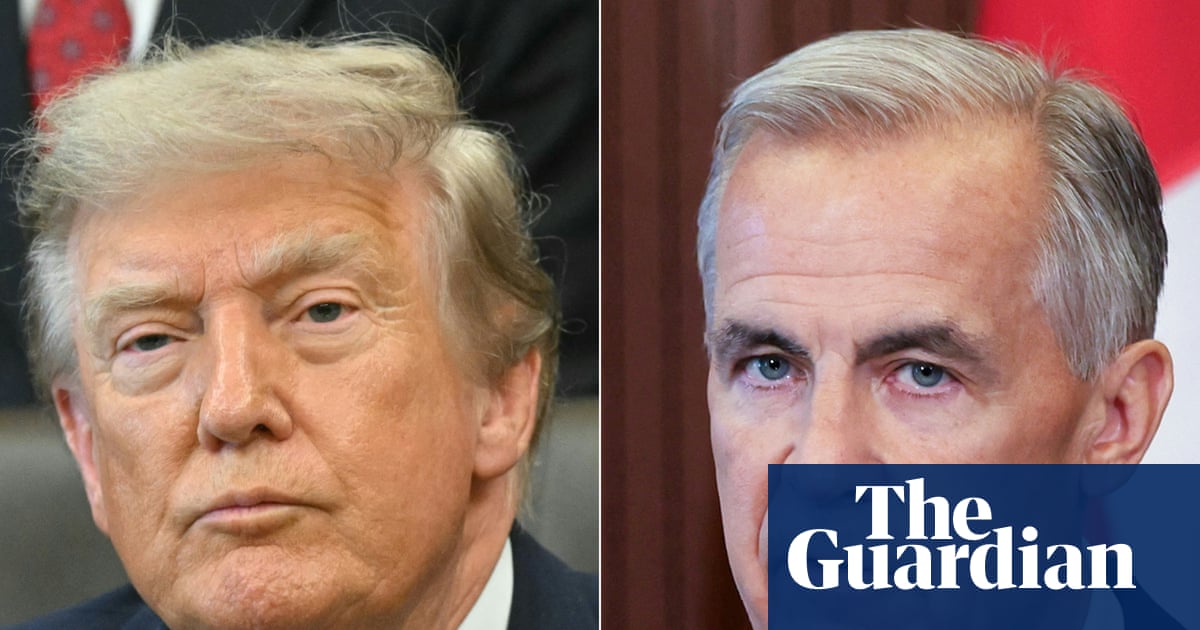
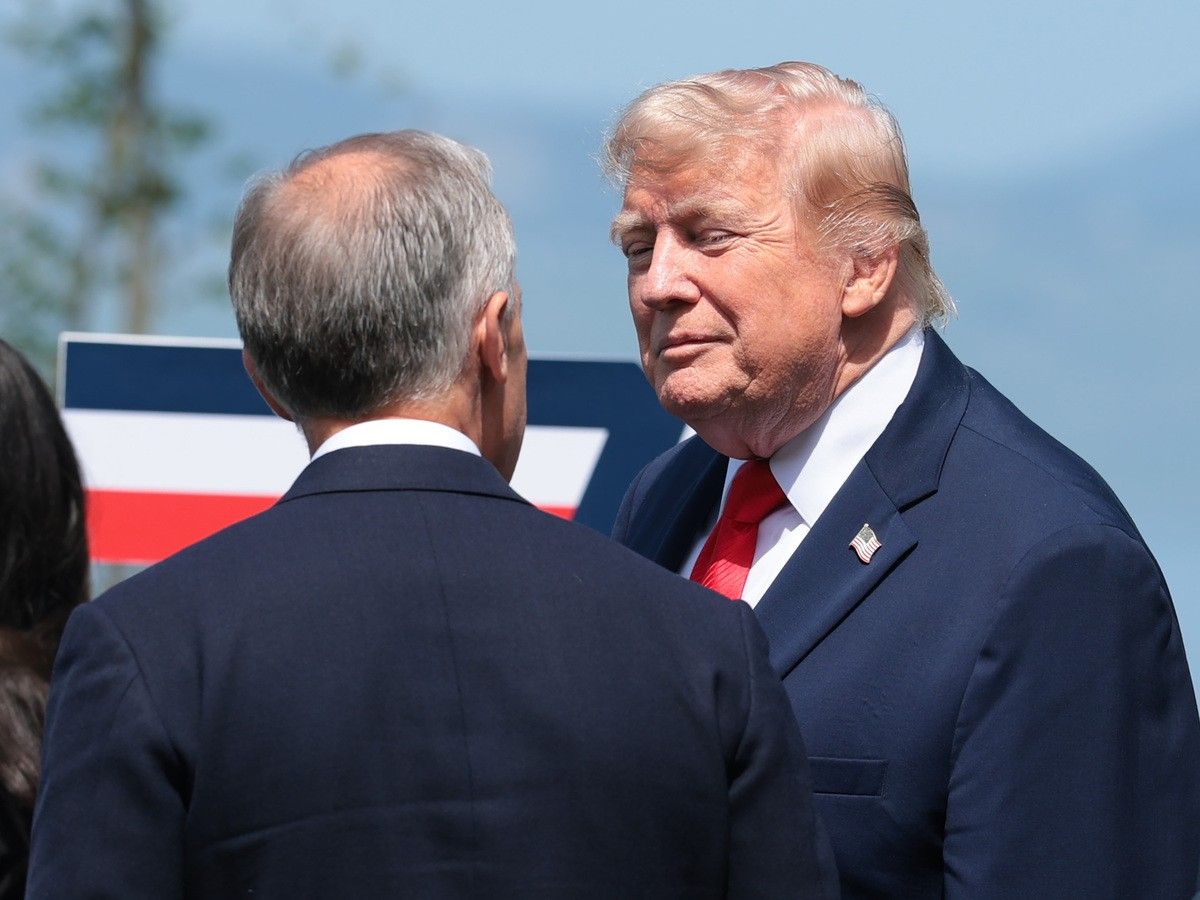
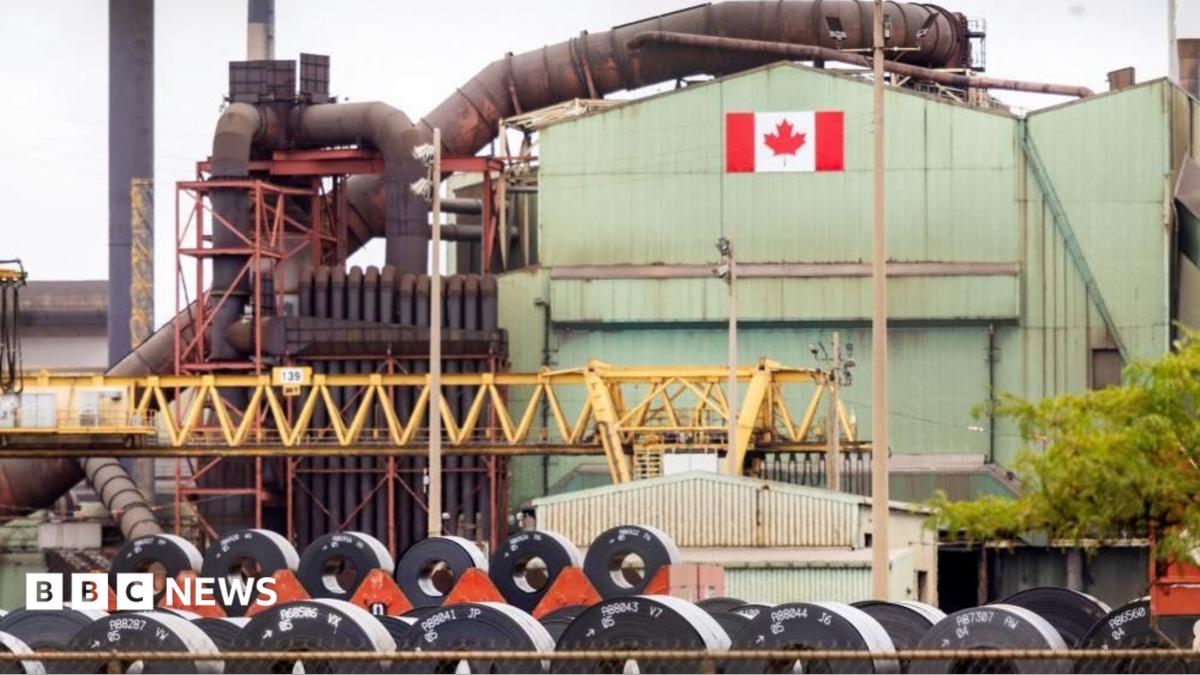
Yesterday, Donald Trump imposed massive 50% tariffs on numerous Canadian imports after trade negotiations with Canada broke down, largely due to the Trump administration's insistence on maintaining earlier 50% tariffs on Canadian aluminum products and other goods.
asserted
negotiations → impose → products
Section 338 was a part of the notorious Smoot-Hawley Tariff Act of 1930, which gravely exacerbated the Great Depression.
asserted
which → exacerbate → Depression
In a previous post, I summarized the reasons why Section 338 tariffs are an illegal usurpation of congressional authority by the president.
asserted
tariffs → summarize → president
As Philip Zelikow of the conservative Hoover Institution explained in a guest post here at the VC blog, last year, Section 338 was superseded by new legislation enacted in 1962 and 1974, and is therefore defunct.
asserted
Section → explain → 1962
For that reason, it has not been used to impose tariffs since at least the 1940s.
asserted
it → use → 1940s
In a more recent guest post, Georgetown University trade law specialist Peter Harrell explained why the then-planned Canada tariffs are illegal even if Section 338 is not defunct.
asserted
Section → explain → post
Trump's tariffs don't meet various requirements for invoking the law.
asserted
tariffs → meet → law
I expect there will be legal challenges to these tariffs, and those challenges will deserve to prevail.
asserted
challenges → expect → tariffs
This is the latest of a series of efforts by Trump to usurp congressional tariff authority and impose harmful and dangerous trade restrictions that damage the US economy and poison relations with key allies and trading partners, of which Canada is one of the most important.
asserted
Canada → usurp → important
These usurpations include the International Emergency Economic Powers Act (IEEPA) tariffs struck down by the Supreme Court in February, in a case I helped bring, the Section 122 tariffs invalidated by the US Court of International Trade in April (the case has been appealed, and his massive new Section 301 tariffs imposed on the bogus pretext of combating "forced labor."
asserted
case → include → labor
Courts should continue to strike down these power grabs.
asserted
Courts → continue → grabs
And, as I explained in my recent Dispatch article on the Section 301 tariffs, they should learn from previous mistakes, and refuse to stay injunctions imposed against illegal tariffs:
Judges can reduce the damage caused by illegal tariffs if they refuse to stay initial rulings blocking them.
asserted
they → explain → them
The Federal Circuit's stay of the initial ruling against the IEEPA tariffs enabled the Trump administration to collect some $166 billion in illegal tariff payments, greatly increasing the harm caused by the policy.
asserted
stay → enable → policy
Much of the harm caused by illegal tariffs—including lost sales, investment opportunities, and higher prices paid by consumers—cannot be fixed by giving tariff refunds later.
asserted
Much → cause → refunds
And, as the IEEPA experience shows, even the refunds themselves are not a given.
asserted
refunds → show → ?
Billions remained unpaid five months after the Supreme Court's decision, and the Trump administration is trying to avoid refunding some of the money.
asserted
administration → remain → money
Blocking illegal tariffs quickly can also help reduce the damage to US credibility and relations with trading partners.
asserted
Blocking → block → partners
I would add that Trump's ridiculous trade war with Canada has poisoned relations with one of America's closest and most important allies, and made traditionally friendly Canadian public opinion overwhelmingly hostile to the US.
asserted
opinion → add → US
Damaging our economy and undermining our alliances isn't Making American Great Again.
asserted
American → damage → alliances