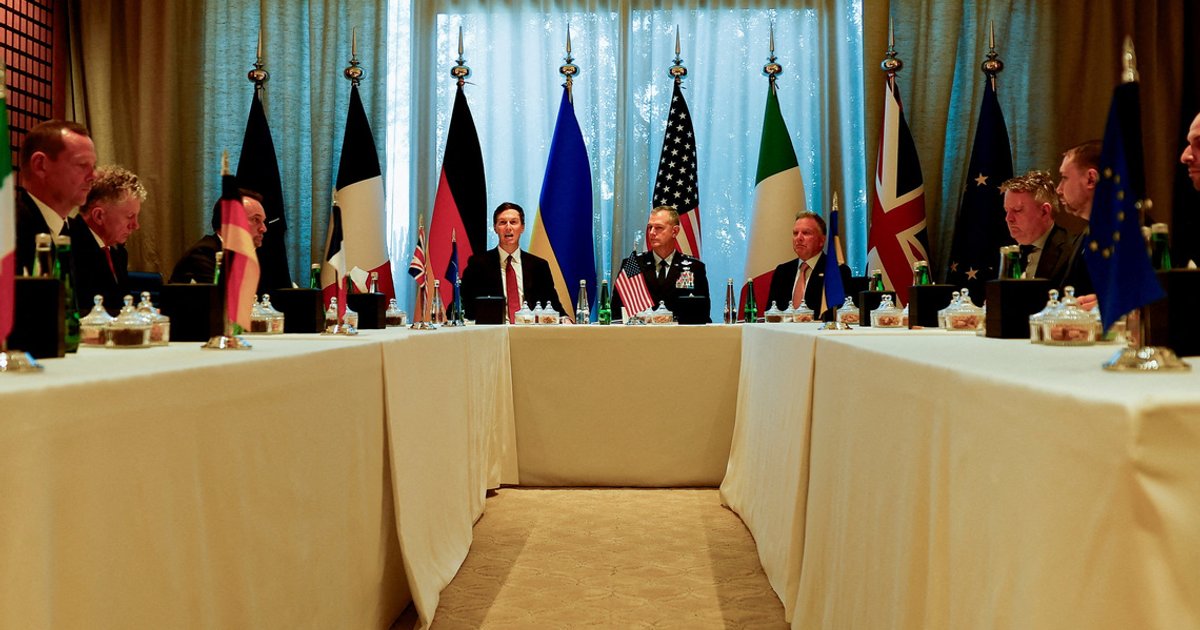
Negotiators from the U.S., Ukraine, and Russia huddled in Abu Dhabi for day two of the trilateral talks on ways to end the war, and officials hinted that tough talks are ahead on some of the biggest sticking points.
asserted
talks → huddle → points
They were some pretty tough discussions after, I think, almost eight months of not being together,” Kushner told reporters afterward.
asserted
Kushner → think → reporters
We covered all the relevant issues.”
asserted
We → cover → issues
One breakthrough that came from the meeting was a proposal to have one of the largest releases of prisoners of war — with the exact figure set to be finalized during the meeting with Putin in Moscow on Thursday.
asserted
figure → come → Thursday
The two diplomatic gurus are also expected to press Putin on converting the trilateral talks into multilateral ones and bring European negotiators into the fold.
asserted
gurus → expect → fold
Russia’s delegation boss Vladimir Medinsky later confirmed the plan.
asserted
boss → confirm → plan
“We’ve relayed to President Putin directly several times and to his team that the only way to get this done is to have them by our side,” Kushner explained.
asserted
Kushner → relay → side
“I think that they’re receptive to it.”
asserted
they → think → it
“Hopefully tomorrow in Moscow, Steve and I will be successful, and President Putin will give the blessing for that to occur.
asserted
that → give → blessing
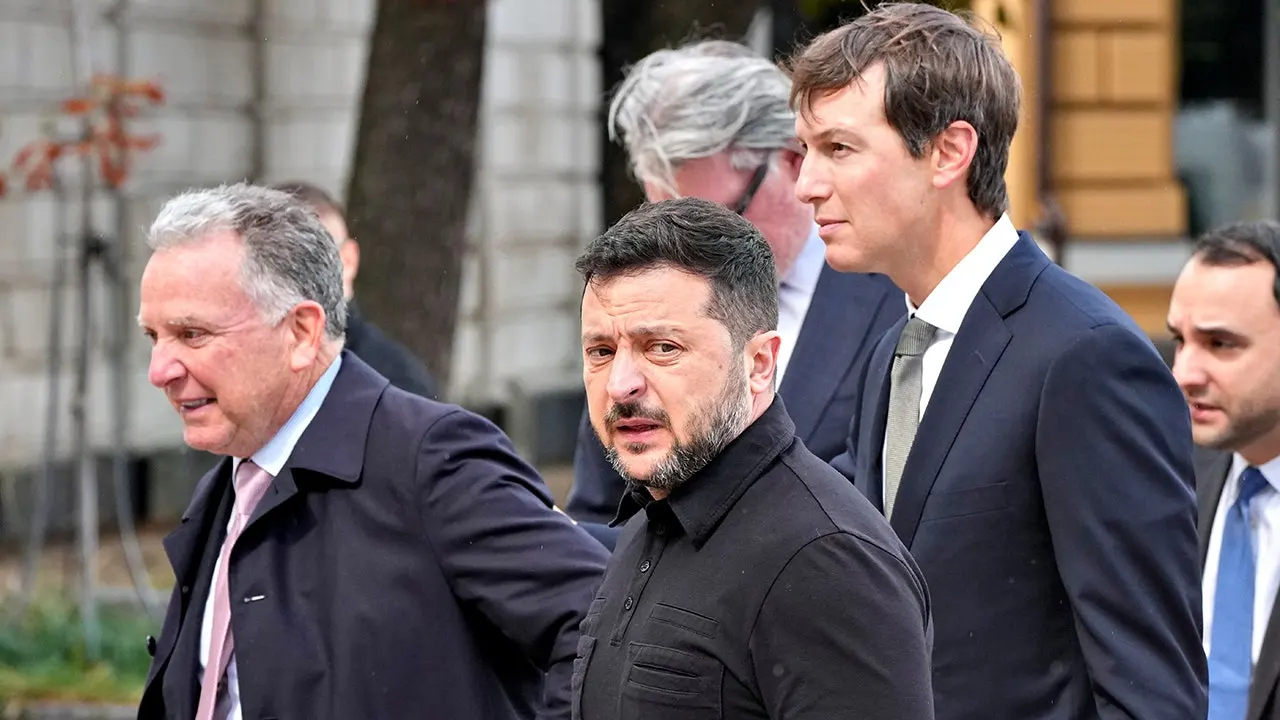
Following their meeting with Putin, Kushner and Witkoff are expected to trek over to Dublin to meet with Ukrainian President Volodymyr Zelensky.
asserted
Kushner → follow → Zelensky
During the talks on Wednesday, the negotiators made progress on discussions about security guarantees for Ukraine and how to establish a de-escalation mechanism after the war wraps up.
asserted
war → make → mechanism
“This was one of the toughest ones,” Ukrainian negotiator Davyd Arakhamia said of the meeting.
asserted
Arakhamia → say → meeting
“I think the Russians came with very, very strict directives.
asserted
Russians → think → directives
And it was very hard to actually soften the discussion.”
asserted
it → soften → discussion
Ukrainian negotiators described how their Russian counterparts seemed to have almost no wiggle room on some of the toughest sticking points of the peace talks.
asserted
counterparts → describe → talks
Arakhamia was hopeful that Kushner and Witkoff could get Putin to have the Russians loosen up their posture at the negotiating table.
uncertain
Russians → get → table
“No issues weren’t discussed,” Kushner said.
asserted
Kushner → discuss → ?
“The territorial issues, which will be the hardest, but we do believe that, as we discuss these other issues, we’ll find a pathway to settle them all.”
asserted
we → believe → them
Russia is estimated to have about 80% to 85% of that territory, but has been unable to capture the remainder of it by force.
asserted
Russia → estimate → force
Ukrainian officials fear that if they cede the Donetsk fortress belt, they will have given up their best line of defense and make themselves vulnerable if Russia violates any future agreements and tries to take even more land by force.
asserted
Russia → fear → force
Ukraine’s Zelensky called the day-one talks on Tuesday “constructive and quite substantive.”
asserted
Zelensky → call → Tuesday
This is the first trilateral since the failed February effort in Geneva.
asserted
This → fail → Geneva
Amid the talks, Russia has been pummeling Ukrainian energy infrastructure in an apparent effort to beat Ukraine into submission during an expected bruising winter.
asserted
Russia → pummel → winter
“I think that every pre-winter time Russia tries to put the maximum pressure because winter [is] like where we are the most vulnerable,” Arakhamia acknowledged.
asserted
Arakhamia → think → pressure
“This year we are more vulnerable because of the lack of interceptors,” he added.
asserted
he → add → interceptors
“Ukraine knows and learn[ed] … how to sustain the winter.”
asserted
Ukraine → know → winter

 The Aporia