That is 0 articles you have read today.
The Aporia is free and carries no advertising, so readers are the only
thing paying for it. If you are getting this much out of it, a small
donation is what keeps it independent.
Daily limit reached
You have read 0 articles today.
That is more than the 15 a day The Aporia gives away,
and well past what it can carry on nothing. Your allowance resets at
midnight.
There is no advertising here and nothing about you is sold, so readers
are the only thing paying for it. If the site is worth this much of
your day, it is worth a few dollars.
Everything else stays open: the
maps, the
directory and
search do
not count against this, and neither does re-opening something you have
already read today.
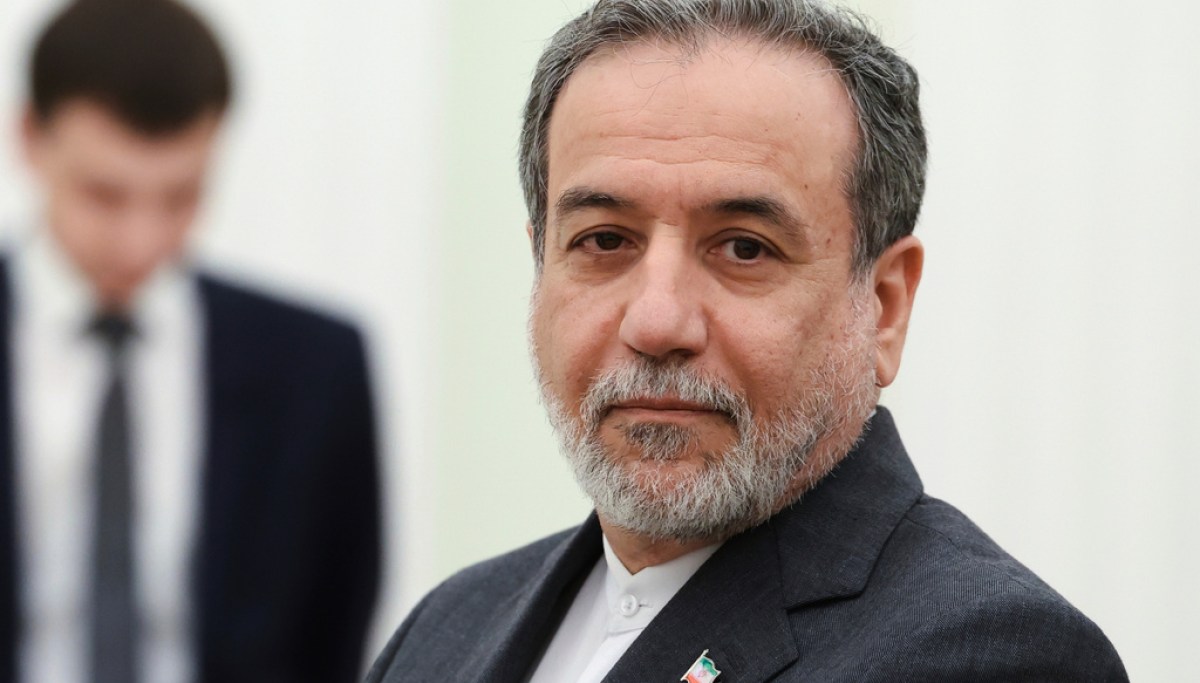
U.S. Diplomatic Security is bolstering protection for visiting Iranian Foreign Minister Abbas Araghchi during his trip to the United Nations General Assembly in New York, following a threat assessment and at his request. This comes as part of broader efforts to potentially resume stalled negotiations between Iran and the U.S., with Secretary of State Marco Rubio indicating openness to meetings on the sidelines of the assembly. A senior Iranian official suggested that Tehran could reopen the Strait of Hormuz if the U.S. lifts sanctions and eases pressure, signaling a willingness to engage in diplomatic talks.
Written locally by qwen2.5:14b on 2026-09-22,
using this article's own text rather than the other coverage of the
same event (that is the story summary below).
Story summary
US President Donald Trump met with Chinese President Xi Jinping, where Xi pressed Trump to adopt Beijing's stance against Taiwan independence, which Taiwan rejected outright. Meanwhile, Taiwan is crucial for global tech and economy due to its leading semiconductor production; TSMC alone produces the majority of advanced chips that power smartphones, AI systems, and more. As Stanford Hoover fellow Eyck Freymann noted, economic disruption from a conflict over Taiwan would be severe.
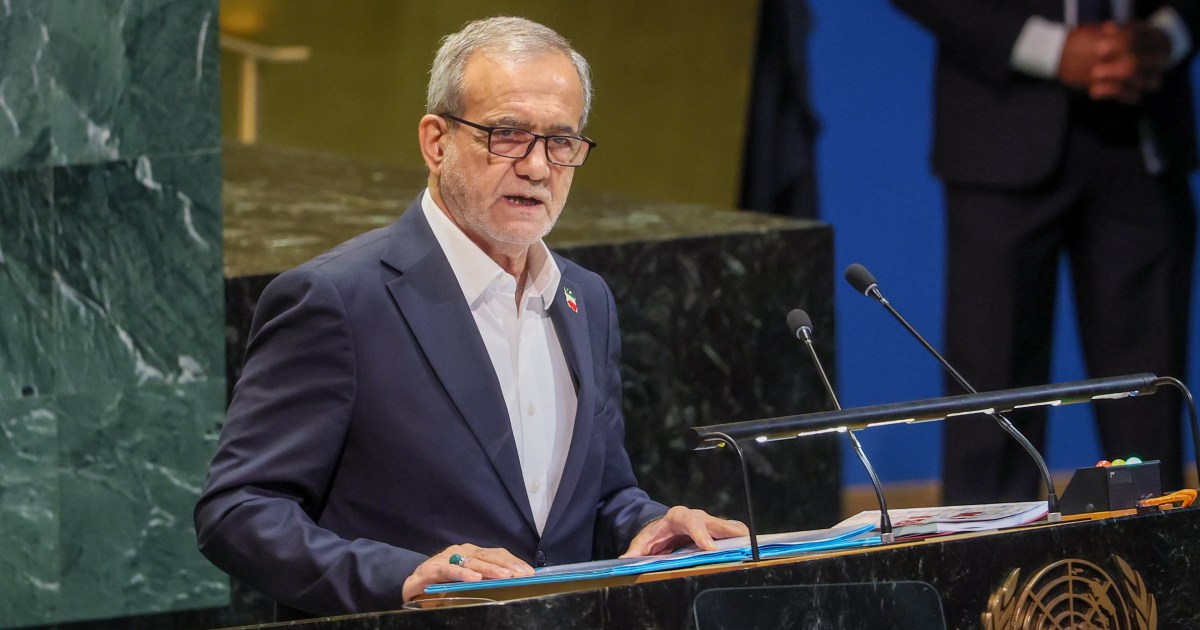
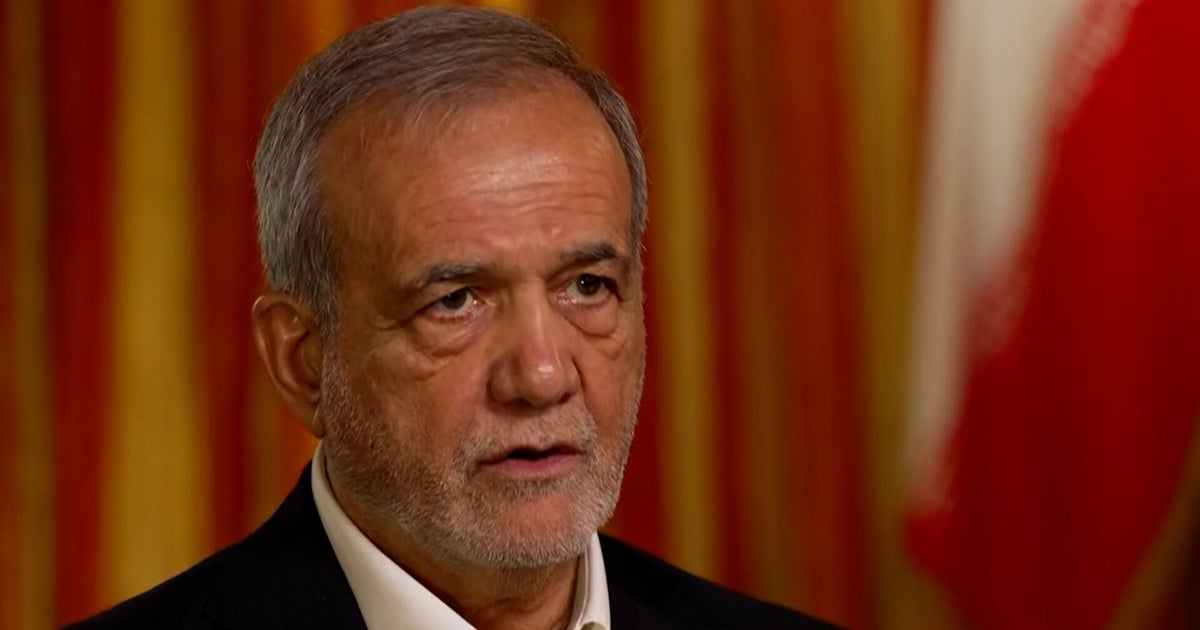
In unrelated developments, Iranian President Masoud Pezeshkian met with US media at the UN General Assembly, where he denied Iran's nuclear ambitions while offering to dilute its enriched uranium and allow inspections under international law. He also blamed Washington for ongoing conflicts in the Middle East. The International Atomic Energy Agency (IAEA) estimates that Iran has over 440 kilograms of uranium enriched up to 60%, raising concerns despite Pezeshkian's denials.
Taiwan's representative, Ambassador Alexander Yui, clarified during an interview on CBS’s "Face the Nation" that while Taiwan was discussed between Trump and Xi, it wasn't a major focus. He emphasized there has been no change in US policy towards Taiwan amid recent tensions with China.
Written for “Taiwan Iran Us Relations Midterms” on 2026-10-05,
grounded in this article and the 386 other(s) covering the same event.
Claims extracted
10
claim-shaped sentences
Uncertain
30%
3 of 10 hedged
Leaning
Leans left
of the writing, not the subject · beta estimate
Correction & hedging signals
72.3
corrections and hedging in what we collected;
not a measure of accuracy
Outlets on this story
387
Politics
Narrative spread
1
articles carrying this framing
U.S. Diplomatic Security is providing additional security support for Iranian Foreign Minister Abbas Araghchi, upon his own request.
asserted
Security → provide → request
Despite being in an active war that involved the assassination of dozens of high-ranking Iranian officials, the United States approved visas for two of the most senior figures in Iran — Araghchi and President Masoud Pezeshkian.
asserted
States → involve → Iran
Araghchi requested U.S. security during his trip to the United Nations General Assembly, according to Axios, a request that was granted after a State Department threat assessment.
uncertain
that → request → assessment
The U.S. Diplomatic Security Service said after a “thorough analysis,” the team will provide increased security for Iran’s top foreign policy figure.
asserted
team → say → figure
Araghchi and Pezeshkian are two of the more moderate figures in the Islamic government, representing the more pragmatic faction as opposed to the hardliners in the Islamic Revolutionary Guard Corps.
asserted
Araghchi → represent → Corps
The visit of the two senior Iranian figures opens up the possibility of meetings with U.S. officials on the sidelines, which could help revive negotiations that have been stalled for months.
uncertain
that → open → months
Secretary of State Marco Rubio left open the possibility on Tuesday, speaking to NBC’s Today show.
“We’re open to that.
asserted
We → leave → that
I don’t think anything is scheduled at this point, but we’re certainly open to something like that, especially if it has the prospects of leading to something positive and ultimately achieving the goal of what this is all about,” he said.
asserted
he → think → what
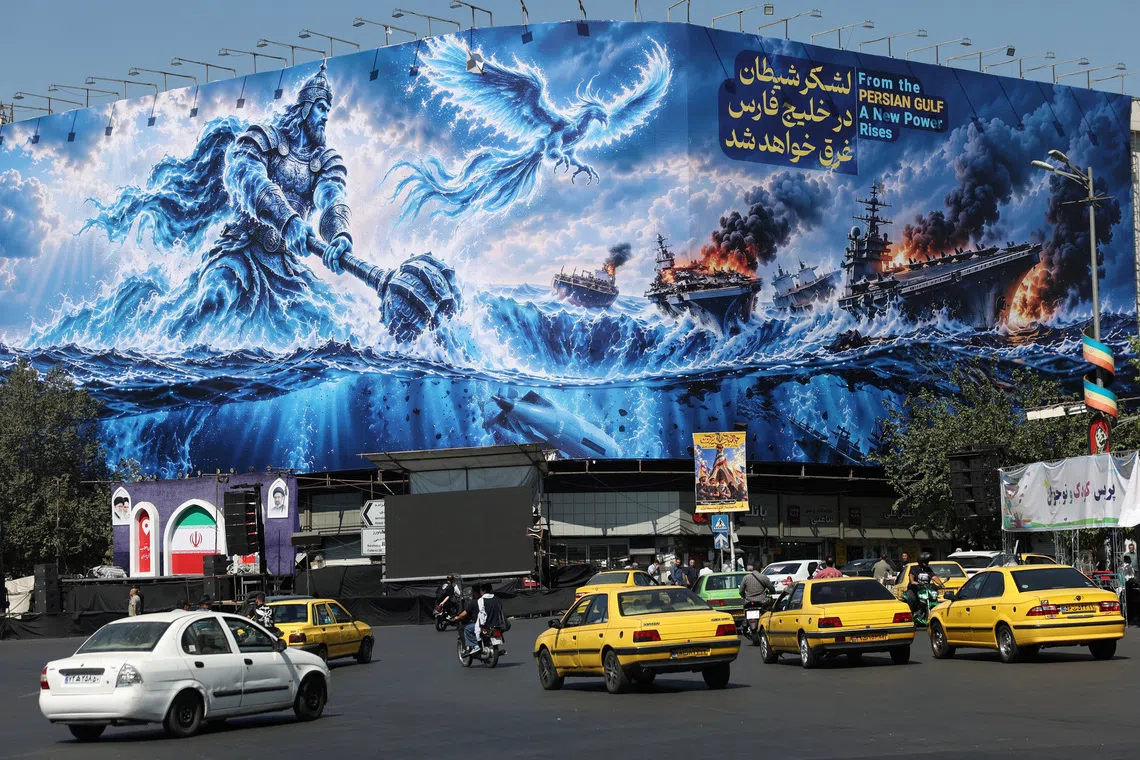
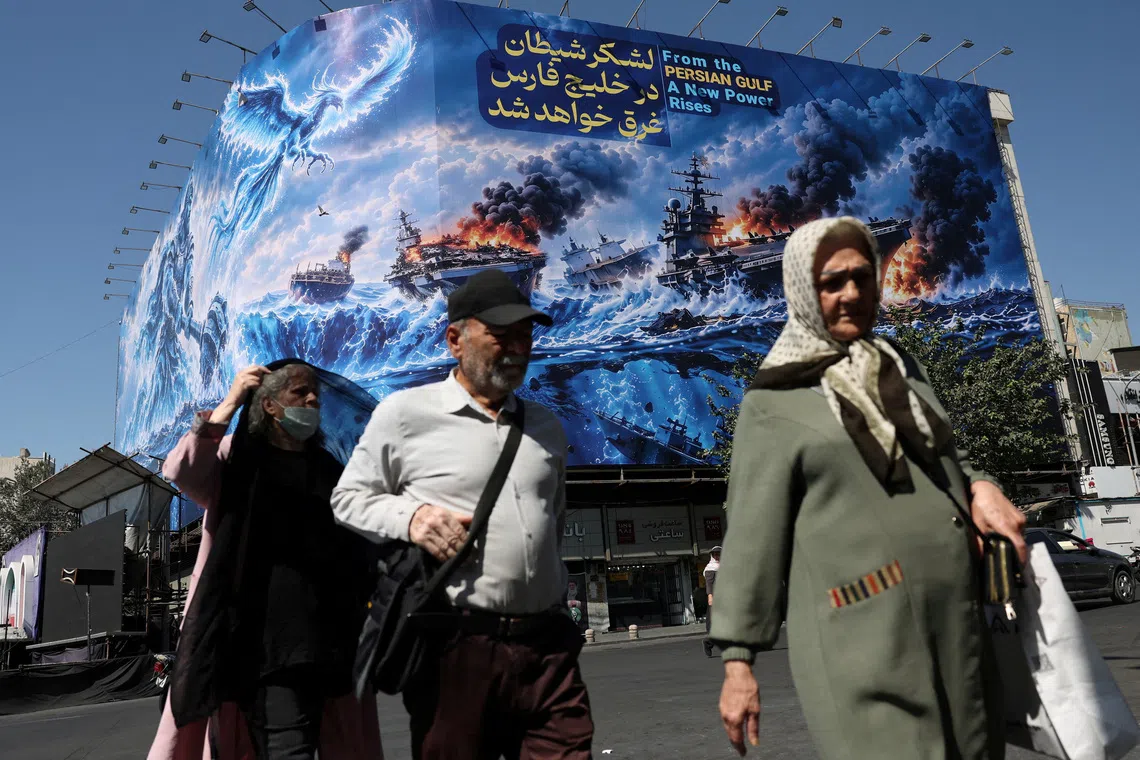
Speaking to Reuters, a senior Iranian official offered a carrot to the U.S., saying Tehran could reopen the Strait of Hormuz in exchange for lifting the U.S. blockade and easing pressure on Iran.
uncertain
Tehran → speak → Iran
“The U.S. needs to announce that it wants to resolve the issue diplomatically, make that official, and then agree on a timeline for how the process will move forward,” he said, adding that the delegation to the General Assembly has full authority to revive diplomacy with the U.S.
asserted
delegation → need → U.S.
 The Aporia