That is 0 articles you have read today.
The Aporia is free and carries no advertising, so readers are the only
thing paying for it. If you are getting this much out of it, a small
donation is what keeps it independent.
Daily limit reached
You have read 0 articles today.
That is more than the 15 a day The Aporia gives away,
and well past what it can carry on nothing. Your allowance resets at
midnight.
There is no advertising here and nothing about you is sold, so readers
are the only thing paying for it. If the site is worth this much of
your day, it is worth a few dollars.
Everything else stays open: the
maps, the
directory and
search do
not count against this, and neither does re-opening something you have
already read today.
The United States has granted visas to Iranian President Masoud Pezeshkian and Foreign Minister Abbas Araghchi for their delegation to attend the 81st UN General Assembly in New York, despite ongoing tensions between the two countries. The US State Department confirmed that while a reduced Iranian delegation will be allowed entry, they face stricter travel restrictions and prohibitions on luxury imports as part of existing U.S. policy. The decision comes amid continued conflict involving Iran and no immediate prospects for resolving the war or reopening the Strait of Hormuz, which controls about 20% of global energy transit.
Written locally by qwen2.5:14b on 2026-09-18,
using this article's own text rather than the other coverage of the
same event (that is the story summary below).
Story summary
The US State Department announced on September 17 that it would allow Iranian President Masoud Pezeshkian and Foreign Minister Abbas Araghchi, along with a limited delegation, to attend the UN General Assembly in New York despite ongoing hostilities between the two countries. The decision follows seven months of active conflict since February when the US and Israel initiated attacks against Iran, prompting retaliatory strikes by Tehran on allied Gulf states hosting US military bases. As part of the restrictions, Iranian officials will face travel limitations and prohibitions on purchasing luxury goods in the United States. This move occurs amid broader geopolitical tensions including Russia’s war in Ukraine and rising global energy prices due to Middle Eastern instability.
Written for “Iran Delegation Visas” on 2026-09-18,
grounded in this article and the 3 other(s) covering the same event.
Why this leaning score
The model judged this article politically coded and scored it -0.35, but every quote it verified points right, so the score is not published.
Written under an earlier scoring contract, which gave a paragraph
rather than checkable quotes. Re-analysing this article replaces it.
Leaning score withheld for article 17169: score contradicts its own evidence · logged 2026-09-18
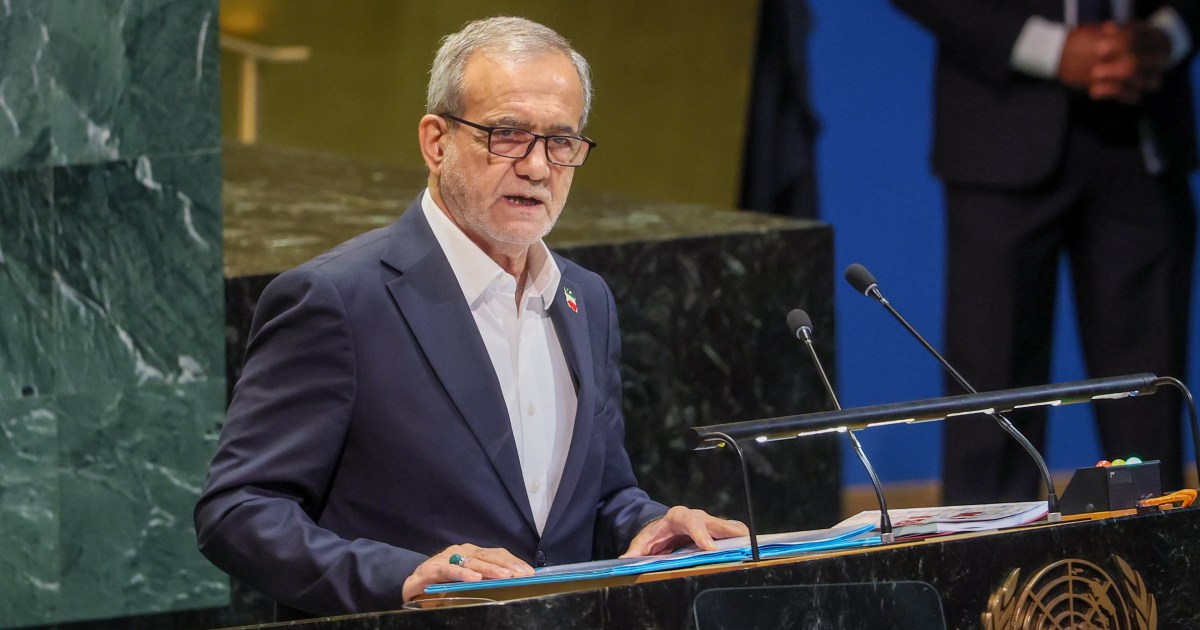
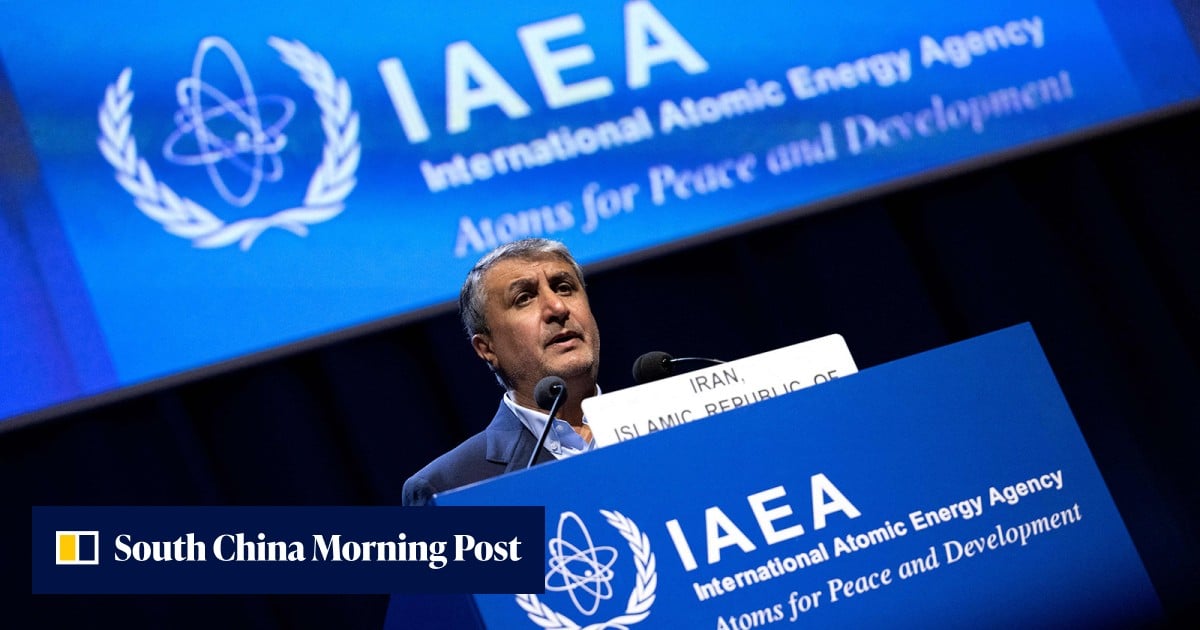
The United States is allowing an Iranian delegation to attend the United Nations General Assembly (UNGA) in New York City next week, a Department of State spokesman said, in spite of the protracted war that is raging into its seventh month.
asserted
that → allow → month
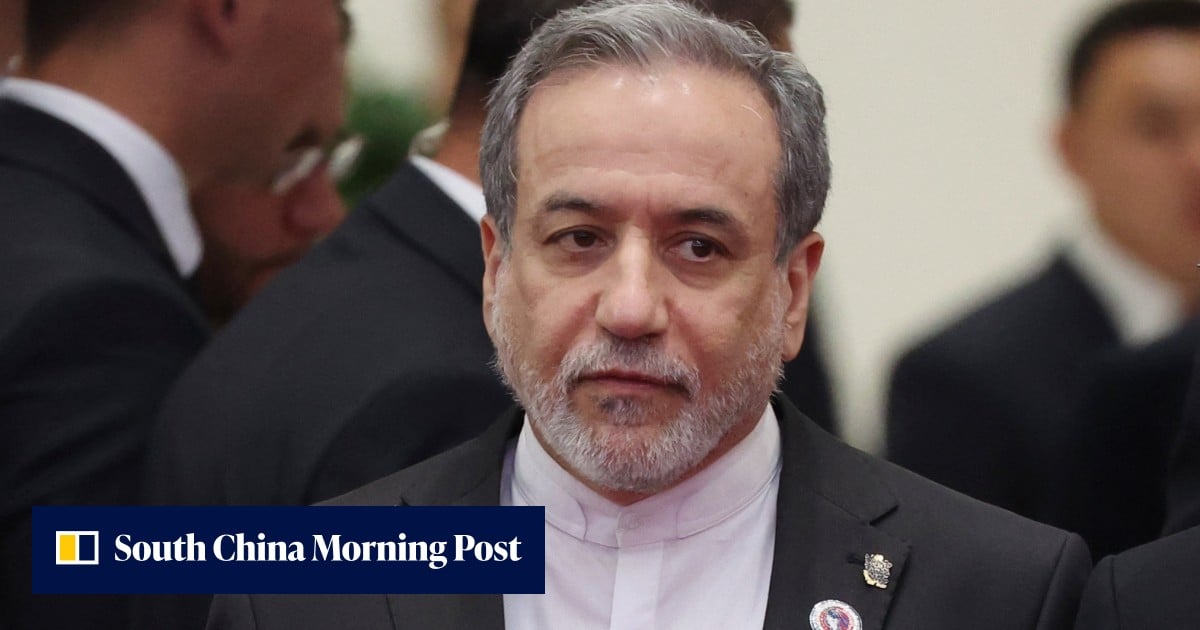
A source familiar with the matter confirmed the delegation would cover Iranian President Masoud Pezeshkian, Foreign Minister Abbas Araghchi and their essential staff to attend the High-Level Week in person.
asserted
delegation → confirm → person
Recommended Stories
list of 3 items- list 1 of 3UN fact-finding mission says US committed possible war crimes in Iran
- list 2 of 3Macron and Aoun discuss efforts to back Lebanon’s army, end Israeli attacks
- list 3 of 3Russia, China veto UN mandate to monitor Iran sanctions
“Consistent with our host country obligations, the core delegation from the Iranian regime will be able to attend UN General Assembly High Level Week,” the State Department spokesman said.
asserted
spokesman → say → Week
The US official added that only a scaled-down delegation will be permitted, and that they will confront tighter travel curbs and luxury import prohibitions “per our policy”.
asserted
they → add → policy
The 81st UNGA will unfold against the backdrop of a grinding military impasse between the two countries, with no clear path towards reopening the Strait of Hormuz or reviving Washington-Tehran talks of ending the war.
asserted
UNGA → unfold → war
The disruption of the vital chokepoint — which handles roughly 20 percent of global seaborne energy transit — has sent global oil prices soaring.
asserted
which → handle → prices
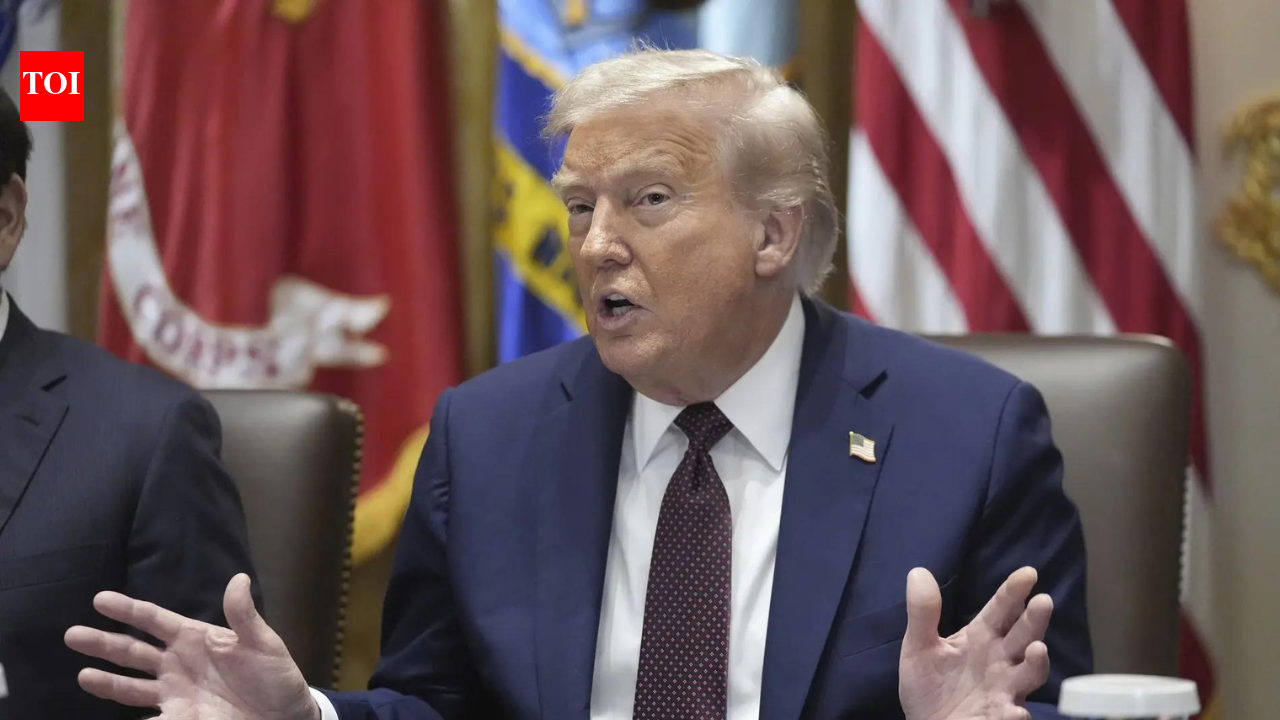
US President Donald Trump has repeatedly said that the conflict with Iran is nearing its end, and recently claimed his administration has held direct talks with officials in Tehran, even as fighting flares in Yemen between Houthi forces and the Saudi-led coalition over the Bab al-Mandeb strait, where Houthi forces have seized control.
asserted
forces → say → control
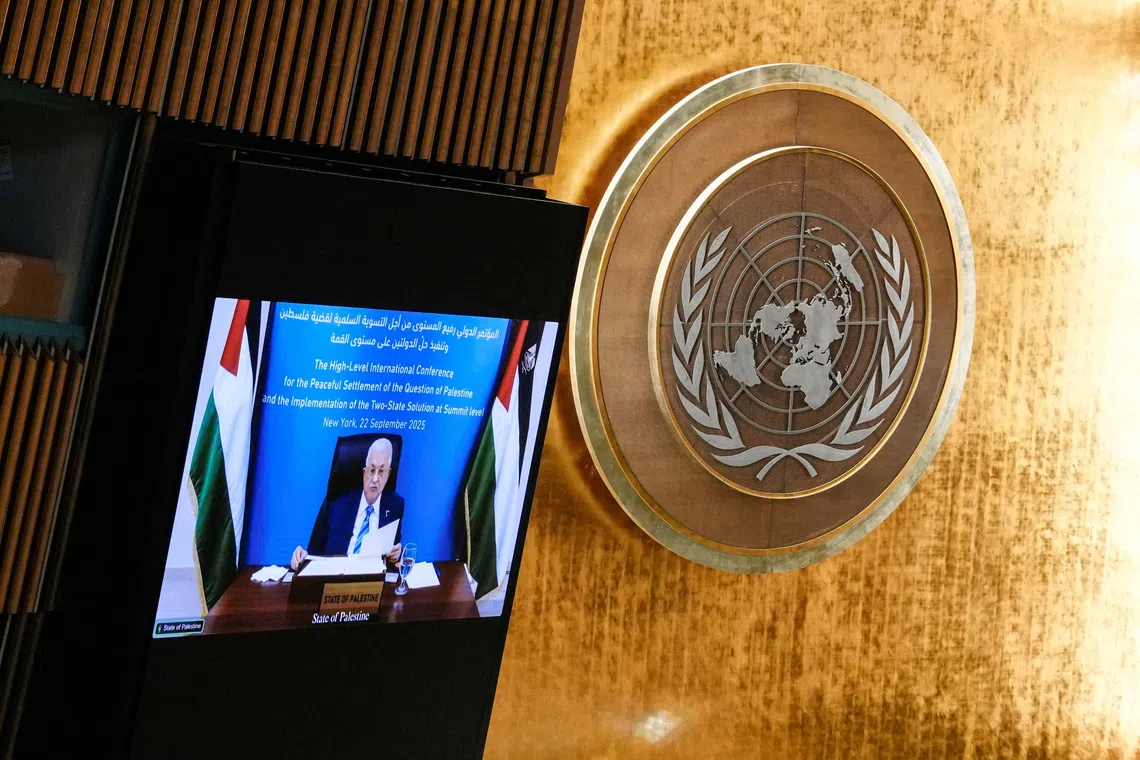
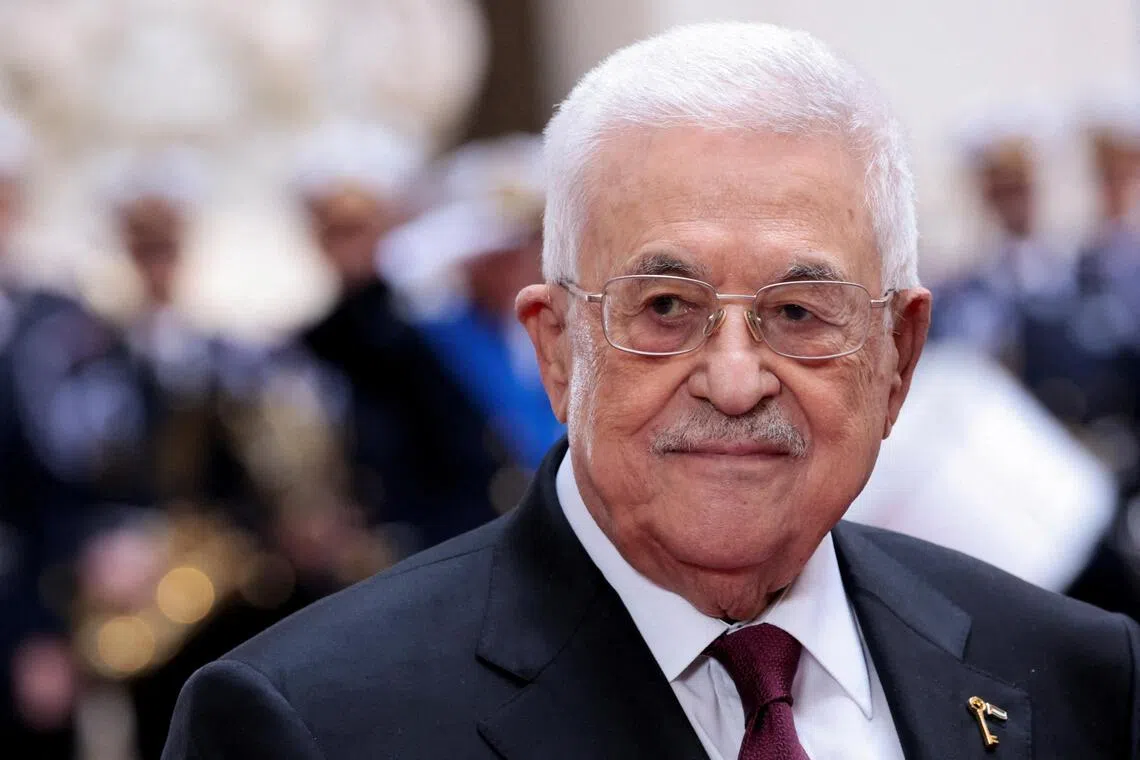
Washington recently barred Palestinian President Mahmoud Abbas and dozens of Palestinian Authority (PA) officials from entering the US for the UNGA for the second consecutive year.
asserted
Washington → bar → year
The visa denial by the Trump administration last year relegated the usually present Palestinian leader to address the global body virtually.
asserted
denial → relegate → body
The Palestinians will still be represented at next week’s high-level meeting of the UNGA by their diplomats who are already accredited to the UN.
asserted
who → represent → UN
Without explicitly naming President Abbas, the State Department announced a broader visa ban targeting officials from the PA and the Palestine Liberation Organization (PLO), due to “their failure to reform, contrary to their commitments to the United States, and their ongoing activities that undermine the prospects for peace,” the statement said.
asserted
statement → name → peace
“Punitive measures and restrictions imposed on Palestinian officials do not contribute to advancing peace or combating violence,” the authority’s Ministry of Foreign Affairs and Expatriates said in a statement in response.
asserted
Ministry → impose → response
“Rather, they weaken the Palestinian partner committed to a political solution and encourage forces working to undermine the two-state solution and impose the reality of occupation, settlement and annexation by force.”
The UNGA will be meeting under the heavy strain of continued geopolitical crises, such as Russia’s war on Ukraine, escalating Middle East volatility and deepening economic disturbances that have triggered widespread inflation and affordability crises across the globe.
asserted
that → weaken → globe
 The Aporia