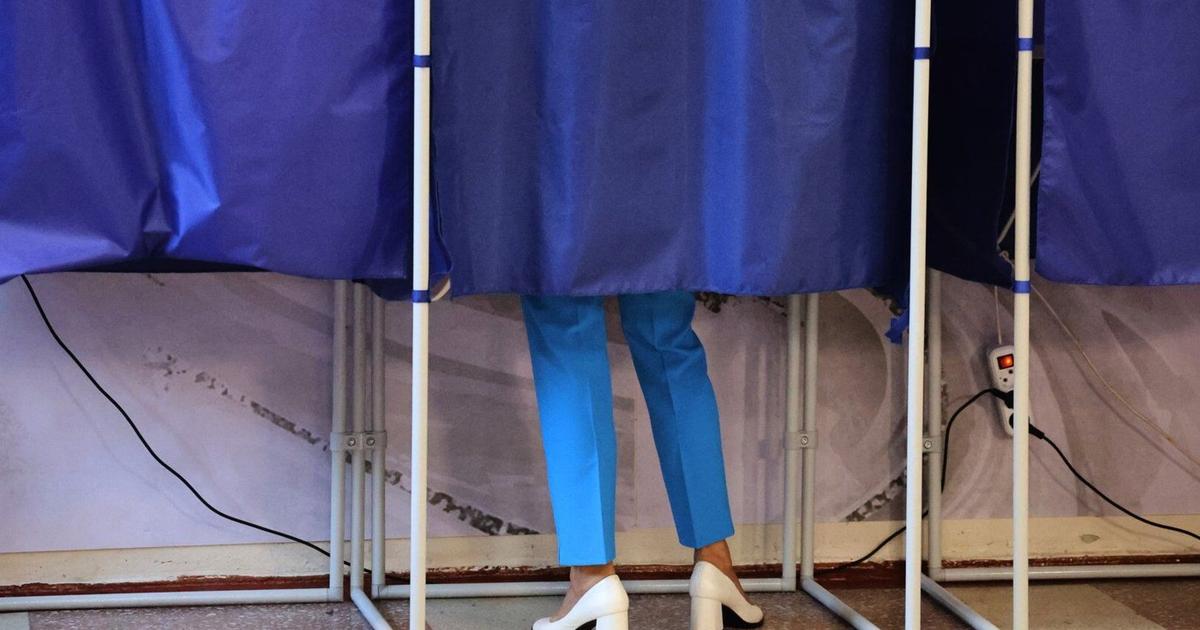
Vladimir Putin's ruling United Russia party won a record supermajority in Russia’s parliamentary election, securing 355 out of 450 seats in the State Duma, according to preliminary results. The tightly controlled voting excluded opposition parties and was widely condemned by Western nations and Ukraine for holding elections in occupied Ukrainian territories, which they view as illegal under international law. EU foreign policy chief Kaja Kallas called Russia’s election a “veneer of democracy” and pledged sanctions against those involved in organizing the vote in areas occupied by Russia.
Written locally by qwen2.5:14b on 2026-09-21,
using this article's own text rather than the other coverage of the
same event (that is the story summary below).
Story summary
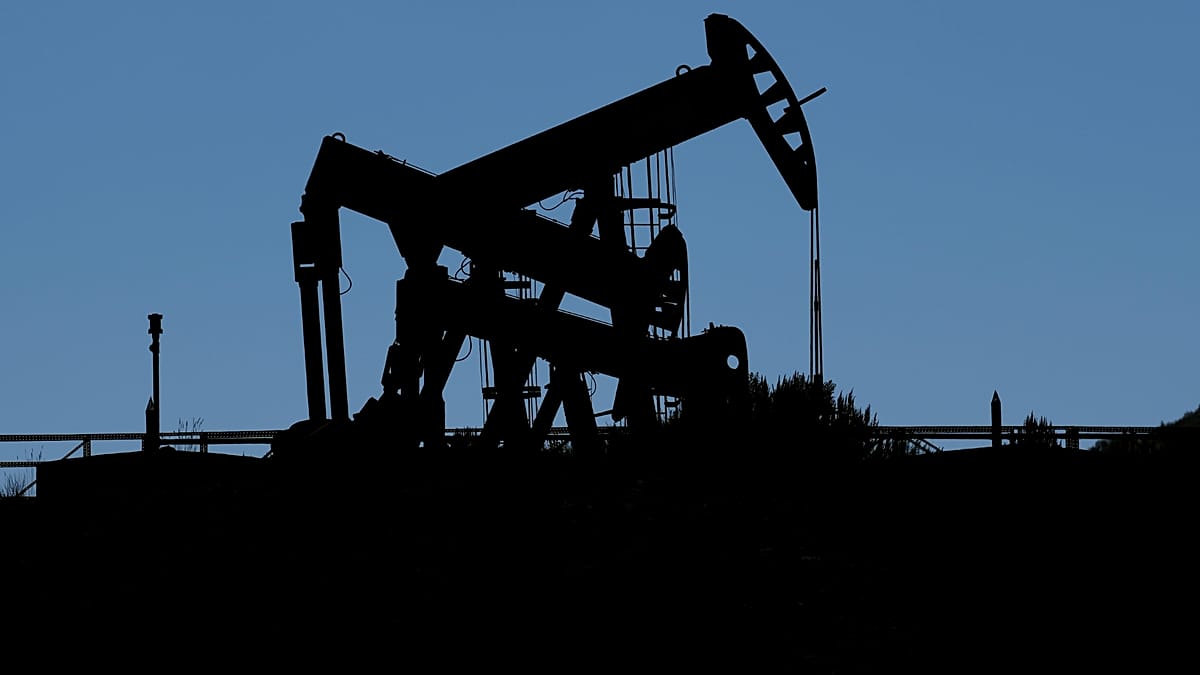
Russian parliamentary elections, held from September 18-20, were widely expected to see United Russia, President Vladimir Putin's party, maintain its dominance over the State Duma (lower house of parliament). Despite critics arguing that the outcome was predetermined and would have no significant impact on the country’s future, Russian authorities made persistent efforts to ensure high voter participation under current electoral law. The elections came amidst increasing war fatigue and economic hardship due to Ukraine's drone strikes targeting oil refineries and warehouses within Russia, causing fuel shortages and internet blackouts.
Exit polls conducted by independent groups at embassies and consulates abroad revealed starkly different results from those inside Russia: New People, an opposition party, garnered around 45% of the votes compared to United Russia’s reported near-58% support domestically. These discrepancies highlight a divergence between domestic and international perceptions of Putin's popularity, with many Russian expatriates opposing the war and expressing anxiety over its economic and social consequences.
Critics argue that these elections are more about demonstrating the regime's resilience than reflecting genuine public sentiment or political contestation, given the tight control exercised by the Kremlin.
Written for “Russia's Wartime Elections” on 2026-10-05,
grounded in this article and the 64 other(s) covering the same event.
Five Western nations and Kyiv condemned the voting in occupied Ukraine as illegal, while a Ukrainian drone strike on Moscow on the final day of polling killed two people.
asserted
strike → condemn → people
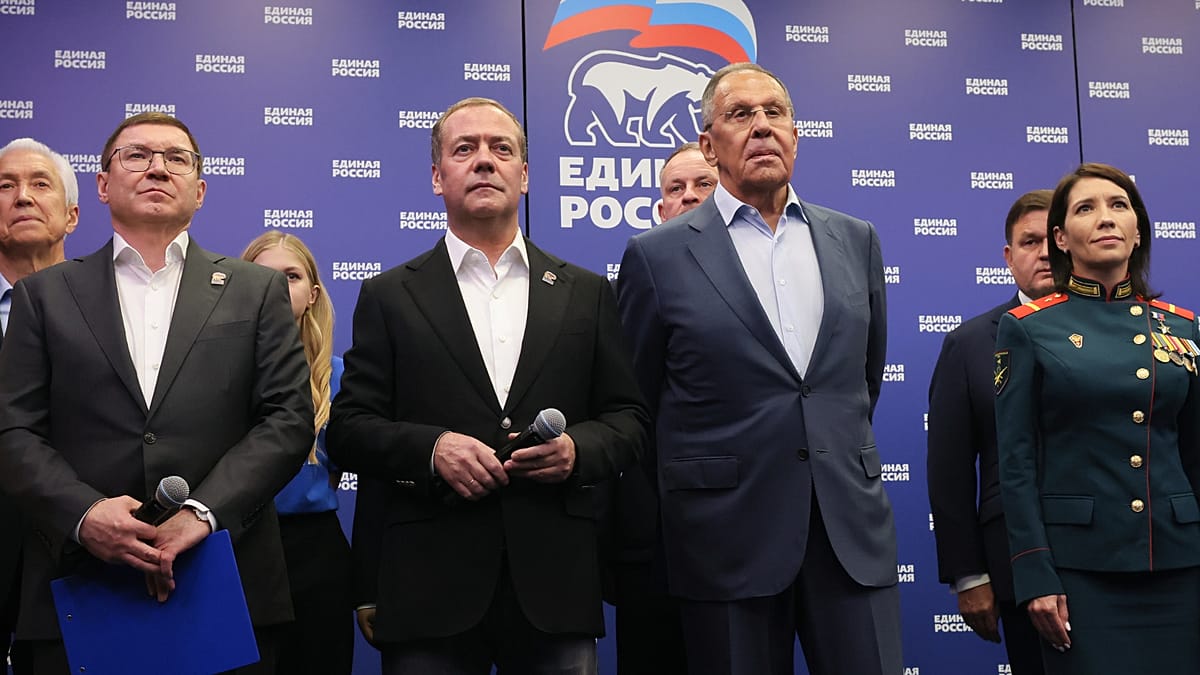
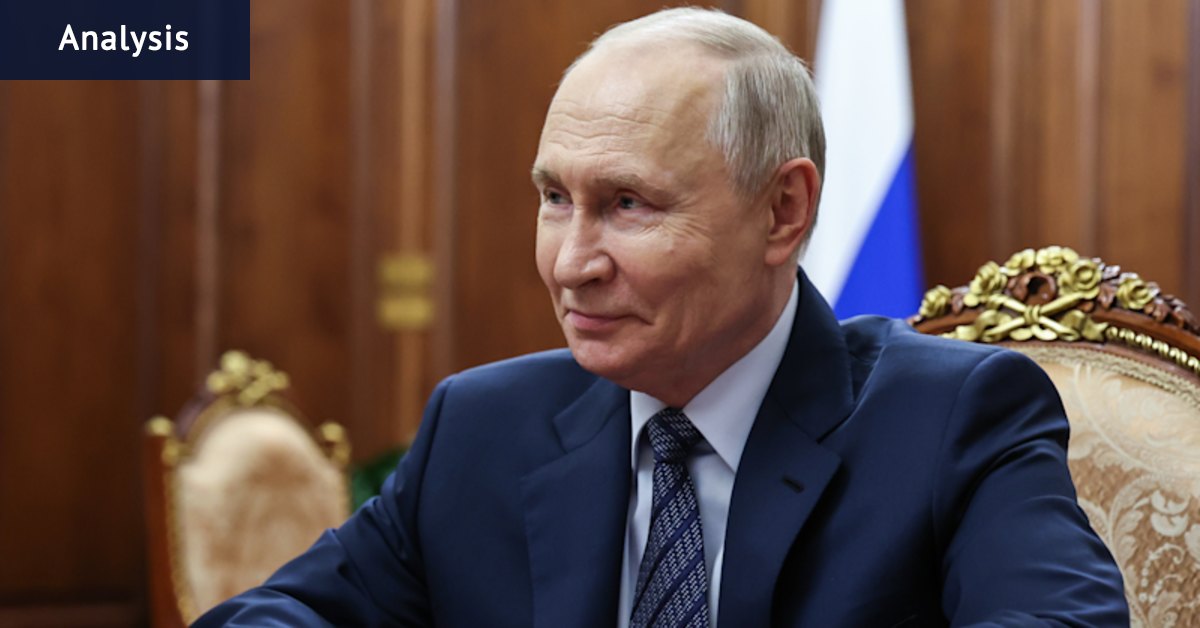
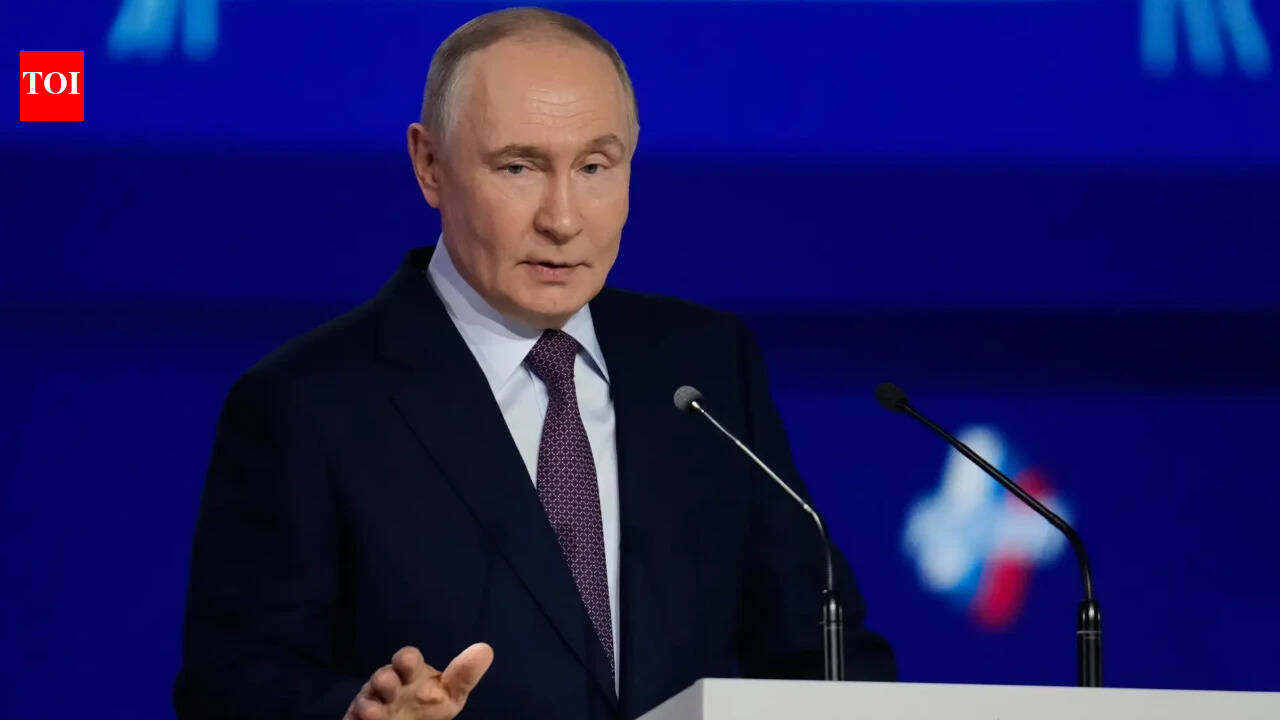
Vladimir Putin's United Russia party has won a record supermajority in parliament, preliminary results showed Monday.
asserted
results → win → parliament
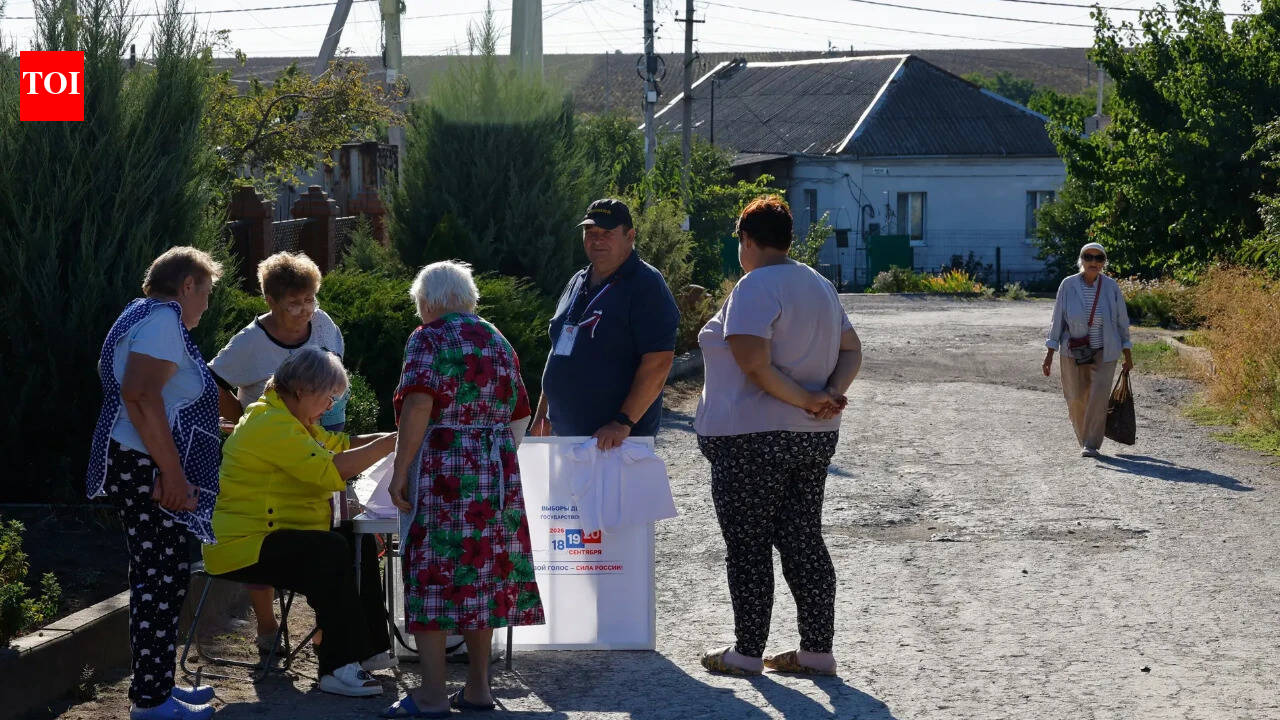
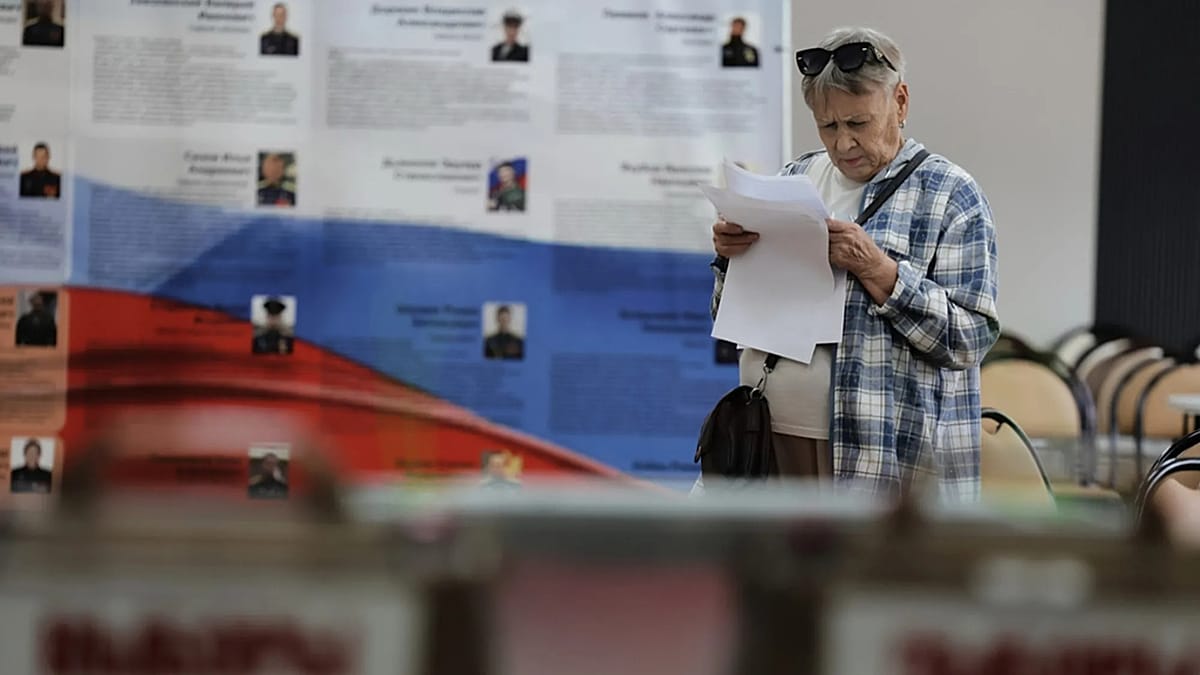
The tightly controlled three-day vote excluded every party critical of the Kremlin or the war in Ukraine.
asserted
vote → control → Ukraine
Central Election Commission chief Ella Pamfilova said United Russia had secured 355 of the State Duma's 450 seats.
asserted
Russia → say → seats
That beats its previous record of 343, set in 2016, and is well above the 301 needed to change the constitution.
asserted
That → beat → constitution
The Communist Party came second with 40 seats, followed by the nationalist LDPR on 25, New People on 20 and A Just Russia on four.
asserted
Party → come → four
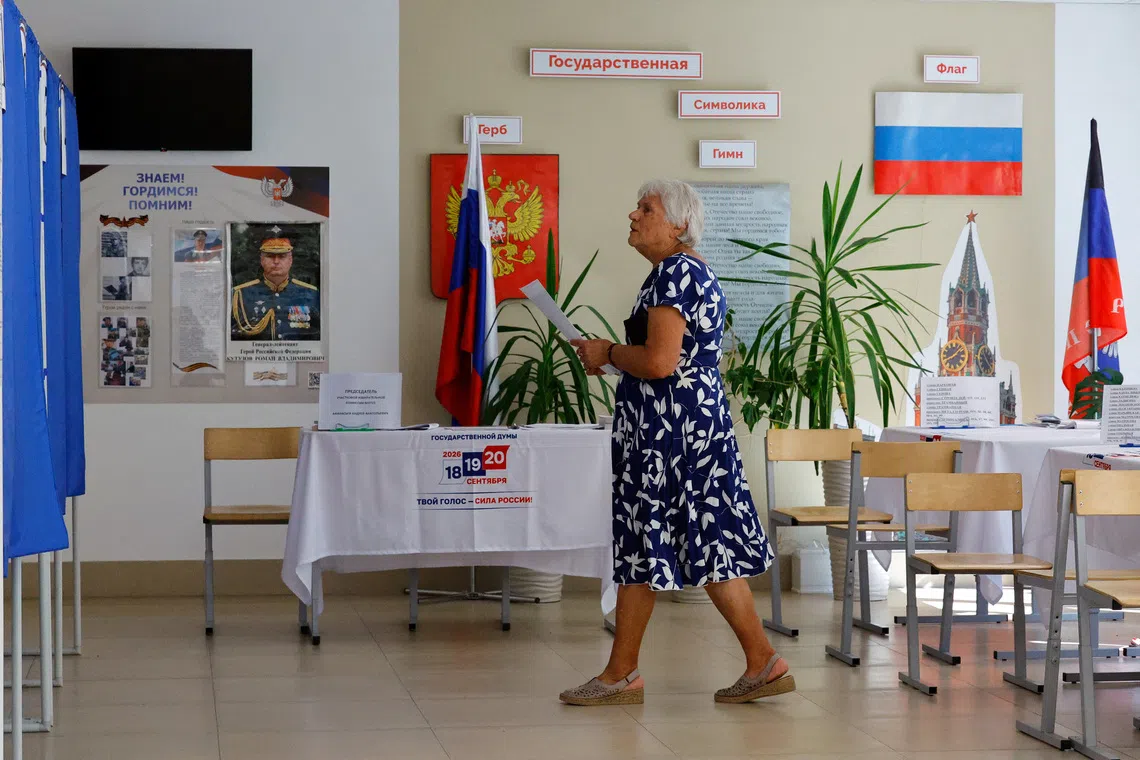
Pamfilova put turnout at more than 59 percent.
asserted
Pamfilova → put → percent
It was Russia's first parliamentary election since Moscow launched its full-scale invasion of Ukraine in 2022.
asserted
Moscow → launch → 2022
Criticism of the war is banned, and Yabloko, the only party calling for an end to the fighting, was barred from running for the national parliament, though it was allowed to stand in some regional votes.
asserted
it → ban → votes
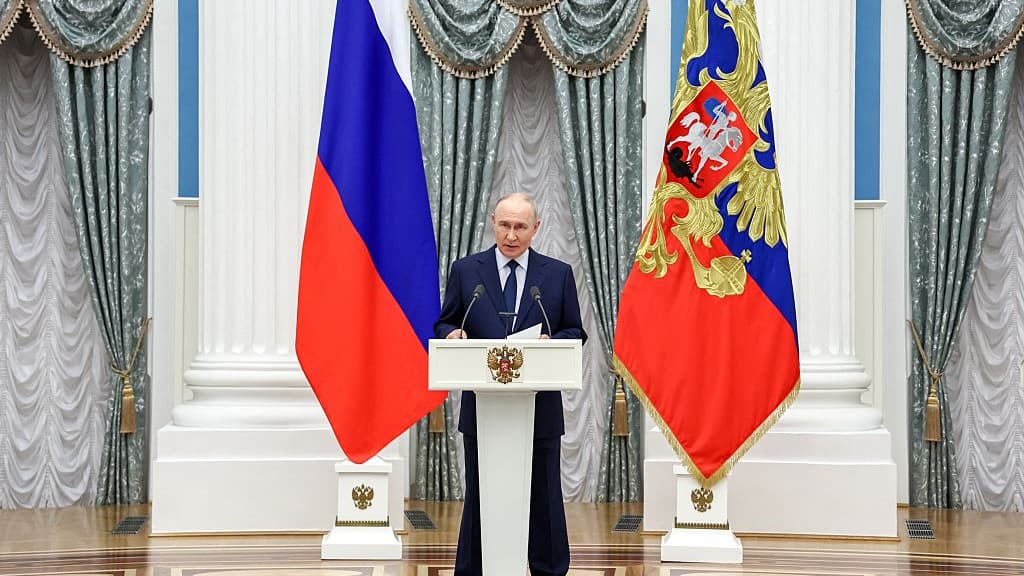
"These indicators, of course, point to the highest level of consolidation within Russian society around the head of state," Kremlin spokesman Dmitry Peskov said.
asserted
Peskov → point → state
United Russia told state media that 49 veterans who fought in Ukraine are expected to enter the Duma for the party.
asserted
who → tell → party
Voting also took place in occupied parts of Ukraine, including Crimea and the Donetsk, Luhansk, Kherson and Zaporizhzhia regions.
asserted
Voting → take → Crimea
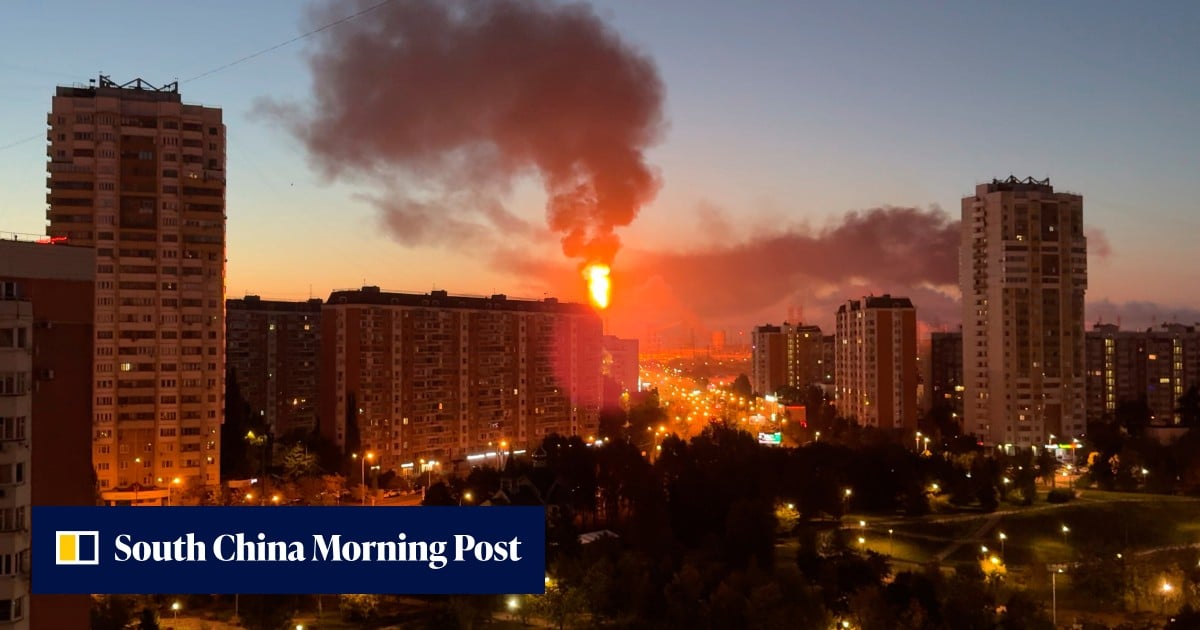
On Sunday, the final day of voting, Kyiv hit Moscow with its biggest drone attack of the war, killing two people and setting an oil refinery ablaze.
asserted
Kyiv → hit → refinery
Russia's defence ministry accused Ukraine of trying to disrupt the vote and vowed to intensify strikes on Kyiv.
asserted
ministry → accuse → Kyiv
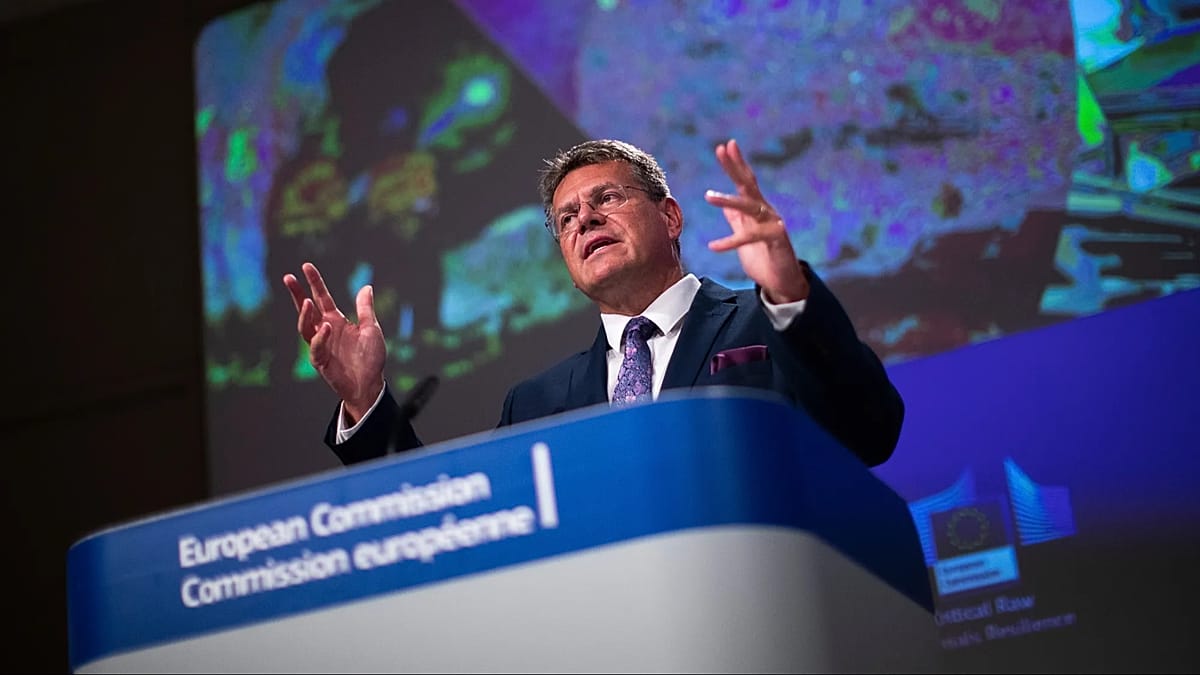
The EU's top diplomat, Kaja Kallas, said the Kremlin had "silenced dissent" and shut out international election monitors.
asserted
Kremlin → say → monitors
"The veneer of democracy is all that remains in Russia," she said.
asserted
she → remain → Russia
"The State Duma elections held by Russia on 18–20 September underscored the continued and deepening erosion of democracy in Russia, taking place in an increasingly authoritarian political environment."
asserted
elections → hold → environment
In a statement on behalf of the bloc, Kallas said the EU would impose sanctions on those who organised the vote or stood as candidates in occupied Ukrainian territory.
asserted
who → say → territory
"The European Union reiterates that it does not and will never recognise either the holding of these so-called “elections” in the temporarily occupied territories of Ukraine or their results."
asserted
it → reiterate → Ukraine
the statement said.
asserted
statement → say → ?
Britain, Australia, Canada, New Zealand and Norway said in a joint statement that holding the election in occupied areas was a "gross violation" of Ukraine's sovereignty and the UN Charter.
asserted
holding → say → sovereignty
They said the vote could not change the status of those territories under international law.
uncertain
vote → say → law
"These sham elections are part of a wider system of occupation: the imposition of Russian administration, law, media, education, language and citizenship, backed by coercion and repression," the statement said.
asserted
statement → back → coercion
Ukraine's foreign ministry had earlier called the voting in occupied regions a "farce" and said it would not recognise the results.
asserted
it → call → results
The election brought one surprise.
asserted
election → bring → surprise
In the Novgorod region, where it was allowed on the ballot for regional elections held at the same time, Yabloko won just over six percent of the vote, enough to enter the regional parliament.
asserted
Yabloko → allow → parliament
His main rival, Alexei Navalny, died in an Arctic prison in 2024.
asserted
rival → die → 2024
 The Aporia