That is 0 articles you have read today.
The Aporia is free and carries no advertising, so readers are the only
thing paying for it. If you are getting this much out of it, a small
donation is what keeps it independent.
Daily limit reached
You have read 0 articles today.
That is more than the 15 a day The Aporia gives away,
and well past what it can carry on nothing. Your allowance resets at
midnight.
There is no advertising here and nothing about you is sold, so readers
are the only thing paying for it. If the site is worth this much of
your day, it is worth a few dollars.
Everything else stays open: the
maps, the
directory and
search do
not count against this, and neither does re-opening something you have
already read today.
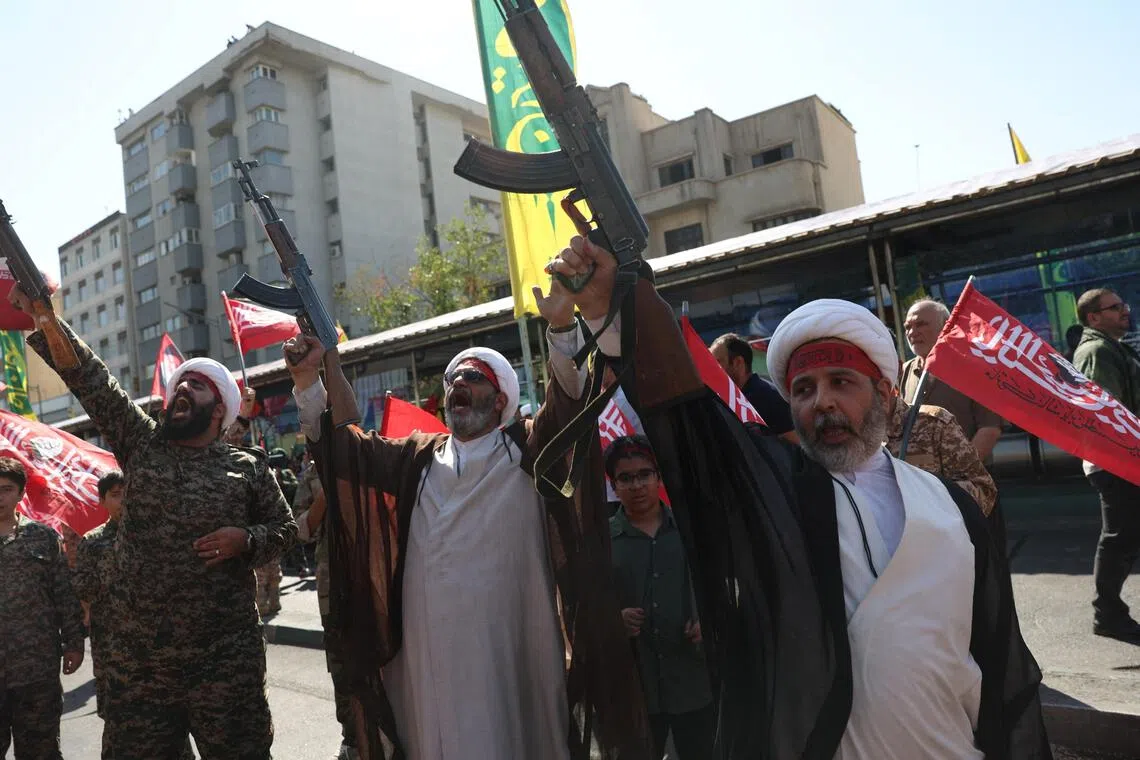
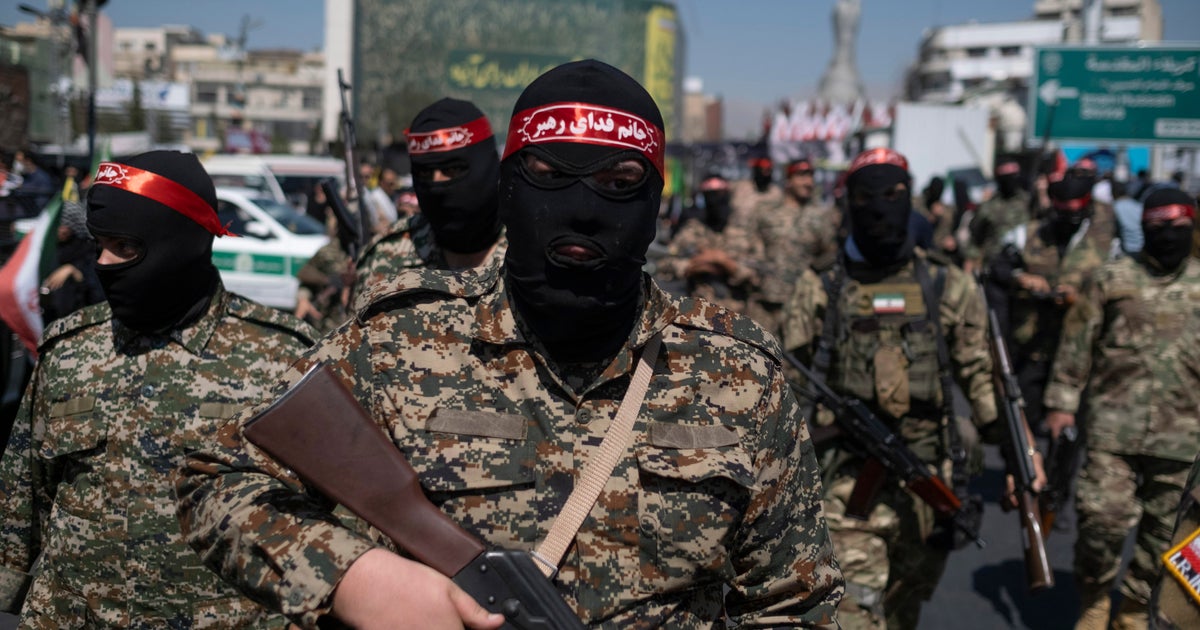
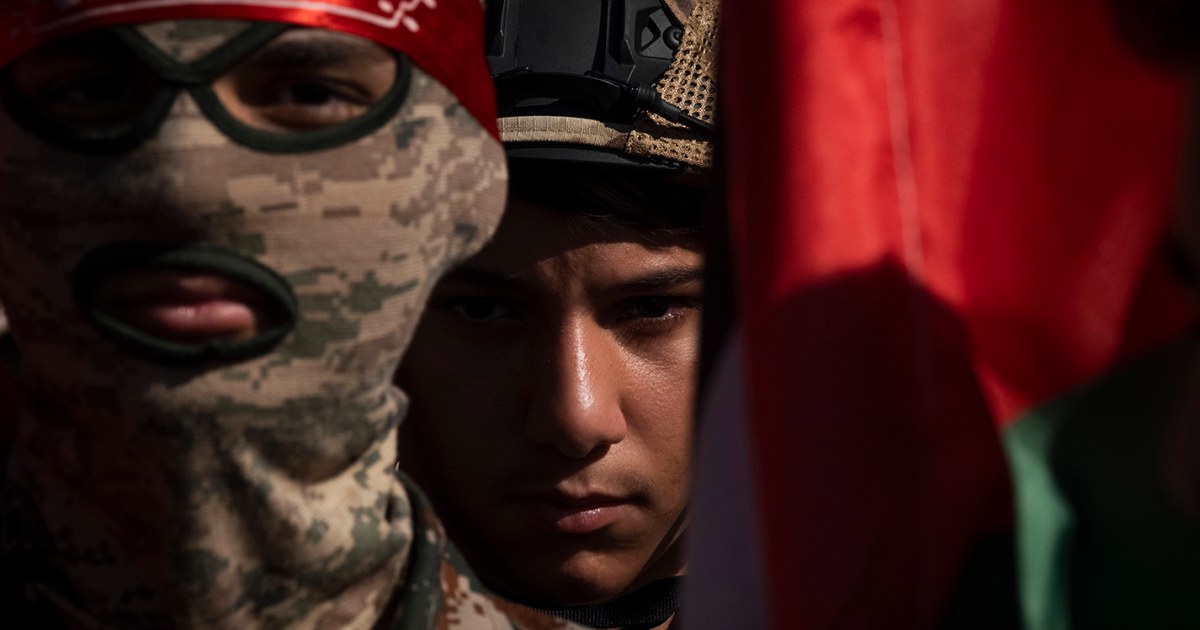
On September 21, Iran’s Revolutionary Guards threatened to use new weapons against different targets if the US were to attack again. A spokesman for the corps stated that Iran is prepared to introduce innovative weaponry in response to any further aggression and suggested readiness for a prolonged conflict. The statement comes amid ongoing tensions but recent easing of hostilities between the two countries, following a spike in August.
Written locally by qwen2.5:14b on 2026-09-21,
using this article's own text rather than the other coverage of the
same event (that is the story summary below).
Story summary
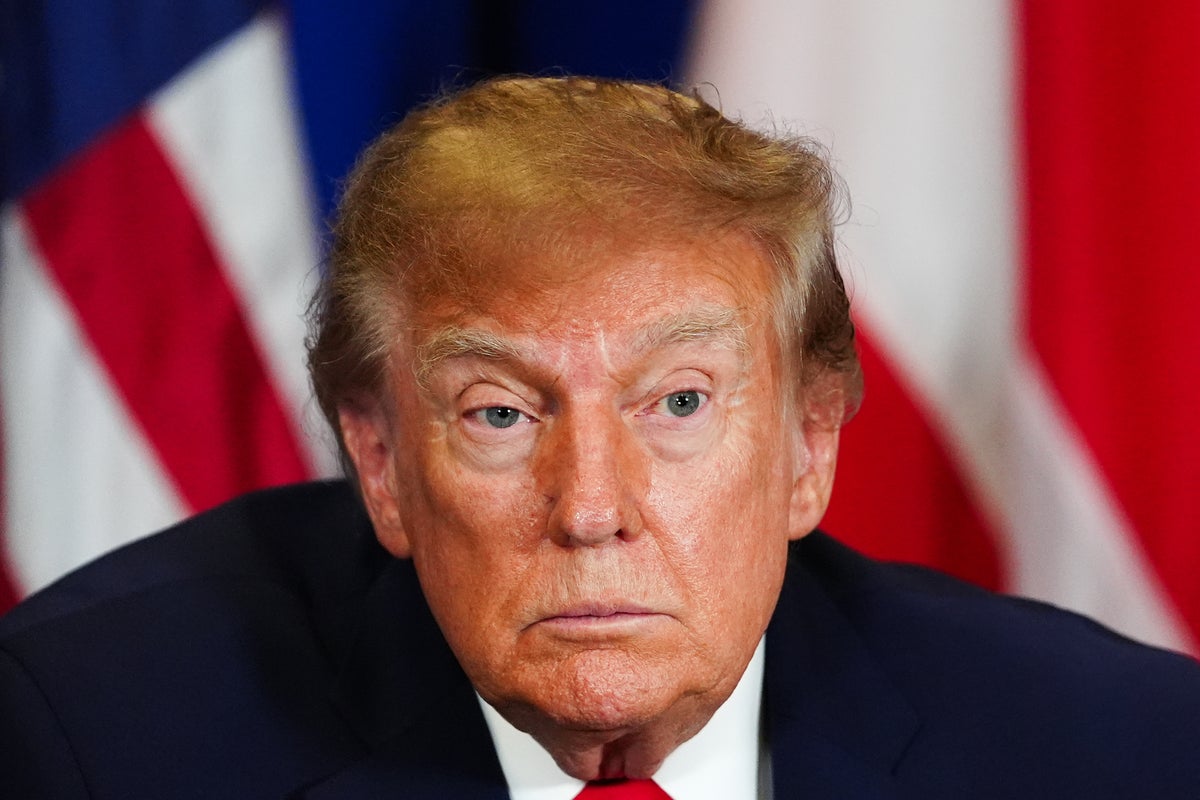
US President Donald Trump met with Chinese President Xi Jinping, where Xi pressed Trump to adopt Beijing's stance against Taiwan independence, which Taiwan rejected outright. Meanwhile, Taiwan is crucial for global tech and economy due to its leading semiconductor production; TSMC alone produces the majority of advanced chips that power smartphones, AI systems, and more. As Stanford Hoover fellow Eyck Freymann noted, economic disruption from a conflict over Taiwan would be severe.
In unrelated developments, Iranian President Masoud Pezeshkian met with US media at the UN General Assembly, where he denied Iran's nuclear ambitions while offering to dilute its enriched uranium and allow inspections under international law. He also blamed Washington for ongoing conflicts in the Middle East. The International Atomic Energy Agency (IAEA) estimates that Iran has over 440 kilograms of uranium enriched up to 60%, raising concerns despite Pezeshkian's denials.
Taiwan's representative, Ambassador Alexander Yui, clarified during an interview on CBS’s "Face the Nation" that while Taiwan was discussed between Trump and Xi, it wasn't a major focus. He emphasized there has been no change in US policy towards Taiwan amid recent tensions with China.
Written for “Taiwan Iran Us Relations Midterms” on 2026-10-05,
grounded in this article and the 386 other(s) covering the same event.
Iran’s Guards threaten to hit new targets with new weapons if US attacks
TEHRAN –
asserted
US → threaten → weapons
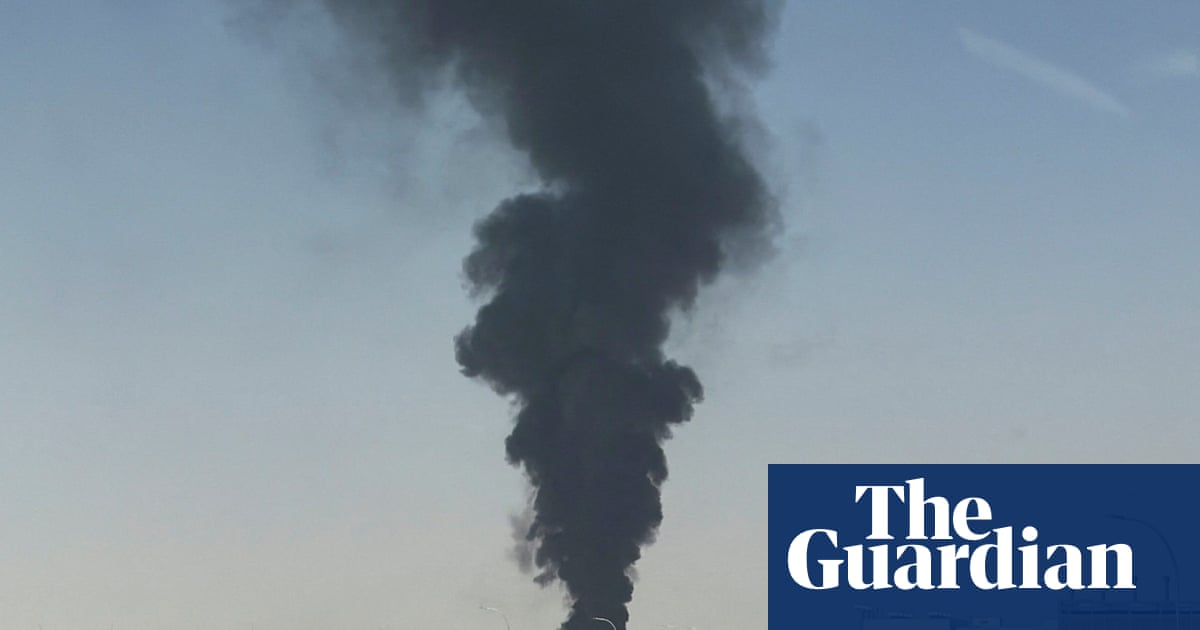
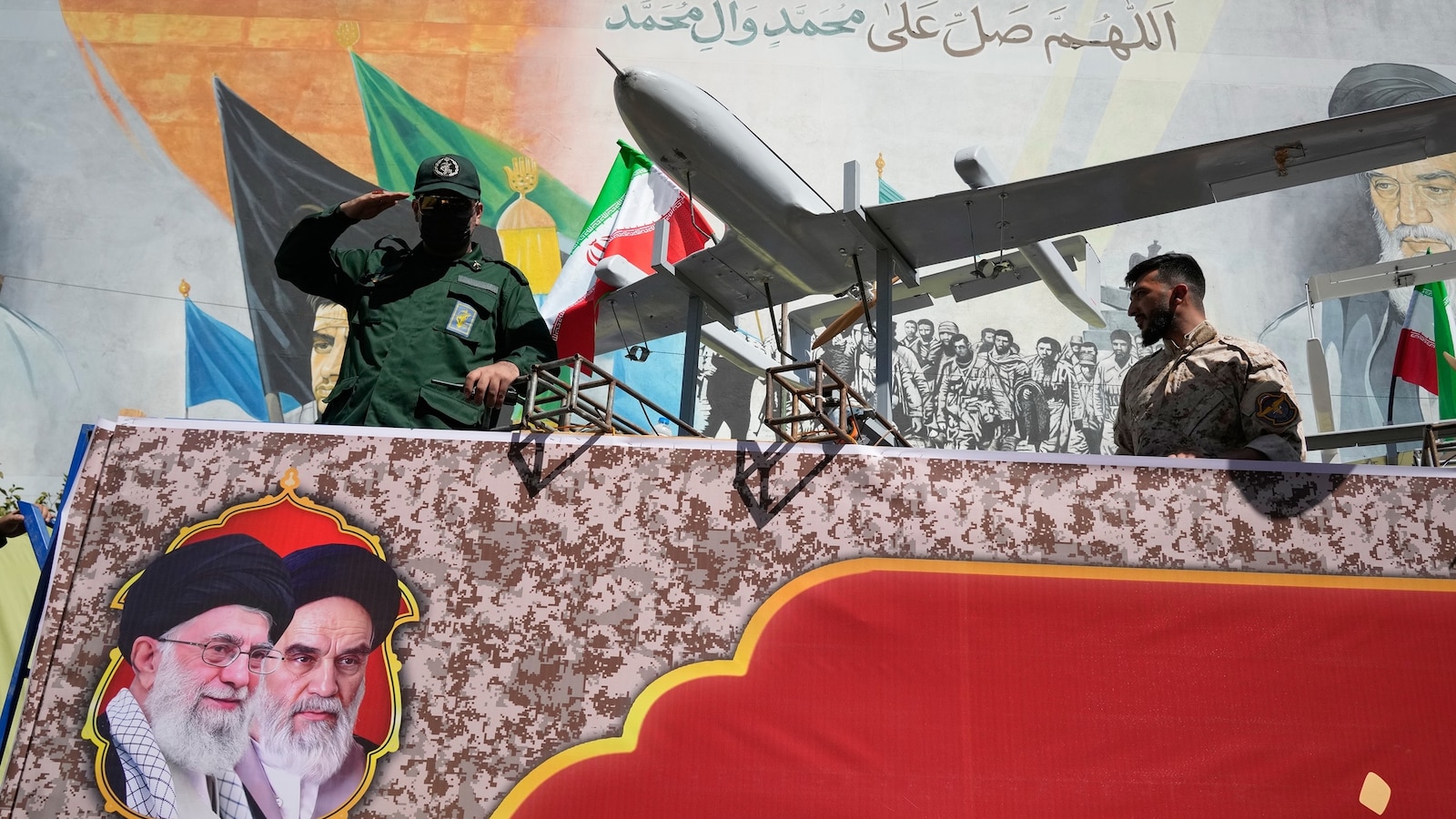
Iran’s Revolutionary Guards warned on Sept 21 that they would attack new targets and deploy new weapons if the US launches further attacks on Iran.
asserted
US → warn → Iran
Almost seven months into their war, Tehran and Washington remain locked in a stalemate, though neither side appears willing to return to full-scale war.
asserted
side → lock → war
In a statement, a spokesman for the Islamic Revolutionary Guards Corps, the ideological arm of Iran’s military, said “there will certainly be significant changes in our defence and our counteroffensive” in the event of a new US attack.
asserted
spokesman → say → attack
“We will introduce new weapons with new capabilities into the battlefield, and the world will be surprised,” he said.
asserted
he → introduce → battlefield
“Our targets will not necessarily be the same as before either,” he added.
asserted
he → add → ?
“We have new targets that have not yet been attacked.”
asserted
that → have → targets
The Guards also said they were prepared for a “prolonged war”.
asserted
they → say → war
On Sept 19, the central command of Iran’s military said the US was planning new action against Tehran, according to state television, but it did not elaborate.
uncertain
it → say → television
Fighting between the US and Iran has eased in recent days after a flare-up at the end of August, though Tehran continues sporadic attacks on commercial ships in the Strait of Hormuz.
asserted
Tehran → ease → Hormuz
Both sides are maintaining rival blockades in the waterway in an effort to exert pressure.
asserted
sides → maintain → pressure
The war has spread to Yemen, with the country’s Iran-backed Houthis taking more territory from the Saudi-backed government and the group launching attacks on Saudi targets, including the capital Riyadh.
asserted
war → spread → capital
 The Aporia