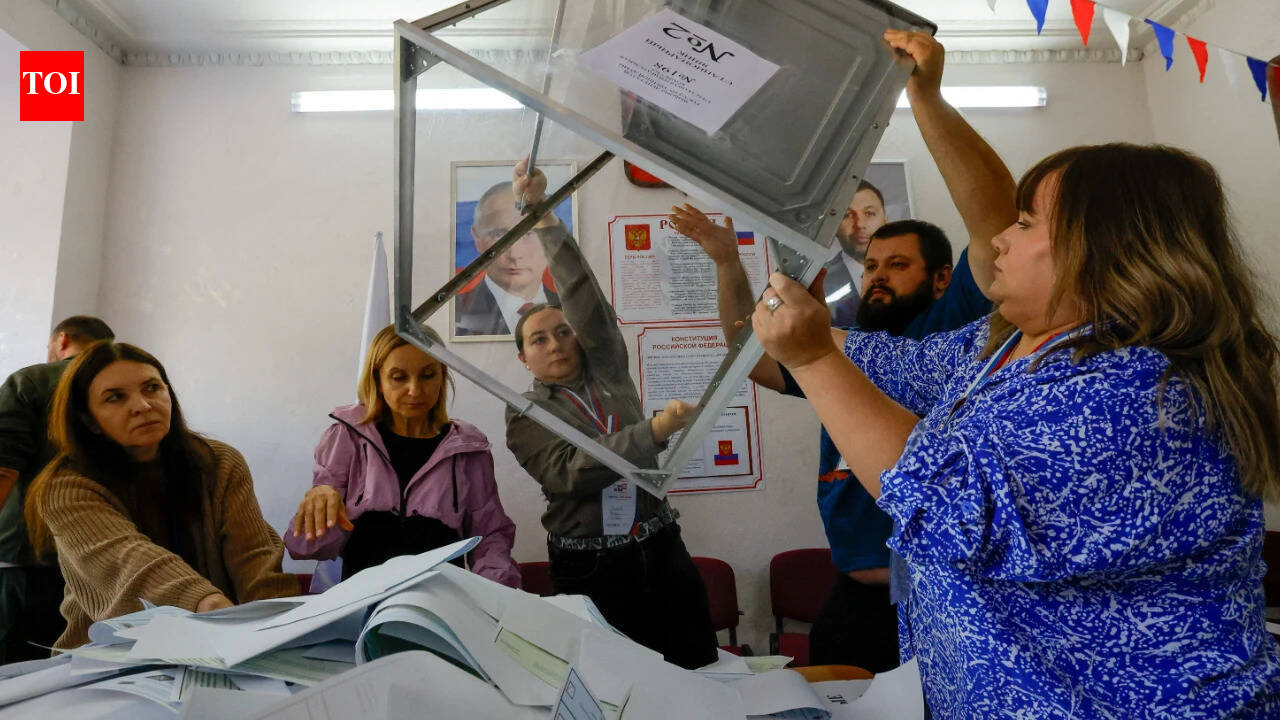
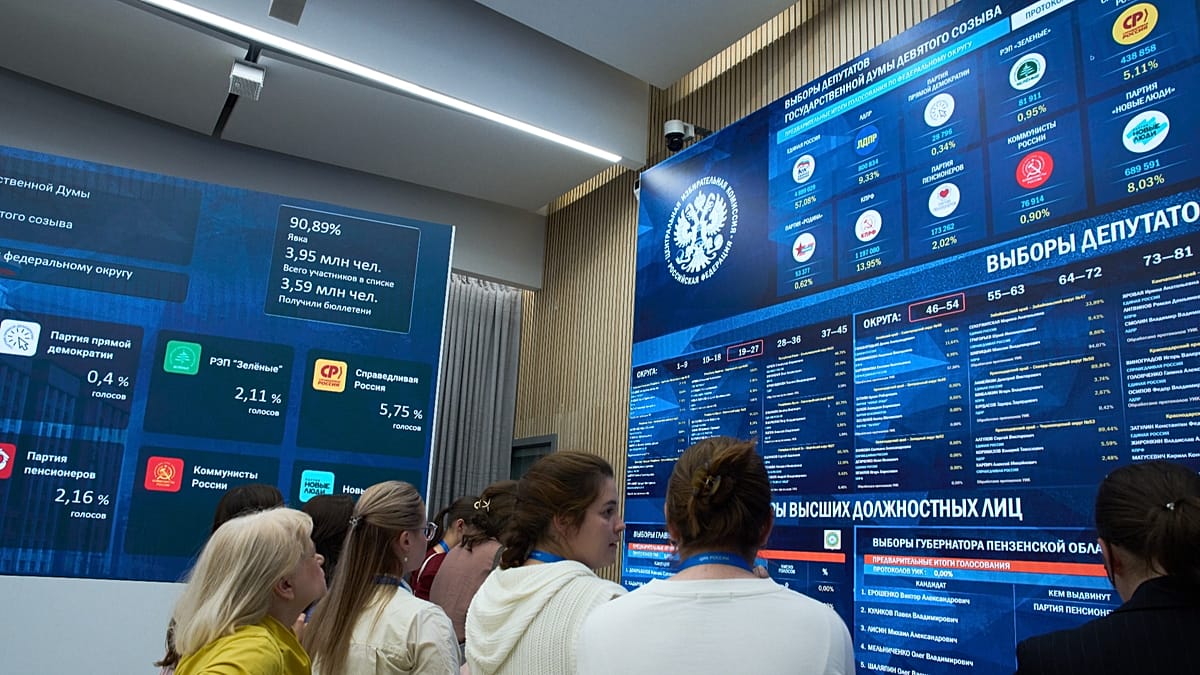
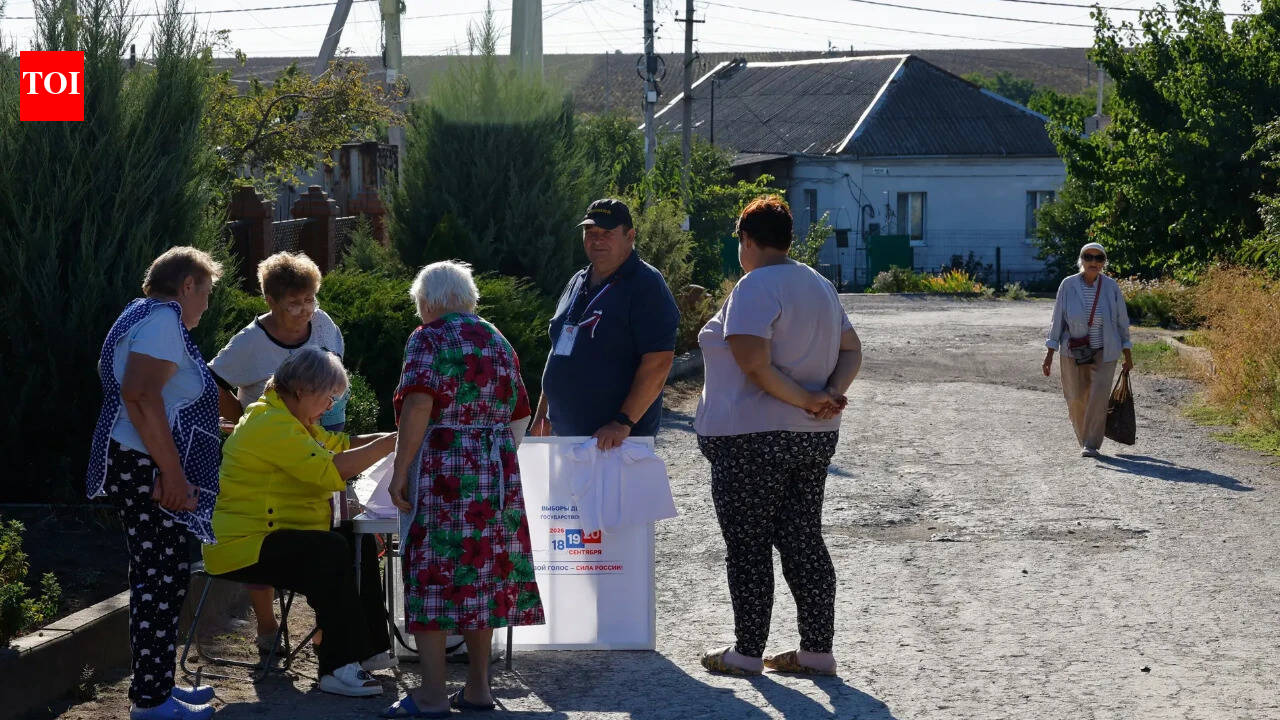
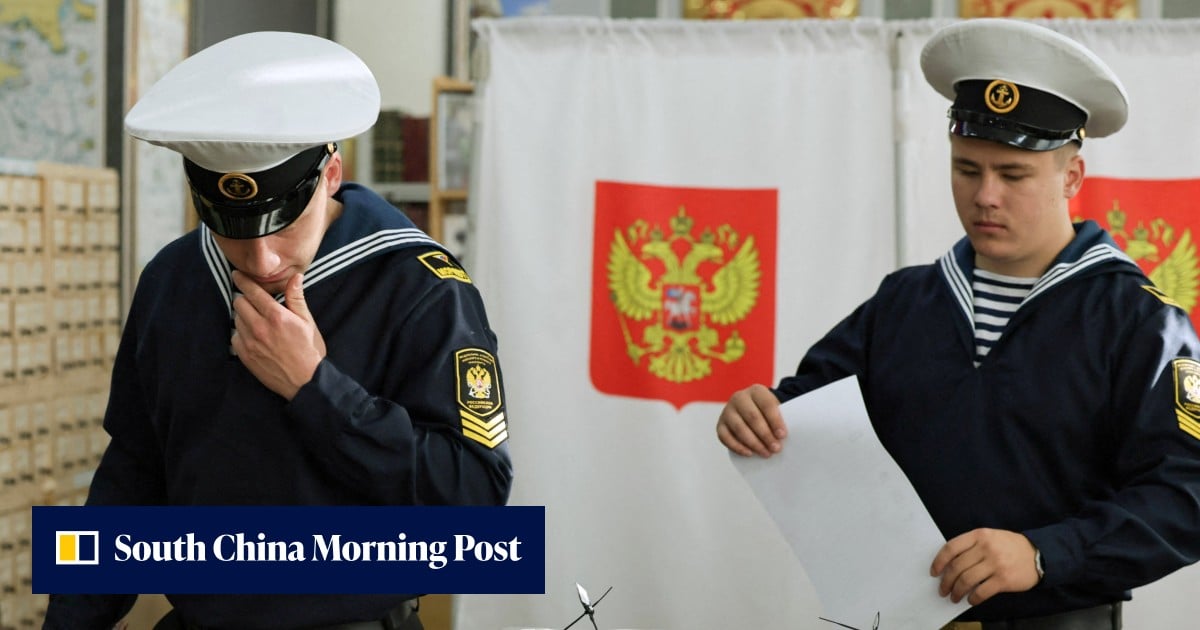
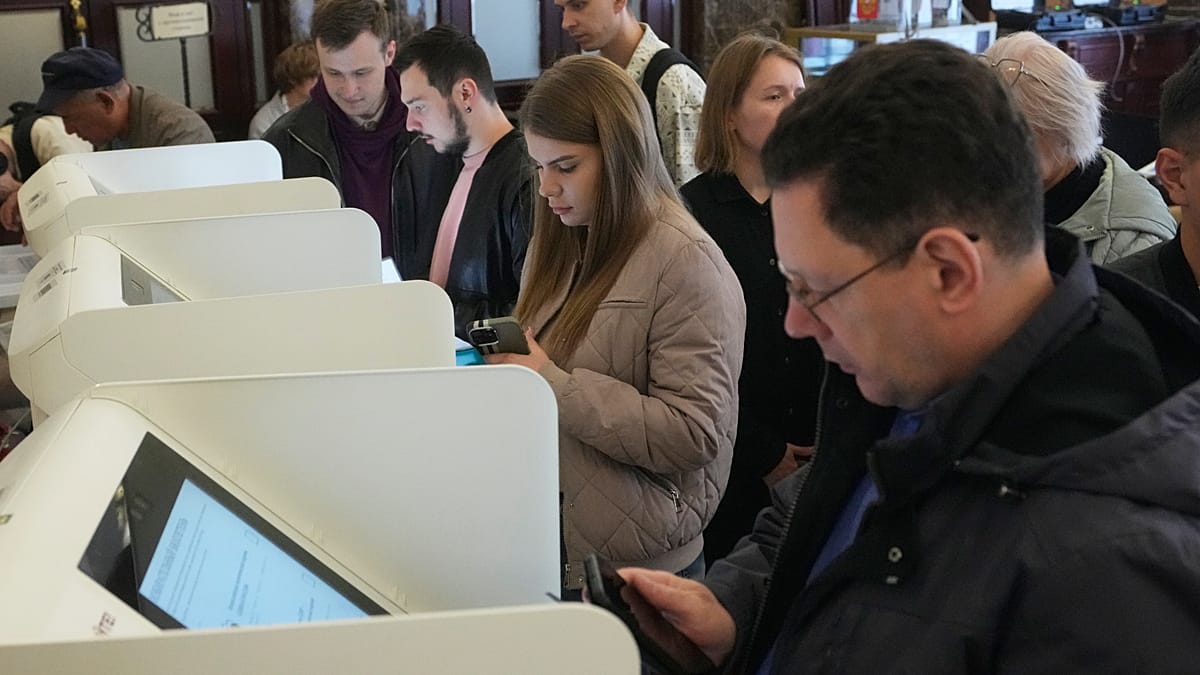
Russia's ruling United Russia party, which supports President Vladimir Putin, led preliminary parliamentary election results with 57.5% of the vote on Sunday, according to CNN. The election, held amid ongoing military conflict in Ukraine, saw a high turnout of 56.66%, but lacked meaningful opposition due to political restrictions. Putin used the event to rally public support for his government and military policies, emphasizing unity among Russians. Final results are expected by September 25.
Written locally by qwen2.5:14b on 2026-09-21,
using this article's own text rather than the other coverage of the
same event (that is the story summary below).
Story summary
Russian parliamentary elections, held from September 18-20, were widely expected to see United Russia, President Vladimir Putin's party, maintain its dominance over the State Duma (lower house of parliament). Despite critics arguing that the outcome was predetermined and would have no significant impact on the country’s future, Russian authorities made persistent efforts to ensure high voter participation under current electoral law. The elections came amidst increasing war fatigue and economic hardship due to Ukraine's drone strikes targeting oil refineries and warehouses within Russia, causing fuel shortages and internet blackouts.
Exit polls conducted by independent groups at embassies and consulates abroad revealed starkly different results from those inside Russia: New People, an opposition party, garnered around 45% of the votes compared to United Russia’s reported near-58% support domestically. These discrepancies highlight a divergence between domestic and international perceptions of Putin's popularity, with many Russian expatriates opposing the war and expressing anxiety over its economic and social consequences.
Critics argue that these elections are more about demonstrating the regime's resilience than reflecting genuine public sentiment or political contestation, given the tight control exercised by the Kremlin.
Written for “Russia's Wartime Elections” on 2026-10-05,
grounded in this article and the 64 other(s) covering the same event.
Russia's ruling United Russia party, which supports President Vladimir Putin, has taken a strong early lead in the country's State Duma elections, securing 57.5 per cent of the vote in initial results.
asserted
which → rule → results
The three-day parliamentary election ended on Sunday, with the final results expected by September 25, according to CNN.
uncertain
results → end → CNN
Early figures released by Russia's Central Election Commission showed United Russia well ahead of other parties.
asserted
Russia → release → parties
The election is the first parliamentary vote since Russia launched its full-scale invasion of Ukraine in February 2022.
asserted
Russia → launch → February
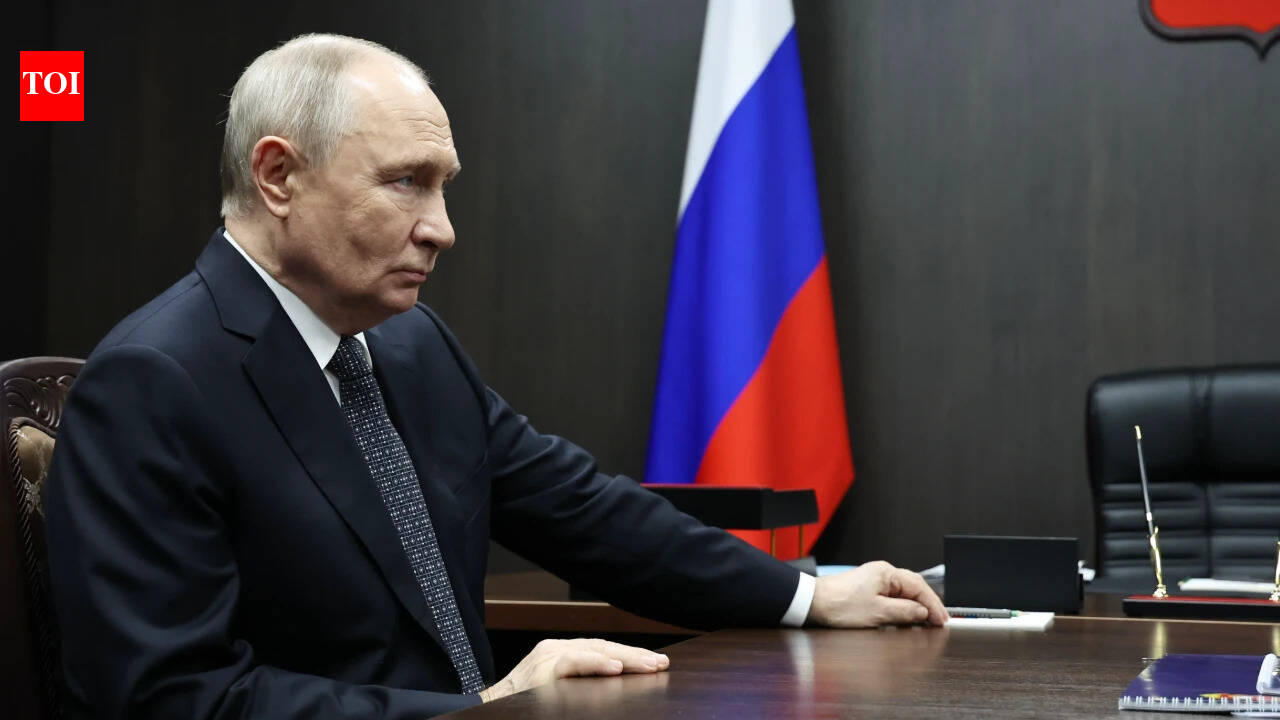
Putin has sought to present the poll as a measure of public support for his government's domestic and military policies.
asserted
Putin → seek → policies
Putin links vote to support for troops
Ahead of the election, Putin urged Russians to turn out and portrayed the poll as a show of unity behind the country's military campaign.
asserted
Putin → link → campaign
“Your choice and determination will show once again that millions of people are backing our fighters and that we stand together, united by shared values, our historical memory, love for our Motherland,” Putin said, according to CNN.
Putin himself was not a candidate in the election.
uncertain
Putin → show → election
He is due to face voters in the next presidential election in 2030.
asserted
He → face → 2030
United Russia won 324 of the 450 seats in the State Duma in the previous parliamentary election in 2021.
asserted
Russia → win → 2021
Opposition largely absent
The election took place in a tightly controlled political environment, with CNN reporting that meaningful opposition to the Kremlin was largely absent.
asserted
opposition → take → Kremlin
Yabloko, the country's only registered anti-war party, was prevented from contesting the federal party-list election after Russia's Supreme Court barred it last month.
asserted
Court → prevent → it
Overall voter turnout stood at 56.66 per cent, according to the Central Election Commission, while participation in Moscow was also reported to be high.
uncertain
participation → stand → Moscow
With the result largely expected amid the lack of credible opposition, turnout and the final distribution of the 450 seats are being closely watched.
asserted
turnout → expect → seats
Ukraine war overshadows voting
asserted
war → overshadow → voting
The parliamentary election coincided with intensified military activity between Russia and Ukraine.
asserted
election → coincide → Russia
CNN reported that Ukraine launched more than 1,000 drones towards Moscow and the surrounding region on Sunday.
asserted
Ukraine → report → Sunday
Russian officials said at least two people were killed and a major oil refinery was damaged.
asserted
refinery → say → ?
Moscow Mayor Sergei Sobyanin said the attacks were intended to disrupt the election.
asserted
attacks → say → election
Ukraine has not independently confirmed that claim.
uncertain
Ukraine → confirm → claim
The Kremlin is expected to use the election result to demonstrate domestic support for Putin and his policies, including the war in Ukraine.
asserted
Kremlin → expect → Ukraine
Russian citizens living abroad also took part in the three-day vote.
asserted
citizens → live → vote
In India, Russian Ambassador Denis Alipov cast his ballot in New Delhi.
asserted
Alipov → cast → Delhi
Five polling stations were established for Russian citizens across India, including in Delhi, Kolkata, Mumbai, Chennai and Goa.
asserted
stations → establish → Delhi
The final results are expected to be announced by September 25, when the composition of the next State Duma will become clear.
asserted
composition → expect → Duma
 The Aporia