That is 0 articles you have read today.
The Aporia is free and carries no advertising, so readers are the only
thing paying for it. If you are getting this much out of it, a small
donation is what keeps it independent.
Daily limit reached
You have read 0 articles today.
That is more than the 15 a day The Aporia gives away,
and well past what it can carry on nothing. Your allowance resets at
midnight.
There is no advertising here and nothing about you is sold, so readers
are the only thing paying for it. If the site is worth this much of
your day, it is worth a few dollars.
Everything else stays open: the
maps, the
directory and
search do
not count against this, and neither does re-opening something you have
already read today.
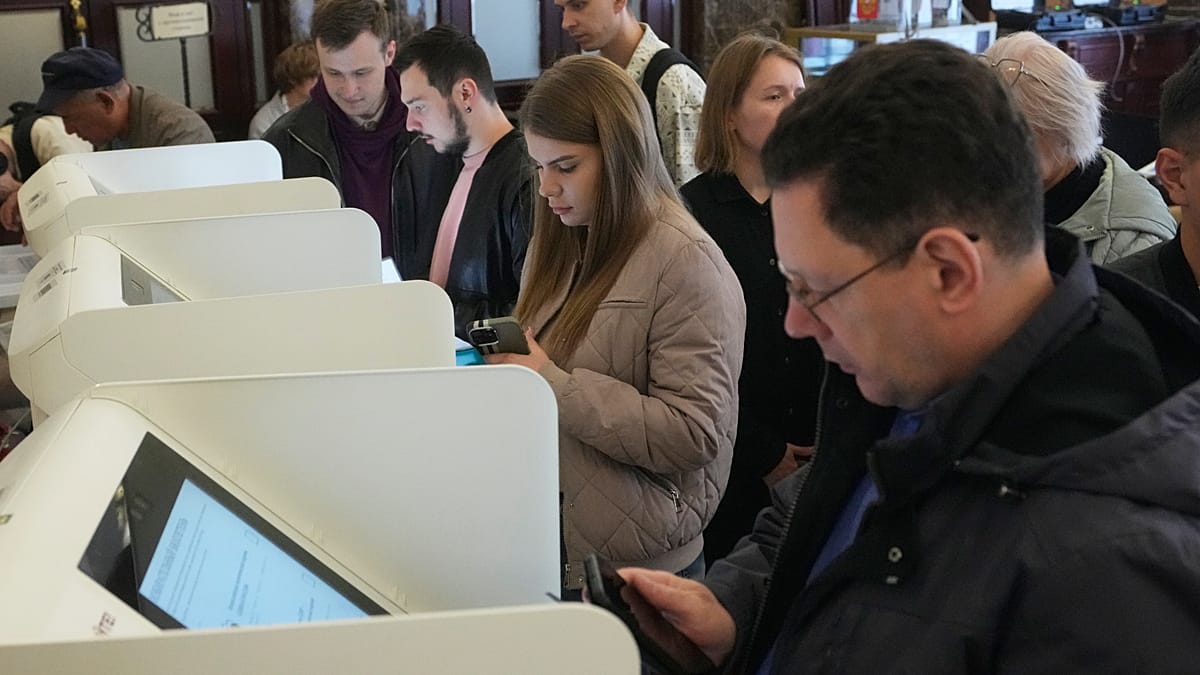
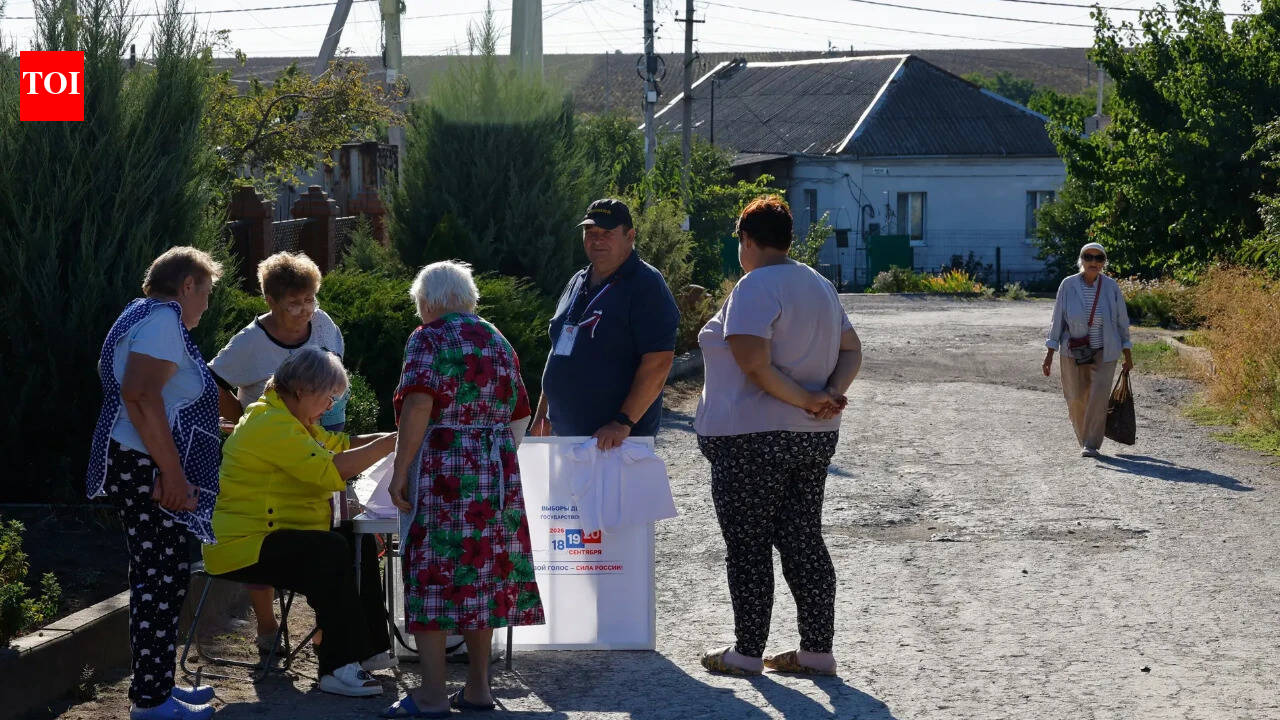
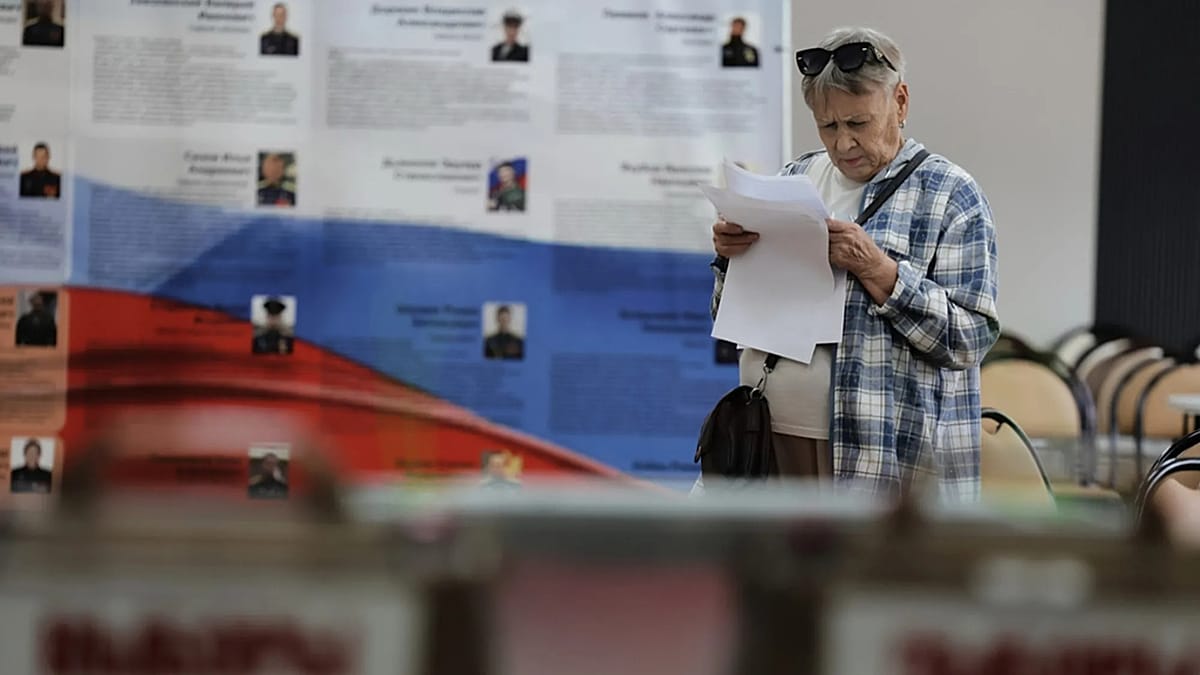
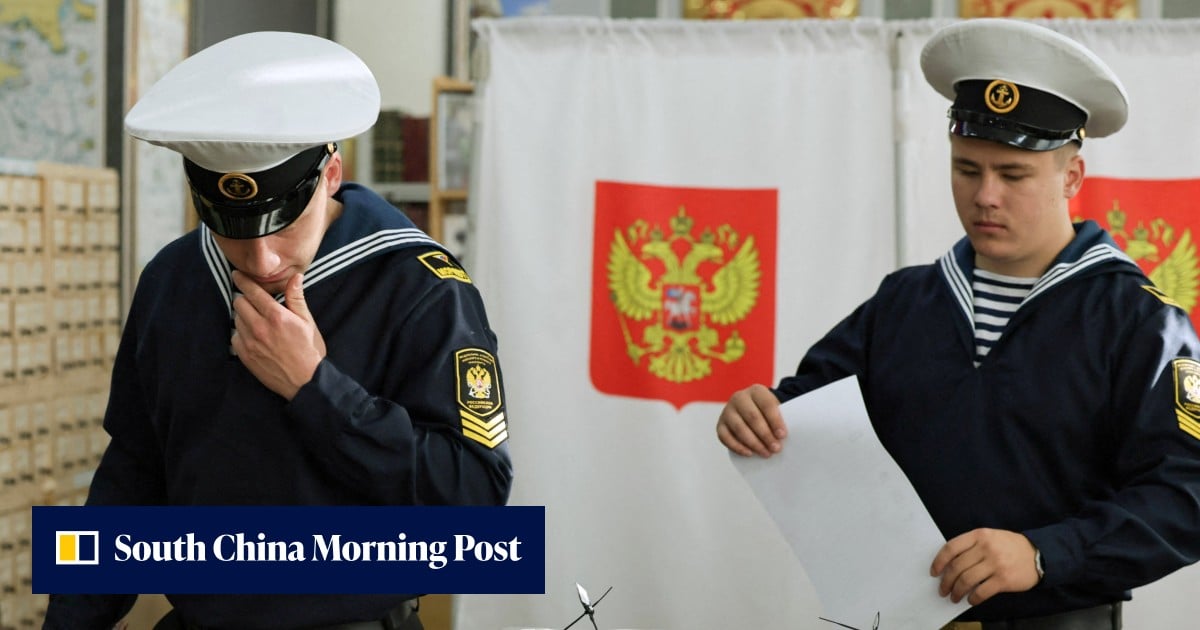
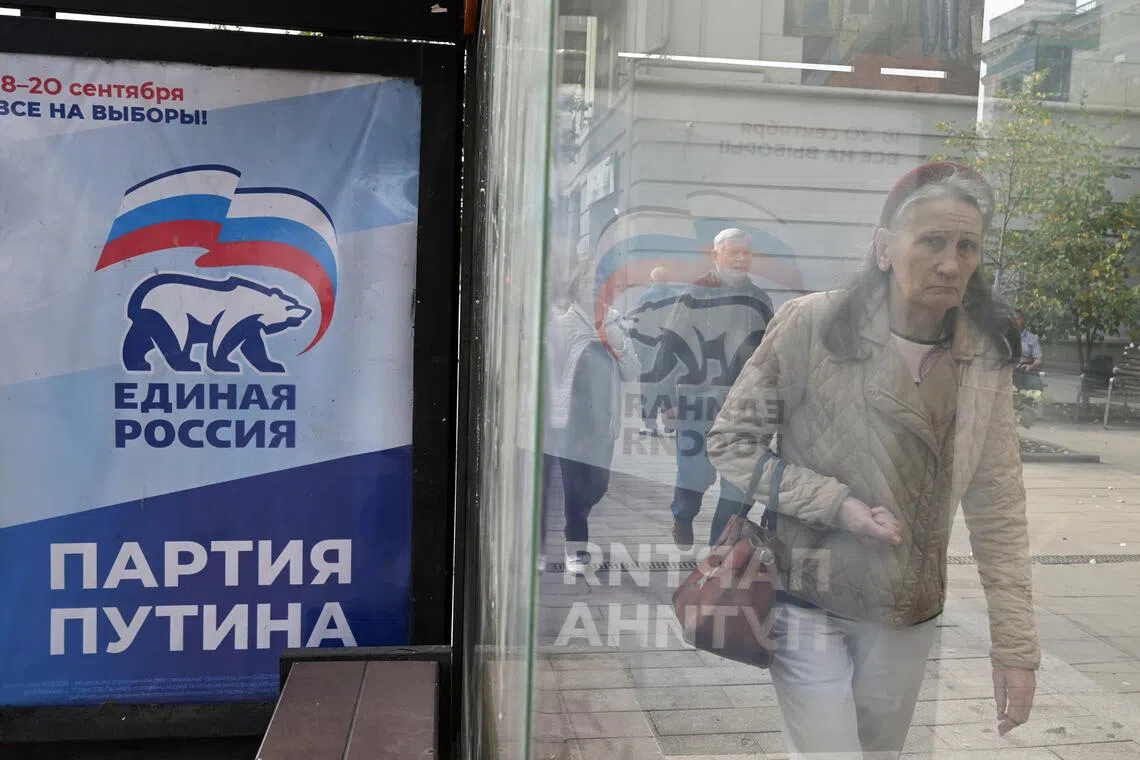
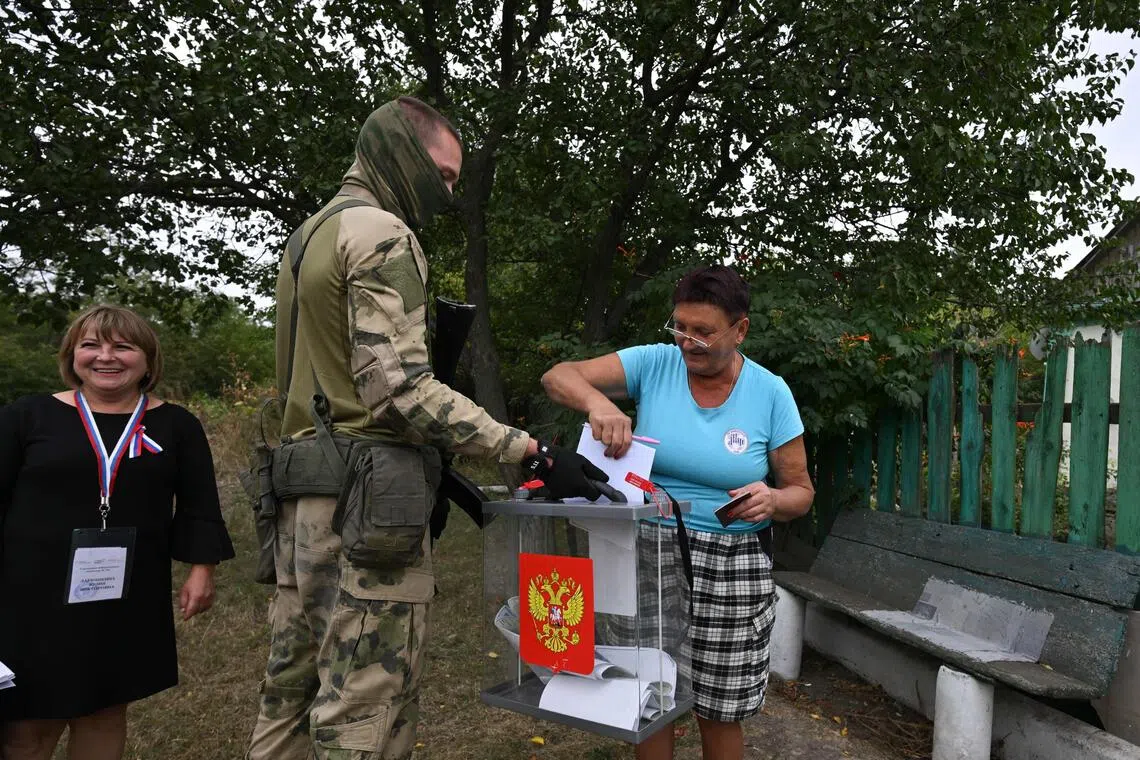
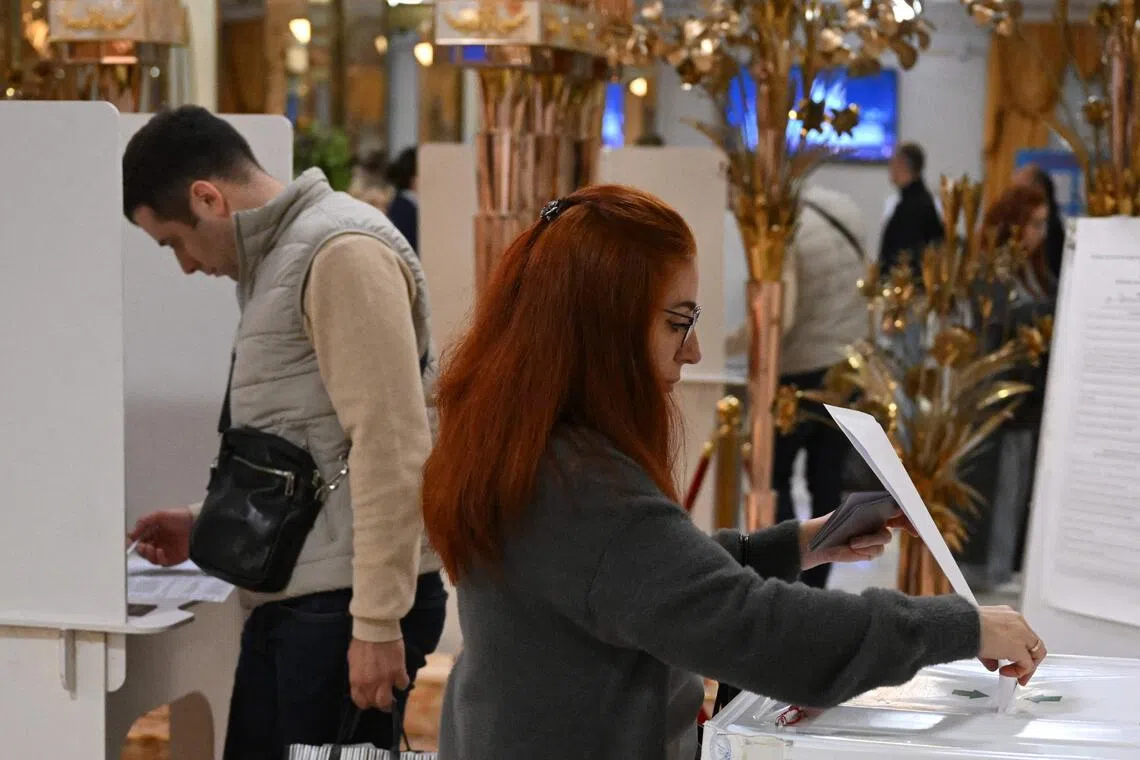
Russia is holding a three-day parliamentary election for its State Duma seats amid the ongoing conflict in Ukraine. About 111 million people are eligible to vote, with high turnout being emphasized by President Vladimir Putin as indicative of national unity and support for the war effort. The election takes place under strict controls, with United Russia expected to maintain dominance while anti-war party Yabloko faces exclusion from certain ballots. Voting is also occurring in Russian-occupied Ukrainian territories, which Ukraine and Western governments deem illegal.
Written locally by qwen2.5:14b on 2026-09-19,
using this article's own text rather than the other coverage of the
same event (that is the story summary below).
Story summary
Russian parliamentary elections, held from September 18-20, were widely expected to see United Russia, President Vladimir Putin's party, maintain its dominance over the State Duma (lower house of parliament). Despite critics arguing that the outcome was predetermined and would have no significant impact on the country’s future, Russian authorities made persistent efforts to ensure high voter participation under current electoral law. The elections came amidst increasing war fatigue and economic hardship due to Ukraine's drone strikes targeting oil refineries and warehouses within Russia, causing fuel shortages and internet blackouts.
Exit polls conducted by independent groups at embassies and consulates abroad revealed starkly different results from those inside Russia: New People, an opposition party, garnered around 45% of the votes compared to United Russia’s reported near-58% support domestically. These discrepancies highlight a divergence between domestic and international perceptions of Putin's popularity, with many Russian expatriates opposing the war and expressing anxiety over its economic and social consequences.
Critics argue that these elections are more about demonstrating the regime's resilience than reflecting genuine public sentiment or political contestation, given the tight control exercised by the Kremlin.
Written for “Russia's Wartime Elections” on 2026-10-05,
grounded in this article and the 64 other(s) covering the same event.
Claims extracted
10
claim-shaped sentences
Uncertain
0%
0 of 10 hedged
Leaning
Centre
of the writing, not the subject · beta estimate
Correction & hedging signals
60.1
corrections and hedging in what we collected;
not a measure of accuracy
Outlets on this story
65
Politics
Narrative spread
1
articles carrying this framing
Russia has begun a three-day parliamentary election to fill all 450 seats in the State Duma, with about 111 million people eligible to vote.
asserted
people → begin → Duma
Polling stations opened first in Kamchatka, Chukotka, Magadan and other eastern regions, where local officials urged residents to turn out.
asserted
officials → open → residents
The Kremlin is closely watching participation, with Vladimir Putin presenting high turnout as a sign of national unity and support for the war in Ukraine.
asserted
Putin → watch → Ukraine
The vote is taking place in a tightly controlled political environment.
asserted
vote → take → environment
United Russia is expected to remain dominant, while the main registered anti-war party, Yabloko, has been excluded from the national party-list ballot.
asserted
party → expect → ballot
Some of its candidates are still running in individual constituencies, although many have also been barred from those races.
asserted
many → run → races
The election also includes remote electronic voting in several regions and is being held in Russian-occupied Ukrainian territories, including Donetsk, Luhansk, Kherson and Zaporizhzhia, as well as Crimea.
asserted
election → include → Donetsk
Ukraine and Western governments consider the polls there illegal.
asserted
polls → consider → ?
Outside Russia, 333 polling stations are operating in 152 countries, while early voting has already taken place in remote areas and among soldiers.
asserted
voting → operate → soldiers
The election comes as the war increasingly affects daily life across Russia, with drone attacks, fuel shortages, economic pressure and renewed fears of mobilisation adding to the tensions surrounding the vote.
asserted
attacks → come → vote
 The Aporia