That is 0 articles you have read today.
The Aporia is free and carries no advertising, so readers are the only
thing paying for it. If you are getting this much out of it, a small
donation is what keeps it independent.
Daily limit reached
You have read 0 articles today.
That is more than the 15 a day The Aporia gives away,
and well past what it can carry on nothing. Your allowance resets at
midnight.
There is no advertising here and nothing about you is sold, so readers
are the only thing paying for it. If the site is worth this much of
your day, it is worth a few dollars.
Everything else stays open: the
maps, the
directory and
search do
not count against this, and neither does re-opening something you have
already read today.
The author discusses a recent Lawfare article titled "The President Doesn't Have Unlimited Power to Impose Import Bans." The piece addresses President Trump's attempt to use Section 338 of the Smoot-Hawley Tariff Act to ban Canadian imports and impose tariffs, which raised concerns about presidential overreach. The author argues that such actions are unconstitutional without congressional approval, citing legal precedents like Learning Resources, Inc. v. Trump. The article emphasizes that while some statutes grant the president authority to restrict imports, this power is limited and cannot be interpreted as a blanket authorization for import bans.
Written locally by qwen2.5:14b on 2026-10-05,
using this article's own text rather than the other coverage of the
same event (that is the story summary below).
Story summary
Lawfare published Ilya Somin's article arguing that President Trump did not have unlimited power to impose import bans using Section 338 of the Smoot-Hawley Tariff Act of 1930, which he attempted to use against Canadian imports. Some feared this act would give Trump broad authority over imports, but courts have already constrained similar presidential actions on tariffs, as seen in the Supreme Court's decision in Learning Resources, Inc. v. Trump. This case struck down Trump’s tariffs imposed under the International Emergency Economic Powers Act of 1977 (IEEPA). Despite this, Trump claimed he had the power to impose devastating trade embargoes. However, Somin asserts that just like tariffs, import bans fall under congressional authority rather than executive powers, thus preventing the president from having unchecked control over imports.
Written for “President's Trade Powers Debate” on 2026-10-05,
grounded in this article and the 0 other(s) covering the same event.
Why this leaning score
The model judged this article politically coded and scored it -0.35, but every quote it verified points right, so the score is not published.
Written under an earlier scoring contract, which gave a paragraph
rather than checkable quotes. Re-analysing this article replaces it.
Leaning score withheld for article 58120: score contradicts its own evidence · logged 2026-10-05
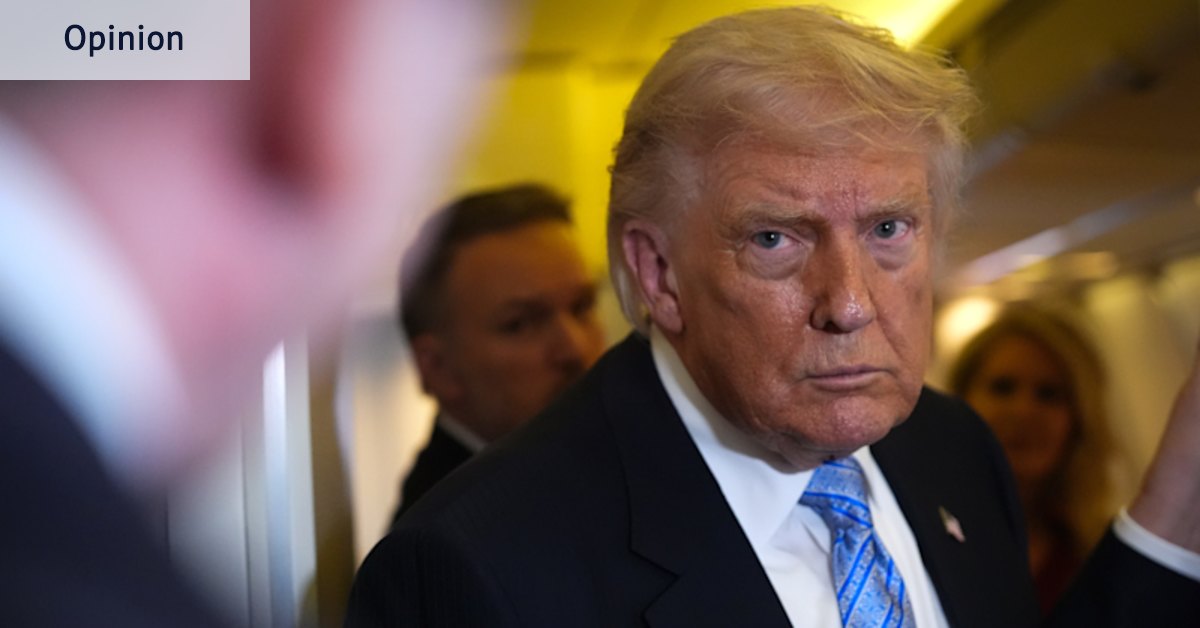
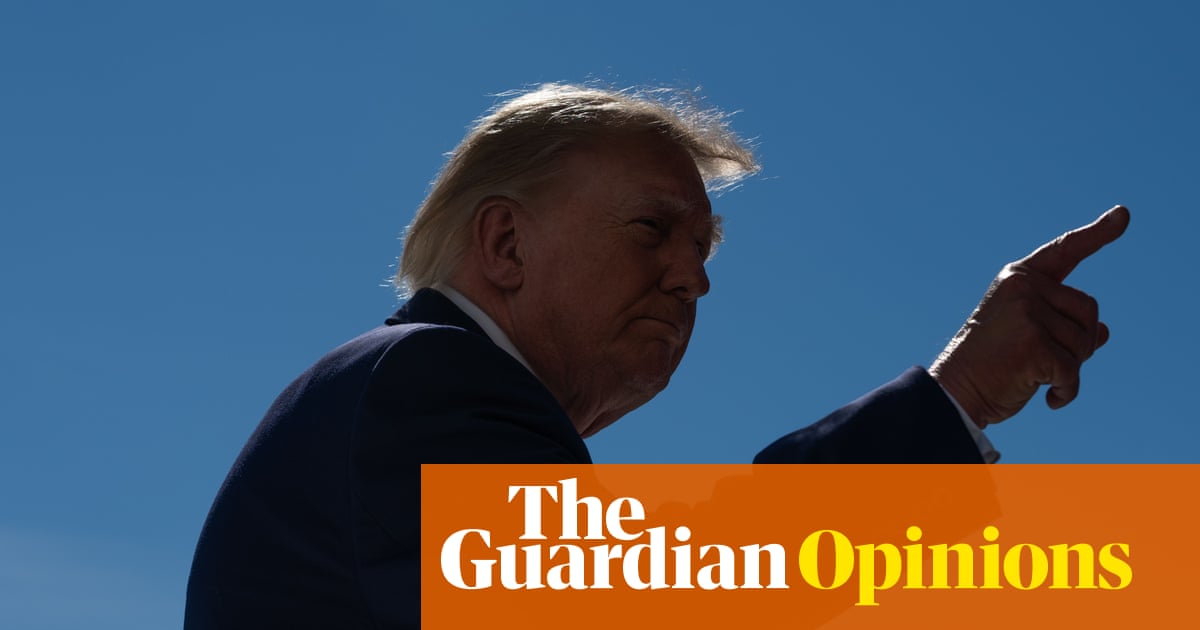
Today, Lawfare published my new article "The President Doesn't Have Unlimited Power to Impose Import Bans."
asserted
President → publish → Bans
President Trump recently tried to use Section 338 of the notorious Smoot-Hawley Tariff Act of 1930 to ban several categories of Canadian imports outright, as well as to impose tariffs on others.
asserted
Trump → try → others
This led some to fear that Trump has discovered a largely unlimited power for the president to restrict imports.
asserted
president → lead → imports
Courts have thus far constrained Trump's efforts to impose sweeping tariffs, most notably in the Supreme Court's decision in Learning Resources, Inc. v. Trump (a case I helped litigate), which struck down Trump's massive imposition of tariffs under the International Emergency Economic Powers Act of 1977 (IEEPA).
asserted
which → constrain → 1977
Trump himself said after the IEEPA decision that "I can destroy the trade.
asserted
I → say → trade
I'm even allowed to impose a foreign country destroying embargo.
asserted
I → allow → embargo
Thus, the president cannot impose import bans without congressional authorization.
asserted
president → impose → authorization
While some statutes delegate import restriction authority to the president, that power is strictly limited.
asserted
power → delegate → president
And, as with tariffs, interpreting these authorities in a way that gives the president a blank check to impose import bans would run afoul of the major questions doctrine and constitutional nondelegation.
asserted
that → interpret → doctrine
It remains to be seen whether Trump or a future president might decide to claim sweeping authority to impose import bans at will.
uncertain
Trump → remain → will
But when and if such an effort materializes, courts should strike it down.
asserted
courts → materialize → it
The rest of the article goes into the relevant issues in greater detail, including considering several statutes that might potentially be used in any effort to institute sweeping executive-imposed import bans.
uncertain
that → go → bans
 The Aporia