DNA reveals new 3-pound wild cat species in Bolivia after a century

Read the original at Times of India ↗
Times of India · collected 2026-09-18 · by TOI Science Desk

Quick Summary

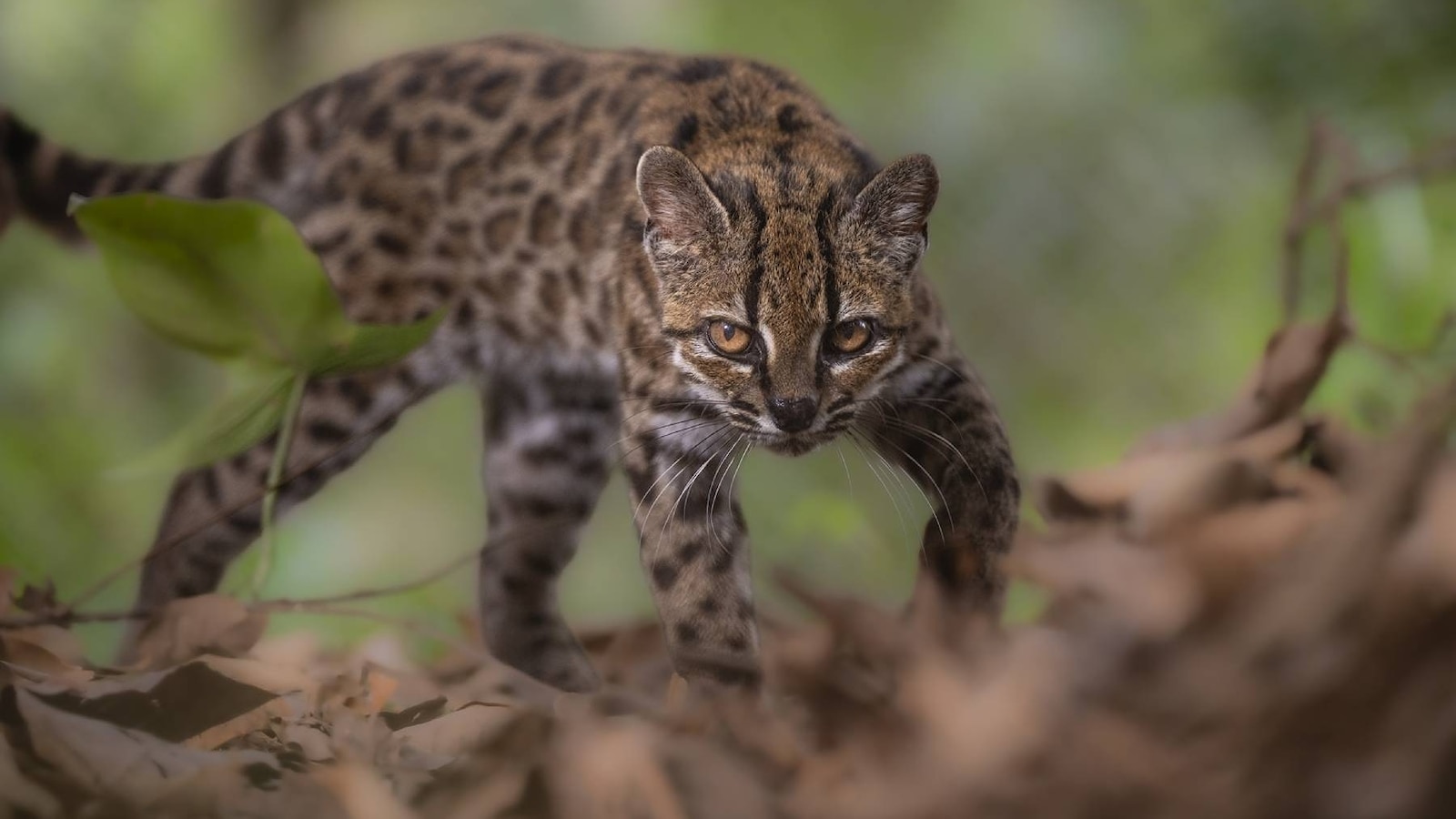
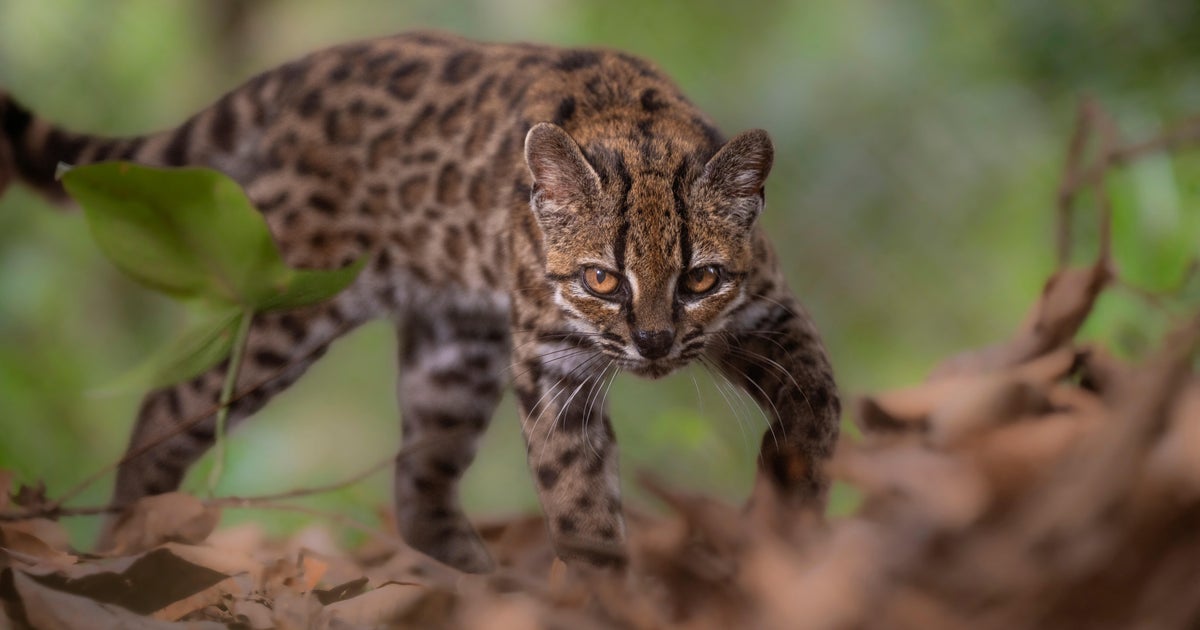
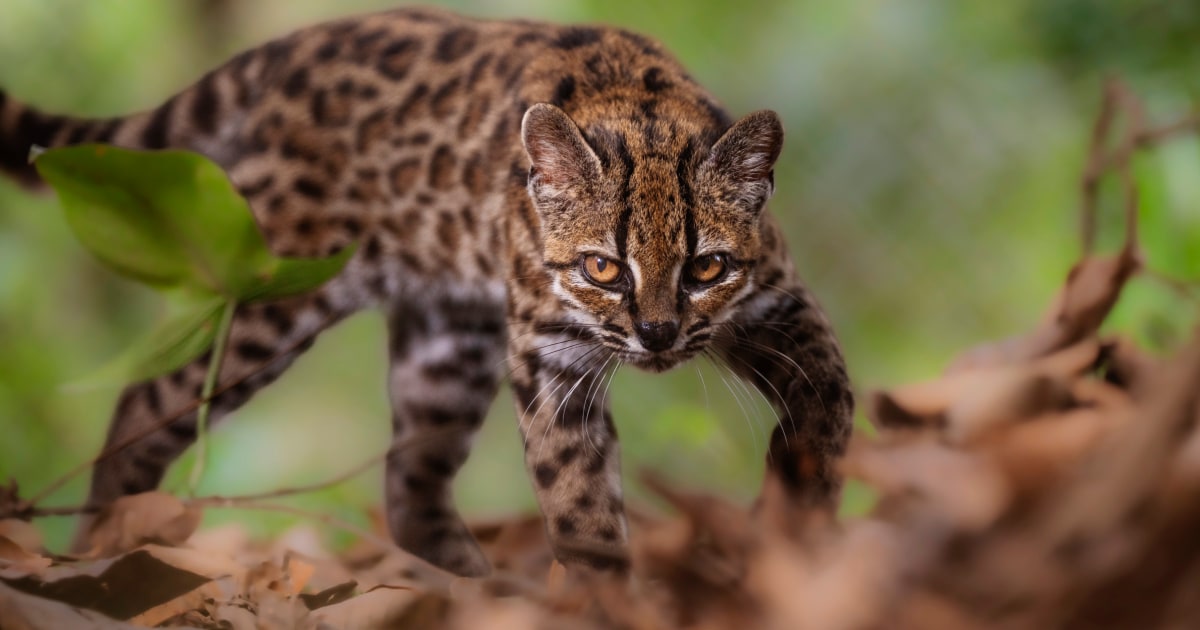
Scientists have discovered a new small wild cat species in Bolivia’s Andes mountains after DNA analysis revealed it was distinct from other similar felines. The Leopardus tilcayo, or tilcayo cat, weighs just three pounds and is native to the Yungas cloud forest. Its discovery marks the first new living feline species identified in over a century. Researchers found that what were previously considered a single group of tiger cats actually comprises several distinct species through genetic comparisons with 38 wild cats. The tilcayo cat, distinguished by larger spots and a longer tail, remains elusive due to its rarity and difficulty in identification through camera traps.
Written locally by qwen2.5:14b on 2026-09-20, using this article's own text rather than the other coverage of the same event (that is the story summary below).

AI analysis runs on qwen2.5:14b, locally

Story summary

Summary of New Feline Species Discovery

Additional Insights

Written for “New Cat Species Bolivia” on 2026-10-05, grounded in this article and the 16 other(s) covering the same event.

Signals How these are calculated →

Claims extracted
24
claim-shaped sentences
Uncertain
12%
3 of 24 hedged
Leaning
not political
takes no side on a contested political question
Correction & hedging signals
59.1
corrections and hedging in what we collected; not a measure of accuracy
Outlets on this story
17
Science
Narrative spread
1
articles carrying this framing
Analyzed 2026-09-20 · how these are computed

Story

📰 New Cat Species Bolivia
Science · 17 article(s) covering the same event. See how they differ ↓

How this is being covered How these are calculated →

Article leaning vs. publisher reliability
Source leaning vs. consistency

Compared with similar articles

This article reads unscored and hedges 12% of its claims. Each row says how that neighbour differs.
ABC News (US) · 0.91 cosine similarity
⚖️ leaning not scored 🔴 5% hedged 1 of 21 📰 publisher trust 59
“Both articles describe the discovery of the same newly identified wild cat species, Leopardus tilcayo (tilcayo cat), in Bolivia's Yungas cloud forest, marking the first new feline species identification in over a century.”
Daily Mail · 0.90 cosine similarity
⚖️ leaning not scored 🔴 13% hedged 3 of 23 📰 publisher trust 65
“Both articles describe the discovery and identification of the same new feline species, Leopardus tilcayo, in Bolivia's cloud forests on the same date.”
CBS News · 0.89 cosine similarity
⚖️ leaning not scored 🔴 9% hedged 1 of 11 📰 publisher trust 66
“Both articles describe the discovery of a new species of wild cat in Bolivia, identified through DNA analysis and mistaken for other small cats previously.”
Toronto Star · 0.89 cosine similarity
⚖️ leaning not scored 🔴 0% hedged 0 of 19 📰 publisher trust 63
“Both articles describe the discovery of a new wild cat species in Bolivia, specifically identified as Leopardus tilcayo or the tilcayo cat, which marks the first such discovery in over a century.”
BBC News · 0.88 cosine similarity
⚖️ leaning not scored 🔴 12% hedged 3 of 24 📰 publisher trust 78
“Both articles describe the discovery of a new wild cat species in Bolivia based on DNA studies, confirming it as the first new living feline species in over a century.”
CBC News · 0.88 cosine similarity
⚖️ leaning not scored 🔴 25% hedged 7 of 28 📰 publisher trust 77
“Both articles report on the discovery of the same new cat species, Leopardus tilcayo (tilcayo cat), in Bolivia's cloud forest, marking the first new living feline species identified in over a century.”
The Guardian · 0.87 cosine similarity
⚖️ leaning not scored 🔴 23% hedged 6 of 26 📰 publisher trust 68
“Both articles describe the discovery and identification of a previously unknown small wild cat species in Bolivia's cloud forest, with similar details on its characteristics and historical significance.”
The Hindu · 0.87 cosine similarity
⚖️ leaning not scored 🔴 23% hedged 6 of 26 📰 publisher trust 60
“Both articles describe the discovery and identification of a new cat species called Tilcayo in Bolivia's cloud forest, which marks the first time a new living cat species has been described in over a century.”
Al Jazeera · 0.86 cosine similarity
⚖️ leaning not scored 🔴 27% hedged 4 of 15 📰 publisher trust 60
“Both articles describe the discovery and identification of a new species of wild cat in Bolivia's cloud forests, occurring on the same date.”
NBC News · 0.85 cosine similarity
⚖️ leaning not scored 🔴 12% hedged 5 of 40 📰 publisher trust 95
“Both articles describe the discovery and identification of the same new wild cat species, Leopardus tilcayo or Tilcayo tiger cat, in Bolivia.”

Publisher

Times of India · 1705 article(s) · 1 correction(s) detected
Running correction rate · 1 correction(s)
2026-10-04
Tennessee prison chief Frank Strada resigns after Christa Pike's botched execution

Who wrote this

TOI Science Desk
165 article(s) here · 1 carrying a prediction
🔮 A fishing trip along the Rio Grande led a La Joya, Texas, seventh-grader to investigate whether discarded shellfish shells could help remove pollution from water.
🔮 About 3 million single-use face masks could be used to build the base of a one-kilometre, two-lane road, according to research by engineers at Australia's RMIT University that explored a way to turn discarded masks and construction waste into road-building material.
🔮 The seventh-grader from BASIS Independent Silicon Valley in San Jose designed an atmospheric water generator that pulls moisture from humid air, then tested whether sound could make it more effective.
🔮 Her goal was to explore whether an inexpensive device could support health surveillance in rural communities, where access to advanced diagnostic tools and disease-monitoring systems is often limited.
🔮 Seychelles also agreed to create a marine spatial plan to decide how its ocean would be protected and used.
🔮 This gives value to wool that might otherwise have few cost-effective uses.
🔮 The study, published in Agriculture, also found that the fabric could keep insects away while still allowing light, rain and air to reach the crops.
🔮 said returning rufous bettongs to Ngambaa Nature Reserve would help restore an important ecosystem engineer to the landscape while contributing to the long-term security of the species.
🔮 The project abstract describes the system as a scalable framework, but broader agricultural deployment would require further testing under different field conditions and at larger scales.
🔮 After the Hamburg, Michigan, fall in early 2018, the subsequent owners recognised that the old stone could have scientific value.
Wire or desk byline, not an individual reporter.
Also by TOI Science Desk
Nothing else under this byline is closely related to this article, so these are simply their most recent.
All 165 articles by TOI Science Desk →

Topics

Ascarrunz Bolivia Discover Wildlife National Geographic Explorer

Subjects

Discover Wildlife ORG · 2× Ascarrunz ORG · 1× Bolivia GPE · 1× National Geographic Explorer ORG · 1× Paola Nogales Ascarrunz PERSON · 1× istock ORG · 1×

Narrative

Scientists analysed DNA from 38 wild cats, including museum specimens and living animals, and found that what had long been treated as a single group of tiger cats actually represented several distinct species with separate evolutionary histories.
framing: assertive · carried by 1 article(s) · first seen 2026-09-20
🔮 That lack of research could explain why such a distinctive animal escaped scientific recognition for so long.
2026-09-20 · Times of India
DNA reveals new 3-pound wild cat species in Bolivia after a century · assertive framing

Claims (24 extracted, 3 hedged)

A tiny wild cat living quietly in the Bolivian Andes has turned out to be something scientists have been searching for without quite knowing it. asserted
scientists → live → it
Weighing barely three pounds, the animal spent years being mistaken for other small spotted cats. asserted
animal → weigh → cats
Only after researchers compared its DNA with samples from dozens of wild felines did they realise they were looking at something entirely different. asserted
they → compare → something
The discovery of Leopardus tilcayo, now known as the tilcayo cat, marks the description of the first new living feline species in more than a century, states a Discover Wildlife report. asserted
report → know → century
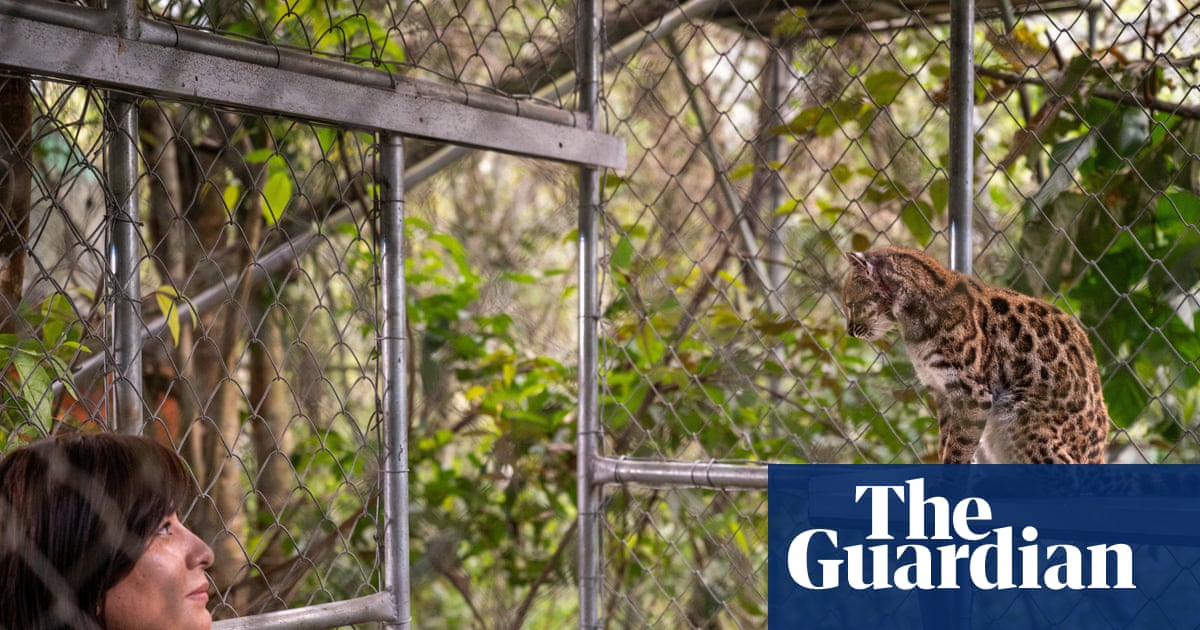
According to the report, the story began in 2017, when a male wild cat was brought to the Senda Verde Wildlife Sanctuary after a local family that had been caring for him turned him over to the sanctuary. uncertain
that → accord → sanctuary
Paola Nogales Ascarrunz, a wild cat conservationist and National Geographic Explorer, encountered the animal while volunteering there. asserted
Ascarrunz → encounter → animal
Its unusual appearance raised questions about exactly what kind of cat had arrived at the sanctuary. asserted
kind → raise → sanctuary
The answer eventually emerged through genetic research. asserted
answer → emerge → research
Scientists analysed DNA from 38 wild cats, including museum specimens and living animals, and found that what had long been treated as a single group of tiger cats actually represented several distinct species with separate evolutionary histories. asserted
treated → analyse → histories
The research formally recognised four other species within the group and identified Leopardus tilcayo as a previously undescribed one. asserted
research → recognise → one
The online report by Discover Wildlife states the tilcayo cat is native to Bolivia's Yungas cloud forest, a mountainous region within the Andes-Amazon basin. asserted
cat → state → basin
The area remains among the least-studied parts of the Neotropical realm, despite its remarkable concentration of species found nowhere else. asserted
area → remain → species
That lack of research could explain why such a distinctive animal escaped scientific recognition for so long. uncertain
animal → explain → recognition
The report adds that the cat measures roughly 18 inches from head to body and weighs around 3 pounds, making it smaller than the average domestic cat. asserted
it → add → cat
Its appearance helps distinguish it from the oncilla, also known as the northern tiger cat. asserted
appearance → help → cat
The tilcayo has larger spots, a longer and more slender tail and comparatively muted fur. asserted
tilcayo → have → spots
The search is only beginning asserted
search → begin → ?
The biggest mystery is how many tilcayo cats are actually living in the wild. asserted
cats → live → wild
Researchers currently cannot determine the species' full range, partly because small tiger cats are notoriously difficult to identify through camera-trap surveys. asserted
cats → determine → surveys
They can easily be confused with oncillas or margays. asserted
They → confuse → oncillas
The sanctuary's male, now ten years old, is the only known individual of the species in protective captivity. asserted
male → know → captivity
To find out whether others are hiding in the Yungas, Ascarrunz is installing camera traps throughout the forest. asserted
Ascarrunz → find → forest
Images of additional animals could reveal the cat's distribution, behaviour and population size, while genetic samples could help confirm whether they belong to the same species, adds the online report. uncertain
report → reveal → species
For now, the tilcayo cat remains one of the rarest wild cats known to science, and a reminder that even in an age of genetic sequencing and remote cameras, there are still species waiting to be found. asserted
cat → remain → sequencing

💬Give feedback
🕘History 🎫Support