Scientists have discovered a new feline species in Bolivia's Yungas cloud forest after it was initially kept as a pet due to its distinctive leopard-like spots. Named Leopardus tilcayo, this small wild cat weighs no more than 3 pounds and is around 18 inches long, smaller than a typical house cat. Researchers identified the new species using genetic testing, distinguishing it from other "tiger cats" and revealing an evolutionary history dating back about 1.4 million years. The discovery highlights concerns for conservation in threatened cloud forest ecosystems.
Written locally by qwen2.5:14b on 2026-09-18,
using this article's own text rather than the other coverage of the
same event (that is the story summary below).
Story summary
Scientists have identified a new species of wild cat in Bolivia's Yungas cloud forest, the first such discovery in over a century. Named *Leopardus tilcayo* and locally called Tilcayo by indigenous communities, this diminutive feline measures about 18 inches (46 cm) long and weighs around 3 pounds (1.4 kg), smaller than an average house cat. Genetic analysis confirmed its status as a distinct species from other South American tiger cats. The discovery highlights ongoing biodiversity in remote regions of the world, potentially aiding conservation efforts for lesser-known wildlife like this newly identified Tilcayo cat.
Written for “New Cat Species Bolivia” on 2026-09-18,
grounded in this article and the 6 other(s) covering the same event.
First new feline species in 100 years discovered in Bolivian forest
The "kitten" with leopard-like spots was initially kept as a family pet.
asserted
kitten → discover → pet
A new "tiger cat" species has been discovered in Bolivia, according to researchers in Current Biology, the first living feline species identified by scientists in over a century.
uncertain
species → discover → century
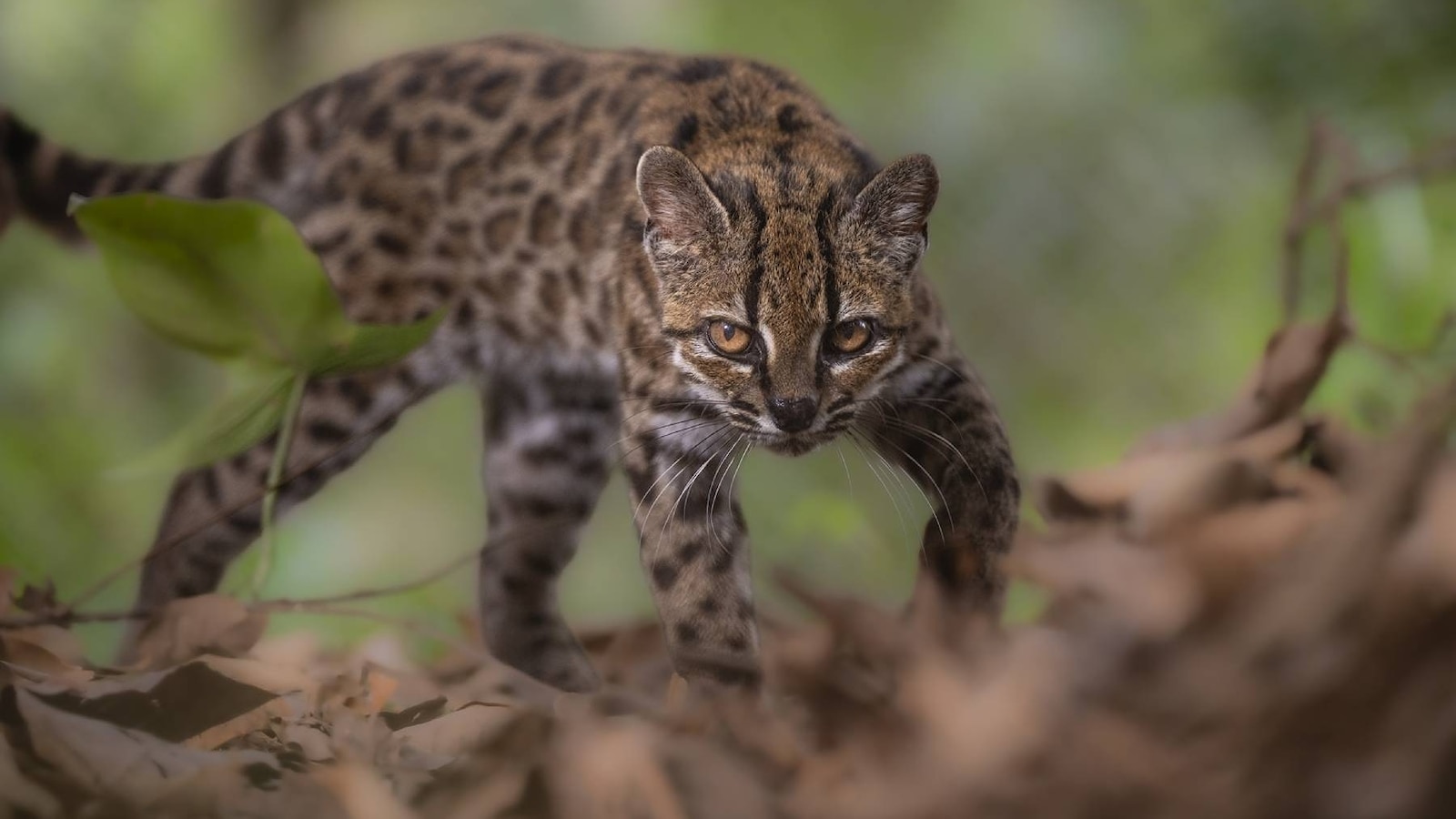
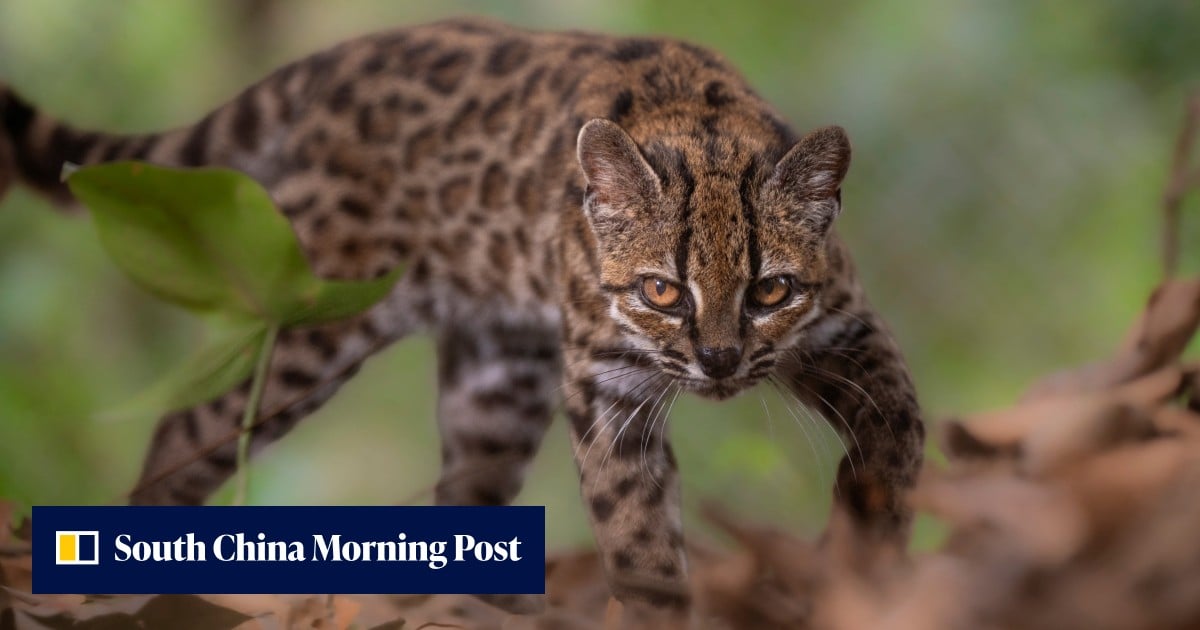
The small wild cat, officially known as Leopardus tilcayo (locally known as the tilcayo cat) is native to Bolivia's Yungas cloud forest, weighing no more than 3 pounds and approximately 18 inches long, making it smaller than the typical house cat.
asserted
it → know → cat
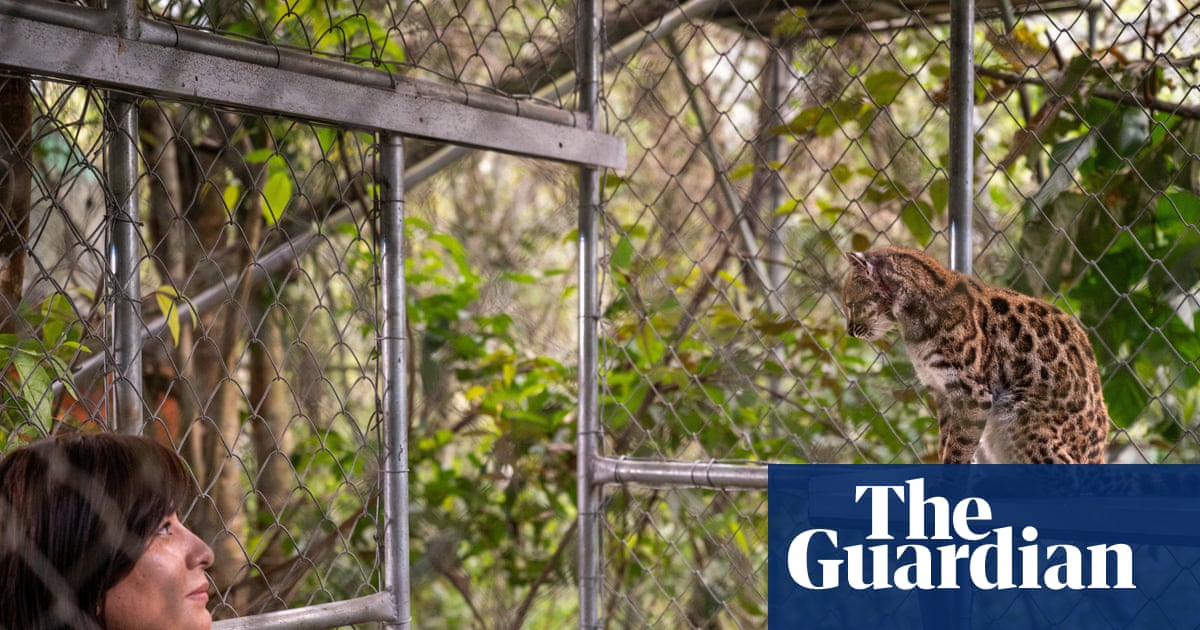
For a year, a "kitten" with leopard-like spots was kept as a pet by a local family, but was later brought to the Senda Verde Wildlife Sanctuary after they recognized it to be a wild animal.
"The first time I saw it, it was really, really small and skinny and I couldn't believe like how small it was", Paola Nogales Ascarrunz, a National Geographic Explorer and the co-author of the study, told ABC News.
asserted
Ascarrunz → keep → News
Compared to other "tiger cats", the tilcayo cat has a small scrunched-up face, small and round ears, with long whiskers.
asserted
cat → compare → whiskers
Nogales Ascarrunz found that this did not match any reference photos of known "tiger cats."
asserted
this → find → cats
The elusive "tiger cats" were previously thought to be one large species, and were frequently misclassified as other similar-looking cats such as the oncillas or margays.
asserted
cats → think → oncillas
Due to advancements in genetic testing, Nogales Ascarrunz and her research team were able to compare the genetic composition of the animal to other similar cats, instead of relying on traditional methods of sorting by appearance.
asserted
Ascarrunz → compare → appearance
By comparing the whole genetic code of the cat at the sanctuary and other similar specimens in museums, researchers were able to identify the new species and another new subspecies within "tiger cats" as well.
asserted
researchers → compare → cats
Scientists believe the tilcayo cat likely evolved from a common ancestor of "tiger cats" around 1.4 million years ago.
asserted
cat → believe → cats
The genetic studies also helped construct an evolutionary tree, better understanding how these wild cats are related to one another.
asserted
cats → help → one
Not much is known about the extent of the cat's environment or its behavior.
asserted
much → know → environment
The 10-year-old male at the sanctuary is the only known tilcayo cat in captivity, but others are believed to have been photographed by camera traps placed in the cloud forests.
asserted
others → believe → forests
The new classification of "tiger cats" has scientists concerned about conservation efforts of the tilcayo cat and other cats like it.
asserted
scientists → have → it
By splitting the larger group of "tiger cats" into smaller species, some of these species are now considered vulnerable by the International Union for Conservation of Nature.
asserted
some → split → Nature
"Currently, this ecosystem is threatened by deforestation, especially with wildfires.
asserted
ecosystem → threaten → wildfires
When they are not controlled ... they start destroying this ecosystem", explains Nogales Ascarrunz.
asserted
Ascarrunz → control → ecosystem
With the media attention worldwide and locally in Bolivia surrounding the discovery, Nogales Ascarrunz said she finds the attention promising to conservation efforts.
asserted
attention → surround → efforts
She is also seeing the interest shift from larger "majestic" cats to the smaller more elusive felines.
asserted
interest → see → felines
"I like to say .... that we always think about big discoveries", Nogales Ascarrunz added.
asserted
Ascarrunz → like → discoveries
"But maybe these new things are just around us ... now with Tilcayo, we have one more reason to conserve this beautiful world."
asserted
we → have → world
 The Aporia