Toronto Star
· collected 2026-09-18 · by Paola Flores The Associated Press
Scientists have identified a new wild cat species in Bolivia, marking the first discovery of this kind in over 100 years. Named Leopardus tilcayo after a local indigenous term, the small feline was spotted at a wildlife sanctuary where it had been residing for years. Researchers used DNA analysis from specimens across South America to confirm that L. tilcayo diverged as a distinct species around 1.4 million years ago, highlighting ongoing biodiversity in well-studied animal families. The team now aims to understand more about the cat’s habitat and behavior to aid conservation efforts amid threats like deforestation and mining.
Written locally by qwen2.5:14b on 2026-09-18,
using this article's own text rather than the other coverage of the
same event (that is the story summary below).
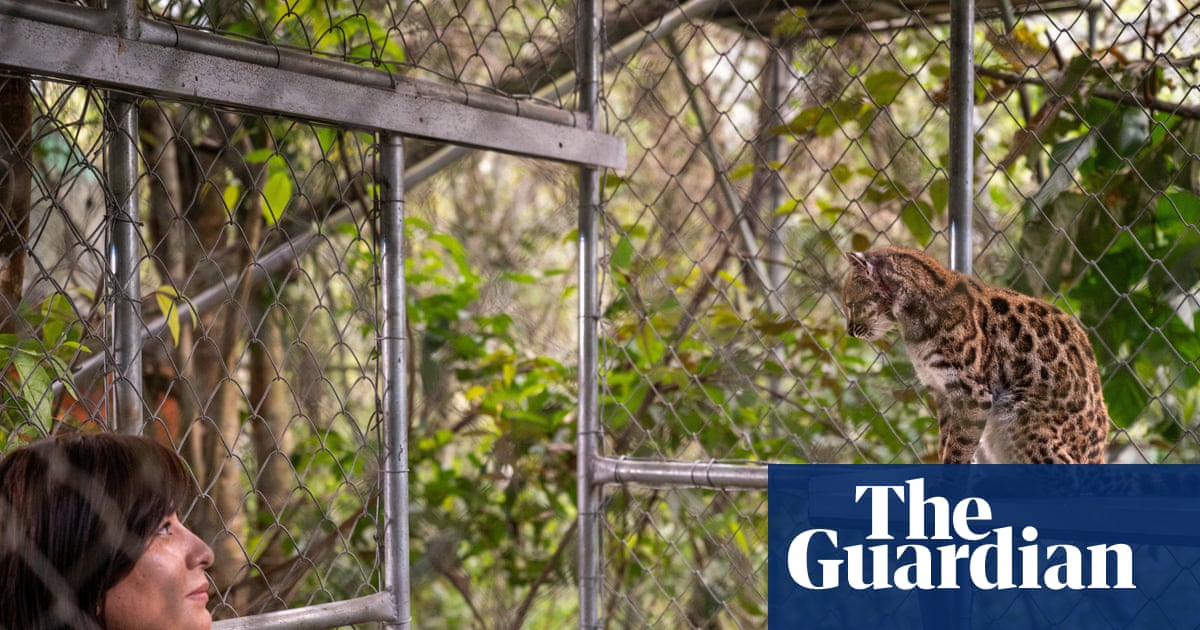
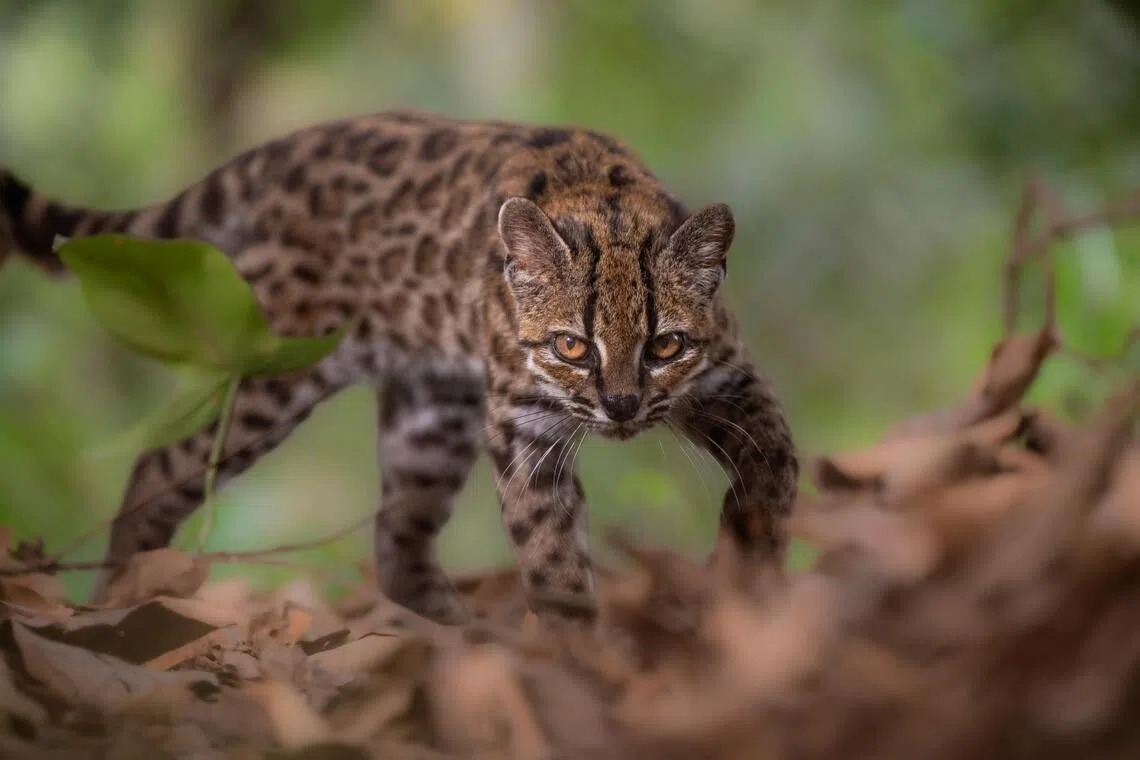
A previously unknown cat species has been identified in plain sight: at a wildlife sanctuary in Bolivia, where the small, spotted feline had been living for years after being taken in by a local family.
asserted
feline → identify → family
The discovery, reported Thursday in the journal Current Biology, marks the first time scientists have named and described a new living wild cat species in more than a century.
asserted
scientists → report → century
Bolivian biologist Paola Nogales-Ascarrunz, a National Geographic explorer and one of the study’s lead authors, said a colleague who thought the cat looked unusual invited her to check it out at the sanctuary in the country’s Yungas region where she volunteered.
asserted
she → say → region
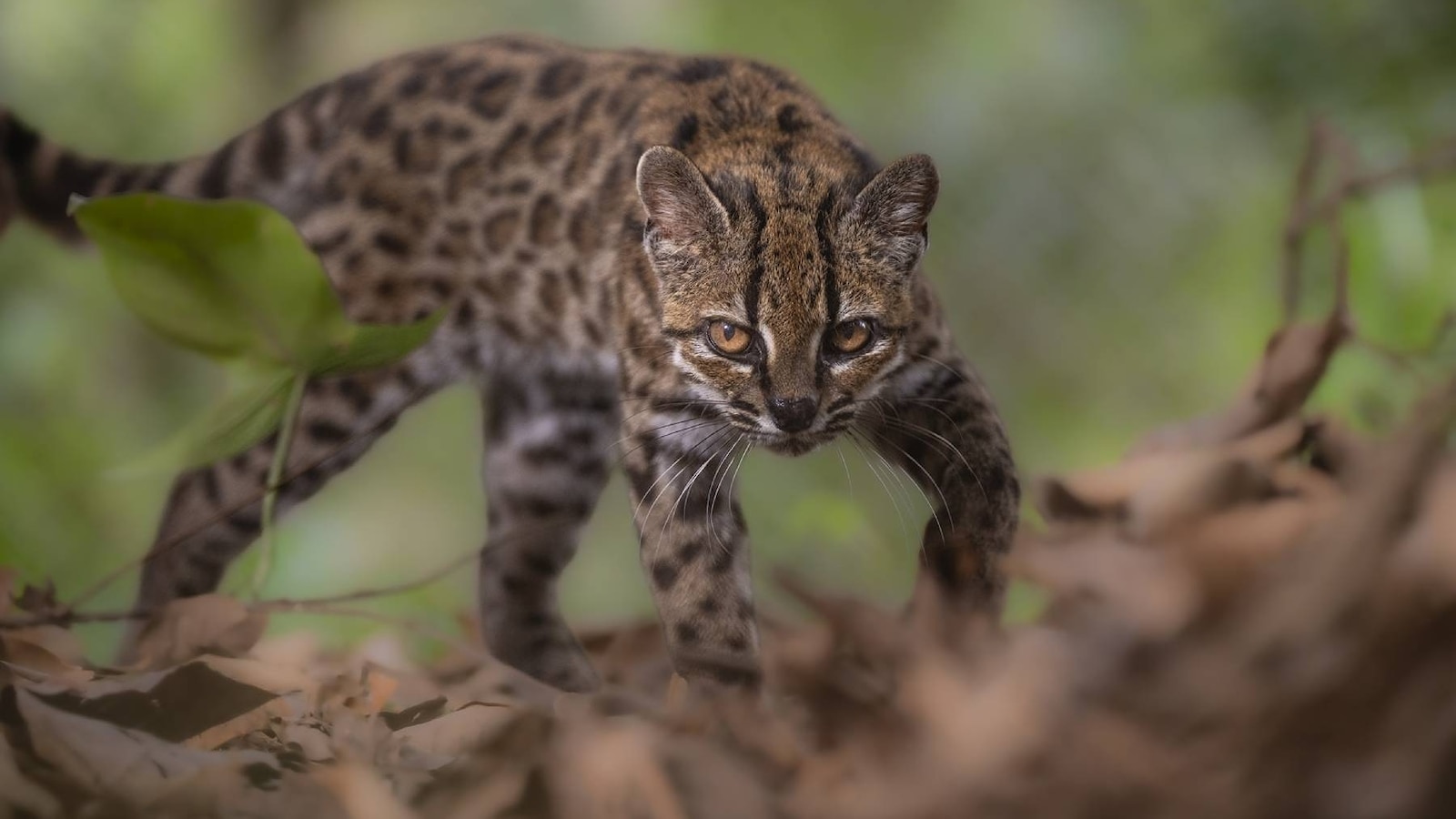
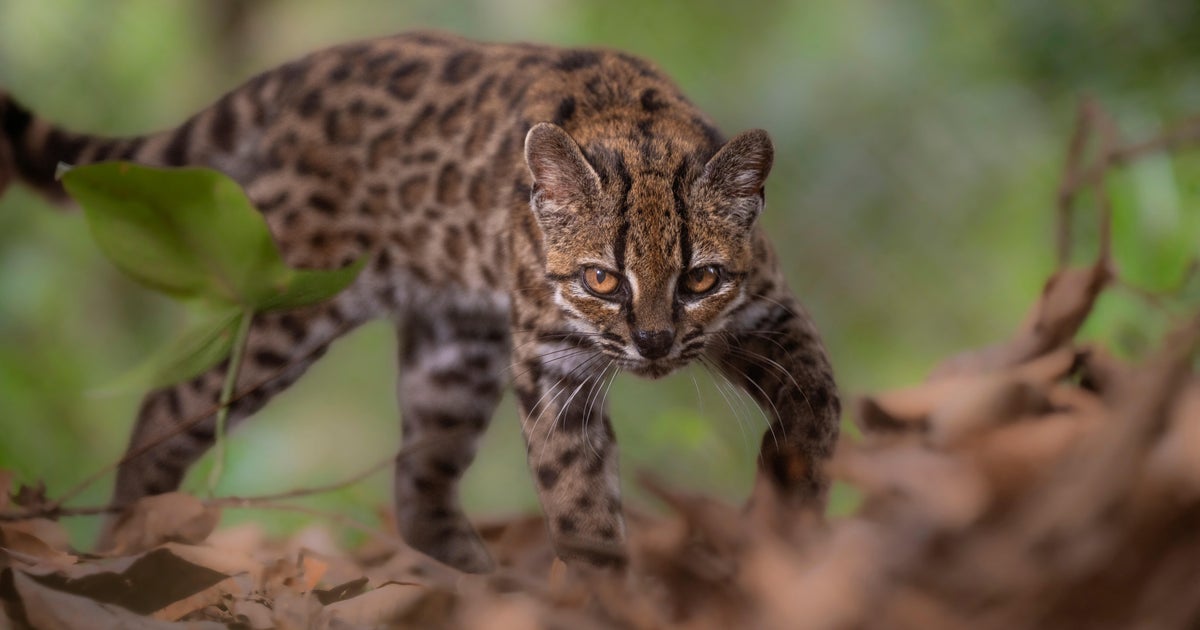
What struck her was its size, she said — smaller than an average house cat, the male, now about 10 years old, measures 18 inches (46 centimeters) from its head to the base of its tail and weighs just 3 pounds (1.4 kilograms).
asserted
male → strike → pounds
Its light brown coat is patterned with dark, leopardlike spots.
asserted
coat → pattern → spots
“Knowing other wild cats, it was peculiar,” she said.
asserted
she → know → cats
To locate the cat in South America’s feline family tree, researchers compared genomes — complete sets of genetic instructions — from over 30 cats across locations including Colombia, Peru and Brazil.
asserted
researchers → locate → Colombia
Bones and skins preserved in U.S. and European museums supplied DNA to fill the gaps where fresh samples were unavailable.
asserted
samples → preserve → gaps
The analysis revealed that the sanctuary cat belonged to a previously unrecognized species whose lineage split from its relatives about 1.4 million years ago.
asserted
lineage → reveal → relatives
The last feline species formally identified was the Uruguayan pampas cat in 1923.
asserted
species → identify → 1923
While some species are named after scientists or explorers, the researchers named this one Leopardus tilcayo, preserving the name already used by communities in the tropical cloud forests of the Andes Mountains in Bolivia where the animal lives.
“It’s our way of honoring their ancestral knowledge and connection to this animal,” said Nogales-Ascarrunz of the name tilcayo.
asserted
Ascarrunz → name → name
The findings helped unravel a longstanding mystery about South America’s tiger cats, which scientists once classified as a single species because they look so much alike.
asserted
they → unravel → species
The researchers’ DNA analysis pointed to at least five distinct species — four previously named, plus the newly described tilcayo.
asserted
analysis → point → species
“Even in groups that are very well studied, like the cat family, apparently there’s still a diversity that is hidden,” said evolutionary biologist and study co-author Jonas Lescroart with the University of Antwerp.
asserted
Lescroart → study → Antwerp
The next challenge is finding out more about these tiny cats in the wild.
asserted
challenge → find → wild
“We still don’t know how many there are,” Nogales-Ascarrunz said, adding that researchers still need to establish details about the new tiger cat’s diet, behavior and habitat.
asserted
researchers → know → diet
Its presence has been confirmed only in Bolivia’s Yungas forests, but its full range remains unknown.
asserted
range → confirm → forests
Scientists hope the designation of the new species will help protect its forest habitat, which faces threats from deforestation and mining.
asserted
which → hope → deforestation
“We should make haste in doing these kinds of discoveries, because all of this biodiversity is under pressure, and it’s disappearing as we speak,” Lescroart said.
asserted
Lescroart → make → pressure
 The Aporia