Researchers in Bolivia have identified a new feline species, named Leopardus tilcayo after the local community name "tilcayo," in the country's Yungas cloud forests. This tiny wild cat measures 18 inches long and weighs about 3 pounds, smaller than an average domestic cat. The discovery marks the first identification of a new living feline species in over a century, based on genetic analysis of samples from across South America.
Written locally by qwen2.5:14b on 2026-09-18,
using this article's own text rather than the other coverage of the
same event (that is the story summary below).
- See more Daily Mail on Google - save us as a Preferred Source
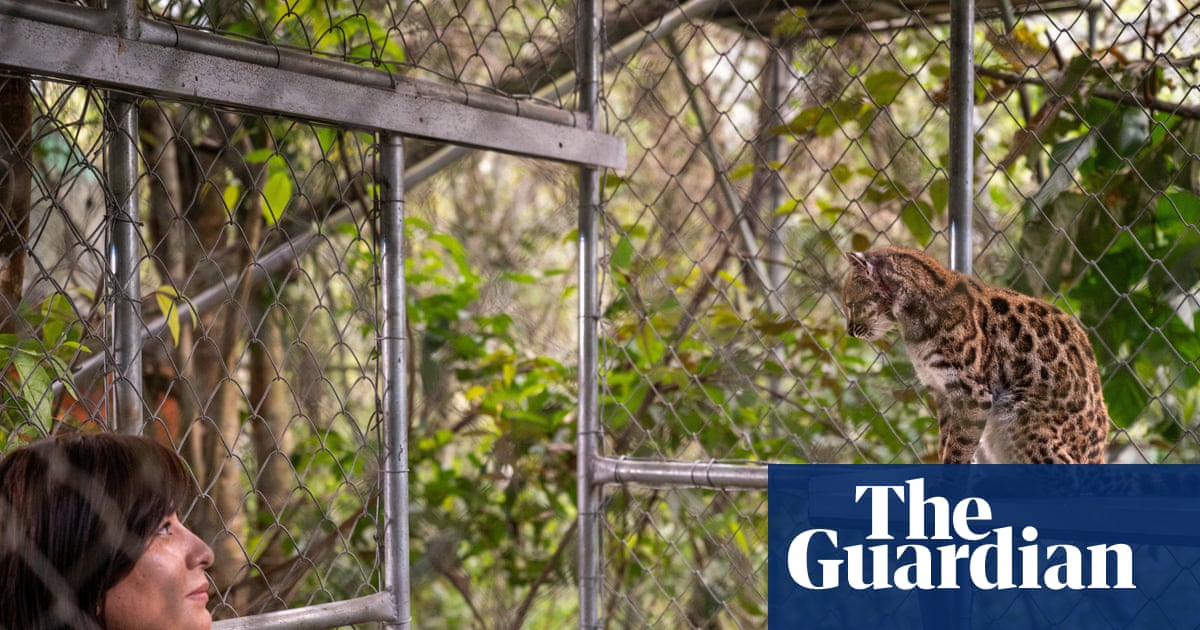
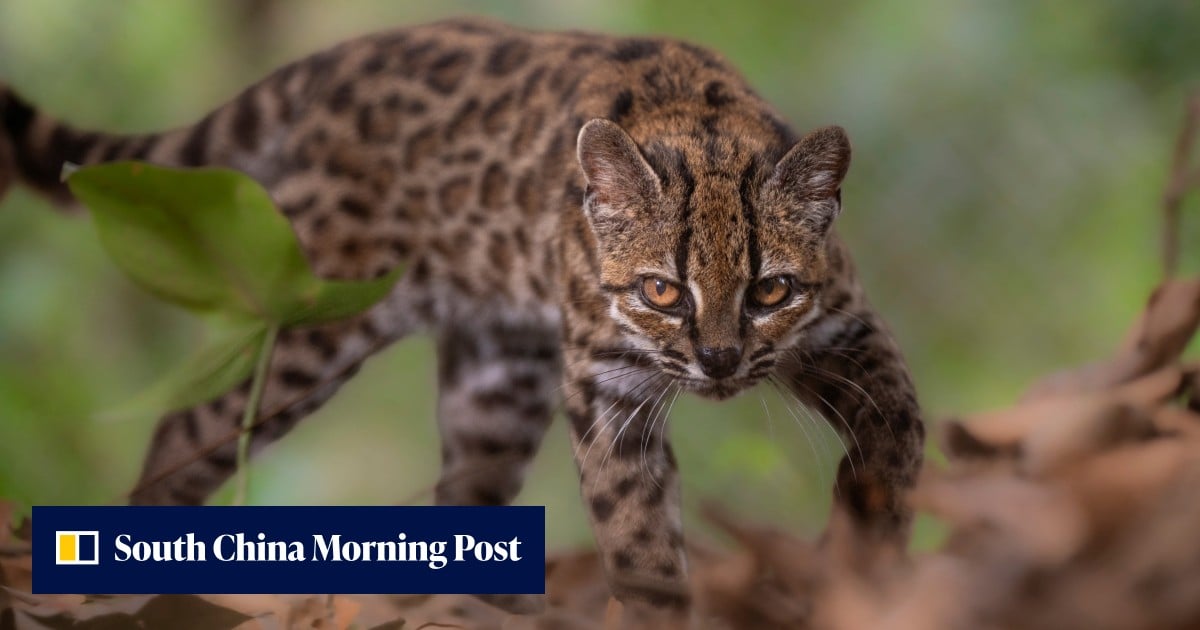
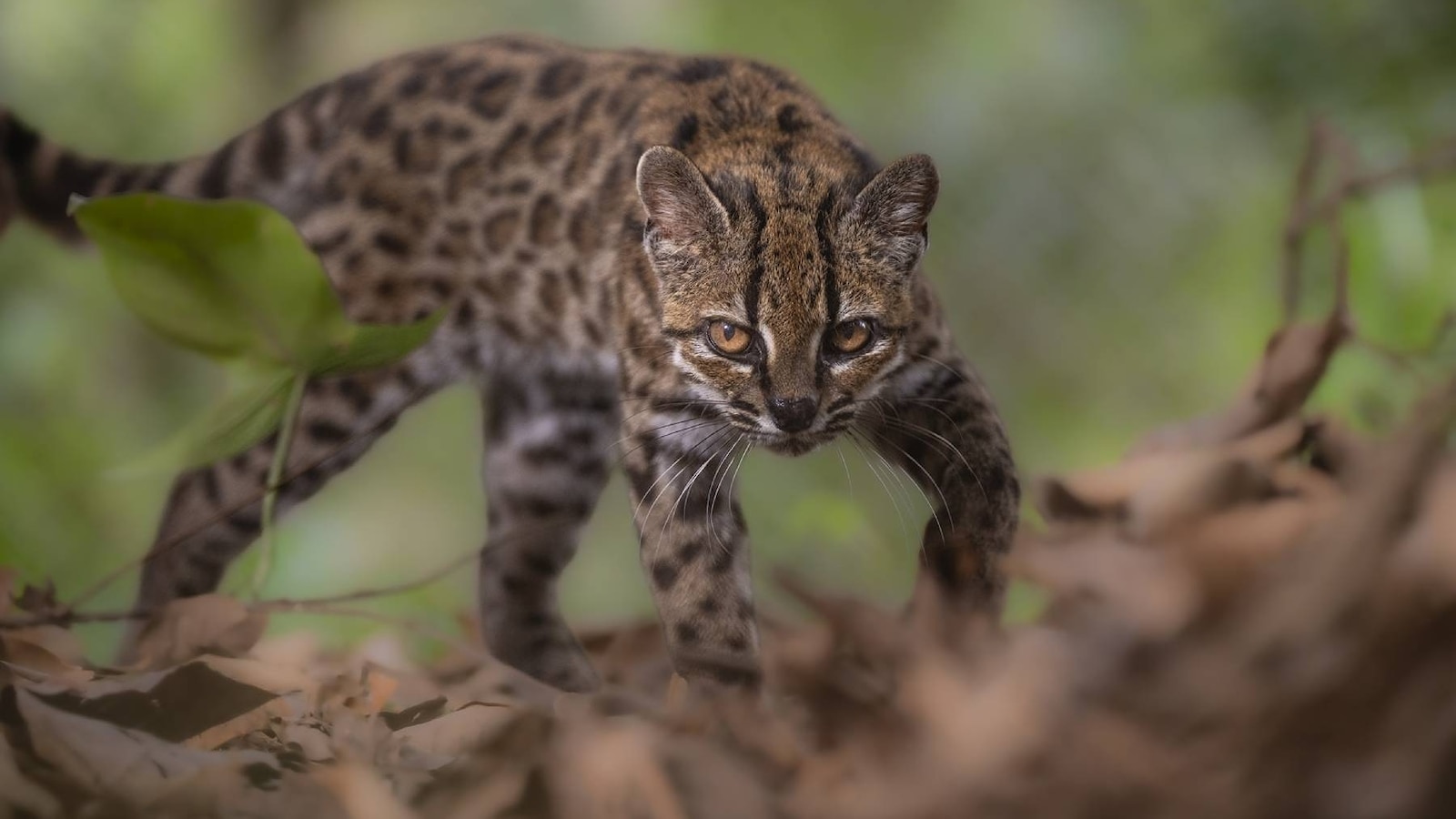
A tiny wild cat living in Bolivia's cloud forests has been identified as a new species in a remarkable discovery.
The feline, known as the tilcayo by local communities, measures just 18 inches (46cm) long and weighs around 3lb (1.4kg), making it smaller than the average domestic cat.
asserted
it → see → cat
It was found in Bolivia's lush Yungas forest, a mountainous region of humid forests that are often shrouded in clouds.
asserted
that → find → clouds
Researchers used genetic analysis to confirm the animal was a previously unknown species and named it Leopardus tilcayo, retaining its local name.
asserted
animal → use → name
The discovery marks the first time a new living feline species has been formally named and described in more than a century.
asserted
species → mark → century
The tilcayo belongs to a group of small South American felines known as tiger cats, which are found across much of the continent.
asserted
which → belong → continent
Paola Nogales-Ascarrunz, a National Geographic explorer and one of the authors of the study published in Current Biology on Thursday, said: 'Its fur is light brown … with irregularly shaped rosettes across its body.'
asserted
fur → publish → body
Scientists still know relatively little about how the elusive cat lives.
asserted
cat → know → little
Small rodent remains discovered in scat samples suggest they could form part of its diet, while camera traps indicate the animal may be more active at night.
uncertain
animal → discover → night
A tiny wild cat living in Bolivia's cloud forests has been identified as a new species in a remarkable discovery
The feline, known as the tilcayo by local communities, measures just 18 inches (46cm) long and weighs around 3lb (1.4kg), making it smaller than the average domestic cat
It was found in Bolivia's lush Yungas forest, a mountainous region of humid forests that are often shrouded in clouds
Tiger cats are considered 'cryptic species', meaning different species can be extremely difficult to distinguish based on their appearance alone.
They were once thought to comprise a single species, but genetic research later suggested there were several distinct groups.
uncertain
research → live → species
Study co-lead author Jonas Lescroart, an evolutionary biologist at the University of Antwerp in Belgium, said researchers currently have information from just two living tilcayos and a small number of camera-trap sightings.
asserted
researchers → say → sightings
One of the animals studied is a ten-year-old male now living at the Senda Verde wildlife sanctuary in Bolivia after previously being kept in the home of a local family.
asserted
One → study → family
Scientists became intrigued because the animal's features did not match existing descriptions of tiger cats, which were largely based on animals from Brazil.
asserted
which → become → Brazil
The researchers analysed DNA from 38 cats collected across several South American countries, including eight museum specimens.
asserted
researchers → analyse → specimens
Their findings suggest tiger cats actually comprise five genetically distinct species.
'
asserted
cats → suggest → species
We never expected this Bolivian tiger cat to be a separate species, and no one had ever proposed it as a different animal, subspecies or otherwise,' Lescroart said.
asserted
Lescroart → expect → animal
Genetic analysis indicated that the tilcayo's lineage split from other tiger cats around 1.4million years ago.
asserted
lineage → indicate → cats
The researchers also identified a new tiger cat subspecies in Peru's Yungas region, which they named Leopardus tigrinus antisuyo after Antisuyu, the region of the Inca empire that once included its habitat.
asserted
that → identify → habitat
The International Union for Conservation of Nature currently treats tiger cats as two vulnerable species with declining populations.
asserted
Union → treat → populations
dResearchers have now shared their findings with the IUCN, which is expected to consider the five lineages separately in its next review.
asserted
which → share → review
Scientists said this could reveal that individual species, including the tilcayo, face a greater threat of extinction than previously recognised.
uncertain
species → say → extinction
Bolivia's Yungas forests are under increasing pressure from deforestation, expanding agriculture, human-caused fires and mining.
asserted
forests → increase → agriculture
Eduardo Eizirik, an evolutionary biologist at the Pontifical Catholic University of Rio Grande do Sul in Brazil and senior author of the study, said the discovery showed how much of the natural world remains unknown.
asserted
much → say → world
'There are many undiscovered species out there in the world, and they are at risk of disappearing before we even discover them,' he said.
asserted
he → be → them
 The Aporia