That is 0 articles you have read today.
The Aporia is free and carries no advertising, so readers are the only
thing paying for it. If you are getting this much out of it, a small
donation is what keeps it independent.
Daily limit reached
You have read 0 articles today.
That is more than the 15 a day The Aporia gives away,
and well past what it can carry on nothing. Your allowance resets at
midnight.
There is no advertising here and nothing about you is sold, so readers
are the only thing paying for it. If the site is worth this much of
your day, it is worth a few dollars.
Everything else stays open: the
maps, the
directory and
search do
not count against this, and neither does re-opening something you have
already read today.
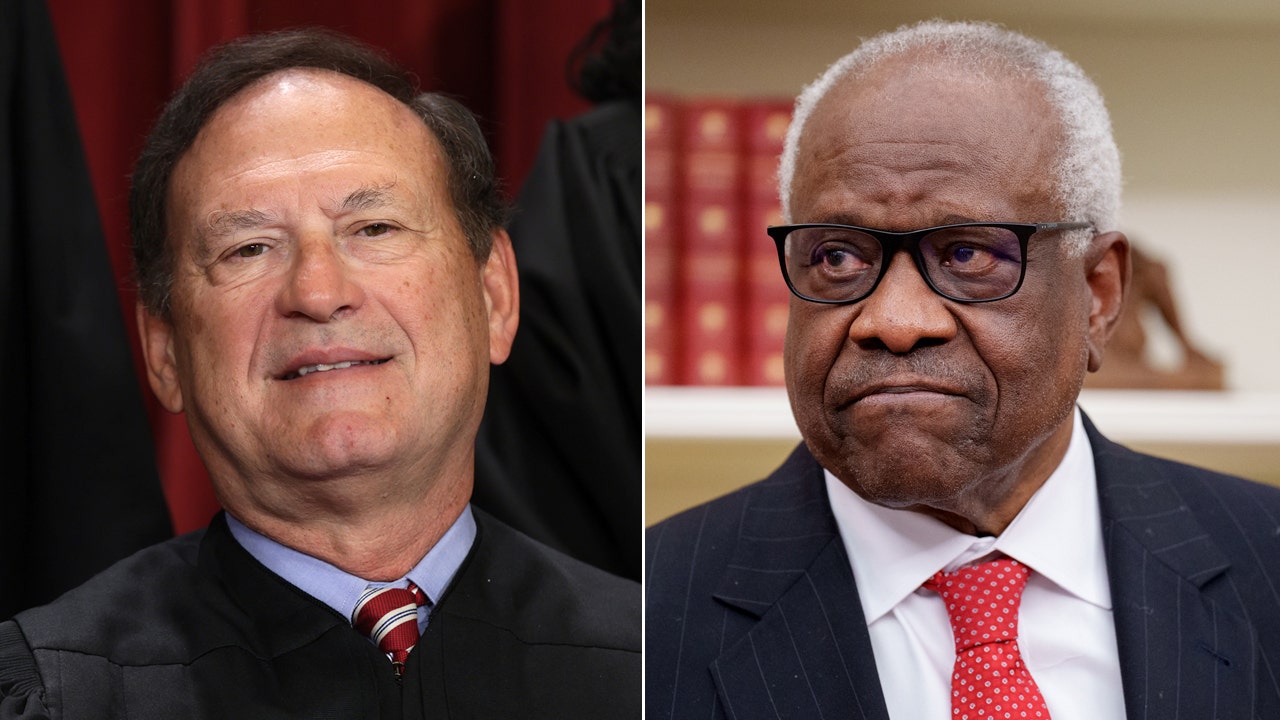
Justices Samuel Alito and Clarence Thomas expressed strong disagreement with a Supreme Court decision that denied the Trump administration’s request for relief from federal ballot mail rules. The dissent argues that the plaintiffs’ claims are unlikely to succeed, while Justice Brett Kavanaugh agreed with rejecting the current application but suggested potential validity for future cases after more time for implementation.
Written by the local model on 2026-09-15,
using this article's own text rather than the other coverage of the
same event (that is the story summary below).
Story summary
On August 24, a second federal judge blocked the US Postal Service (USPS) from implementing new rules that would tighten mail-in voting requirements, following a similar decision earlier. These rules, initiated by President Donald Trump’s administration and opposed by Democrats, were intended to require unique barcodes on ballot envelopes and mandate states upload voter information into a federal portal. However, with just 50 days until the November 3 midterms, election officials argued these changes were too late to implement without causing significant disenfranchisement.
The Supreme Court denied Trump’s request to overturn this injunction, ruling that it was too close to Election Day for such drastic changes. The decision is seen as a major victory for Democrats who fear restrictions on mail-in voting could suppress turnout among their base. Notably, Justices Alito and Thomas dissented, arguing the new rules were lawful but agreeing they couldn't be implemented in time for this election cycle.
Written for “Supreme Court Rejects Trump Voting Re…” on 2026-09-15,
grounded in this article and the 8 other(s) covering the same event.
Why this leaning score
The model judged this article politically coded and scored it +0.35, but 1 quote(s) could not be found in the article and the other 2 are attributed speech rather than the article's own narration, so the score is not published.
Written under an earlier scoring contract, which gave a paragraph
rather than checkable quotes. Re-analysing this article replaces it.
Leaning score withheld for article 9696: no verified evidence · logged 2026-09-15
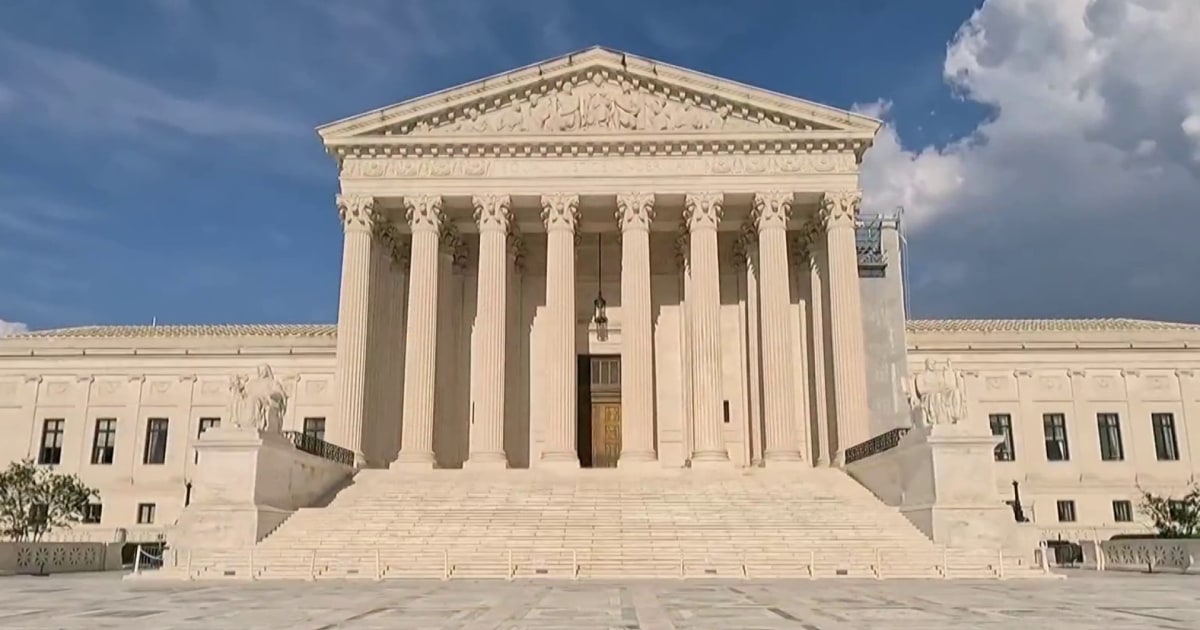
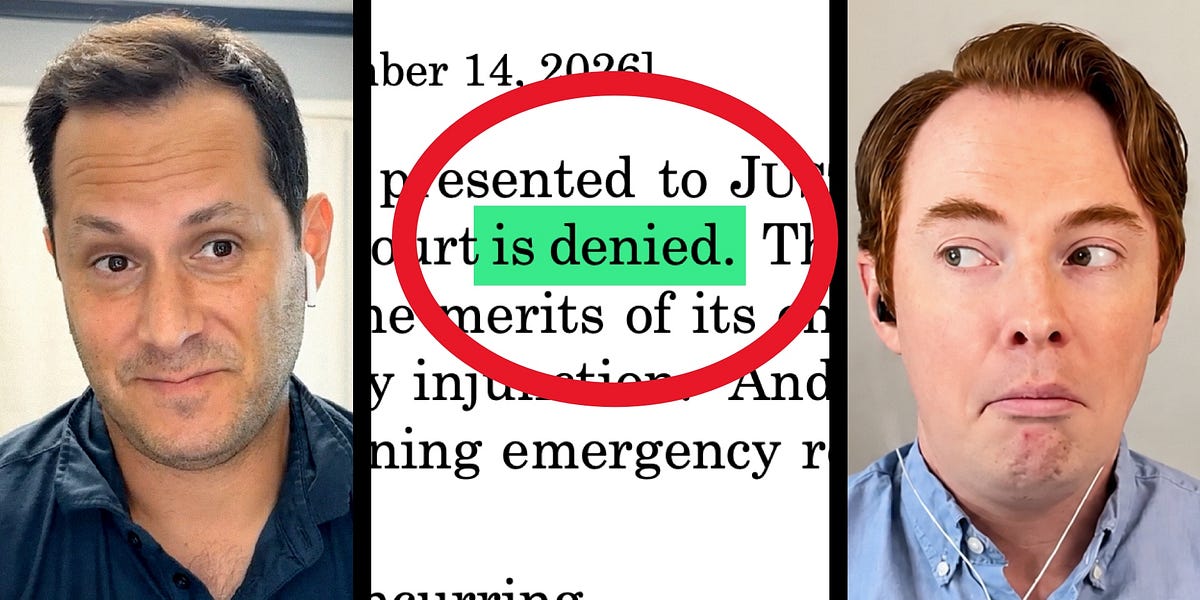
Justices Samuel Alito and Clarence Thomas firmly dissented Monday as the Supreme Court denied a request by President Donald Trump's administration for relief from a universal injunction against its mail-in ballot rules.
asserted
Court → dissent → rules
The dissent, which Alito authored and Thomas joined, argued that the plaintiffs in the case were relying on claims that the court had previously identified as weak and unlikely to succeed.
uncertain
court → author → that
"The Court incorrectly denies the Government’s application for a stay of a universal injunction that bars implementation of a final rule concerning election ballot mail," Alito wrote.
asserted
Alito → deny → mail
"Some of the plaintiffs lack standing, while the remainder are pursuing a claim that this Court has recently called a ‘Hail Mary pass’ that ‘rarely succeeds.'
uncertain
that → lack → claim
"
"The Government has made the showings necessary for a stay, so I respectfully dissent," he concluded.
asserted
he → make → stay
The Court's Monday's order went unsigned, but Justice Brett Kavanaugh wrote a concurrence that allowed room for a potential Trump victory down the line.
asserted
that → go → line
He nevertheless argued that it is too close to Election Day to realistically implement the rules for the 2026 midterm elections.
asserted
it → argue → elections
"In my view, based on the briefing the Court has received at this interim stage, there is at least a fair prospect that the final rule falls within the Postal Service’s statutory authority," Kavanaugh wrote.
asserted
Kavanaugh → base → authority
"But applying the rule in the 2026 elections would be arbitrary and capricious in violation of the Administrative Procedure Act because state and local election officials do not have sufficient time to reasonably implement the rule before the elections."
Kavanaugh's concurrence echoes Alito's dissent in acknowledging the expansive authority the USPS holds to regulate the collection, handling, transportation and delivery of mail.
asserted
USPS → apply → mail
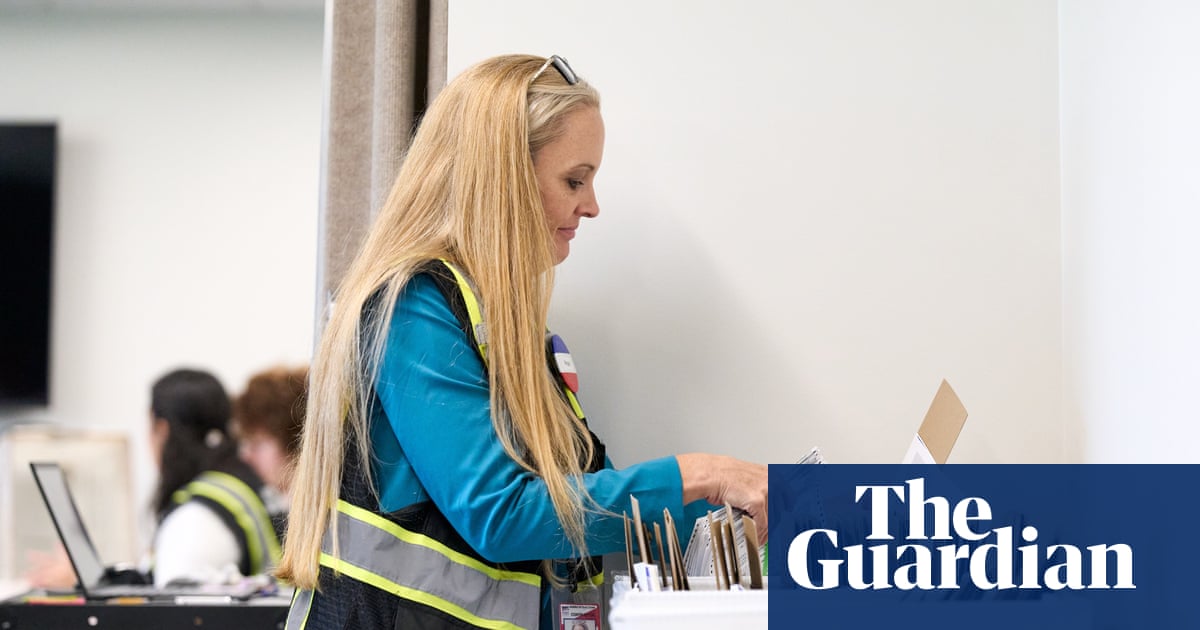
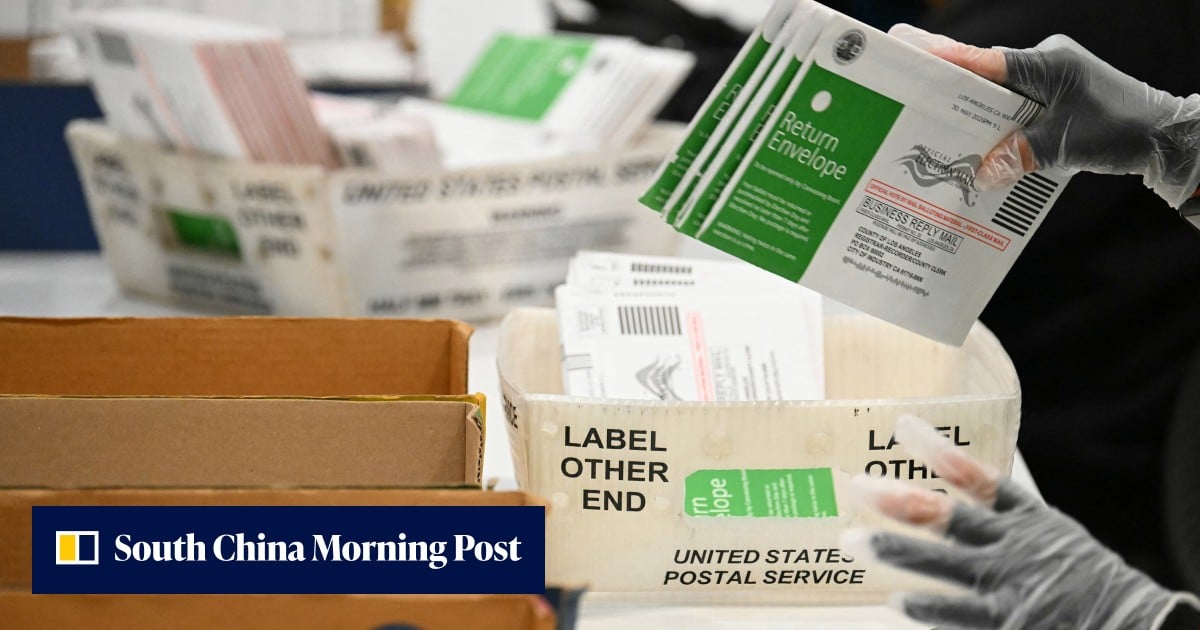
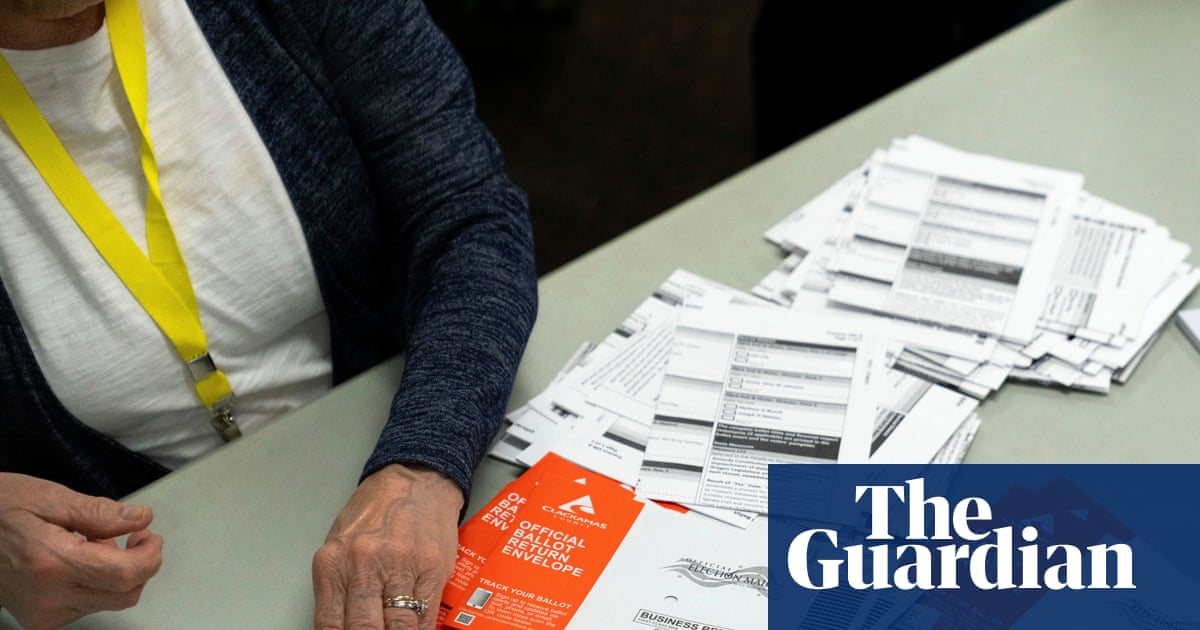
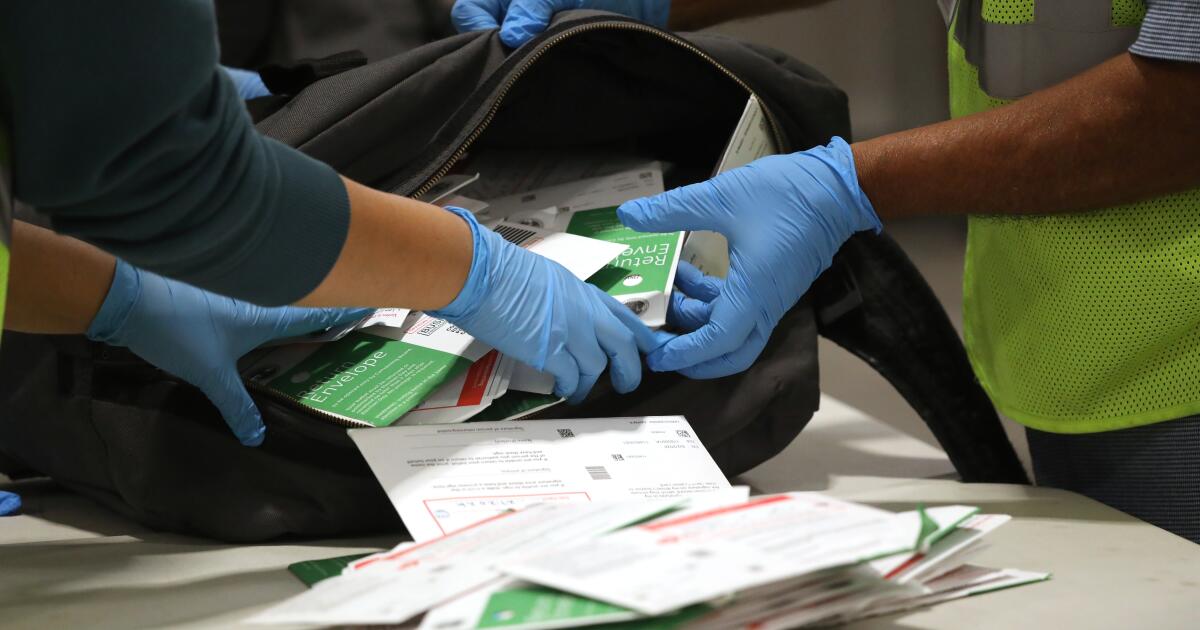
The Trump rules would require federal ballot mail to be sent in envelopes bearing an election-mail logo, capable of being scanned by high-speed equipment and carrying a barcode unique to each voter.
asserted
mail → require → voter
State and local election officials would also be required to submit envelope designs to the Postal Service for review and upload basic voter information to an online USPS portal.
asserted
officials → require → portal
Under the USPS rule, mailings that failed to comply would not be accepted and would instead be returned to election officials to correct and resubmit.
asserted
that → fail → officials
Fox News' Stepheny Price and Shannon Bream contributed to this report.
asserted
Price → contribute → report
 The Aporia