Since 1871, a federal statute has authorized Americans to sue state and local officials for violating their constitutional rights.
asserted
statute → authorize → rights
But since 1982, thanks to the court-invented doctrine of qualified immunity, such claims have been allowed only when they allege violations of "clearly established" law.
uncertain
they → invent → law
Because courts often require plaintiffs to meet that standard by citing precedents involving closely similar facts, qualified immunity can prove insurmountable even for victims of outrageous abuses.
asserted
immunity → require → abuses
But as two recent cases illustrate, there are limits to this license for misconduct, meaning officials may still be held accountable when they flout longstanding constitutional principles, even when they do so in novel ways.
uncertain
they → illustrate → ways
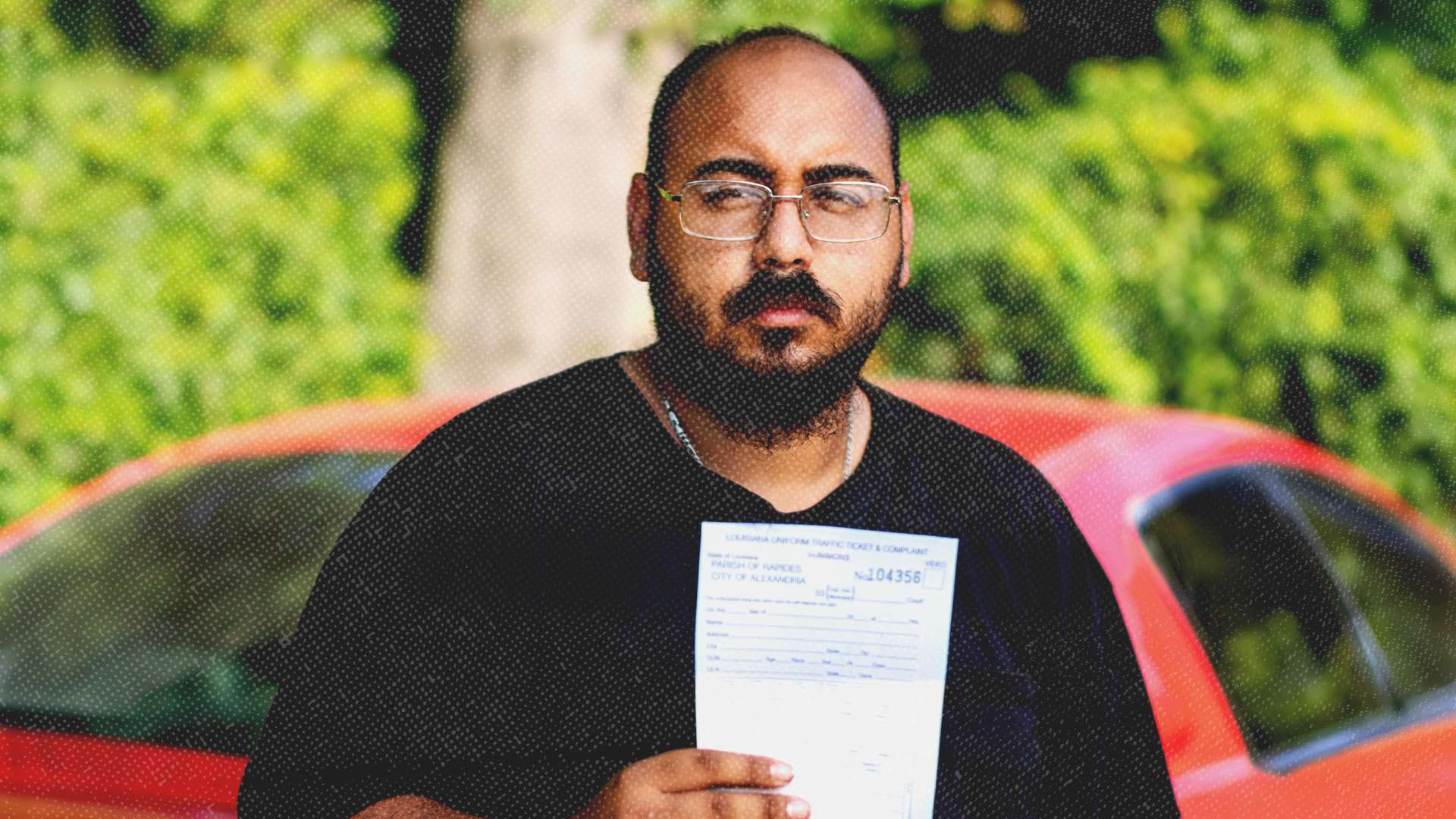
In 2022, Mario Rosales and Gracie Lasyone sued two Alexandria, Louisiana, police officers, Samuel Terrell and Jim Lewis, alleging that they had pulled Rosales over without legal justification.
asserted
they → sue → justification
The cops ordered Rosales and Lasyone, his girlfriend, out of the car and detained them for 21 minutes, during which they grilled the couple about illegal drugs, frisked Rosales, and instructed him to empty his pockets.
asserted
they → order → pockets
Terrell and Lewis sought refuge in qualified immunity.
asserted
Terrell → seek → immunity
But last month, the U.S. Court of Appeals for the 5th Circuit ruled that Rosales and Lasyone had plausibly alleged several Fourth Amendment violations, including a stop based on a "fabricated traffic violation," an improperly prolonged detention, and unjustified searches.
asserted
Rosales → rule → violation
In reaching that conclusion, the 5th Circuit relied mainly on a 1968 decision in which the Supreme Court said police may detain someone only if they reasonably suspect he is involved in criminal activity and may frisk him only if they reasonably suspect he is "armed and dangerous."
uncertain
he → reach → him
Assuming the facts alleged in the lawsuit are true, the three-judge panel unanimously held, Terrell and Lewis had failed both of those tests.
asserted
Terrell → assume → tests
When the officers stopped Rosales, the principles that the 5th Circuit applied had been the law of the land for more than half a century.
asserted
Circuit → stop → century
Terrell and Lewis nevertheless argued that "any constitutional violation arising from the traffic stop was not clearly established," which gives you a sense of the chutzpah that qualified immunity invites.
asserted
immunity → argue → that
Police commonly pull drivers over, ostensibly for traffic violations, in the hope of implicating them in drug crimes.
asserted
Police → pull → crimes
A case that the U.S. Court of Appeals for the 8th Circuit considered this month involved a much more unusual scenario: a judge who locked two children in jail cells because he was frustrated by their resistance to a parental custody decision.
asserted
he → consider → decision
During a 2019 hearing in Taney County, Missouri, a divorced couple agreed that the mother would have primary custody of their two children, then 12 and 14.
asserted
mother → agree → children
But contrary to that agreement, the children did not want to go home with their mother, which led to an argument in the courthouse lobby.
asserted
which → want → lobby
Judge Eric Eighmy intervened, telling the children they had to leave with their mother and repeatedly warning them that they could end up in foster care if they refused to do so.
uncertain
they → intervene → care
When that did not work, Eighmy jailed them until they became more cooperative.
asserted
they → work → them
"The time spent in the holding-cell area was between twenty and forty minutes," the 8th Circuit noted.
asserted
Circuit → spend → area
And since Eighmy did not have probable cause to believe the children had committed any offense, "much less one that justified placing them in a holding cell
asserted
that → have → cell
," the court said, their confinement clearly violated the Fourth Amendment.
asserted
confinement → say → Amendment
If so, Eighmy argued, he had no way of knowing that.
asserted
he → argue → that
The 8th Circuit panel unanimously disagreed: "As we put it over a decade and a half ago, long before the events in this case, 'it is clearly established that a warrantless arrest, unsupported by probable cause, violates the Fourth Amendment.'
asserted
arrest → disagree → Amendment
"
Notably, the 8th Circuit did not think the bizarre details of the case counted in Eighmy's favor.
asserted
details → think → favor
"We are not concerned about the lack of a prior case" with "fundamentally similar" facts, it said.
asserted
it → concern → facts
"Indeed, given how clear the law is, it would have been surprising to find one."
asserted
it → give → one
 The Aporia