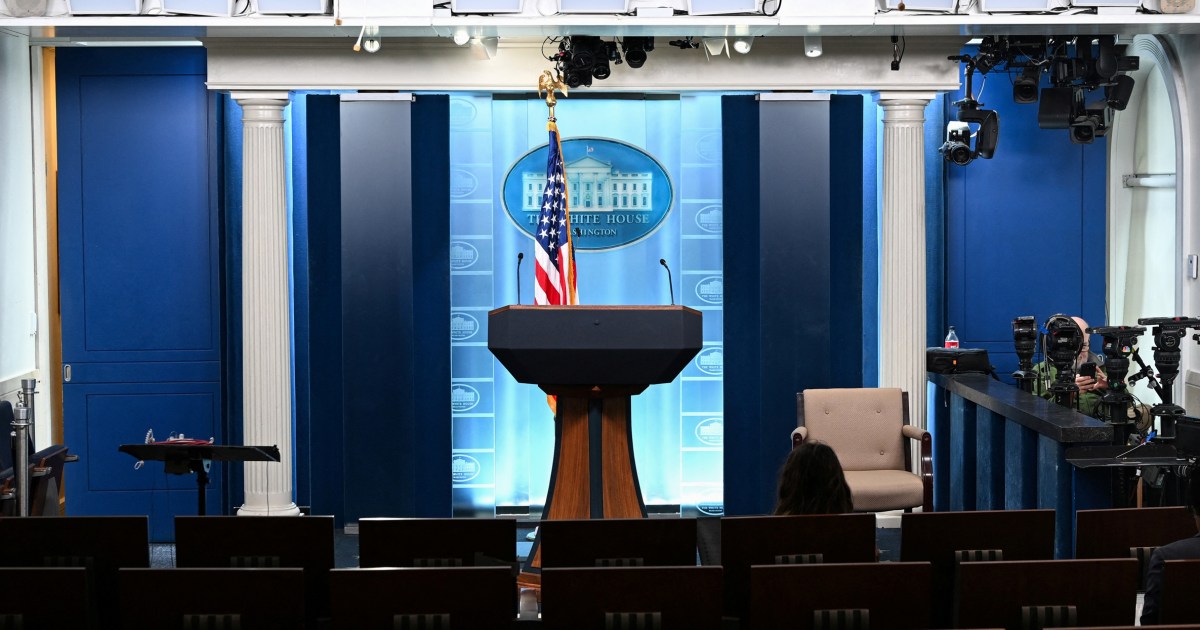
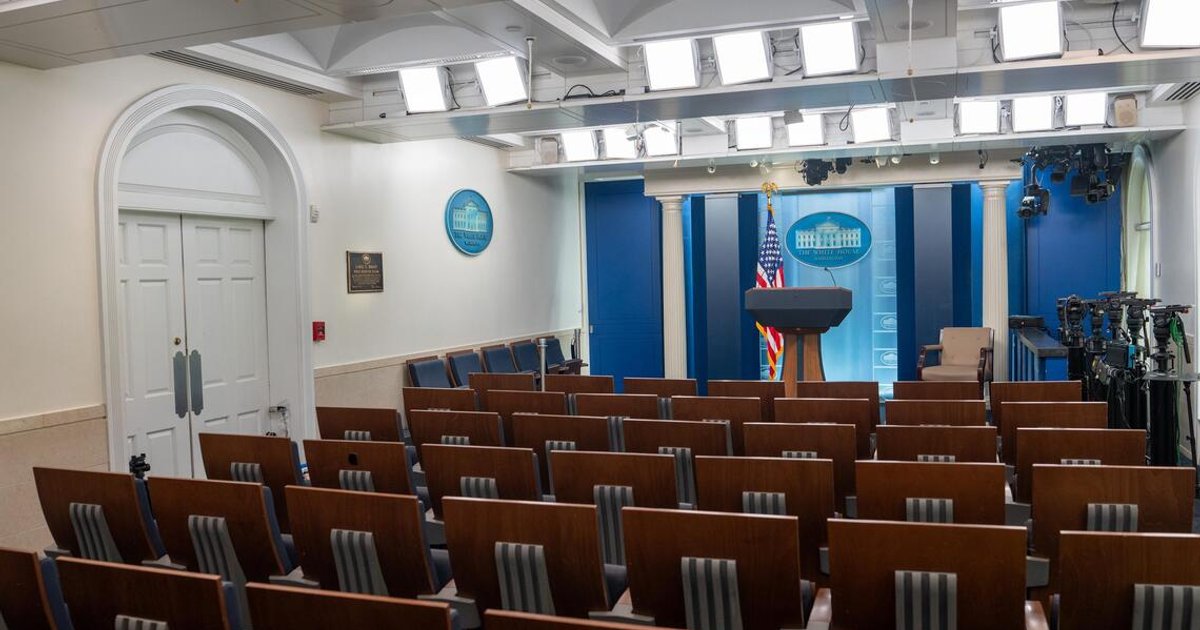
President Trump banned CNN, MS NOW, and Politico from the White House last month, prompting ABC, CBS, NBC, and Fox News to suspend their participation in the press pool covering presidential events. The Department of Justice has now requested communications from these networks, suggesting that their protest may have violated antitrust laws by constituting a group boycott under the Sherman Antitrust Act. This move adds another layer to Trump's ongoing conflict with media organizations he perceives as biased against him.
Written locally by qwen2.5:14b on 2026-10-12,
using this article's own text rather than the other coverage of the
same event (that is the story summary below).
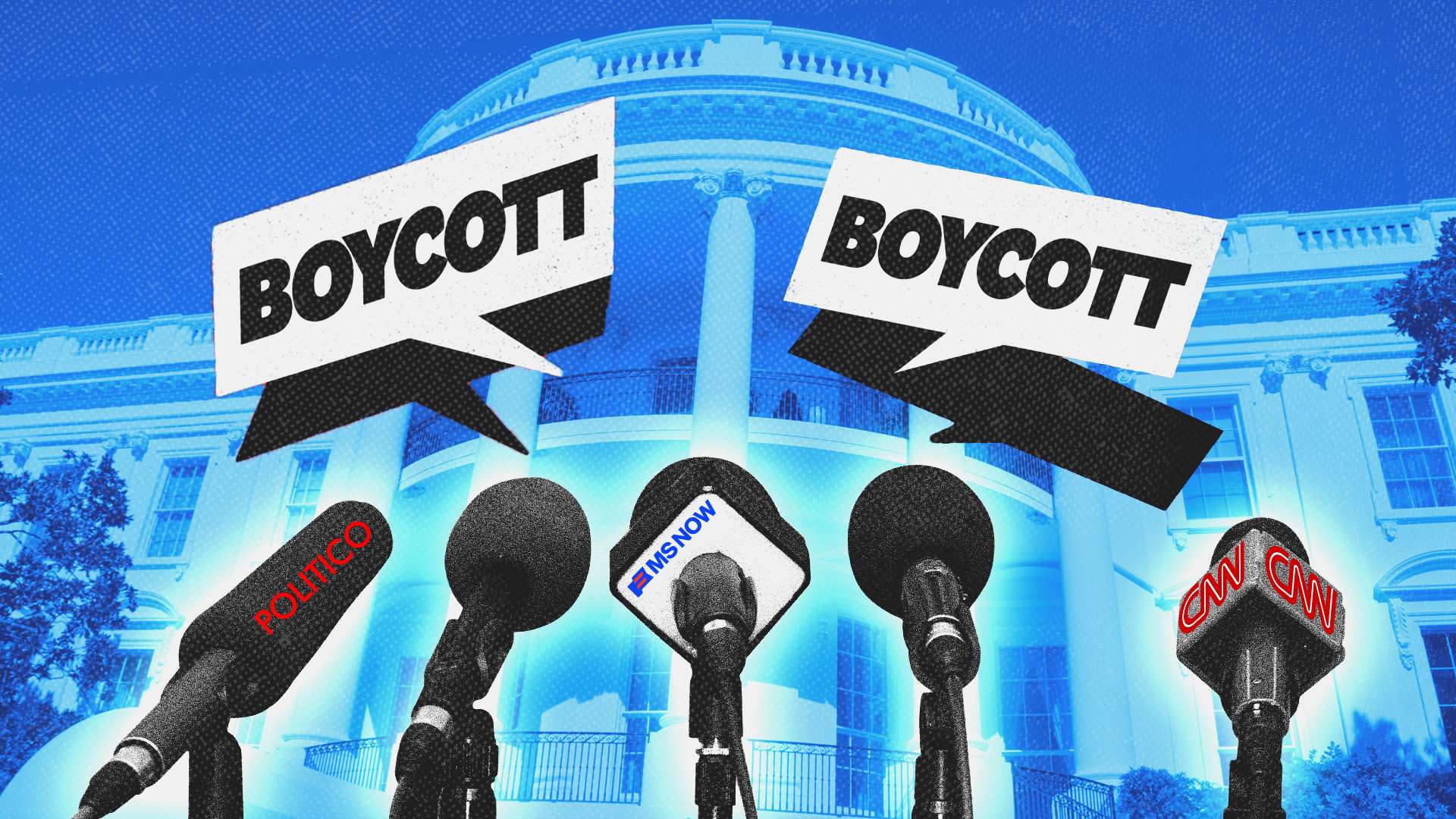
After President Donald Trump banned CNN, MS NOW, and Politico from the White House last month, ABC, CBS, NBC, and Fox News protested by suspending their participation in the press pool that provides widely used video of presidential events.
asserted
that → ban → events
According to the Department of Justice (DOJ), which last Friday demanded network communications regarding the TV pool, that show of solidarity may have violated the Sherman Antitrust Act.
uncertain
show → accord → Act
The antitrust investigation adds another layer of bullying to Trump's vendetta against "Fake News Media Outlets."
asserted
investigation → add → Outlets
The president reflexively threatens to yank broadcast licenses in response to news coverage he views as biased against him.
asserted
he → threaten → him
He has repeatedly tried to punish disfavored journalists by excluding them from the White House, culminating in last month's sanctions against CNN, MS NOW, and Politico, which irked him by running "purposely negative stories."
asserted
which → try → stories
Now he is deploying the Justice Department against the TV networks that objected to his assault on freedom of the press.
asserted
that → deploy → press
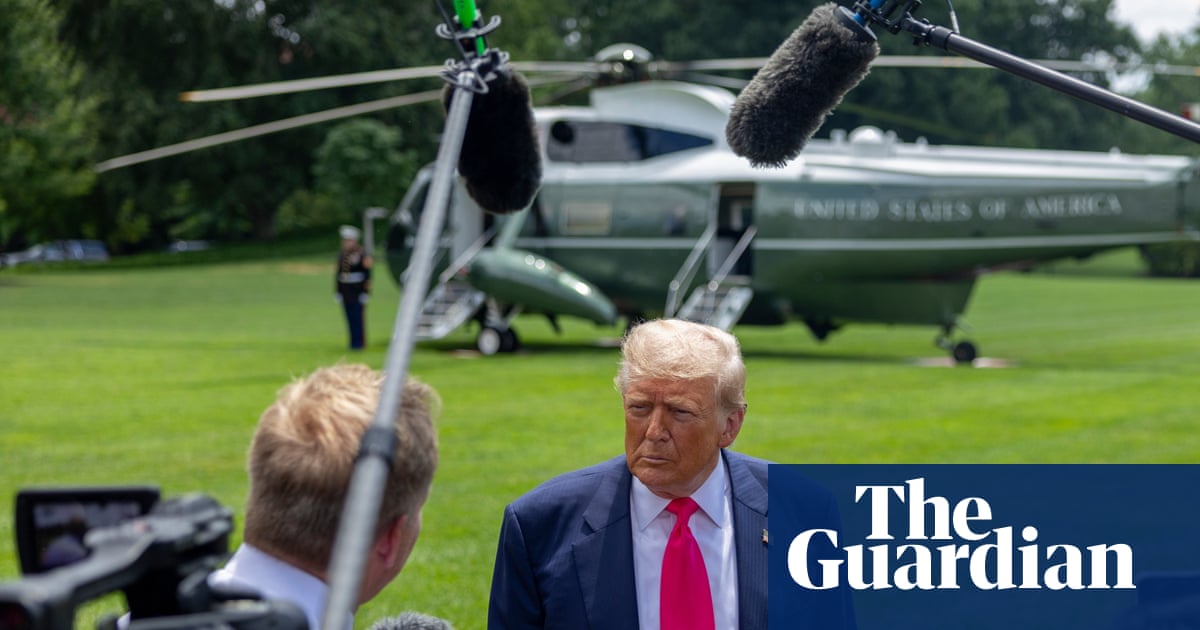
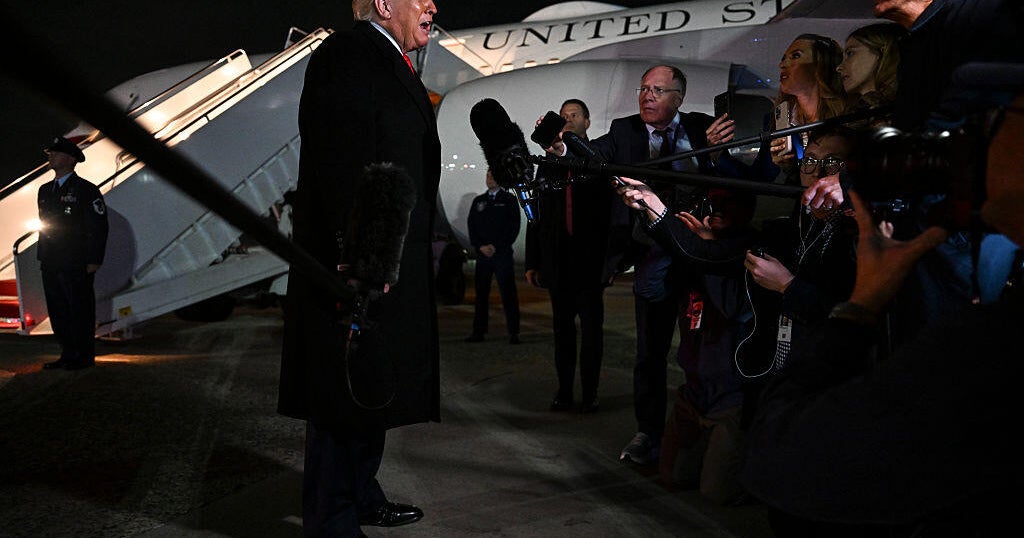
Under a longstanding arrangement, ABC, CBS, NBC, CNN, and Fox News take turns covering the president in venues where press access is limited, sharing the footage with other news outlets.
asserted
access → take → outlets
But after Trump excluded CNN from that role, the other networks stopped participating.
asserted
networks → exclude → role
They resumed their coverage on September 25, the day after a federal judge ordered the White House to restore press passes for employees of CNN, MS NOW, and Politico.
asserted
judge → resume → CNN
The TV pool suspension was brief, lasting just four days.
asserted
suspension → last → days
But it irritated Trump, who on September 24 complained that the networks "refused to cover one of the Biggest and Most Beautiful Events to take place in many years"—i.e., "the arrival at the White House of the Highly Respected President of China, Xi Jinping, and his beautiful wife, Madam Peng."
asserted
networks → irritate → China
That event was "magnificent" and "made for Television," he said, but the networks "refused to be there" because "they knew how good it would be" and "didn't want credit to be given to 'TRUMP.'
asserted
credit → make → TRUMP
As the DOJ tells it, the lack of network coverage was not only annoying; it was also potentially illegal.
asserted
it → tell → coverage
"Members of the television press pool have boycotted covering White House events," Emily Covington, who directs the department's Office of Public Affairs, said on Saturday.
asserted
who → boycott → Saturday
"Group boycotts among commercial competitors can violate the Sherman Act," she added, and "the Antitrust Division is simply investigating to determine whether these news organizations have violated the antitrust laws."
asserted
organizations → violate → laws
Section 1 of the Sherman Act broadly prohibits any "contract," "combination," or "conspiracy" in "restraint of trade."
asserted
Section → prohibit → trade
But it applies to group boycotts only insofar as they aim to thwart competing businesses.
asserted
they → apply → businesses
William E. Kovacic, who chaired the Federal Trade Commission (FTC) during the George W. Bush administration, is skeptical that the concept applies in this case.
asserted
concept → chair → case
"The critical ingredient in successful antitrust cases is to demonstrate that there is unmistakably a commercial motive and that the commercial motive predominates," Kovacic told The New York Times.
asserted
Kovacic → demonstrate → Times
"And I don't think they would ever be able to do that here."
asserted
they → think → that
The Supreme Court's 1990 decision in FTC v. Superior Court Trial Lawyers Association illustrates the importance of a "commercial motive."
asserted
decision → illustrate → motive
The case involved attorneys in private practice who were paid to serve as court-appointed counsel for criminal defendants in the District of Columbia.
asserted
who → involve → Columbia
The FTC concluded that they violated the Sherman Act when they agreed to stop accepting cases until their fees were increased.
asserted
fees → conclude → cases
Since that agreement was aimed at protecting the right to counsel by ensuring adequate funding for court-appointed attorneys, the lawyers association argued, it was protected under NAACP v. Claiborne Hardware, a 1982 decision in which the Supreme Court recognized a First Amendment right to engage in politically motivated consumer boycotts.
asserted
Court → aim → boycotts
But the Court saw an important distinction between the two cases.
asserted
Court → see → cases
"Our reasoning in Claiborne Hardware is not applicable to a boycott conducted by business competitors who 'stand to profit financially from a lessening of competition in the boycotted market,'" Justice John Paul Stevens wrote.
asserted
Stevens → conduct → market
"No matter how altruistic the motives of respondents may have been, it is undisputed that their immediate objective was to increase the price that they would be paid for their services.
uncertain
they → increase → services
In Claiborne Hardware, by contrast, the boycotters were not trying to reap a financial benefit by reducing competition.
asserted
boycotters → try → competition
Nor were ABC et al. when they "boycotted" the White House TV pool.
asserted
they → boycott → pool
They were not trying to increase their profits by putting competitors at a disadvantage; they were standing up for freedom of the press.
asserted
they → try → press
"The investigation is nonsense," Seth Stern, chief of advocacy at the Freedom of the Press Foundation, says in an emailed press release.
asserted
Stern → say → release
"Trump may view the presidency as a business venture, but news outlets' standing up for their constitutional rights has nothing to do with antitrust law…
uncertain
standing → view → law
.Depriving Trump of the attention he craves is not a competitive harm."
asserted
he → .deprive → attention
 The Aporia