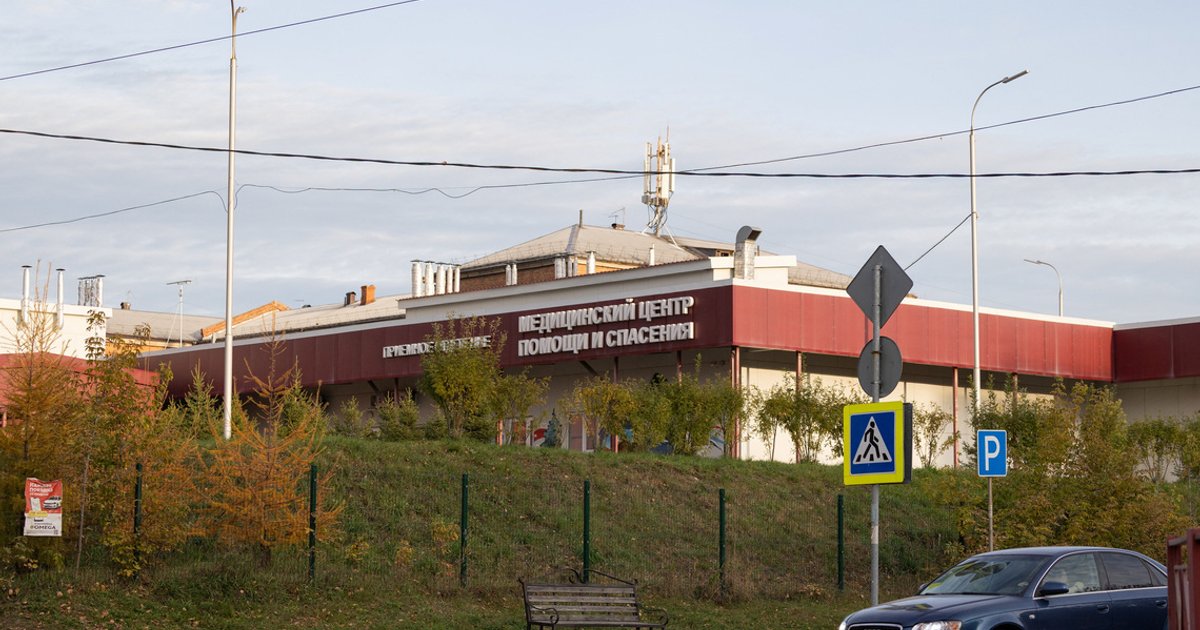
Did a Russian lab worker die from pneumonic plague?
asserted
worker → die → plague
What we know — and don't know
Dozens quarantined, but Russia says no indication 28-year-old's death connected to pathogens she worked with
asserted
she → know → pathogens
An unnerving story has emerged from southeastern Russia involving the death of 28-year-old woman from pneumonia and fears that she may have been exposed to a form of plague at the lab where she worked.
uncertain
she → emerge → lab
Yes, plague — specifically, pneumonic plague.
Few details are confirmed.
asserted
details → confirm → ?
Russian authorities say there is currently no evidence that the illness was connected to any of the pathogens she worked with at the Irkutsk Anti-Plague Research Institute of Siberia and the Far East.
asserted
she → say → Siberia
But the governor of a neighbouring region fuelled speculation over the weekend when he posted on Telegram suggesting the woman had died of plague, later altering his comment to include "maybe."
asserted
woman → neighbour → maybe
People have been quarantined at the hospital where she died last week; many others who came in contact with her were put under medical supervision, according to Anna Popova, Russia's public health agency.
uncertain
who → quarantine → Popova
There are, however, questions about Russian authorities' transparency, along with general shock at the thought of someone dying from an illness associated with the Middle Ages — and that many don't realize still exists.
asserted
many → be → Ages
Here's what we know and what we don't know about the situation in the Siberian city of Irkutsk, the lab worker who died and what Russian and other global officials are saying about the case.
asserted
officials → know → case
What happened?
asserted
What → happen → ?
Russian state-run news agency TASS reported that the employee was "diagnosed with pneumonia of unknown etiology."
asserted
employee → report → etiology
Local media reports have identified her as laboratory technician Darya Shipilova, saying she died on Friday.
The lab, which was established under the former Soviet Union in 1934, carries out scientific research on plague control, vaccine development and epidemic prevention, as well as work on other dangerous infectious diseases like cholera, brucellosis and anthrax.
CBC News has not independently confirmed Shipilova's identity or details about her work.
asserted
News → identify → work
Russian-language reports say that Shipilova went to a hospital in Shelekhov, about 20 kilometres southwest of Irkutsk, days before her death.
asserted
Shipilova → say → death
Per Ria Novosti, another state-run outlet, Irkutsk Region Governor Igor Kobzev announced on Friday that a resident had been diagnosed with a "a particularly dangerous infection" of an undetermined nature.
asserted
resident → announce → nature
"Importantly, over the past few days, no new cases of staff from the Anti-Plague Institute seeking medical attention have been identified," Kobzev said.
asserted
Kobzev → seek → attention
Plague, which came to be known as the Black Death when it ravaged Europe in the 1300s, is an infectious disease caused by a bacterium known as Yersinia pestis, or Y. pestis.
asserted
it → come → pestis
It is carried by small mammals and generally spread by the fleas that feed off them.
asserted
that → carry → them
Those fleas can transmit Y. pestis to humans and other large mammals.
asserted
fleas → transmit → humans
Bubonic plague, the most common form, causes buboes — painful, inflammed lymph nodes near the site of a flea bite.
asserted
plague → cause → bite
Symptoms usually come on after three to seven days, and can include fever, chills, headache and extreme exhaustion.
asserted
Symptoms → come → fever
Septicemic plague happens when bubonic plague infections aren't treated and spread to the bloodstream and other parts of the body.
asserted
infections → happen → body
It can cause vomiting, diarrhea, multiple organ failures and septic shock.
asserted
It → cause → vomiting
Pneumonic plague is when Y. pestis infects the lungs, making it much more of a risk because it can then be transmitted between people through airborne droplets.
asserted
it → infect → droplets
Symptoms — including high fever, cough, coughing up blood and difficulty breathing — can occur within one to three days of inhalation.
asserted
Symptoms → include → inhalation
It can be fatal if left untreated.
asserted
It → leave → ?
Plague is easily treated with antibiotics, which did not exist during the Black Death, Dr. Malick Gibani, a clinical associate professor at Imperial College London, told CBC News.
asserted
Gibani → treat → News
But people do still die from it, he says, though that's generally restricted to certain geographic areas, often due to conditions that attract rodents, or the fact that they are remote.
asserted
they → die → rodents
Between 2019 and 2025, the World Health Organization (WHO) recorded 3,847 suspected cases and 423 deaths in 10 countries.
asserted
Organization → record → countries
Most of those infections occurred in the Democratic Republic of Congo and Madagascar.
asserted
Most → occur → Congo
In 2017, a pneumonic plague outbreak in the latter country affected more than 2,400 people and killed 209 people.
asserted
outbreak → affect → people
But Gibani notes that plague infections can occur in other parts of the world like parts of Russia, as well as in South America and and parts of the western U.S.
Siberia was the location of the first known prehistoric human outbreak of plague.
asserted
Siberia → note → plague
Do I need to be worried?
asserted
I → need → ?
While there are still many unanswered questions, this possible outbreak is nothing like the COVID-19 pandemic because plague is "a much different pathogen," said Angela Rasmussen, a virologist at the University of Saskatchewan.
asserted
Rasmussen → be → Saskatchewan
Even before they become sick, infected people are "constantly shedding" the virus that causes COVID-19, she said, which is how it spread so far.
"
asserted
it → become → COVID-19
You're not going to be walking around feeling fine, shedding Yersinia pestis everywhere for everybody else to breathe in," she said.
asserted
she → go → pestis
In fact, you should be more concerned about coming into contact with an infected rodent than getting an infection potentially from a lab in Siberia, she says.
asserted
she → come → Siberia
Even though it's not been officially confirmed that Shipilova died of pneumonic plague, Gibani says a rapid response is key to controlling the spread in any situation like this.
asserted
response → confirm → this
He says that can include contact tracing and offering antibiotics to those who may have been identified as being at risk of exposure.
uncertain
who → say → exposure
How is the rest of the world reacting?
asserted
rest → react → world
Russian officials have sought to quell fears about a possible outbreak.
asserted
officials → seek → outbreak
…and 6 more, not listed.
 The Aporia