The Aporia
The Aporia
The Aporia
python maintenance.py backfill-article-summaries fills
these in.
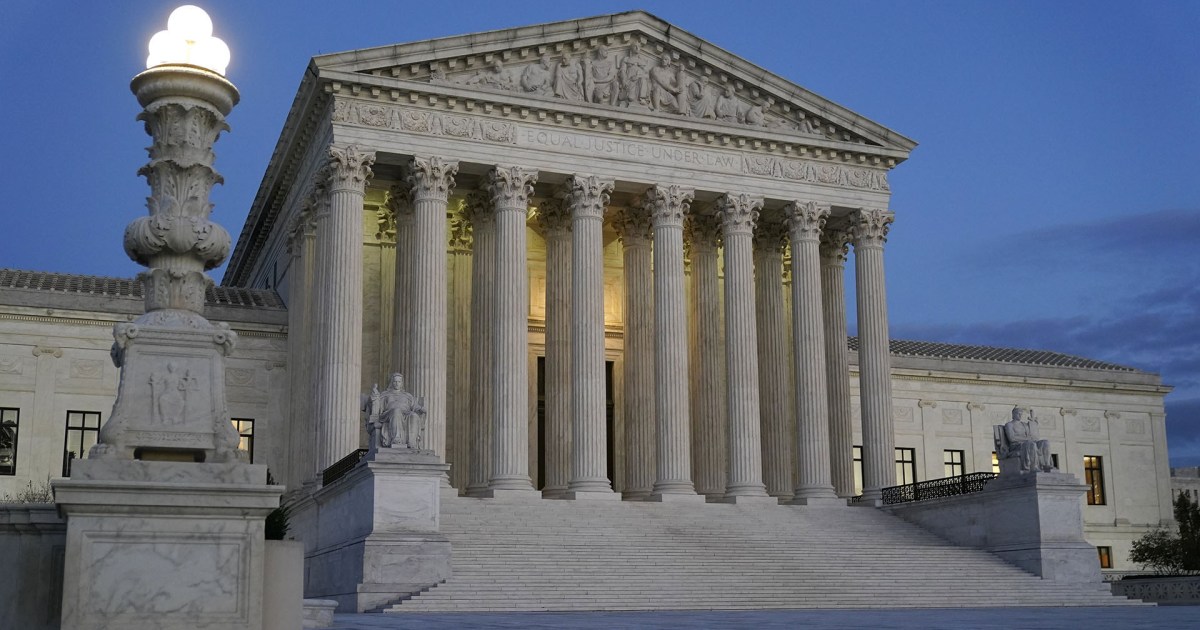
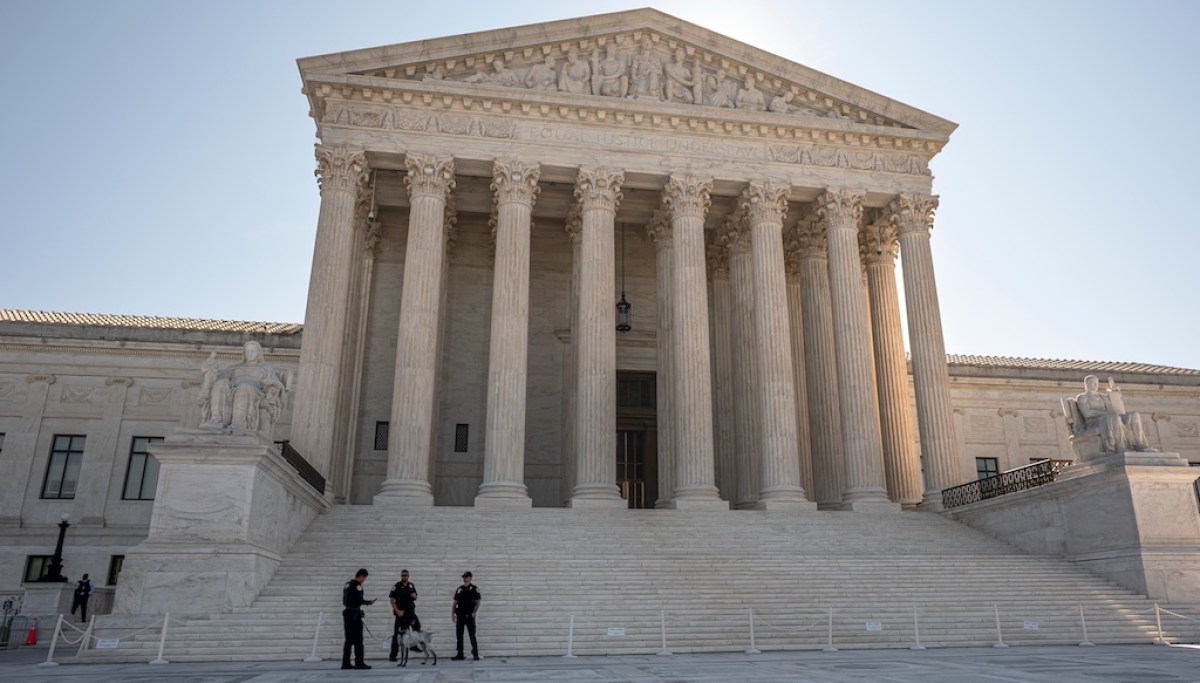
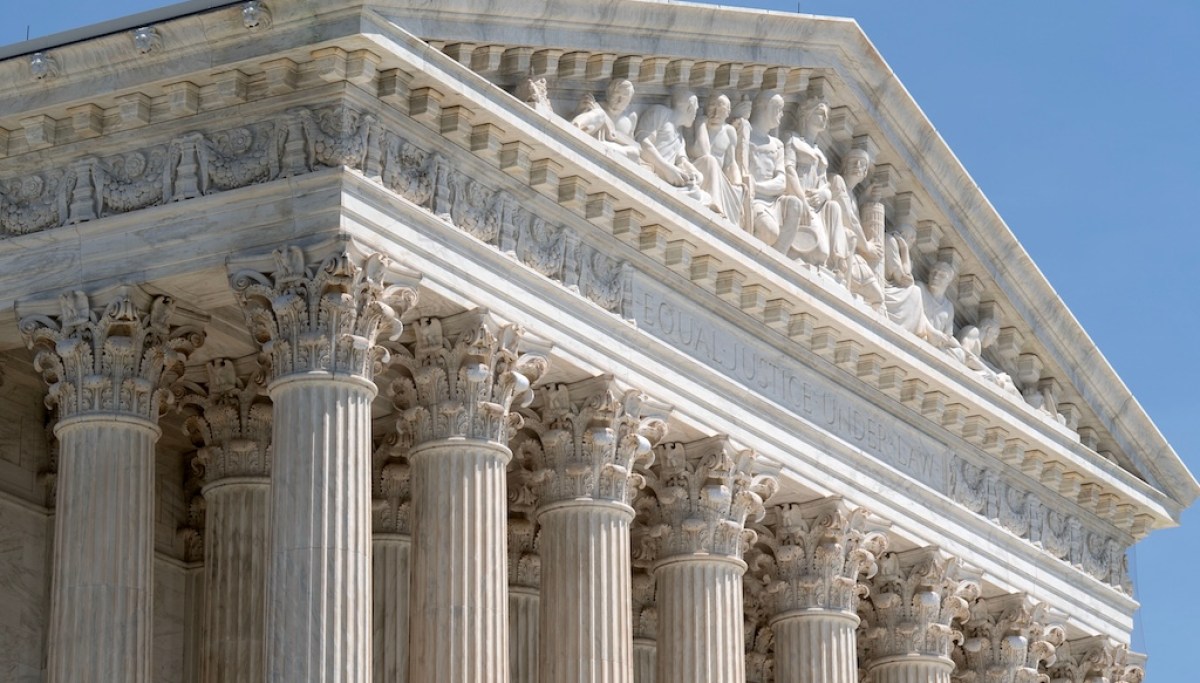
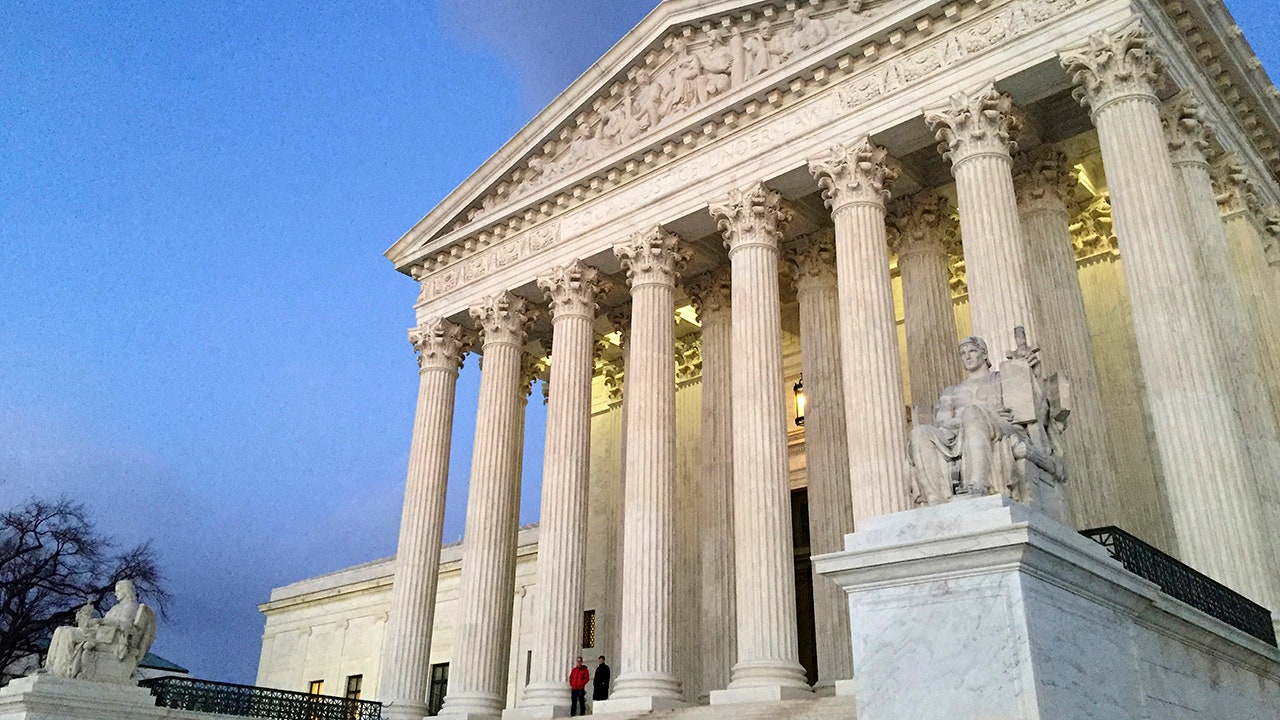
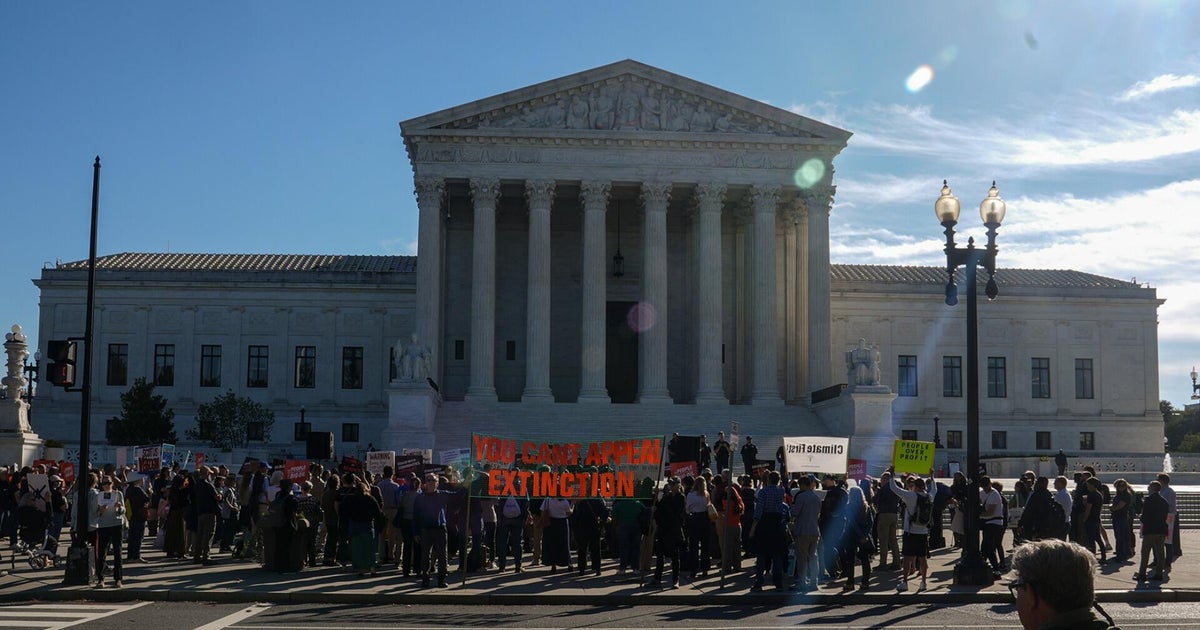
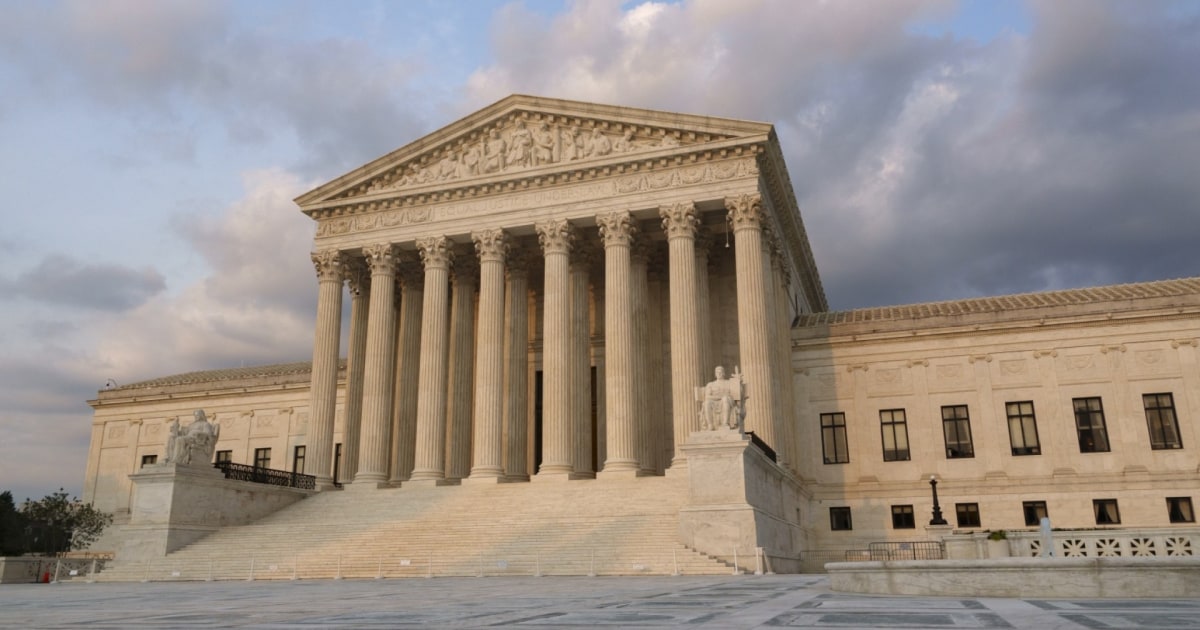
The Supreme Court is set to begin its new term on Monday with significant implications for climate change litigation when it hears the case of Suncor Energy v. Boulder County. In this lawsuit, Boulder County, Colorado, along with the City of Boulder, has sued Exxon Mobil and Suncor Energy, seeking compensation for local damages caused by global climate change attributed to these companies' fossil fuel production, promotion, and sale. The case could determine whether states and municipalities can use state courts to hold energy companies financially accountable for climate-related harms.
If the Court rules in favor of Boulder County, it would set a precedent allowing other progressive cities and states across America to file similar lawsuits against oil and gas firms. However, critics argue this approach bypasses federal law and could result in a chaotic patchwork of state-level regulations that might conflict with national policies or affect energy prices negatively for consumers.
The case has broader implications as it touches on issues of federal versus state power and the extent to which courts can intervene in complex environmental policy questions traditionally handled by Congress. The decision, expected sometime next year, could significantly influence future climate change litigation and regulatory approaches across various industries nationwide.