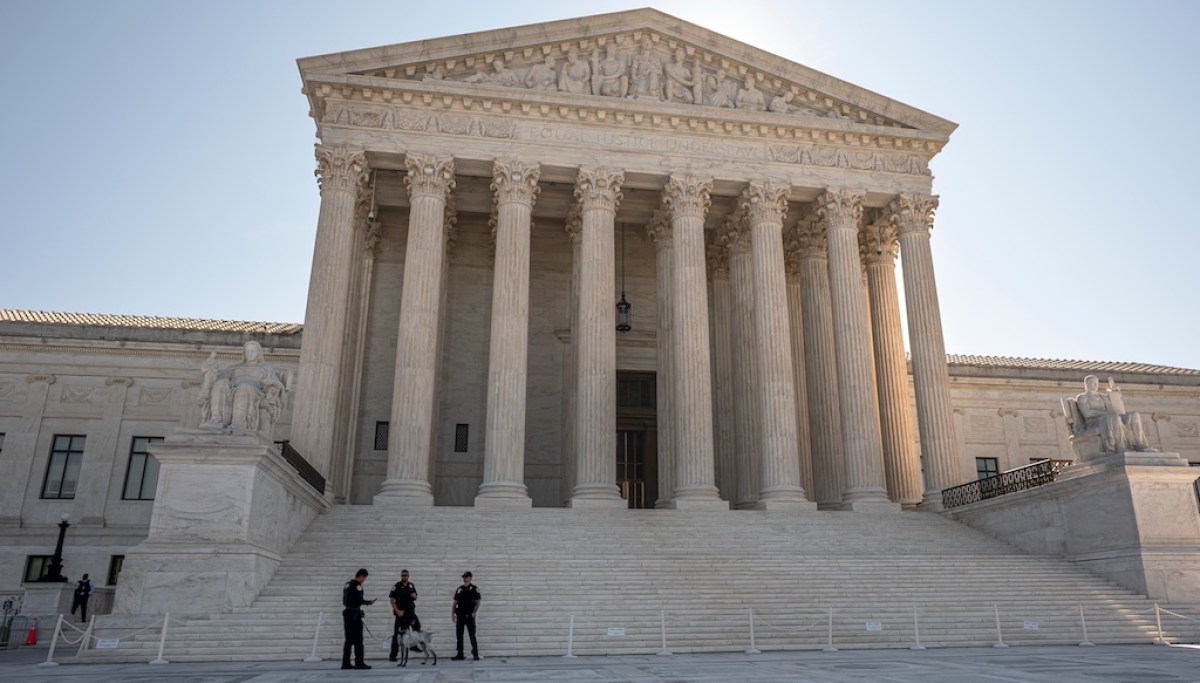
Supreme Court justices will hear arguments next week in a landmark case that could determine whether states can sue oil and gas companies for climate change.
uncertain
states → hear → change
Although a decision in the case, Suncor Energy v. County Commissioners of Boulder County, isn’t expected until next year, the Oct. 5 arguments will provide insight into how aggressively the conservative-leaning court could rule.
uncertain
court → expect → insight
The justices have been asked to determine whether states and localities have the ability to sue fossil fuel companies for damages caused by the effects of climate change, or whether federal law precludes such lawsuits.
asserted
law → ask → lawsuits
What’s driving the lawsuit
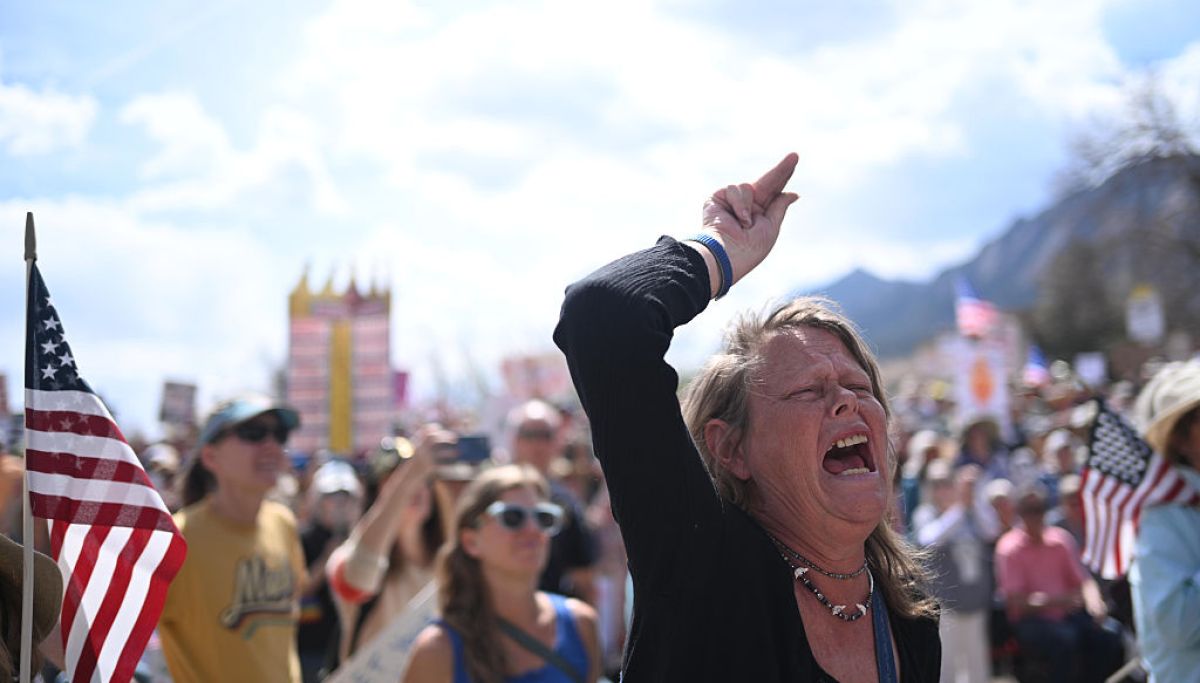
In early 2018, Boulder County, Colorado, filed a lawsuit against oil major Exxon Mobil and Suncor Energy, accusing the companies of public and private nuisance, trespassing, unjust enrichment, and civil conspiracy related to their alleged contributions to climate change in the state.
asserted
County → drive → state
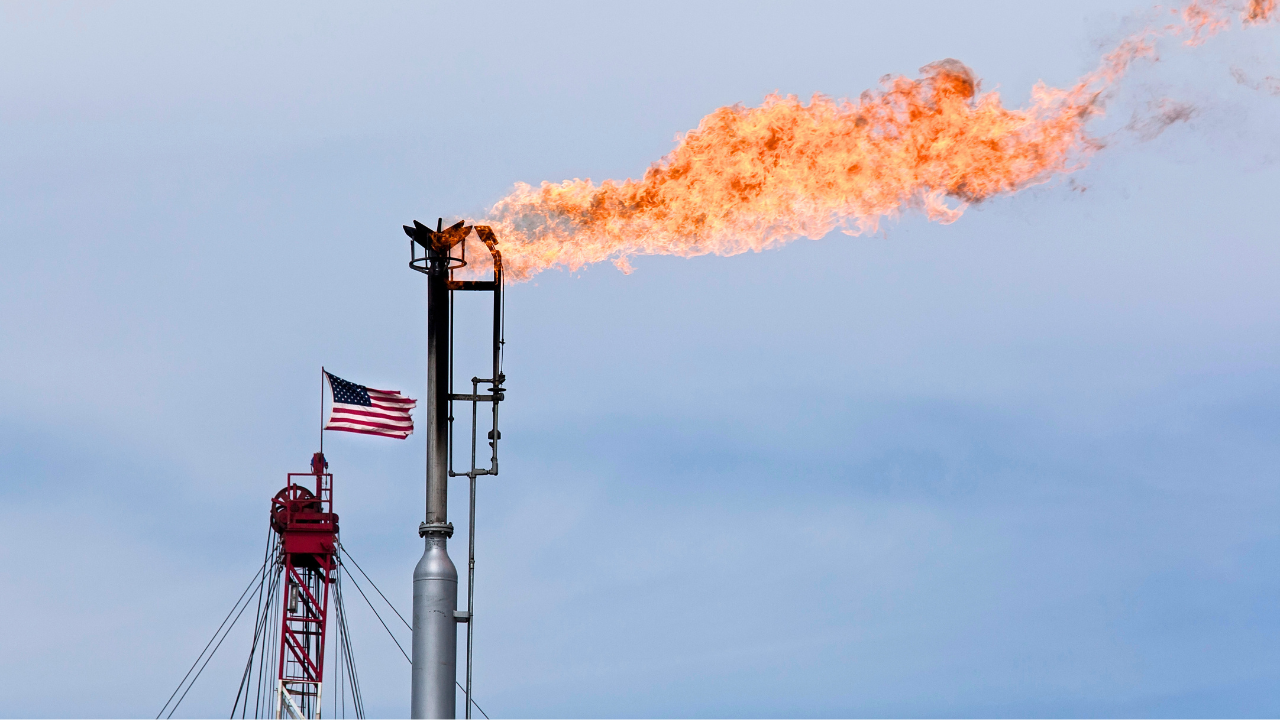
Boulder County accused the fossil fuel companies of deceiving the general public about the dangers of their oil and gas operations and the associated greenhouse gas emissions through their advertising and marketing.
asserted
County → accuse → advertising
Using state tort laws, officials are seeking compensation for climate-related injuries caused by rising temperatures and extreme weather.
asserted
officials → use → temperatures
Last year, the Colorado Supreme Court allowed the lawsuit to continue in state court.
asserted
lawsuit → allow → court
The oil companies are looking to stop the suit before it gets too far, and have asked the justices to overturn the state Supreme Court’s decision and prevent the lawsuit from going to trial.
asserted
it → look → trial
A ruling in favor of Boulder would not automatically force Suncor and Exxon to pay the state localities climate-related damages, as the case would still need to continue to trial.
asserted
case → force → trial
It would, however, pave the way for other states and municipalities to file similar lawsuits against oil and gas companies to seek compensation for greenhouse gas emissions.
asserted
states → pave → emissions
Even such a ruling, though, likely would not establish that other similar suits are legally sound.
asserted
suits → establish → ?
A ruling in favor of the fossil fuel companies would most likely halt numerous similar climate lawsuits already up for consideration across the country and make it more difficult for state governments to pressure oil and gas developers to limit their emissions.
asserted
governments → halt → emissions
That will largely depend on how narrow the court decides to rule, if it decides to issue a ruling.
asserted
it → depend → ruling
When the Supreme Court agreed to hear Suncor v. Boulder, the justices said they would also consider whether the high court had the right to hear arguments in the first place.
asserted
court → agree → place
That decision stems from an argument by the Colorado localities that the high court does not have jurisdiction to hear the case because no final judgment has been made by the local courts.
asserted
judgment → stem → courts
It is not unprecedented for the Supreme Court to hear and rule on a case before final judgment, but it is rare.
asserted
it → hear → judgment
Given this, it is possible that, following the Oct. 5 hearing, the justices decide it is too early to issue a ruling and send the case back to the lower courts for trial.
asserted
it → give → trial
Alejandro Camacho, a professor at UCLA’s School of Law with a focus on environmental law, said the type of claims Boulder is bringing against the companies could influence the justices’ ruling on this question.
uncertain
Boulder → say → question
“They’re bringing state claims, nuisance and deception and such,” he told the Washington Examiner.
uncertain
he → bring → Examiner
“Clearly, those are the kinds of things that a lower state court would look at.”
asserted
court → look → that
Preempted by federal law
Suncor and Exxon claim that by attempting to collect damages from the oil and gas companies, Boulder County is influencing national energy policy and, as such, its claims are preempted by federal law and should be considered invalid.
uncertain
claims → claim → law
The fossil fuel companies have argued that state and local governments like Boulder are seeking to use the courts to reduce greenhouse gas emissions.
asserted
governments → argue → emissions
And as effects of climate change, such as emissions, cross state borders, they argue that Boulder is illicitly trying to impose its “preferred policy of limiting emissions across the Nation.”
asserted
Boulder → cross → Nation
The companies argue that the local claims are preempted by federal laws such as the Clean Air Act.
uncertain
claims → argue → Act
Camacho said several of Boulder’s claims can be considered emissions-based, such as those related to nuisance and negligence, as they allege that Suncor and Exxon’s products directly contributed to climate-related harms that damaged public property.
uncertain
that → say → property
However, the deception-based claims — regarding what the companies did not tell the public through advertising — are less obvious.
uncertain
companies → base → advertising
“The Clean Air Act clearly doesn’t say anything about that,” he said.
asserted
he → say → that
“The Clean Act clearly is not about regulating corporate honesty and advertising, or … concealing of risks.”
asserted
Act → regulate → risks
Even if the high court were to rule specifically that emissions-based claims are preempted by federal law, Camacho said, that could still allow Boulder’s case to move forward, as many of its claims are focused on deception.
uncertain
many → rule → deception
While oil companies have argued that the Clean Air Act preempts state law, it’s worth pointing out that the Trump administration may have made the case more complicated by rolling back federal rules on emissions.
uncertain
case → argue → emissions
Earlier this year, the administration rescinded the 2009 Endangerment Finding, claiming the Clean Air Act does not give the Environmental Protection Agency authority to regulate greenhouse gas emissions.
asserted
Act → rescind → emissions
In a brief, however, Suncor and Exxon argue that management of interstate and international greenhouse gas emissions lies with the federal government, not with the states.
asserted
management → argue → states
The Department of Justice also argued in a brief in support of the companies that the federal government alone is able to bring about any action regulating interstate emissions.
asserted
government → argue → emissions
“They basically are disclaiming the ability to regulate greenhouse gases under the Clean Air Act, but at the same time…the companies are trying to argue that basically the Clean Air Act preempts regulation of greenhouse gases under state law,” Camacho said.
asserted
Camacho → disclaim → law
“To me, it’s quite a ridiculous argument.
asserted
it → ’ → me
It’s basically the government is arguing EPA can’t regulate greenhouse gases,” he continued.
asserted
he → ’ → gases
“And at the same time, the state common law can’t compensate for the harm from greenhouse gases.”
Not about climate change
There is widespread agreement that, regardless of which argument one might support, the case itself is not one about climate change or a state’s ability to mitigate climate change.
uncertain
case → compensate → change
Michael Buschbacher, a partner at the law firm Boyden Gray, said states do now and will still have authority over mitigating climate change and greenhouse gas emissions within their own borders.
asserted
states → say → borders
The question, he said, is whether state governments can impose billions of dollars of liability retroactively, and beyond state lines.
asserted
governments → say → lines
“There’s not a state right for Texas to tell, you know, California how it’s going to regulate,” Buschbacher told the Washington Examiner.
asserted
Buschbacher → ’ → Examiner
…and 16 more, not listed.
 The Aporia