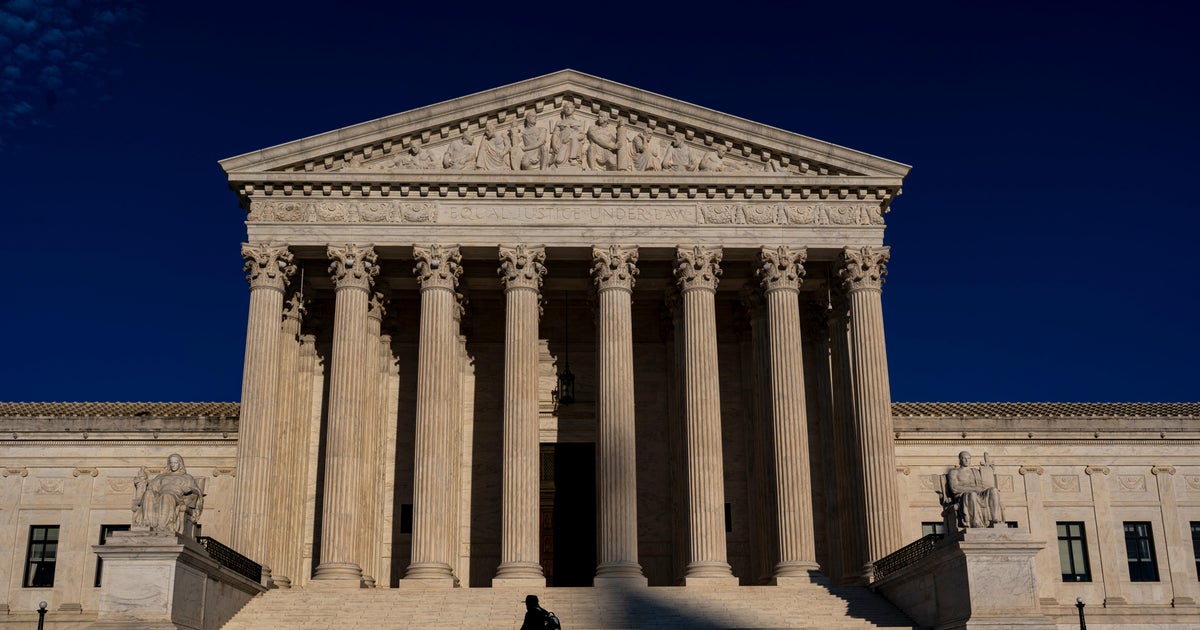
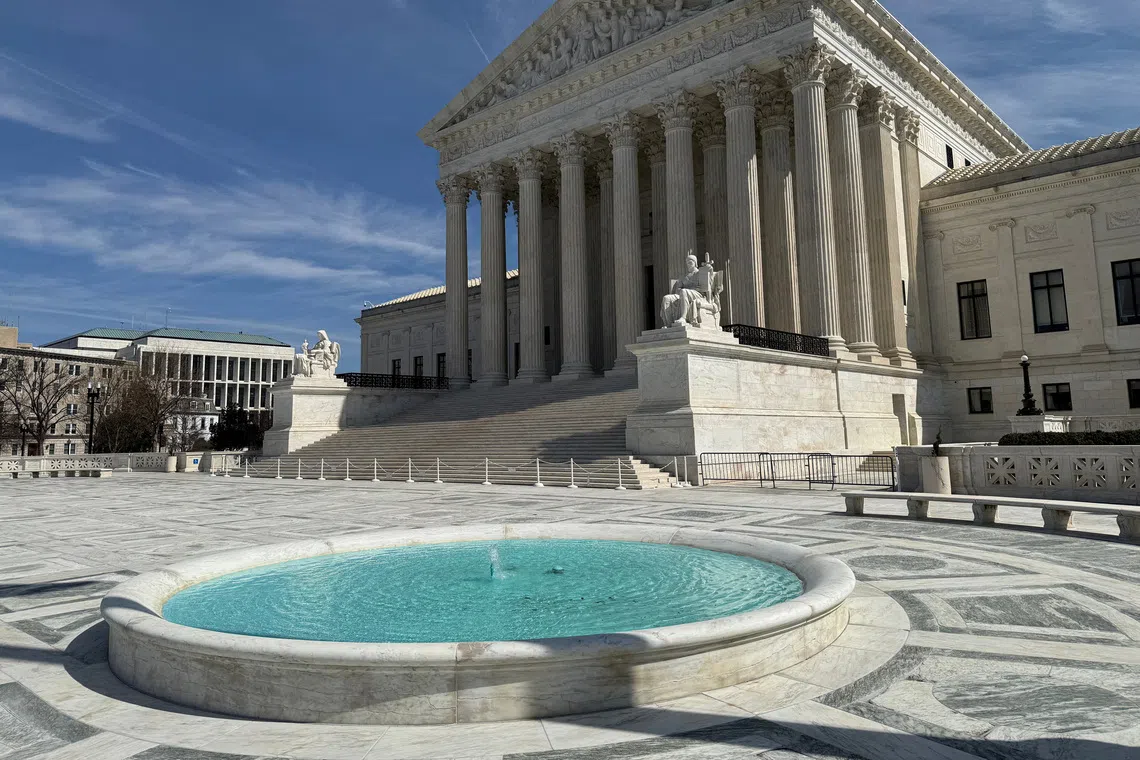
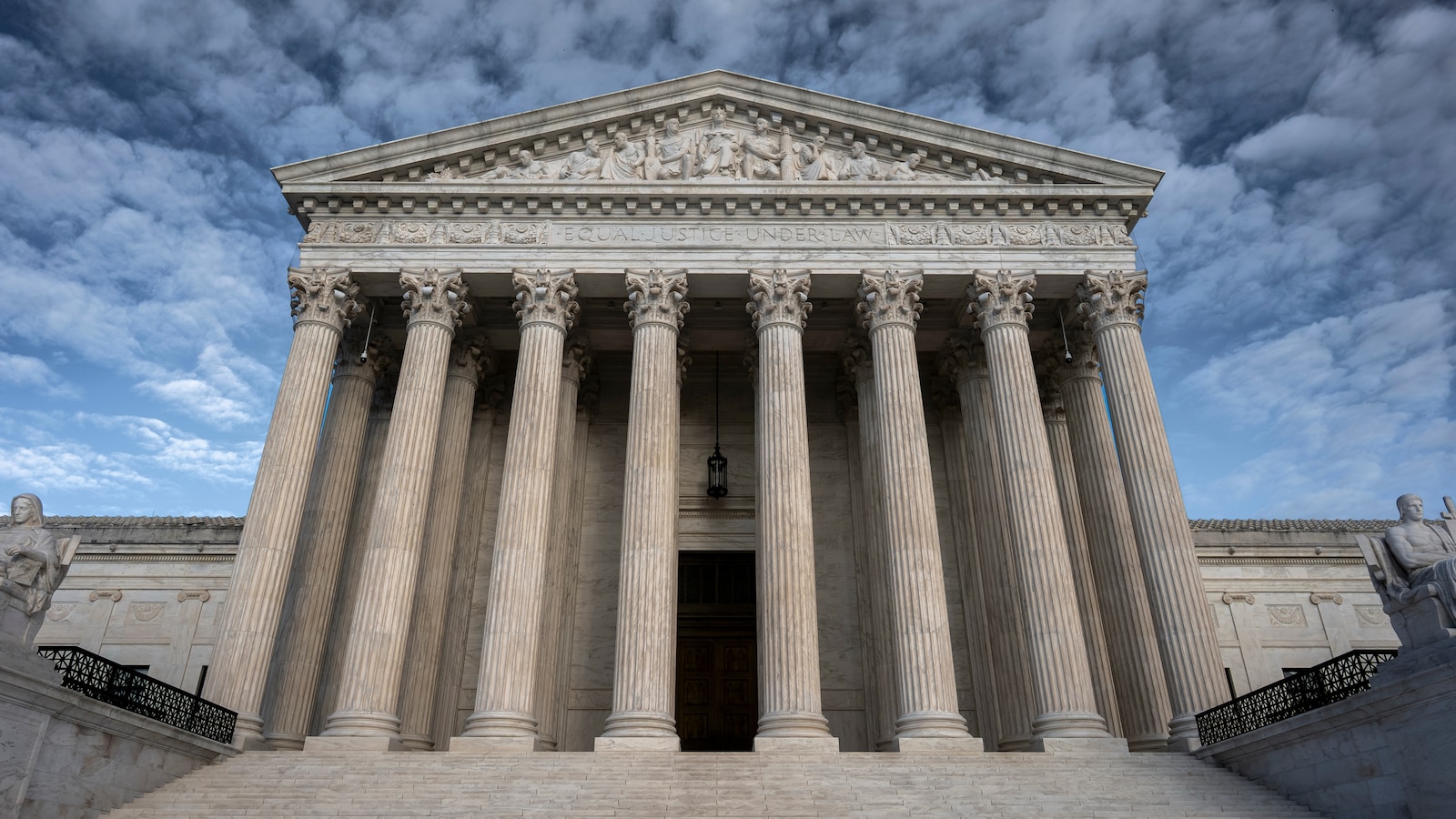
Supreme Court hears arguments on climate change lawsuits

Read the original at NBC News ↗
NBC News · collected 2026-10-05 · by NBC News

Quick Summary

Not summarized yet. This article was analyzed before summaries existed, or the model was unreachable at the time. python maintenance.py backfill-article-summaries fills these in.

AI analysis runs on qwen2.5:14b, locally

Story summary

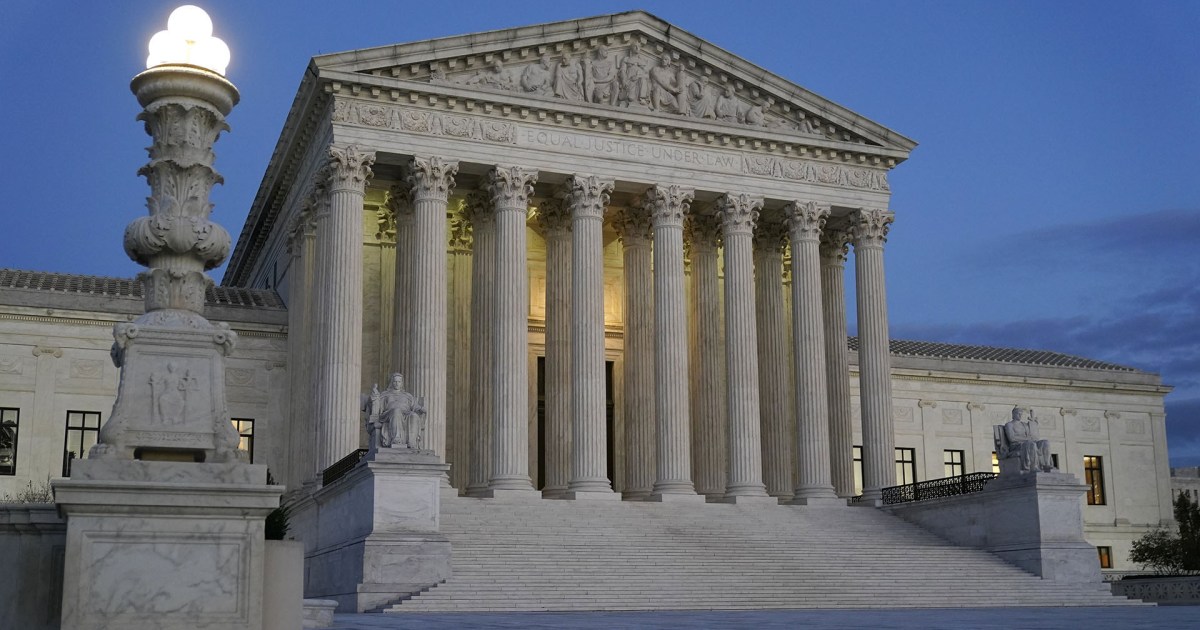
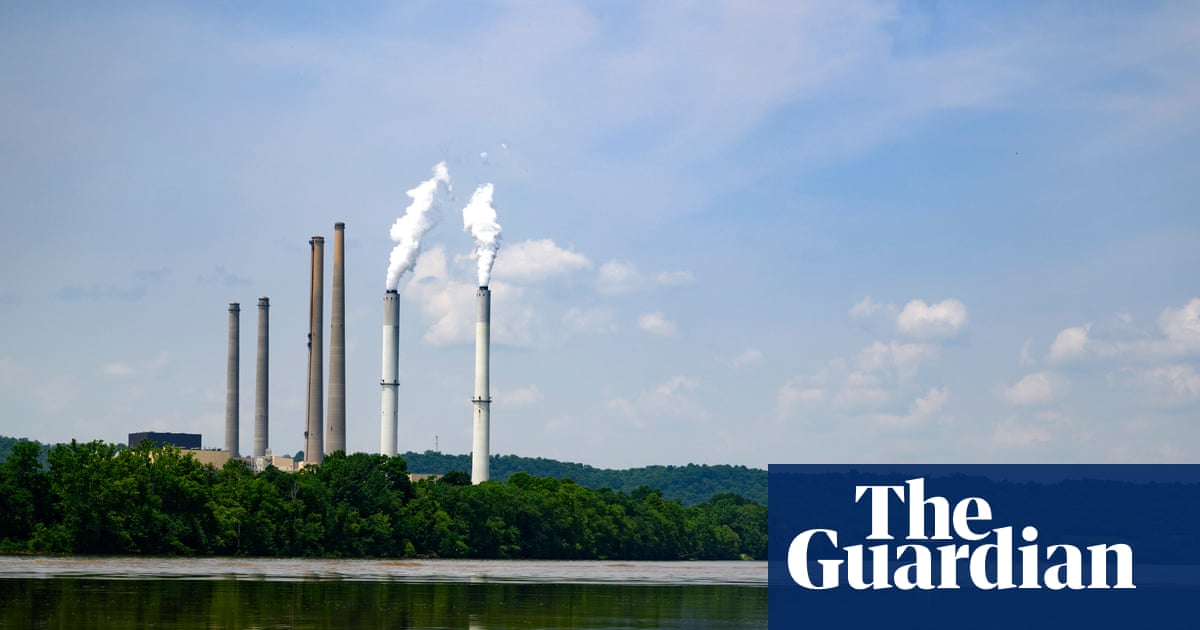
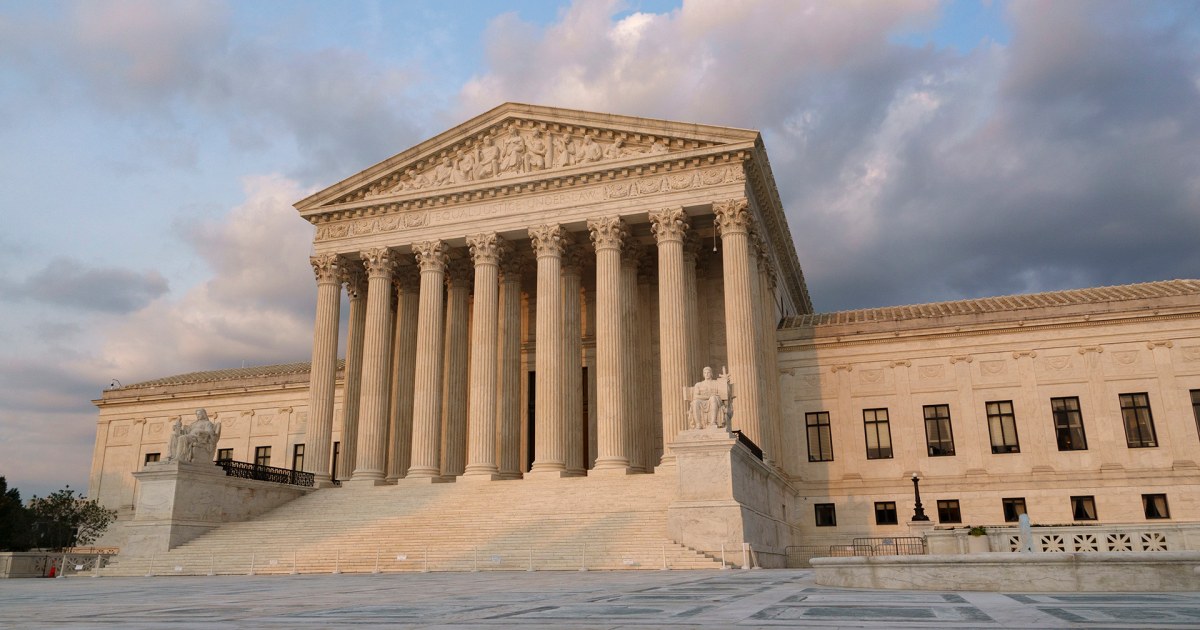
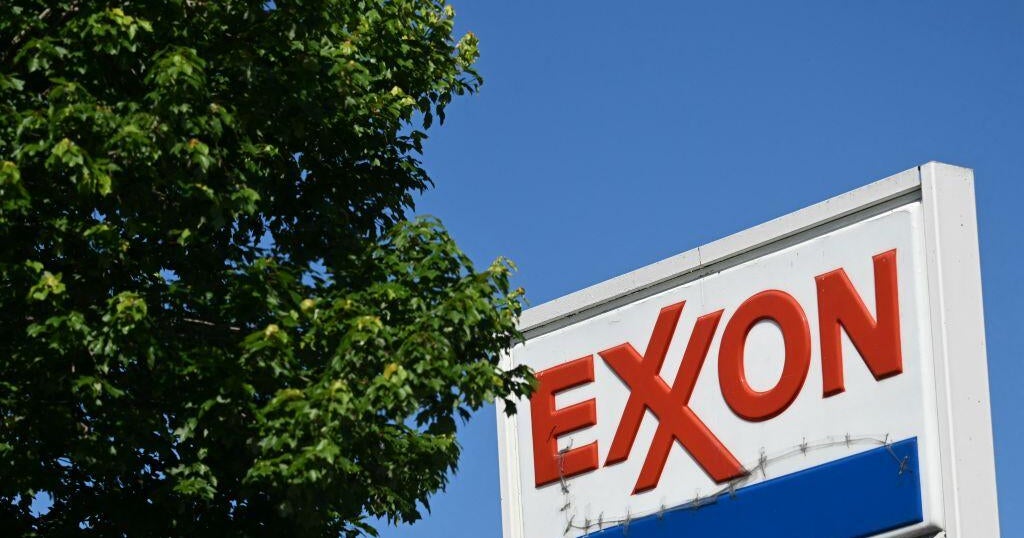
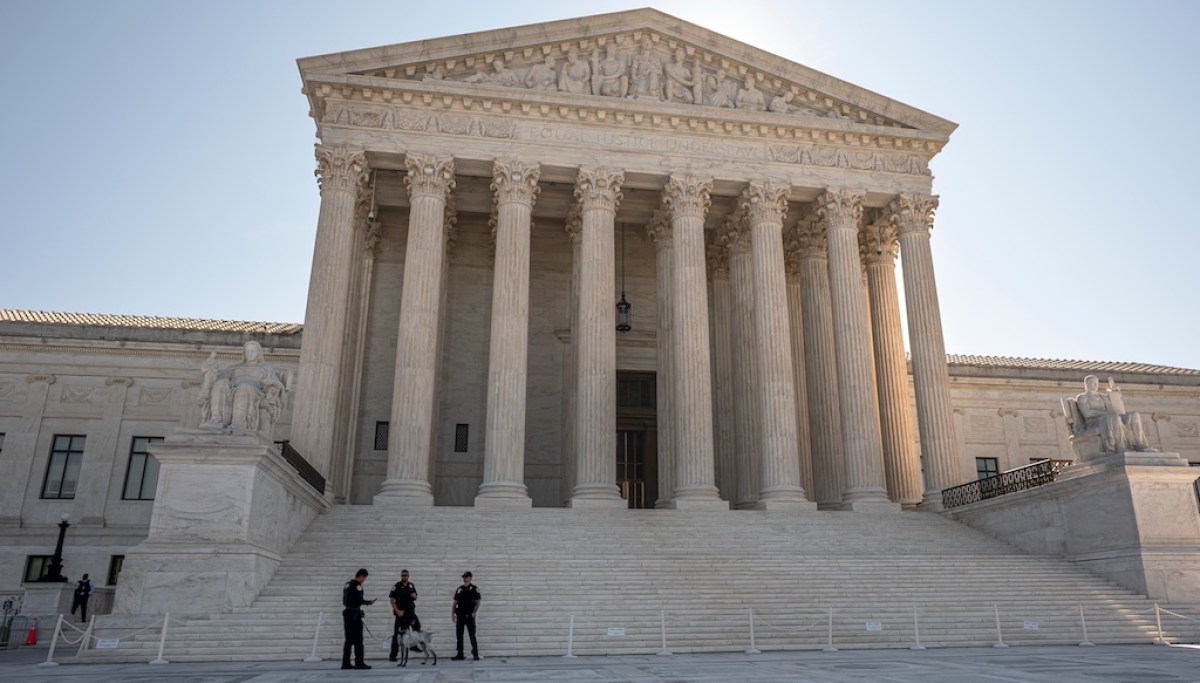
When the Supreme Court begins its new term on Monday, it will consider Suncor Energy v. Boulder County, a case with significant implications for climate change litigation. The lawsuit, filed by Boulder County, Colorado in 2018, targets oil companies like Suncor and Exxon Mobil over their alleged contributions to climate change-related damages. The county claims the energy firms' production, promotion, and sale of fossil fuels have caused local harm and seeks compensation under state tort laws.

Manufacturers and conservative legal experts argue that allowing such lawsuits could lead to a patchwork of inconsistent rulings across states, hindering national policy-making on complex issues like climate change. Conversely, environmental advocates see this case as an opportunity for localities to hold major polluters accountable through the courts if federal action fails.

The outcome could affect not just energy companies but also other industries potentially sued by municipalities or states in future climate-related cases. The decision is expected early next year and will likely shape how U.S. courts handle similar environmental disputes moving forward.
Written for “Supreme Court Climate Case” on 2026-10-05, grounded in this article and the 20 other(s) covering the same event.
Why this leaning score
This article does not take a side on a contested political question, so it has no leaning score. That is an answer rather than a gap: a match report or a rescue can be warmly or critically written without being left or right, and scoring it anyway is how approval of a subject gets recorded as a political position.
No political leaning scored for article 57619 · logged 2026-10-05

Signals How these are calculated →

Claims extracted
0
claim-shaped sentences
Uncertain
no claims
nothing to measure
Leaning
not political
takes no side on a contested political question
Correction & hedging signals
95.1
corrections and hedging in what we collected; not a measure of accuracy
Outlets on this story
21
Politics
Narrative spread
none derived
Analyzed 2026-10-05 · how these are computed

Story

📰 Supreme Court Climate Case
Politics · 21 article(s) covering the same event. See how they differ ↓

How this is being covered How these are calculated →

Article leaning vs. publisher reliability
Source leaning vs. consistency

Compared with similar articles

This article reads unscored and hedges an unknown share of its claims. Each row says how that neighbour differs.
Washington Examiner
⚖️ Leans left 🔴 21% hedged 12 of 56 📰 publisher trust 72
“Both articles refer to the Supreme Court hearing arguments in Suncor Energy v. County Commissioners of Boulder County on October 5, 2026.”
Mother Jones
⚖️ Leans left 🔴 10% hedged 5 of 49 📰 publisher trust 95
“Article A discusses Alito's recusal decision before the hearing, while Article B implies coverage of the actual Supreme Court arguments on climate change lawsuits.”
The Guardian
⚖️ Leans strongly left 🔴 5% hedged 1 of 21 📰 publisher trust 68
“Article A describes the filing of a lawsuit against the EPA's repeal of emissions rules, while Article B reports on Supreme Court arguments regarding climate change lawsuits, which is a different but related event.”
NBC News
⚖️ leaning not scored 🔴 no claims extracted 📰 publisher trust 95
“Article A mentions multiple high-profile cases, while Article B specifically refers to arguments on climate change lawsuits.”
Los Angeles Times
⚖️ leaning not scored 🔴 33% hedged 19 of 57 📰 publisher trust 95
“Article A describes the upcoming hearing scheduled for Monday, while Article B appears to report on an actual hearing that has already taken place.”
CBS News
⚖️ Leans left 🔴 23% hedged 13 of 57 📰 publisher trust 66
“Article A refers to the upcoming hearing of a case, while Article B discusses arguments already heard on climate change lawsuits, indicating different stages of the same broader issue but not the exact same specific event.”
CBS News
⚖️ leaning not scored 🔴 9% hedged 9 of 102 📰 publisher trust 66
“Article A discusses the Supreme Court gearing up for its new term, while Article B reports on arguments being heard in a climate change lawsuit during the new term.”
The Straits Times
⚖️ Leans left 🔴 32% hedged 6 of 19 📰 publisher trust 59
“Both articles describe the US Supreme Court hearing arguments on climate change lawsuits against oil companies on October 5, 2026.”
ABC News (US)
⚖️ Leans left 🔴 3% hedged 1 of 30 📰 publisher trust 59
“Both articles discuss the Supreme Court beginning its term and specifically mention a major climate change case being heard.”
Toronto Star
⚖️ Leans left 🔴 3% hedged 1 of 29 📰 publisher trust 63
“Both articles describe the Supreme Court beginning its term with a major climate change case involving energy companies and potential liability for damage related to climate change.”

Publisher

NBC News · 982 article(s) · 0 correction(s) detected
No corrections detected for this publisher. That may mean careful reporting, or simply that nothing has been checked.

Who wrote this

NBC News
182 article(s) here · 0 carrying a prediction
Wire or desk byline, not an individual reporter.
Also by NBC News
Nothing else under this byline is closely related to this article, so these are simply their most recent.
All 182 articles by NBC News →

Topics

No topics tagged.

Subjects

No subjects extracted.

Narrative

No narrative derived. That requires at least one asserted claim.

Claims (0 extracted, 0 hedged)

No claims extracted from this article.
💬Give feedback
🕘History 🎫Support