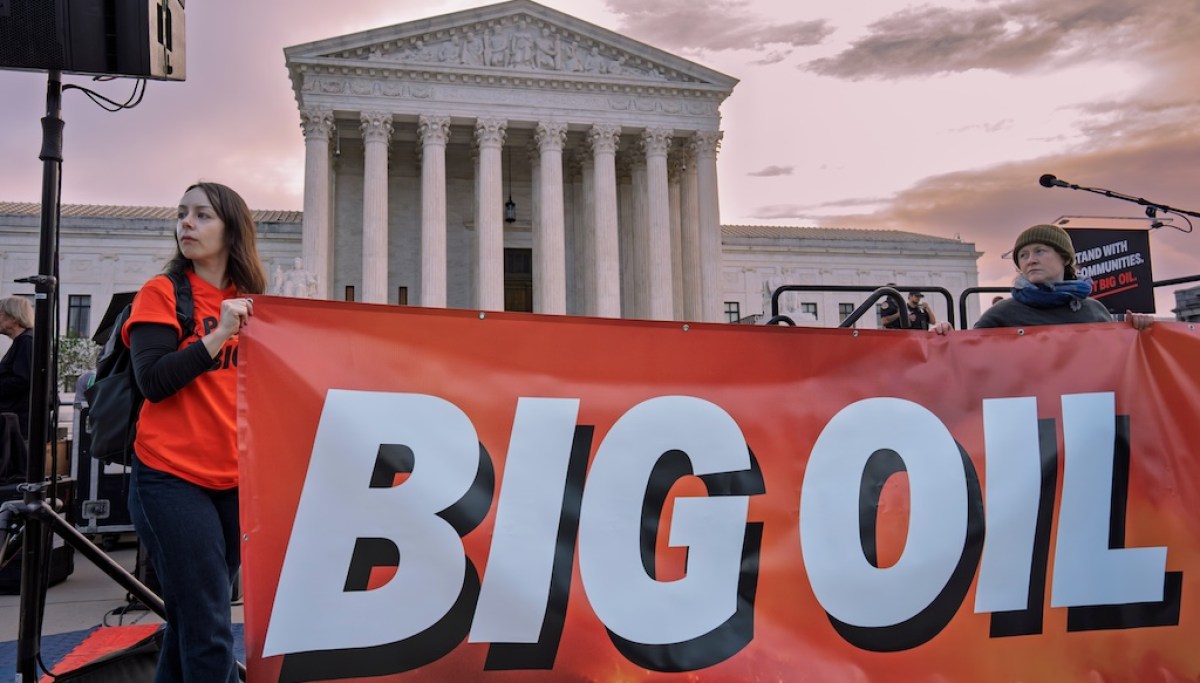
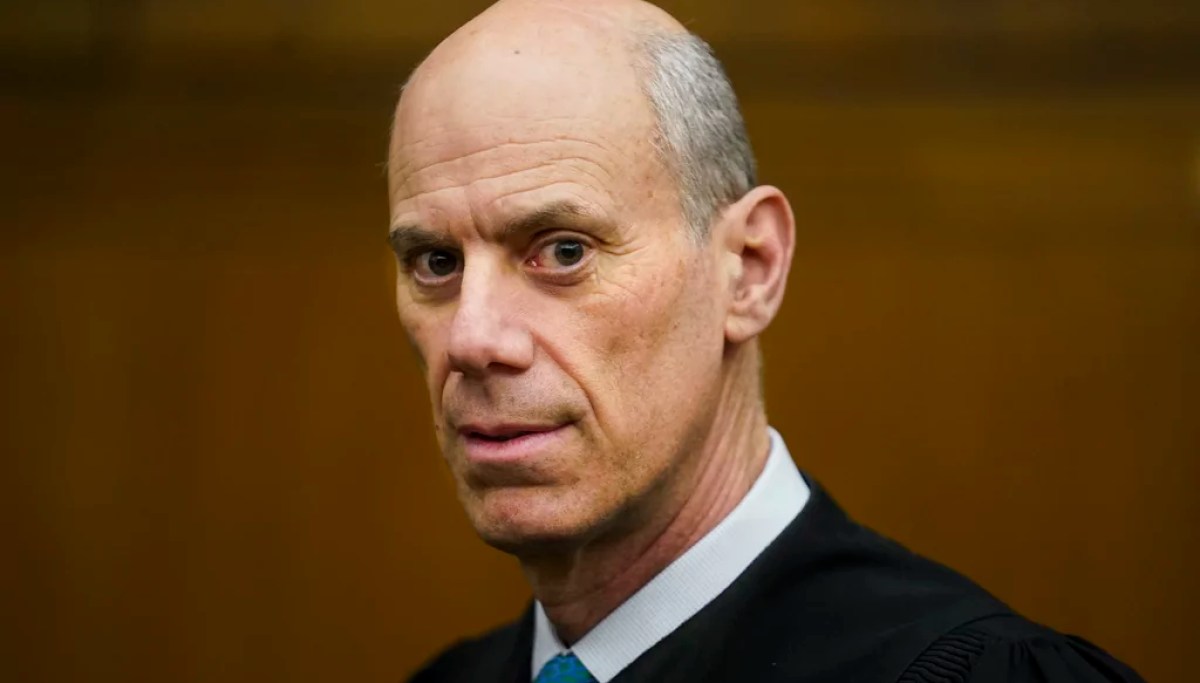
During Supreme Court oral arguments in Suncor Energy v. County Commissioners of Boulder County, justices were divided on whether to allow Boulder County's climate change lawsuit against oil companies to proceed. The case hinges on the Clean Air Act’s federal jurisdiction over air pollution and constitutional limits on states’ regulatory powers. Justice Elena Kagan questioned if cross-border pollution could be regulated by affected states, while Chief Justice John Roberts worried about the lack of limiting principles for similar lawsuits across jurisdictions.
Written locally by qwen2.5:14b on 2026-10-05,
using this article's own text rather than the other coverage of the
same event (that is the story summary below).
Story summary
When the Supreme Court opens its new term on Monday, it will hear arguments in Suncor Energy v. Boulder County, a landmark case that could set a precedent for whether states and local governments can sue oil and gas companies over climate change damages. In 2018, Boulder County filed a lawsuit against Exxon Mobil and Suncor Energy, accusing them of contributing to climate change through their operations and seeking compensation under state tort laws. Manufacturers fear that if the Court allows such lawsuits to proceed, it could lead to an unpredictable patchwork of legal actions targeting industries across the nation for complex national issues. The case is expected to have significant implications for business investment and job growth in communities nationwide.
Written for “Supreme Court Climate Case” on 2026-10-05,
grounded in this article and the 26 other(s) covering the same event.
Why this leaning score
This article does not take a side on a contested political
question, so it has no leaning score. That is an
answer rather than a gap: a match report or a rescue can be warmly
or critically written without being left or right, and scoring it
anyway is how approval of a subject gets recorded as a political
position.
No political leaning scored for article 58035 · logged 2026-10-05
The Supreme Court appeared split over whether to allow Boulder County, Colorado’s climate-change damages lawsuit against oil companies to proceed, with the justices appearing to have reservations about both sides’ sweeping arguments during Monday’s hearing.
asserted
justices → appear → hearing
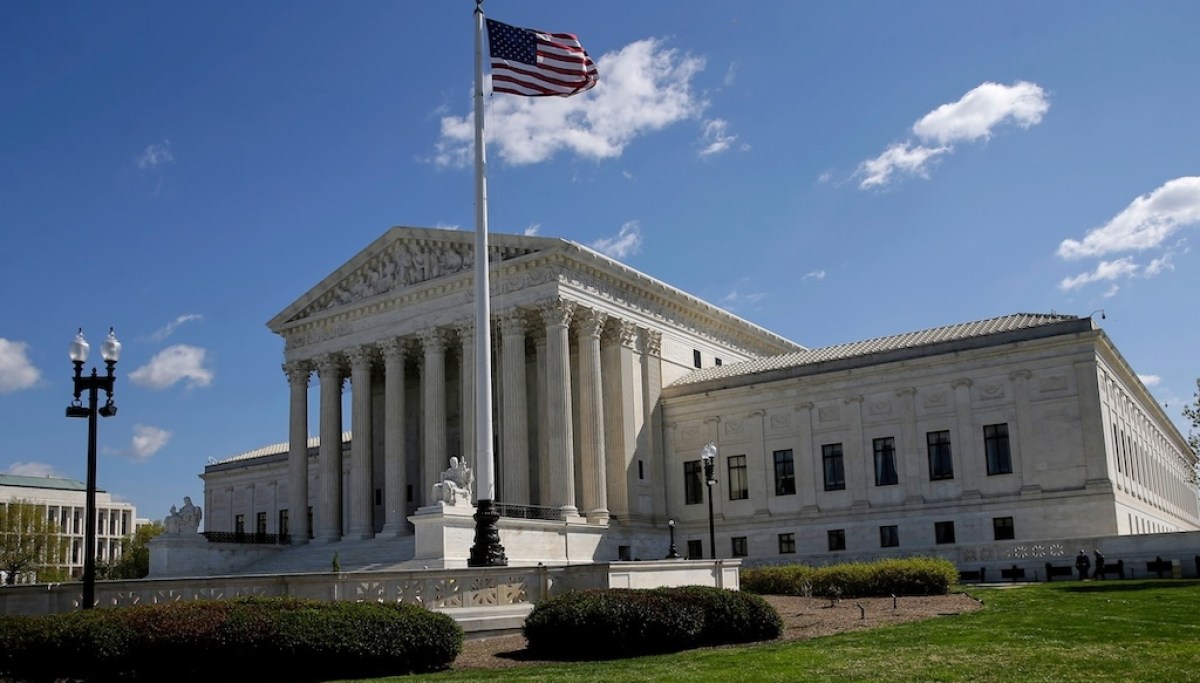
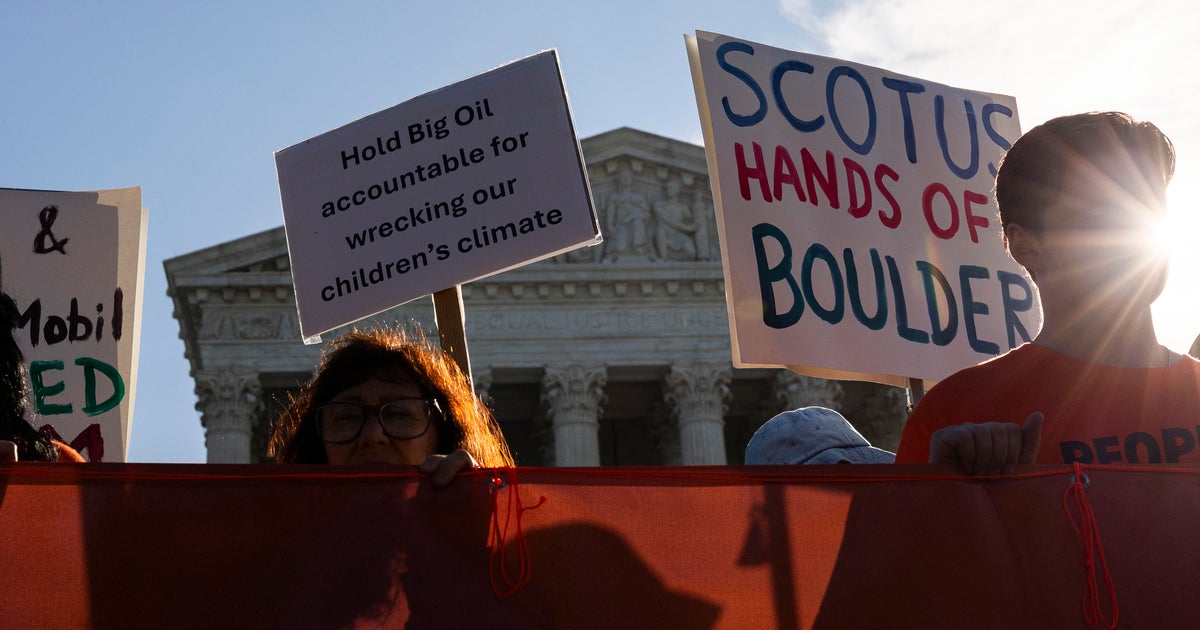
The high court heard oral arguments in Suncor Energy v. County Commissioners of Boulder County on whether a lawsuit brought by Boulder County, which seeks to hold oil companies accountable for their alleged role in global climate change, can proceed.
asserted
companies → hear → change
The case is expected to have sweeping ramifications for similar lawsuits that climate activists and Democrat-led jurisdictions have attempted to bring against oil companies, either broadly allowing them to continue or shutting them down as barred by federal law.
asserted
them → expect → law
Suncor lawyer Kannon Shanmugam argued to the justices that Boulder’s lawsuit should be dismissed both because the Clean Air Act gives the federal government jurisdiction over the regulation of greenhouse gas emissions and air pollution, and because the Constitution does not allow states to regulate matters beyond their borders.
asserted
states → argue → borders
Shanmugam emphasized the constitutional argument, leading to pushback from some of the justices.
asserted
Shanmugam → emphasize → justices
Chief Justice John Roberts and Justice Elena Kagan both questioned whether there are situations in which pollution caused in one state could be subject to a different state’s laws if it is directly harming the other state.
uncertain
it → question → state
Several of the justices questioned why Shanmugam was not just making the argument that the Clean Air Act forecloses the lawsuit, which they noted would be easier under the high court’s precedents.
asserted
they → question → precedents
Principal Deputy Solicitor General Sarah Harris argued in support of Suncor for the Department of Justice and similarly faced sharp questions about whether the Constitution forecloses the lawsuit.
asserted
Constitution → argue → lawsuit
Justice Brett Kavanaugh asked Harris why the high court’s previous rulings on the Clean Air Act, which assert that air pollution is a federal matter, are not enough to form the basis of her argument on why the Boulder lawsuit should be tossed.
asserted
lawsuit → ask → argument
Harris claimed that both arguments, regarding the constitutionality of the law and the Clean Air Act, would individually be enough for Suncor to win.
asserted
Suncor → claim → law
Several justices expressed concern over the scope of Boulder’s arguments to keep its lawsuit alive, specifically over how broad the ensuing lawsuits could be.
uncertain
lawsuits → express → lawsuit
Kevin Russell, the lawyer arguing for Boulder, was immediately questioned by Justice Clarence Thomas over what the limiting principle for lawsuits over climate change damages would be.
asserted
principle → argue → damages
Roberts expressed concern about allowing the lawsuit to proceed, asking what would prevent other cities and states from emulating Boulder’s lawsuit and piling up challenges against these companies over global climate change without any limits.
asserted
what → express → limits
So it’s not as if anything other than your litigation is going to address it.
asserted
anything → ’ → it
So as a practical matter, what should happen?” Roberts asked.
asserted
Roberts → happen → matter
Monday’s oral arguments only featured an eight-justice bench, after Justice Samuel Alito recused himself from the case last week.
asserted
Alito → feature → case
Alito did not explain his rationale, but he has previously recused himself from climate change cases over his financial interests in oil companies.
asserted
he → explain → companies
The eight-person bench leaves open the chance of a rare 4-4 deadlock, which would leave the issues in the case unresolved, as if the Supreme Court had never taken it up.
asserted
Court → leave → it
The eight-justice panel on Monday did not appear clearly convinced by arguments from Suncor and the DOJ that Boulder’s lawsuit is constitutionally foreclosed, but a majority appeared open to shutting down the county’s lawsuit on the grounds that the Clean Air Act preempts Colorado state law.
asserted
Act → appear → law
The Suncor case was the first the Supreme Court heard in its new term, and the justices are expected to issue a ruling as soon as early 2027.
asserted
justices → hear → 2027
 The Aporia