Los Angeles Times
· collected 2026-09-25 · by David G. Savage
Supreme Court upholds Trump’s expanded data checks to spot noncitizens who registered to vote
-
asserted
who → uphold → noncitizens
- The decision will aid states that seek to scrub their voter rolls and remove those who are not citizens.
asserted
who → aid → those
It’s not clear if the decision will have much impact in California and other Democratic-led states.
asserted
decision → ’ → California
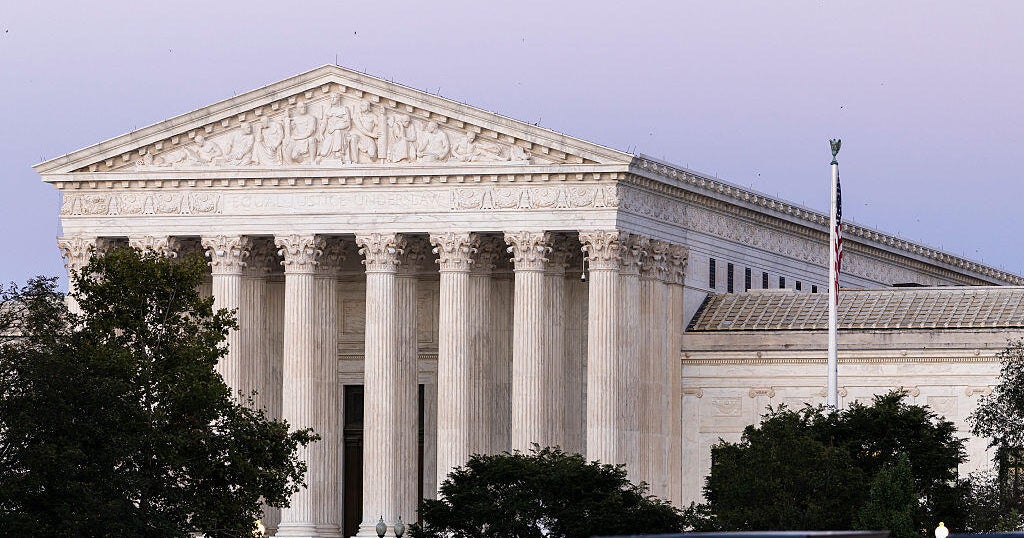
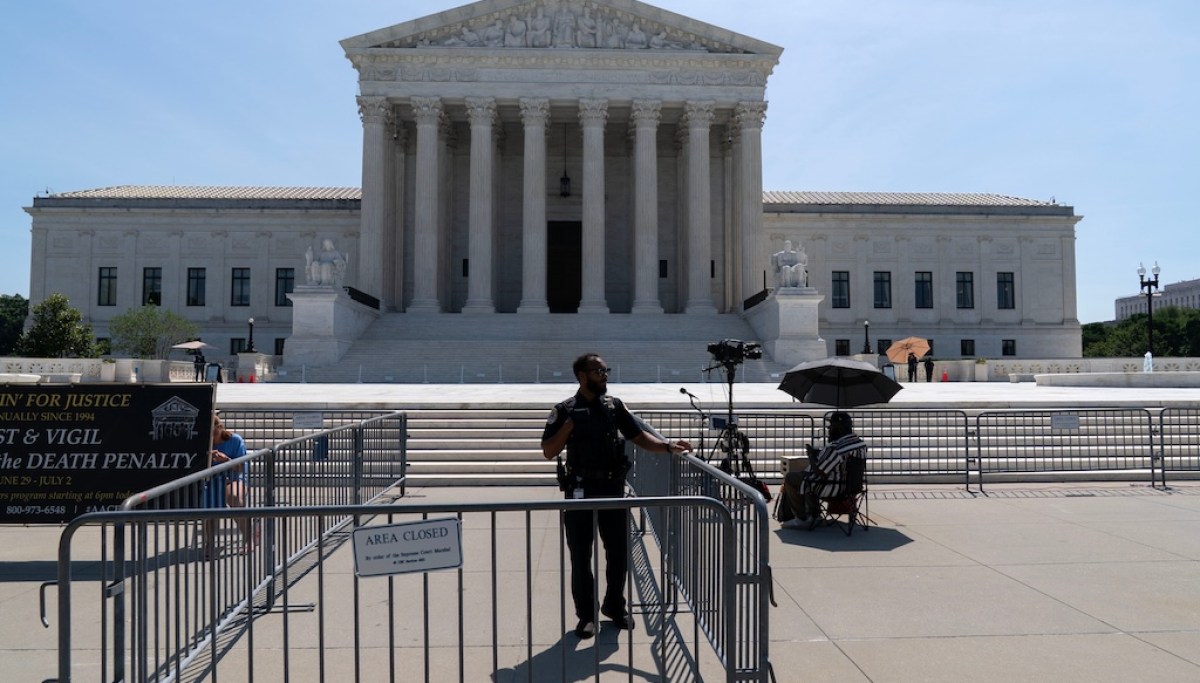
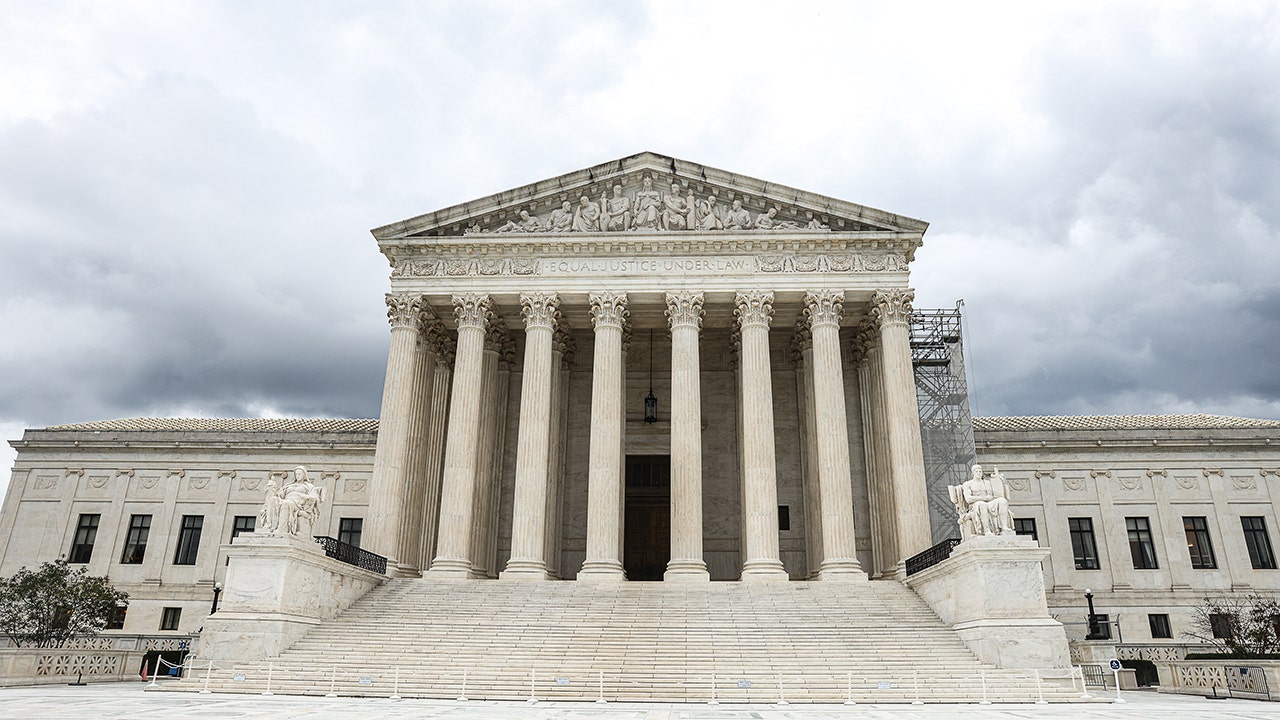
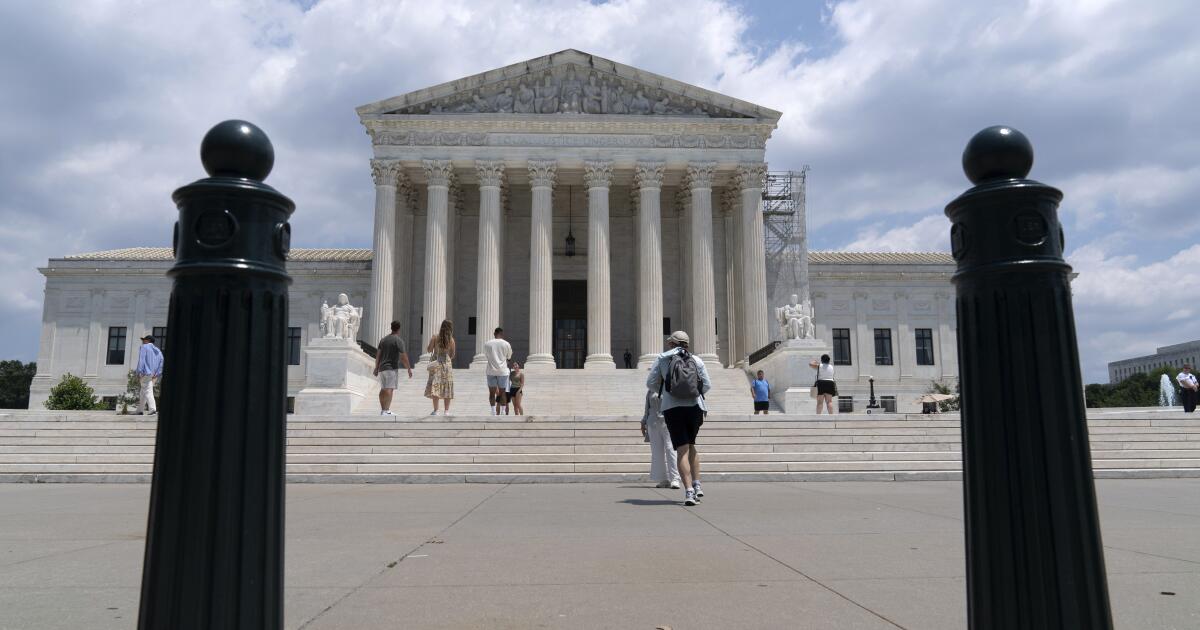
The Supreme Court on Friday upheld President Trump’s expanded use of government data to spot noncitizens who are registered to vote.
asserted
who → uphold → noncitizens
The justices granted an emergency appeal from Trump’s lawyers and set aside a judge’s order that blocked use of this data on the grounds it was error-prone, particularly for naturalized citizens.
asserted
it → grant → citizens
Justices Ketanji Brown Jackson, Sonia Sotomayor and Elena Kagan dissented.
asserted
Jackson → dissent → ?
The decision will aid states that seek to scrub their voter rolls and remove those who are not citizens.
asserted
who → aid → those
Several Republican-led states including Texas and Florida supported the administration’s appeal.
asserted
states → lead → appeal
The use of the new database “allowed Texas to more efficiently, promptly, and economically ensure the accuracy of its voter rolls,” the state said.
asserted
state → allow → rolls
It was “able to run its entire list of 18 million voters” through the expanded system of checks “in bulk and for no cost.”
asserted
It → run → cost
It’s not clear the decision will have much impact in California and other Democratic-led states.
asserted
decision → ’ → California
It is likely to have a limited impact in the month ahead because the law forbids states from purging their voter rolls in the 90 days before an election.
asserted
law → have → election
The court, in an unsigned opinion, said the law supported use of the data.
asserted
law → say → data
“The federal Government has an obligation to respond to requests from state and local election officials seeking to verify the citizenship of voters,” the court said.
asserted
court → have → voters
“The order below prevents the federal government from using the program it believes is best suited to the task.”
asserted
it → prevent → task
The administration said the Department of Homeland Security can respond to more than 1 million requests per day to check if a person appears to be a citizen or not based on Social Security records and other data files.
asserted
person → say → records
If not, state or county election officials may require these suspect voters to furnish proof of their citizenship.
uncertain
officials → require → citizenship
However, states and local election boards are not required to conduct these searches.
asserted
states → require → searches
The administration also said its data reports are not final proof of citizenship.
asserted
reports → say → citizenship
Upholding these data searches “would not require states, candidates, parties, or voters to do anything,” Solicitor Gen. D. John Sauer told the court.
asserted
Sauer → uphold → court
“It would simply make available to states additional information. ...
asserted
information → make → states
States that wish to use that information in the course of ensuring that only eligible citizens cast ballots this November should be free to do so.”
asserted
citizens → wish → ballots
The justices turned down an emergency appeal from Trump’s lawyers, who argued the government needed a new and untested system of unique bar codes to track millions of mailed ballots.
asserted
government → turn → ballots
In dissent, Jackson said the court’s order creates the “risk that states might cancel the voter registrations of at least some recently naturalized citizens or force such persons to provide proof of citizenship before voting.”
uncertain
states → say → citizenship
The new system of voter checks is based on the 40-year-old Systematic Alien Verification for Entitlements, or SAVE, that was created by Congress.
asserted
that → base → Congress
Then, the goal was to check if applicants were entitled to receive federal benefits.
asserted
applicants → check → benefits
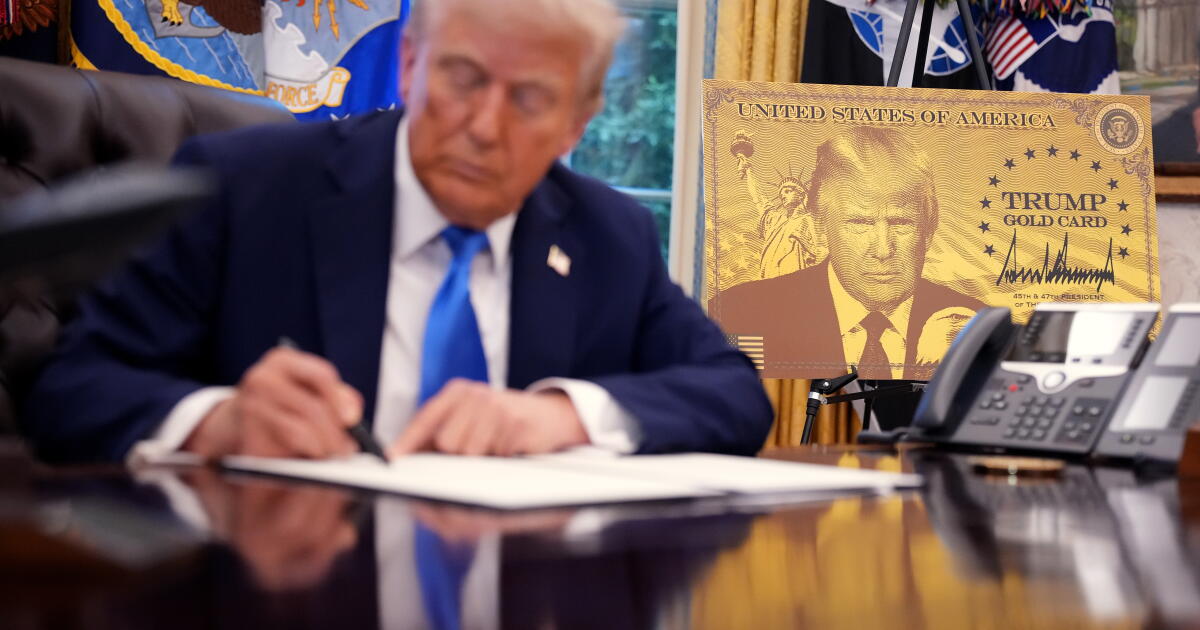
Last year, Trump issued an executive order directing Homeland Security to expand the reach of SAVE to provide states “access to appropriate systems for verifying the citizenship or immigration status of individuals registering to vote or who are already registered to vote.”
asserted
who → issue → individuals
It is a federal crime for noncitizens to register and vote.
asserted
noncitizens → register → ?
Trump has long maintained that noncitizens are voting, but he has had little evidence to support that claim.
uncertain
he → maintain → claim
Voting rights advocates sued, contending the new “mass verification” system was not authorized by Congress and relied on data that are protected as private under the law.
asserted
that → sue → law
In June, U.S. District Judge Sparkle Sooknanan, a Biden appointee, agreed and blocked use of the expanded searches.
asserted
Sooknanan → agree → searches
The administration has “trampled on the privacy rights of American citizens in a manner that threatens the sacred right to vote,” she said.
asserted
she → trample → right
On Sept. 4, the U.S. court of appeals by a 2-1 vote refused to overturn her ruling, prompting the administration’s fast-track appeal.
asserted
court → refuse → appeal
U.S. District Court Judge Sparkle L. Sooknanan sided with advocacy groups that argued the recent upgrades to the program, called Systematic Alien Verification for Entitlements, or SAVE, aggregated Americans’ sensitive personal data in a way that could result in voters being wrongly purged from voter rolls.
uncertain
voters → side → rolls
The voting rights advocates, led by the League of Women Voters, had urged the court to stand aside.
asserted
advocates → lead → court
“The government has recklessly created an error-laden master citizenship database that endangers millions of Americans’ privacy and voting rights,” they said.
asserted
they → create → privacy
The data searches are flawed, they argued, because they “only reflect a person’s citizenship status when they applied for a Social Security number.
asserted
they → argue → number
That status does not automatically update if the person later naturalizes.”
asserted
person → update → ?
Texas admitted that the mass checks yield “some inaccurate information.”
asserted
checks → admit → information
It said 2,724 people were cited as “potential non-citizens” among its 18 million registered voters.
asserted
people → say → voters
…and 4 more, not listed.
 The Aporia