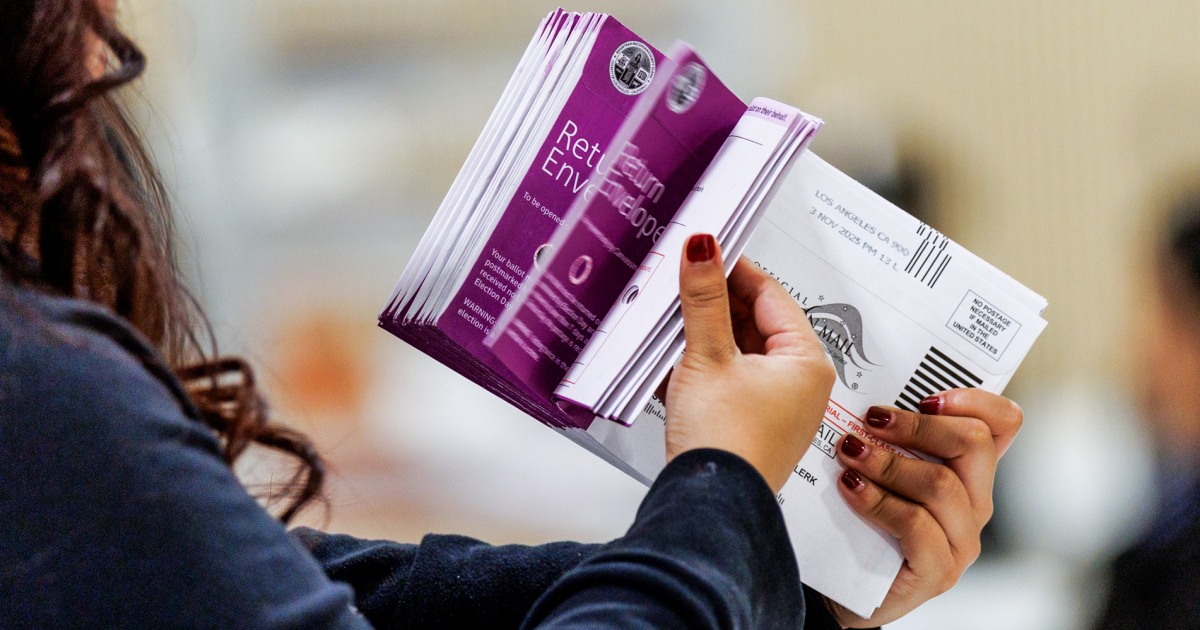
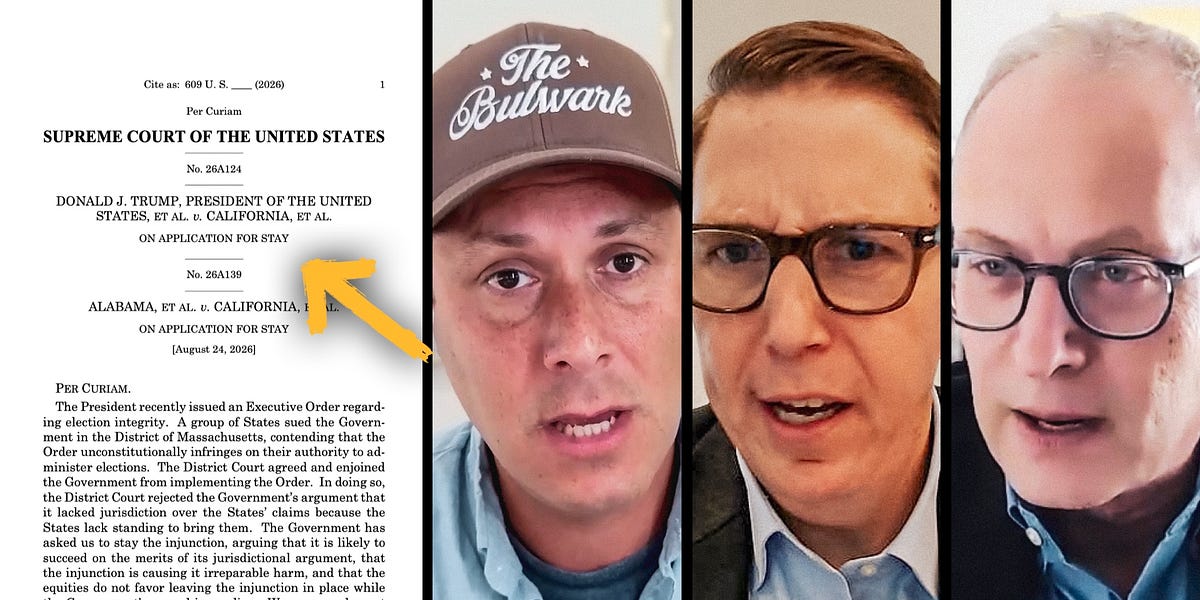
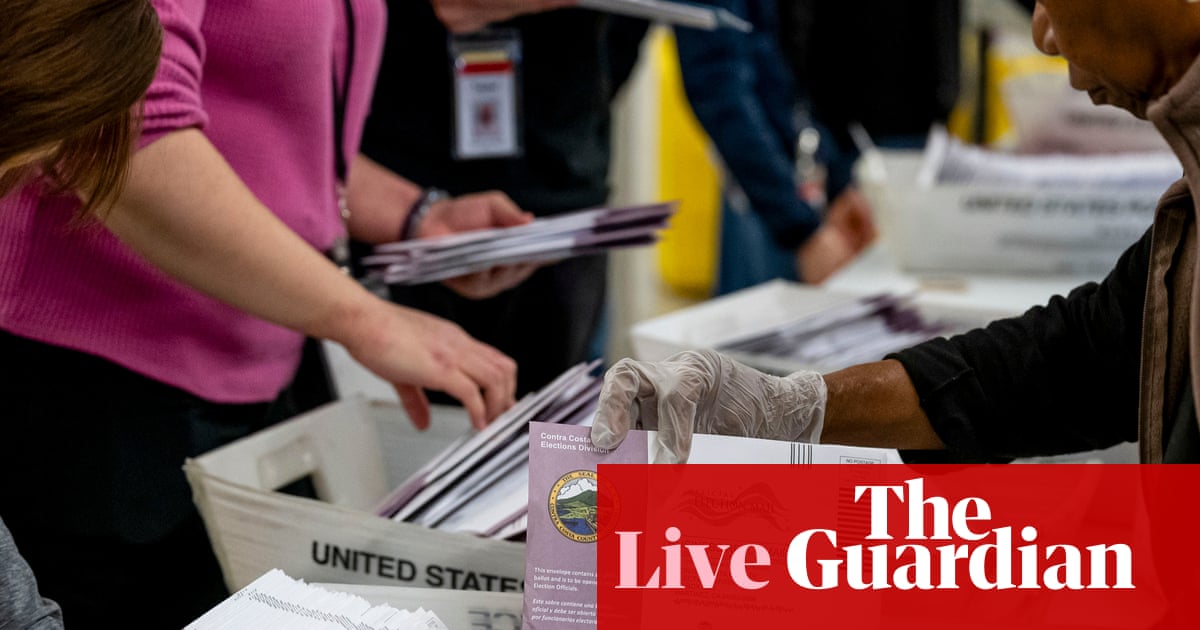
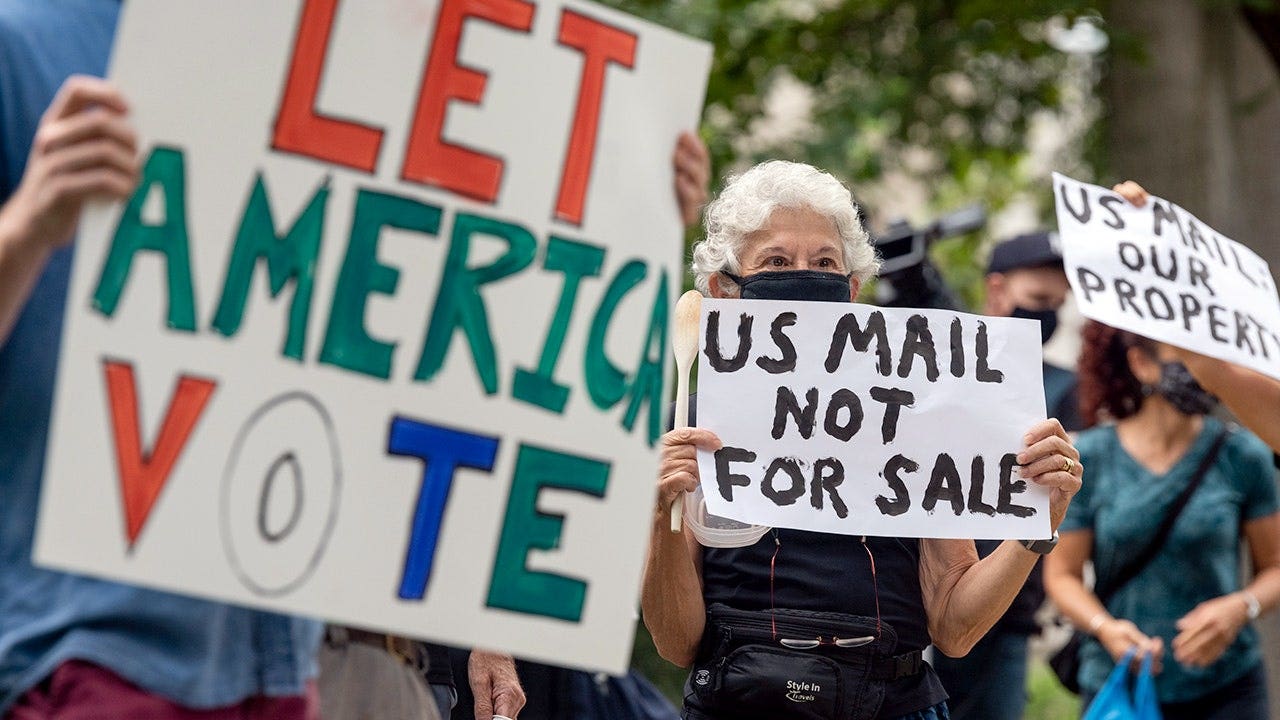
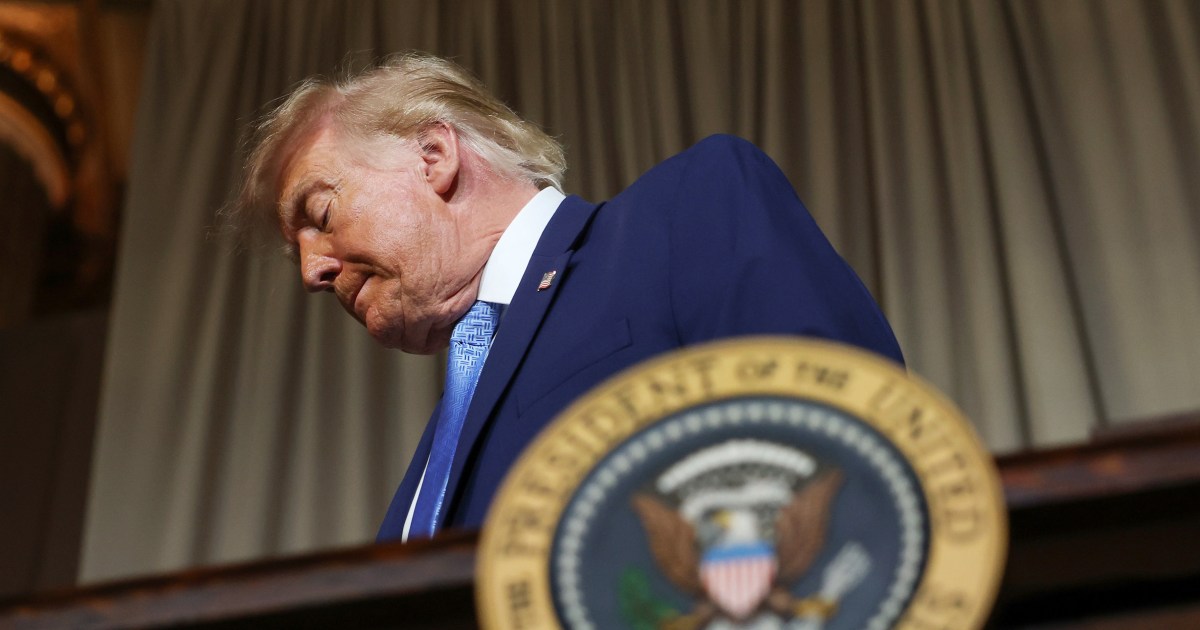
The Supreme Court handed an initial win to the Trump administration Monday in its effort to implement an executive order aimed at limiting who can receive mail-in ballots ahead of the 2026 midterm elections.
asserted
who → hand → elections
At issue are provisions that seek to create a federal list of eligible voters and order the U.S. Postal Service to deliver ballots only to those people.
asserted
that → seek → people
The justices, divided 6-3 along ideological lines with conservatives in the majority, lifted an injunction a Massachusetts-based judge imposed in June that prevented key aspects of the executive order from going into effect this year in California and 22 other states that had challenged it.
asserted
that → divide → it
The court also granted a similar application filed by Alabama and 11 other states.
asserted
court → grant → Alabama
The White House praised the court’s ruling, calling the executive order’s provisions “commonsense measures.”
asserted
House → praise → provisions
“This Administration will continue to lawfully enact the agenda President Trump was elected on — which includes the safety and security of our elections,” White House spokesperson Lauren Bis said in a statement.
asserted
Bis → continue → statement
Parts of the same executive order are blocked nationwide because of a ruling the same judge issued later in a different case, but the Supreme Court decision is likely to apply to that ruling, too.
asserted
decision → block → ruling
That means the administration may, at least in the short term, be able to implement the executive order, but the legal battle is far from over.
uncertain
battle → mean → order
“This decision is a painful setback, but it will not be the final word,” New York Attorney General Letitia James, who was among those who challenged the proposal, said in a statement.
asserted
who → challenge → statement
California Gov. Gavin Newsom, a Democrat, said Monday night that his state will launch a new challenge to the Trump administration’s policy on mail-in voting.
“
asserted
state → say → voting
Following today’s SCOTUS ruling, California WILL SUE again to BLOCK Trump’s attack on mail-in voting!” Newsom said on X. “Every eligible voter gets a mail-in ballot here — and we’ll fight to keep it that way.”
asserted
we → follow → it
President Donald Trump has frequently railed against the widespread use of mail-in ballots as part of his broader complaints, offered without evidence, that the election system is plagued with fraud.
asserted
system → rail → fraud
His efforts to encourage Congress to pass his SAVE America Act legislation that would impose new voting restrictions nationwide, including proof of citizenship to register to vote and voter ID, have so far failed.
asserted
that → encourage → citizenship
The Supreme Court decision is provisional, focusing only on the argument that U.S. District Judge Indira Talwani acted prematurely in preventing the provisions from being implemented in the 23 states before federal agencies had even drawn up plans for how to implement the executive order.
“The court’s disposition of this application does not mean that any measure taken by the Government to implement the order will necessarily be lawful.
asserted
measure → focus → order
On that score, time will tell,” the court said in an unsigned ruling.
asserted
court → tell → ruling
The decision leaves the door open to judges’ intervening later, especially with regard to any restrictions imposed for the coming midterm elections.
asserted
judges → leave → elections
On Friday, while the case was pending, the Postal Service issued its final regulation that would enforce parts of the executive order.
asserted
that → pende → order
“Today’s decision does not address whether the President’s attempts to interfere with states’ administration of the November 2026 elections are lawful.
asserted
attempts → address → elections
Nor does it suggest that the Executive Branch has any constitutional or statutory authority to implement the President’s directives.
asserted
Branch → suggest → directives
Instead, today’s decision merely postpones adjudication of those challenges,” Justice Sonia Sotomayor wrote.
asserted
Sotomayor → postpone → challenges
In a separate dissent, Justice Ketanji Brown Jackson accused the majority of “taking its eye off the ball” by focusing on a technical legal argument instead of what she views as the larger goal of the Trump administration: “to secure our imprimatur for its effort to foment chaos ahead of the November elections.”
asserted
she → accuse → elections
The Trump administration told the Supreme Court the new regulations did not go as far as the executive order anticipated, saying the Postal Service “will not refuse to transmit ballots” even if senders are not on a state list of registered voters.
asserted
senders → tell → voters
The Supreme Court decision is in line with one in a related case by the U.S. Court of Appeals for the District of Columbia Circuit that rejected a separate attempt by Democrats to block the executive order.
asserted
that → reject → order
Lower courts declined to put the Massachusetts ruling on hold, leading the administration to turn to the Supreme Court.
asserted
courts → decline → Court
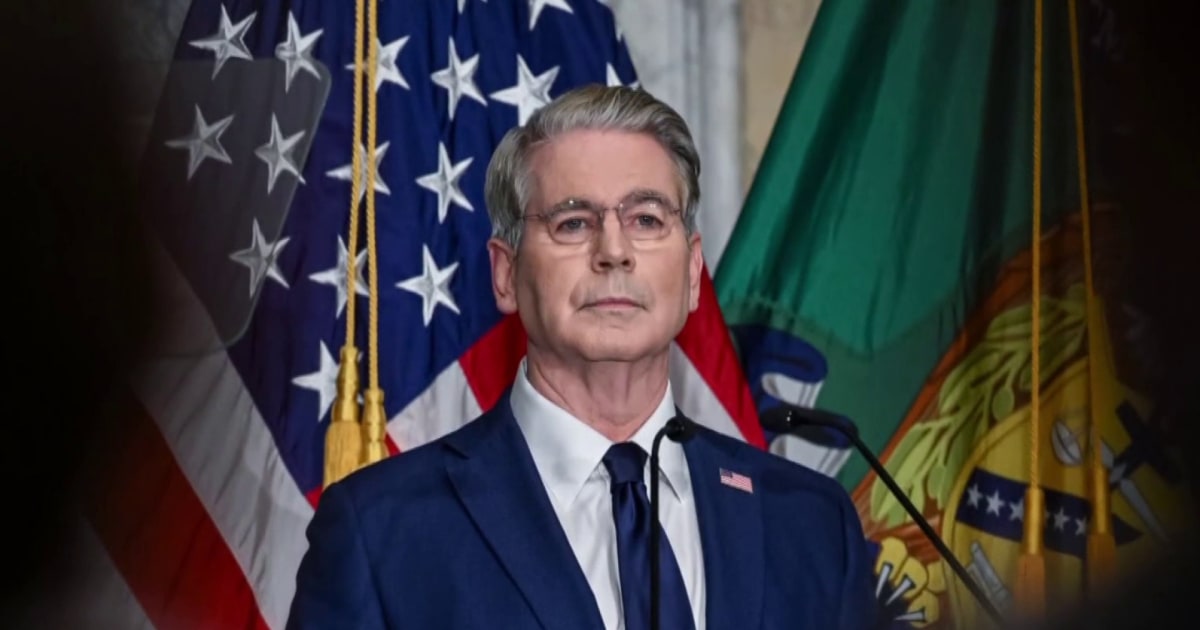
Solicitor General D. John Sauer wrote in the filing that it was premature for courts to rule on the issue, as neither the Postal Service nor other agencies have determined how they will implement the executive order.
asserted
they → write → order
It would be a tall order for the chronically underfunded Postal Service, with just months to go before Election Day.
asserted
It → go → Day
 The Aporia