That is 0 articles you have read today.
The Aporia is free and carries no advertising, so readers are the only
thing paying for it. If you are getting this much out of it, a small
donation is what keeps it independent.
Daily limit reached
You have read 0 articles today.
That is more than the 15 a day The Aporia gives away,
and well past what it can carry on nothing. Your allowance resets at
midnight.
There is no advertising here and nothing about you is sold, so readers
are the only thing paying for it. If the site is worth this much of
your day, it is worth a few dollars.
Everything else stays open: the
maps, the
directory and
search do
not count against this, and neither does re-opening something you have
already read today.
US and Iranian officials separately spoke with mediators on September 28 to discuss ending seven months of war, which began in late February following US and Israeli attacks on Iran. Both sides previously agreed to ceasefires in April and June but these collapsed soon after. Iran proposed a new seven-day ceasefire plan at the UN General Assembly that includes lifting sanctions and unfreezing assets as conditions for peace talks and reopening the Strait of Hormuz, critical for global oil trade. US President Trump said he rejected this proposal due to economic pressure on Iran, though he indicated further talks might happen later in the week.
Written locally by qwen2.5:14b on 2026-09-29,
using this article's own text rather than the other coverage of the
same event (that is the story summary below).
Story summary
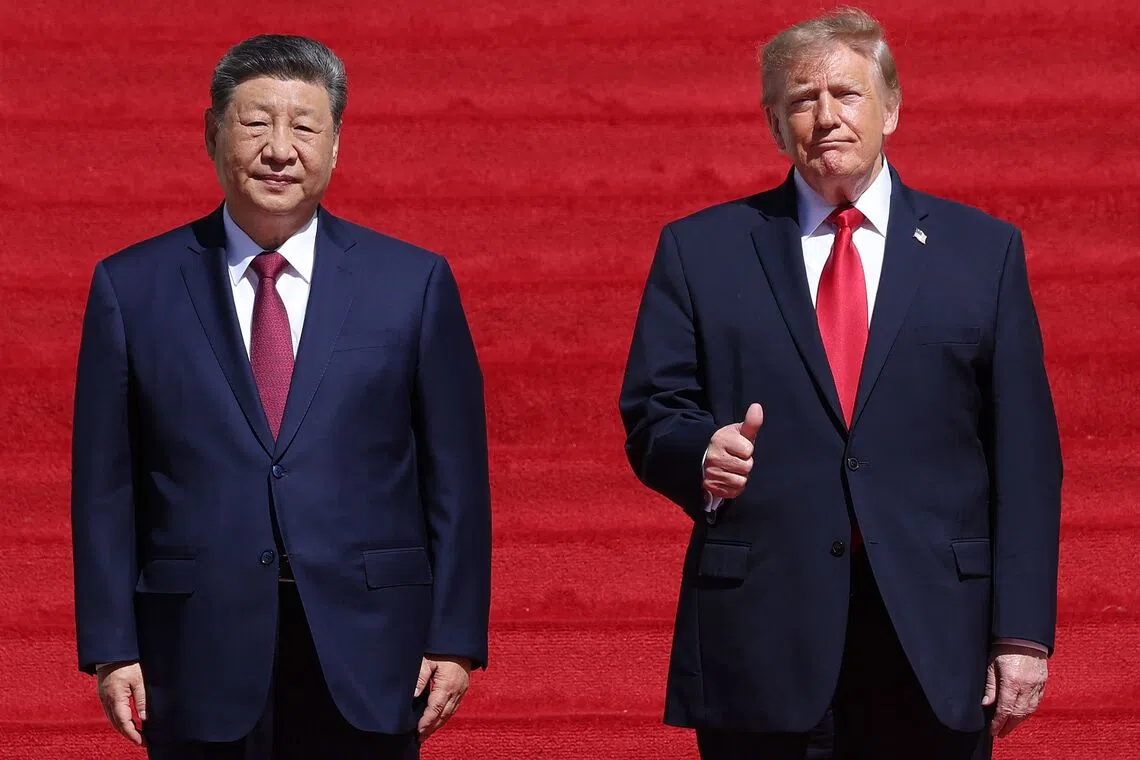
US President Donald Trump met with Chinese President Xi Jinping, where Xi pressed Trump to adopt Beijing's stance against Taiwan independence, which Taiwan rejected outright. Meanwhile, Taiwan is crucial for global tech and economy due to its leading semiconductor production; TSMC alone produces the majority of advanced chips that power smartphones, AI systems, and more. As Stanford Hoover fellow Eyck Freymann noted, economic disruption from a conflict over Taiwan would be severe.
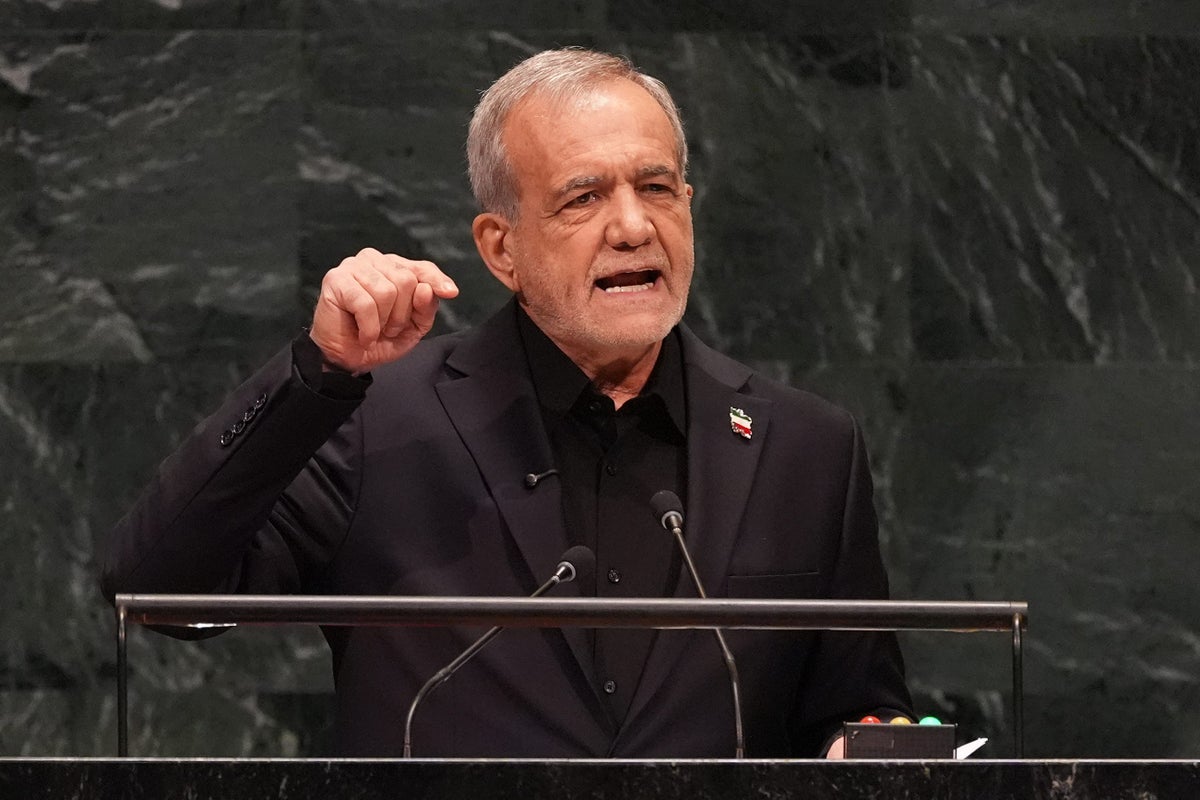
In unrelated developments, Iranian President Masoud Pezeshkian met with US media at the UN General Assembly, where he denied Iran's nuclear ambitions while offering to dilute its enriched uranium and allow inspections under international law. He also blamed Washington for ongoing conflicts in the Middle East. The International Atomic Energy Agency (IAEA) estimates that Iran has over 440 kilograms of uranium enriched up to 60%, raising concerns despite Pezeshkian's denials.
Taiwan's representative, Ambassador Alexander Yui, clarified during an interview on CBS’s "Face the Nation" that while Taiwan was discussed between Trump and Xi, it wasn't a major focus. He emphasized there has been no change in US policy towards Taiwan amid recent tensions with China.
Written for “Taiwan Iran Us Relations Midterms” on 2026-10-05,
grounded in this article and the 386 other(s) covering the same event.
US, Iran separately talk with mediators in latest bid to end war
AI generated
asserted
US → talk → war
WASHINGTON/DUBAI - US and Iranian officials spoke separately with mediators on Sept 28 as part of a renewed effort to end seven months of war, according to officials of both countries.
uncertain
officials → speak → countries
Any further talks are expected to focus on an amended version of a seven-day proposal that Iran presented last week on the sidelines of the United Nations General Assembly, an official briefed on the negotiations told Reuters.
asserted
official → expect → Reuters
The war began in late February with US and Israeli attacks on Iran, killing thousands of people over seven months and shocking global markets as vital waterways for oil remained choked.
asserted
waterways → begin → oil
The US and Iran have twice previously agreed to ceasefires in mediated peace talks, in April and June.
asserted
US → agree → April
Those agreements quickly unravelled.
asserted
agreements → unravel → ?
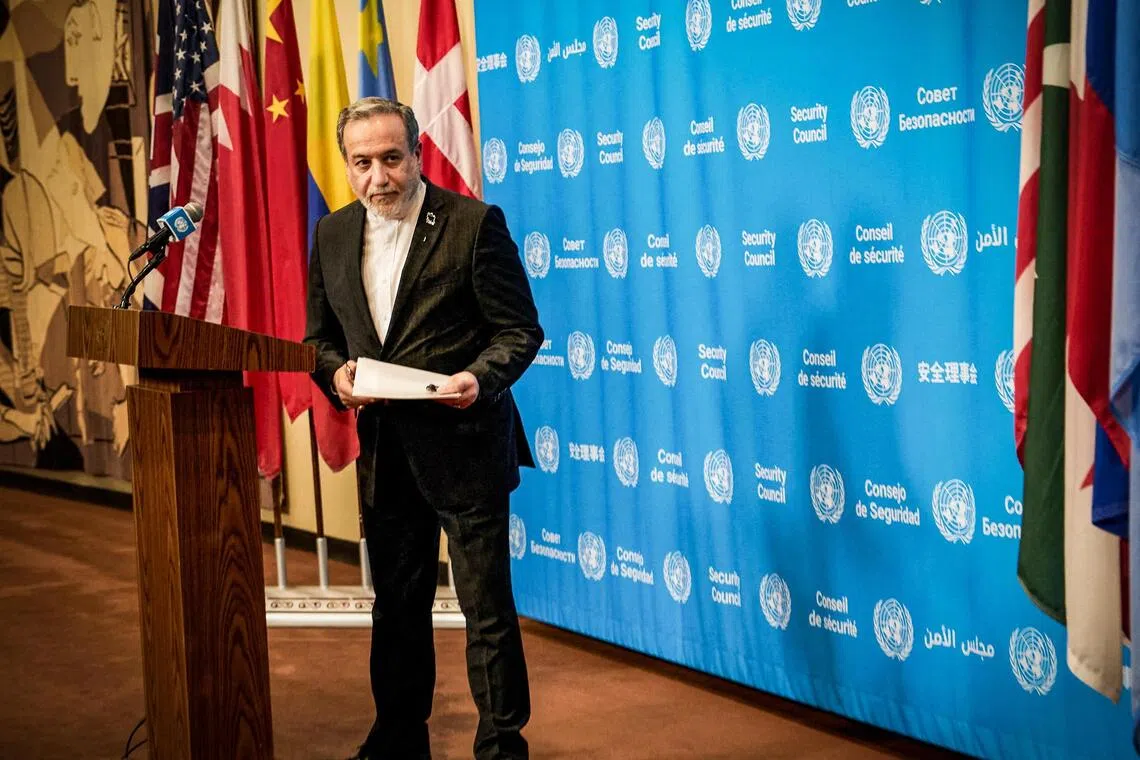
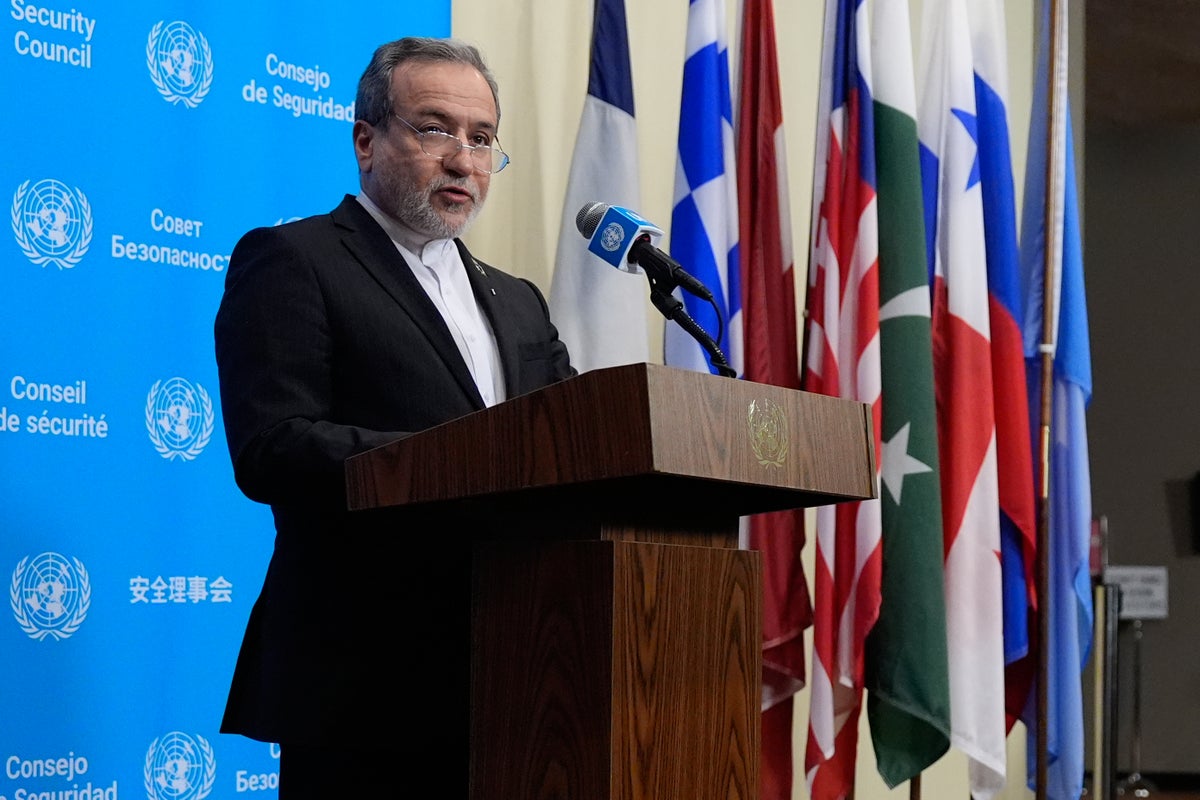
Iranian Foreign Minister Abbas Araqchi, who remained in New York after attending the General Assembly, said Iran expected to receive the US response to its latest ceasefire proposals and its conditions for restoring passage of maritime traffic in the Strait of Hormuz, according to state news agency IRNA.
“If the Americans claim they are seeking an agreement or a peaceful solution, we have presented that solution,” Araqchi said.
uncertain
Araqchi → remain → solution
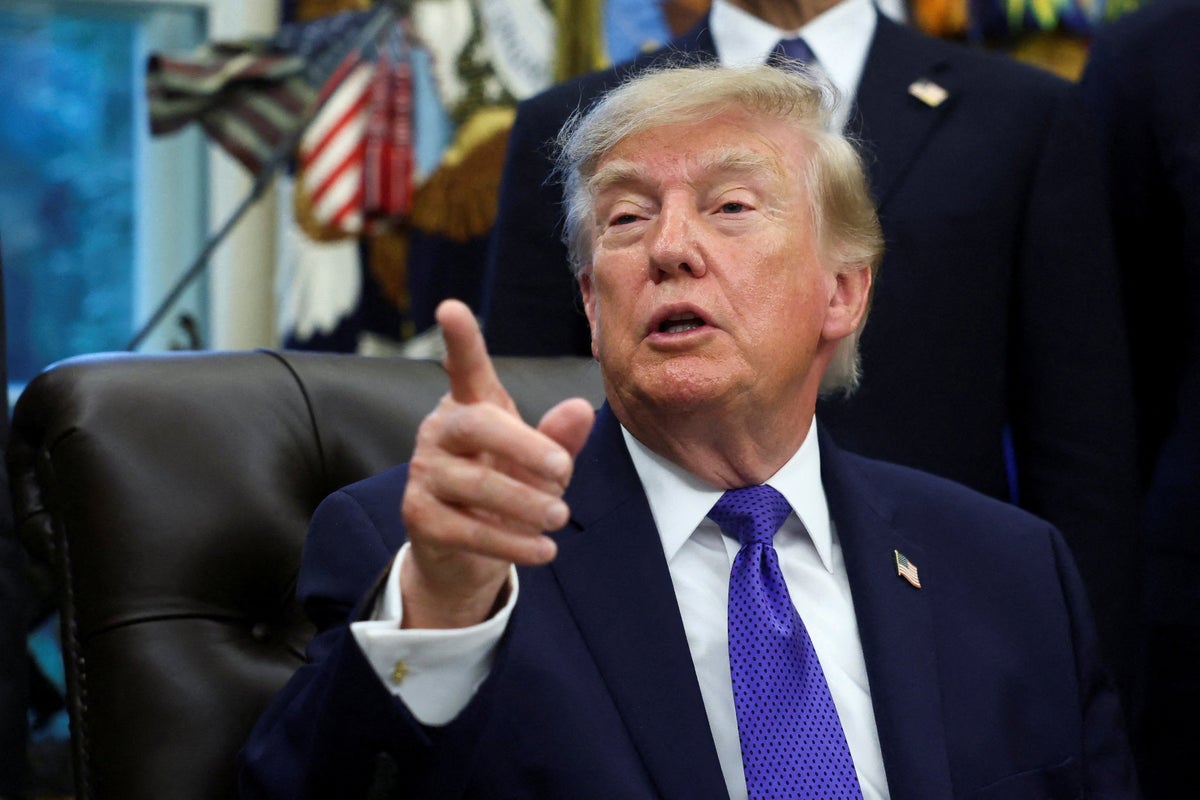
US officials separately spoke with mediators on Sept 28, US President Donald Trump told reporters at the White House, without giving further details.
asserted
Trump → speak → details
Trump has flagged further talks this week
Iran’s seven-day plan envisages an end to all hostilities in Iran and Lebanon, the unfreezing of billions of dollars’ worth of Iranian assets, an end to sanctions on Iranian oil and the lifting of the US blockade on Iranian ports.
asserted
plan → flag → ports
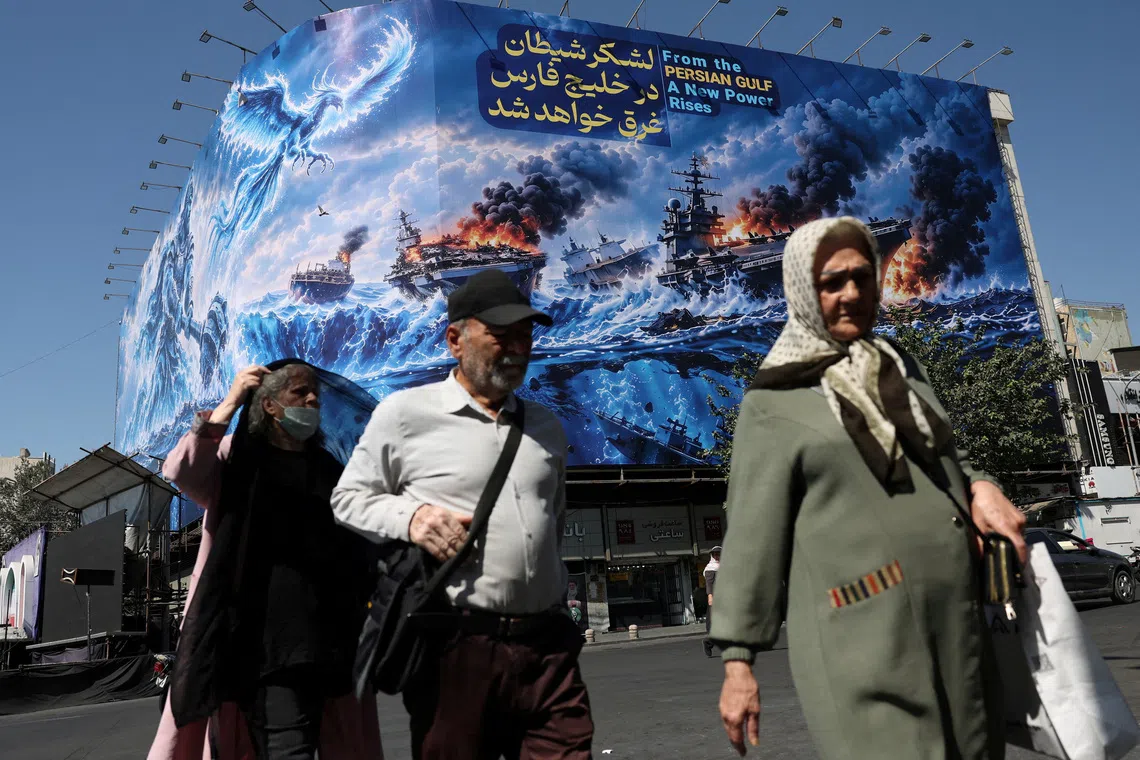
Iran would then allow the reopening of the Strait of Hormuz, a vital conduit for oil tankers, and the two sides would also resume talks on Iran’s nuclear programme and Trump’s wish to seize or eliminate its highly enriched uranium.
asserted
sides → allow → uranium
Trump said on Sept 26 he had rejected Iran’s proposal, saying Iran wanted a swift agreement because of the crippling economic pressure it is under.
However, he also told Axios on Sept 27 that he expected US negotiators to engage in further talks this week.
asserted
negotiators → say → talks
Araqchi said on Sept 27 that mediators had not formally conveyed a US rejection, and that Iran was awaiting Washington’s definitive position before deciding its next steps.
asserted
Iran → say → steps
“Our conditions are clear, and any move toward reopening the Strait of Hormuz is contingent on these conditions being met,” he said on Sept 27, adding that only a negotiated solution could resolve the impasse.
uncertain
solution → reopen → impasse
 The Aporia