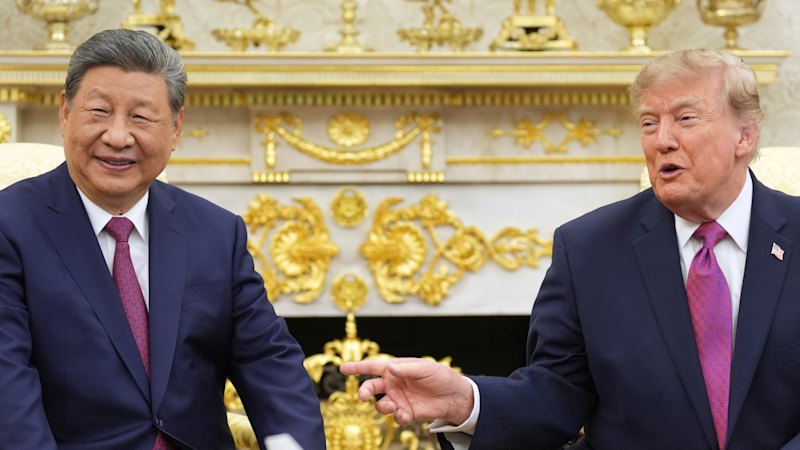
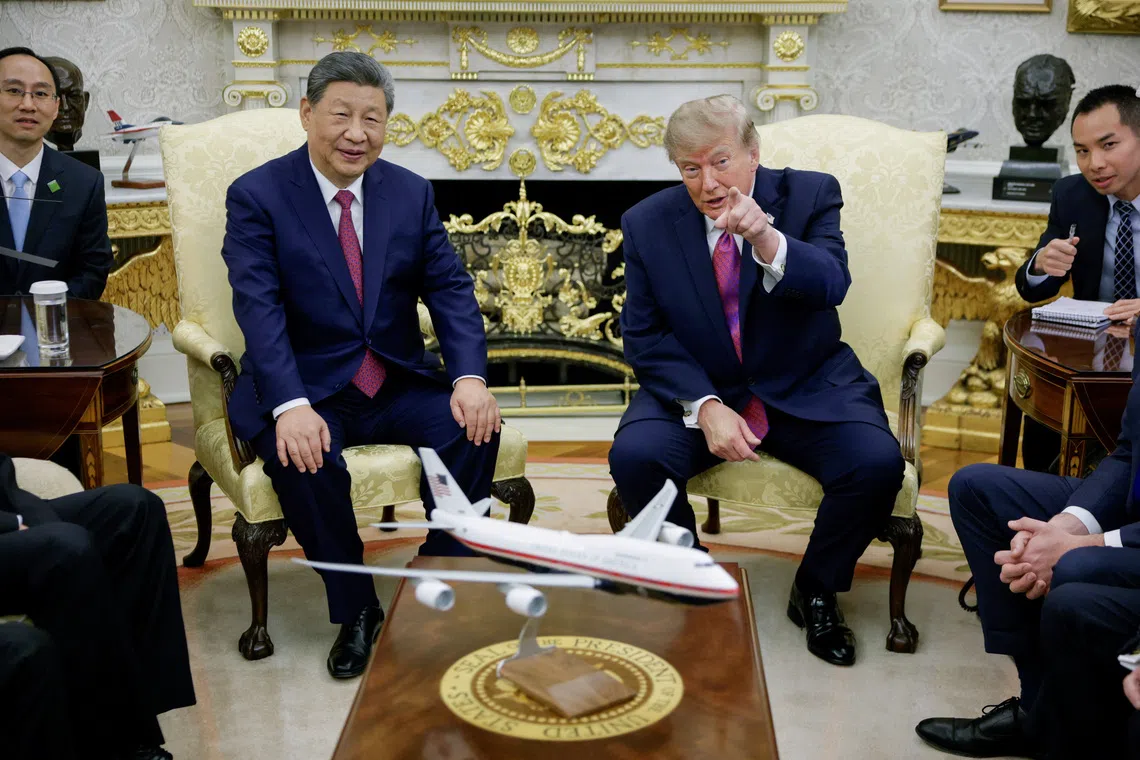
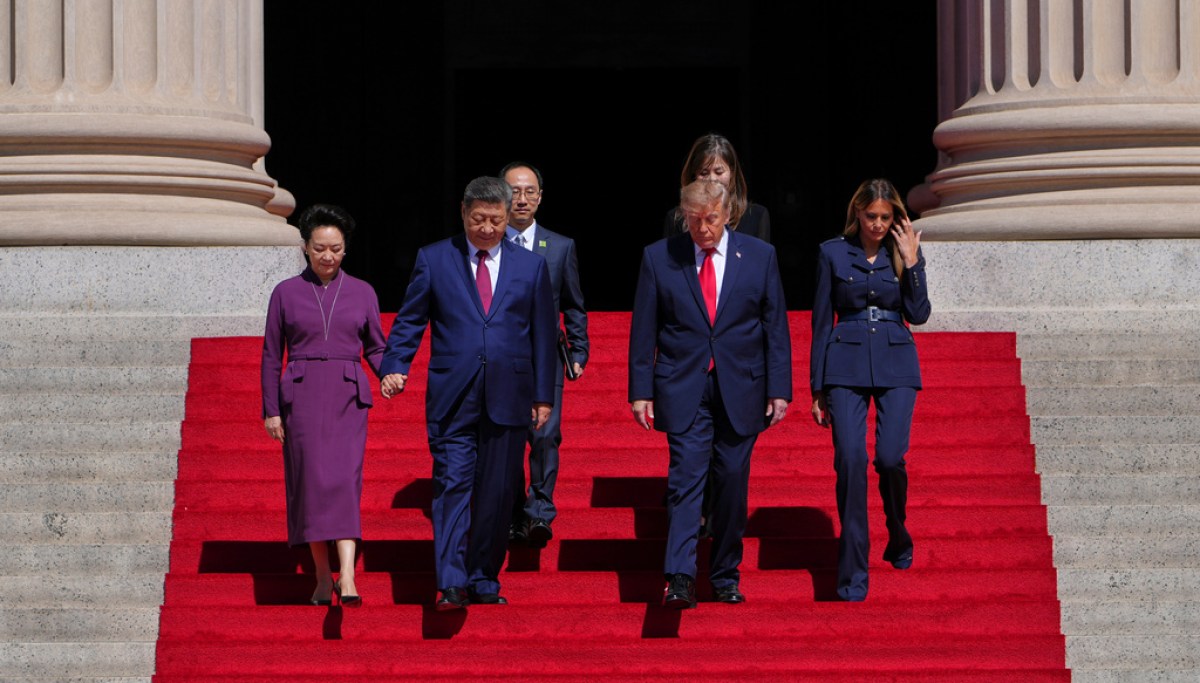
On September 28, US President Donald Trump denied offering to sell arms to Chinese leader Xi Jinping during a state visit, contradicting claims made by US Ambassador to China David Perdue on Fox News the previous day. Trump stated he had never heard of such an offer and suggested that it was not discussed in his meeting with Xi. The United States maintains its legal prohibition against selling weapons to China but continues to supply arms to Taiwan for defense purposes, a practice that remains contentious between Washington and Beijing.
Written locally by qwen2.5:14b on 2026-09-29,
using this article's own text rather than the other coverage of the
same event (that is the story summary below).
Story summary
On September 27, US Ambassador to China David Perdue revealed that President Donald Trump had asked Chinese President Xi Jinping if he wanted to buy American weapons during Xi's state visit to the United States. This surprising admission came as part of discussions about a pending $14 billion arms sale package to Taiwan, which Beijing views as its territory but considers self-governing. The State Department quickly clarified that US law prohibits arms sales to China and there are no plans for such deals.
The statement by Perdue sparked debates over the nature of Trump’s inquiry—whether it was a joke or a serious offer—and raised questions about potential shifts in U.S. policy towards Taiwan, which seeks stronger defense against perceived threats from China. The White House confirmed that the United States has no plans to sell weapons to China despite President Trump's comment, highlighting the complex dynamics between Washington and Beijing regarding regional security and arms sales.
Written for “Trump Offered Weapons To China” on 2026-10-05,
grounded in this article and the 16 other(s) covering the same event.
Trump denies offering to sell arms to China’s Xi
AI generated
asserted
Trump → deny → AI
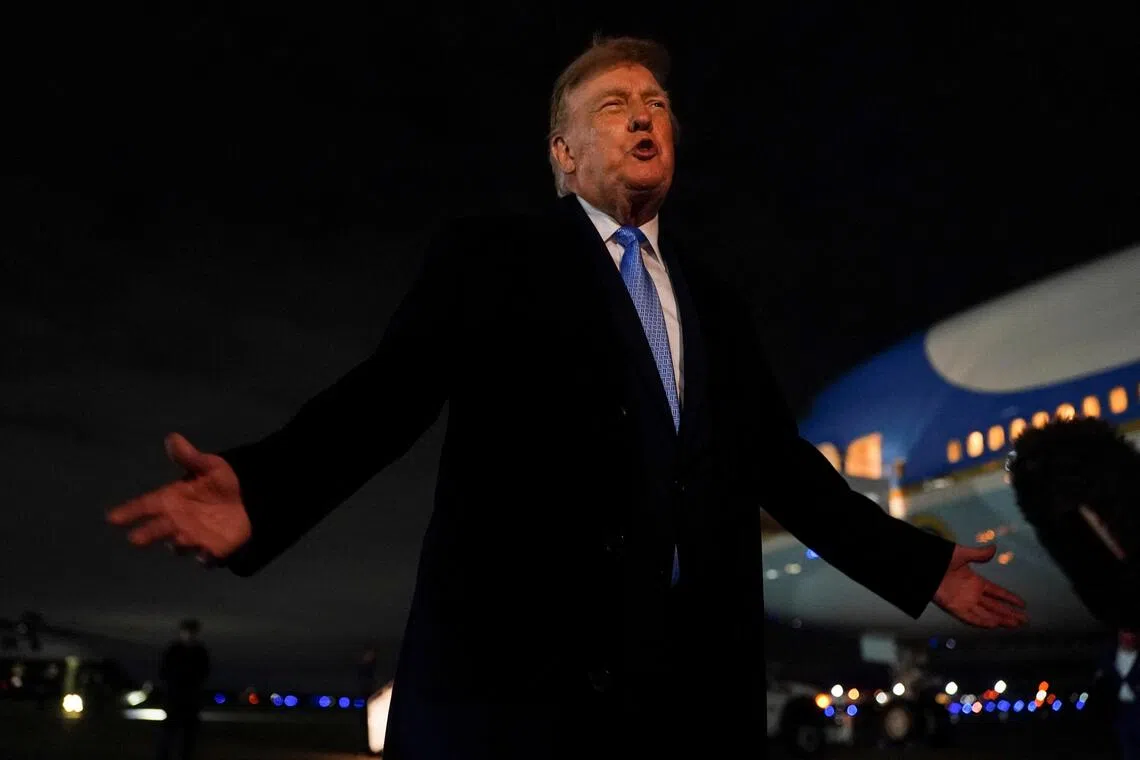
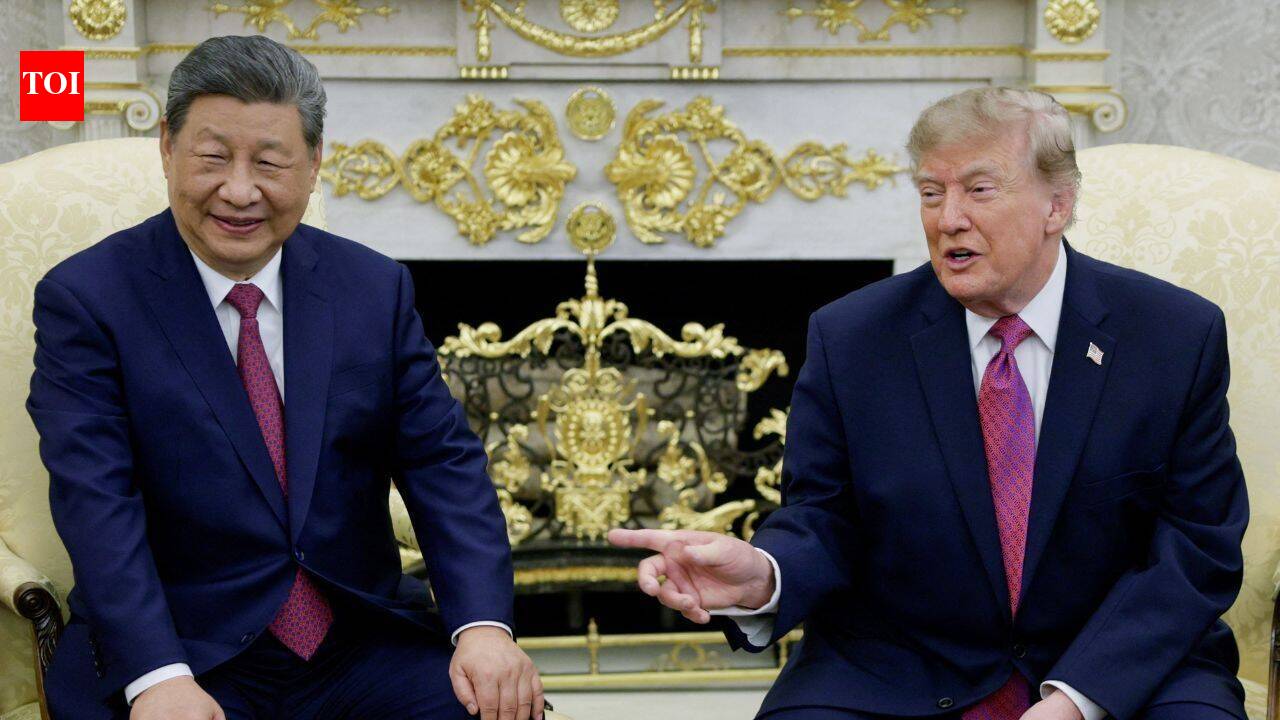
WASHINGTON - US President Donald Trump on Sept 28 denied asking Xi Jinping if he wanted to buy American weapons, countering his own envoy’s claim that Trump made the offer to his Chinese counterpart.
uncertain
Trump → deny → counterpart
US ambassador to China David Perdue told Fox News on Sept 27 that Trump made the extraordinary offer to sell arms to the rival superpower.
asserted
Trump → tell → superpower
“I’ve never heard of that one, I’m going to have to ask him,” Trump told reporters in the Oval Office when asked about Purdue’s comments.
asserted
Trump → hear → comments
“They’d probably like to buy it because we do make better equipment than them, so maybe it’s a good idea.
asserted
it → like → them
But we didn’t discuss it.”
asserted
we → discuss → it
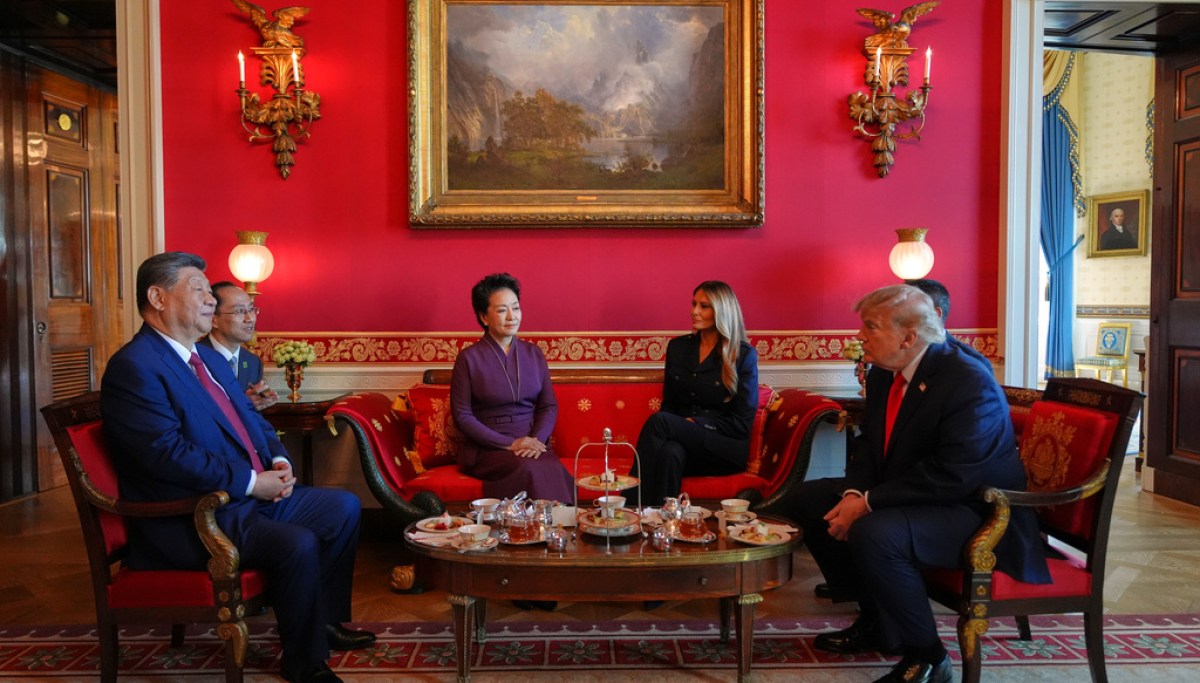
Purdue had said Trump made the offer during Xi’s state visit to the White House last week in response to Chinese concerns over US weapons sales to Taiwan.
asserted
Trump → say → Taiwan
“President Trump continues to say, ‘Hey, we sell arms to other people around the world.’
asserted
we → continue → world
He actually asked President Xi – would he like to buy some? – at one point,” Perdue said in an interview with Fox News.
asserted
Perdue → ask → News
“There are continuing conversations about other sales, (Trump) and President Xi talk about that every time they get together,” Perdue said, adding that the US position has not changed.
asserted
position → be → that
A US official told AFP earlier that “the US government has no plans to sell weapons to China”, when asked about Purdue’s remarks.
asserted
government → tell → remarks
US arms sales to Taiwan, a self-ruled island which China claims is part of its territory and has threatened to seize by force, have long been a thorny issue between Washington and Beijing.
uncertain
China → rule → Washington
The United States is required by law to supply Taiwan, which has a democratically elected president and legislature, with weapons for its defence.
asserted
which → require → defence
The US State Department said in a statement to The New York Times that “US law prohibits arms sales to China and there is no offer or plan to sell arms to China.”
asserted
law → say → China
The Chinese foreign ministry did not directly answer when asked about the comments on Sept 28.
asserted
ministry → answer → Sept
But it said China has “always strengthened its national defence capabilities based on its own needs, and remains committed to maintaining world peace and stability.”
asserted
China → say → peace
Trump has maintained a strategically ambiguous stance over Taiwan, refusing to say directly whether the US would come to its aid if China invades, while continuing to approve weapons sales.
asserted
China → maintain → sales
Beijing warned Taiwan in June that seeking independence “by relying on the United States or through military means is a dead end.”
asserted
seeking → warn → means
Washington approved a US$11.1 billion (S$14.17 billion) arms sale to Taiwan in December, which Perdue said was a sale of “more arms to Taiwan than any other president since 1979.”
asserted
Perdue → approve → 1979
The US paused a US$14 billion weapons purchase by Taiwan in May, with Trump calling it a “very good negotiating chip” in dealings with China, raising fears that Taiwan’s security could be traded away.
uncertain
security → pause → fears
During his Washington trip, Xi repeated his warning that Trump should show “prudence” over Taiwan, and went further to urge the United States to oppose Taiwan independence explicitly.
asserted
Trump → repeat → independence
Trump has declined to say whether he discussed Taiwan with Xi during the visit, preferring to stress what he says is his good relationship with the Chinese leader as the two countries seek to manage their tensions.
asserted
countries → decline → tensions
The two leaders have met twice already in 2026, with Trump having travelled to Beijing in May.
uncertain
Trump → meet → May
They have confirmed they will meet for a third and fourth time at the APEC summit in Shenzhen, China, in November and the G-20 forum at Trump’s Doral resort in Miami in December.
asserted
they → confirm → December
 The Aporia