That is 0 articles you have read today.
The Aporia is free and carries no advertising, so readers are the only
thing paying for it. If you are getting this much out of it, a small
donation is what keeps it independent.
Daily limit reached
You have read 0 articles today.
That is more than the 15 a day The Aporia gives away,
and well past what it can carry on nothing. Your allowance resets at
midnight.
There is no advertising here and nothing about you is sold, so readers
are the only thing paying for it. If the site is worth this much of
your day, it is worth a few dollars.
Everything else stays open: the
maps, the
directory and
search do
not count against this, and neither does re-opening something you have
already read today.
President Trump denied that he discussed selling weapons to China during President Xi Jinping's recent state visit, contradicting claims made by U.S. Ambassador to China David Perdue. Trump said he had not heard about such discussions and suggested that Perdue might be referring to Taiwan, where U.S. law restricts arms sales to Beijing. The article also notes delays in approving a significant military aid package for Taiwan amidst pressure from several Republican senators concerned about the impact on U.S.-Taiwan relations.
Written locally by qwen2.5:14b on 2026-09-28,
using this article's own text rather than the other coverage of the
same event (that is the story summary below).
Story summary
On September 27, US Ambassador to China David Perdue revealed that President Donald Trump had asked Chinese President Xi Jinping if he wanted to buy American weapons during Xi's state visit to the United States. This surprising admission came as part of discussions about a pending $14 billion arms sale package to Taiwan, which Beijing views as its territory but considers self-governing. The State Department quickly clarified that US law prohibits arms sales to China and there are no plans for such deals.
The statement by Perdue sparked debates over the nature of Trump’s inquiry—whether it was a joke or a serious offer—and raised questions about potential shifts in U.S. policy towards Taiwan, which seeks stronger defense against perceived threats from China. The White House confirmed that the United States has no plans to sell weapons to China despite President Trump's comment, highlighting the complex dynamics between Washington and Beijing regarding regional security and arms sales.
Written for “Trump Offered Weapons To China” on 2026-10-05,
grounded in this article and the 16 other(s) covering the same event.
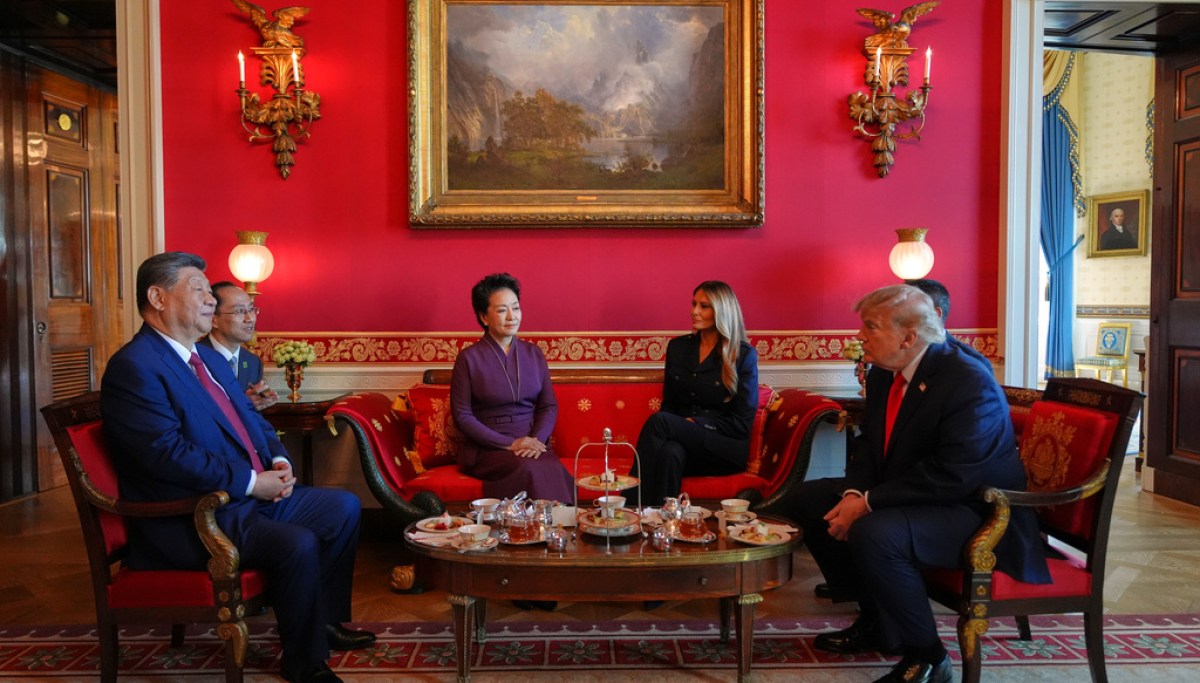
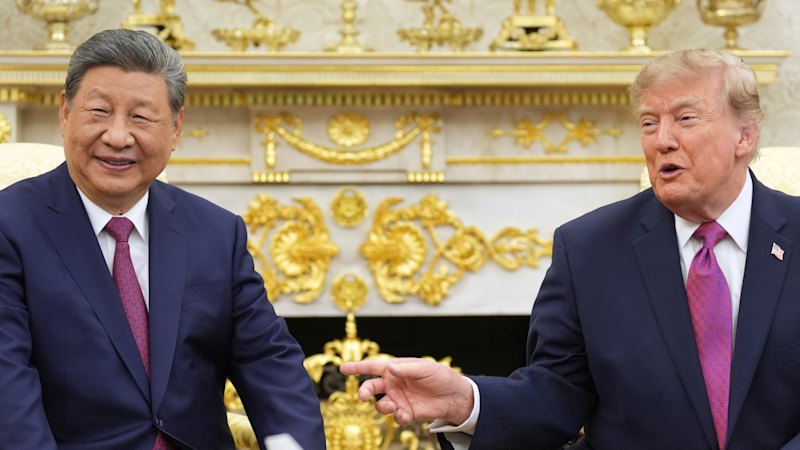
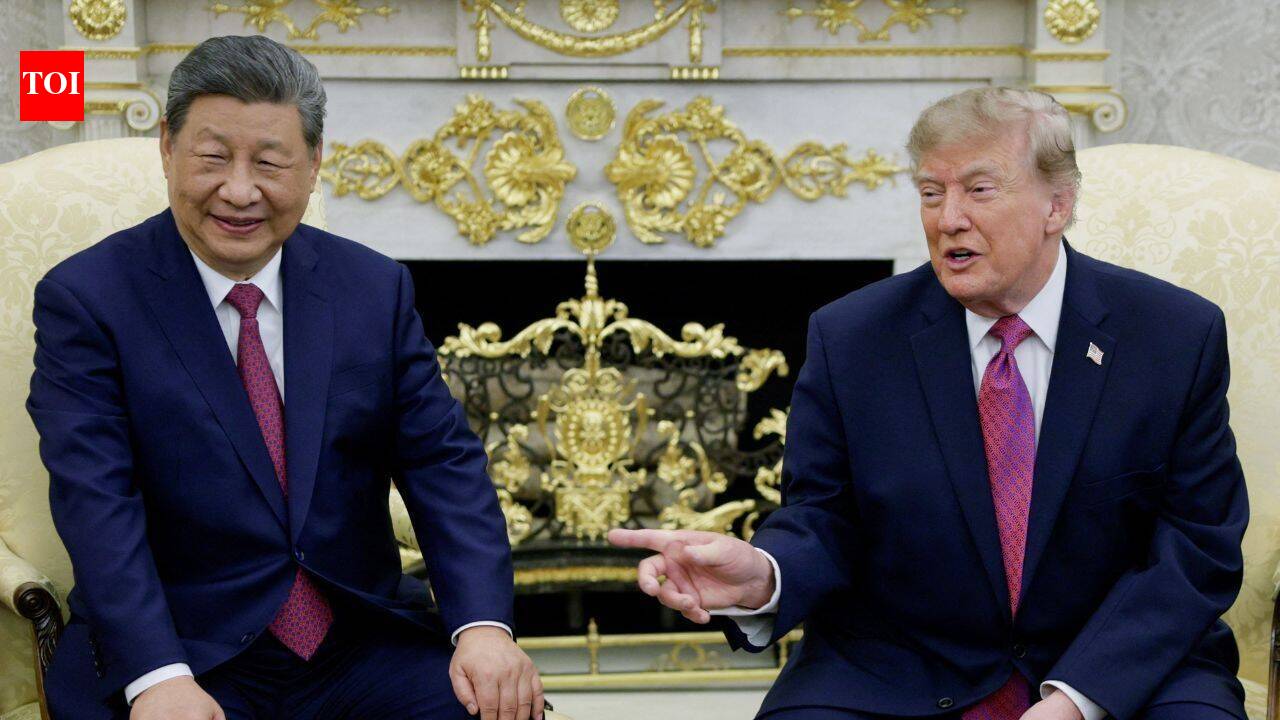
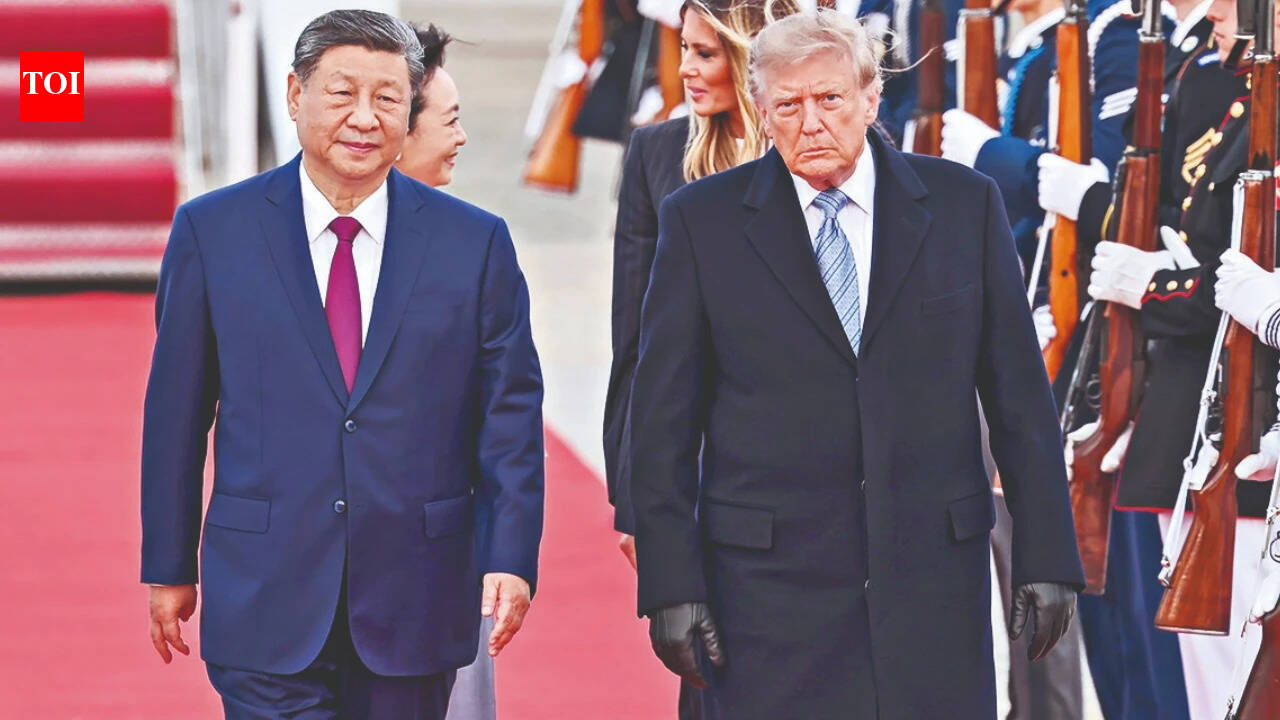
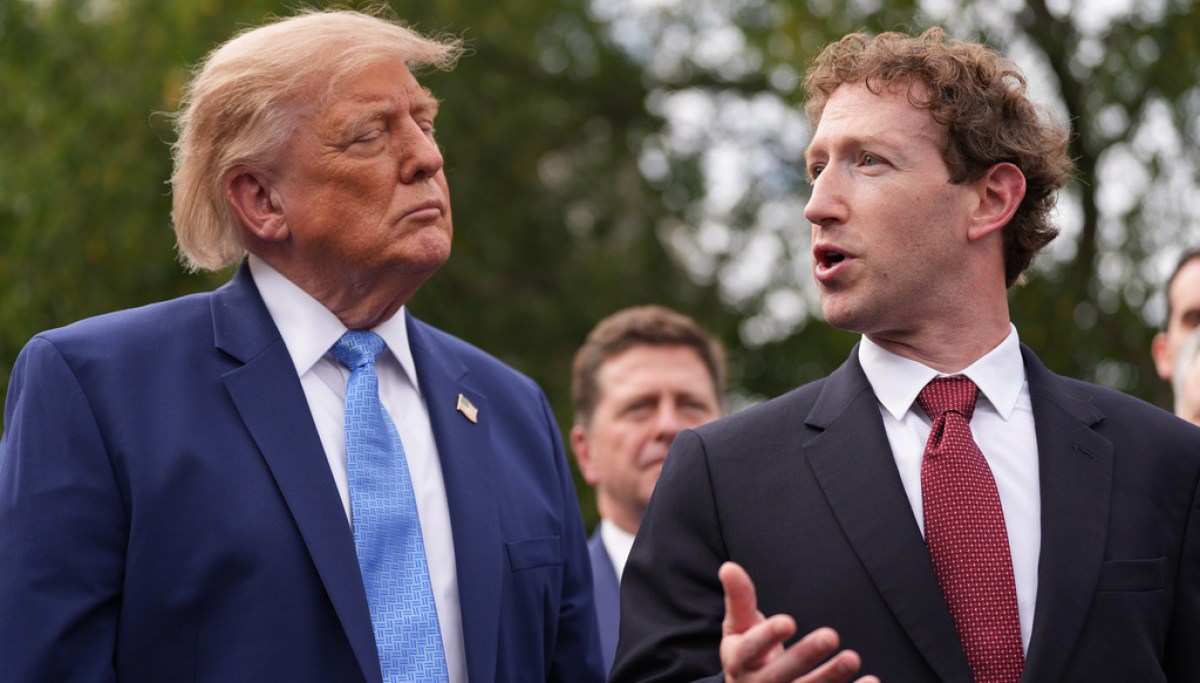
President Donald Trump dismissed U.S. Ambassador to China David Perdue’s claims that White House discussed selling U.S. weapons to Chinese President Xi Jinping during last week’s state visit.
uncertain
House → dismiss → visit
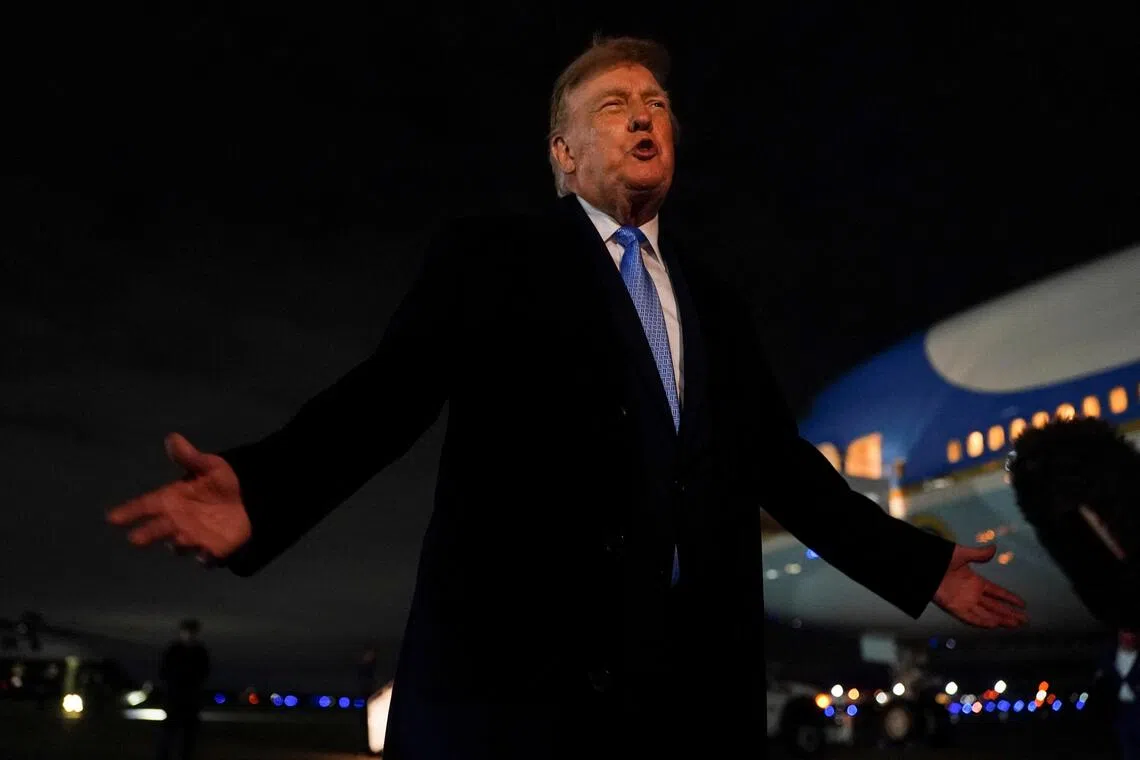
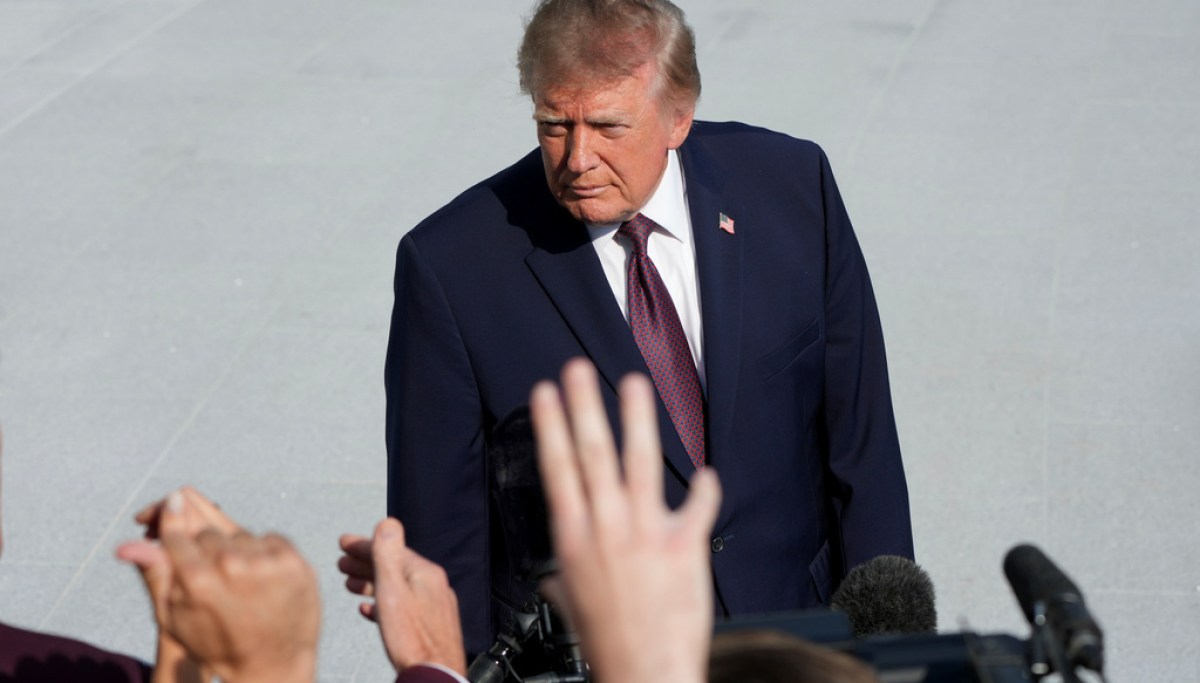
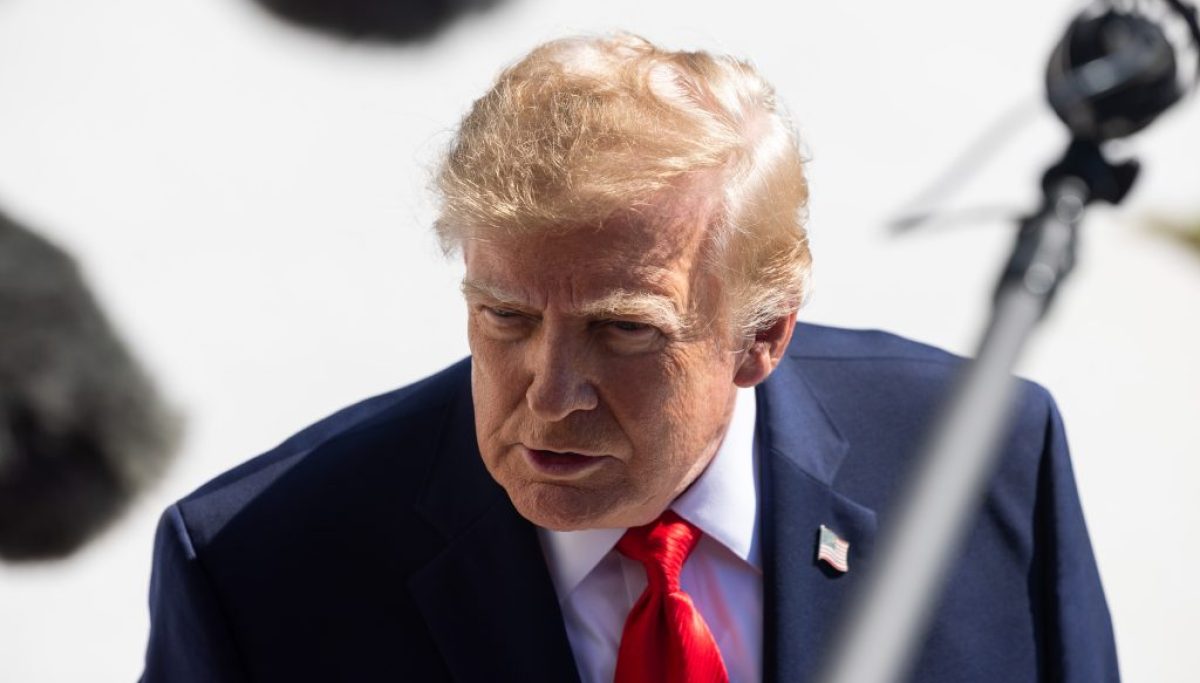
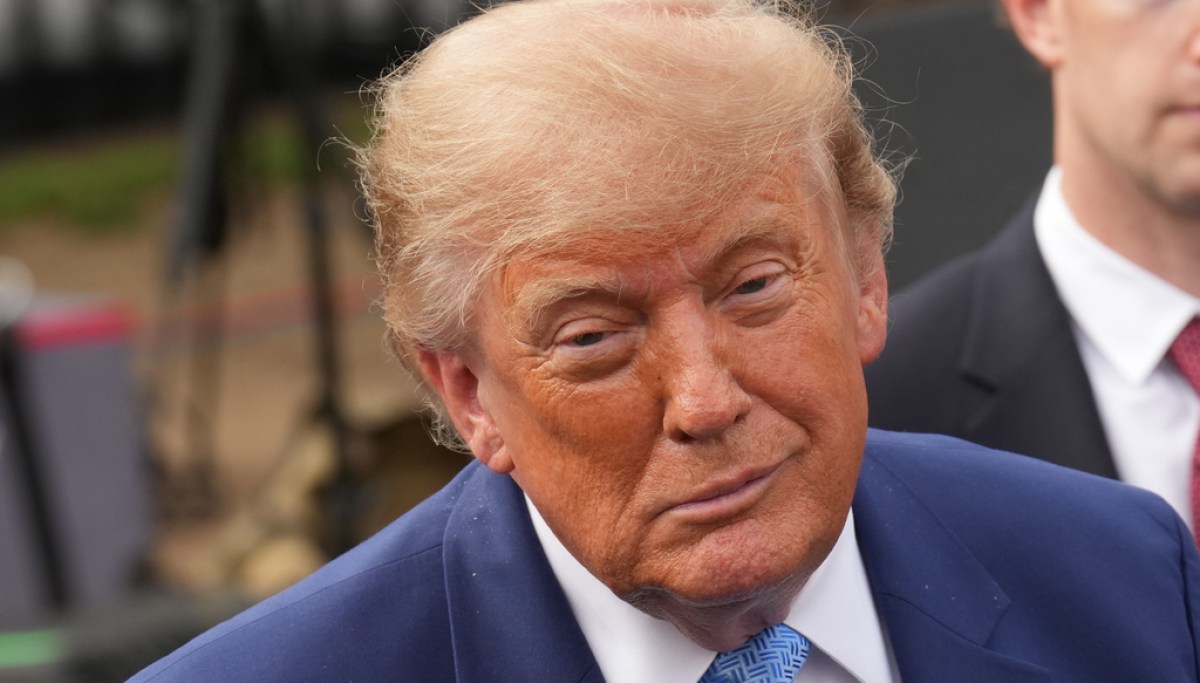
“I’ve never heard of that one,” Trump told reporters on Monday at the White House.
asserted
Trump → hear → House
“I’m going to have to ask him.
asserted
I → go → him
You mean we’re going to sell?
asserted
we → mean → ?
Now they probably would like to buy it because we do make better equipment than them, so maybe it’s a good idea.
asserted
it → like → them
But we didn’t discuss that.”
asserted
we → discuss → that
Perdue told Fox News on Sunday that Trump asked Xi whether he would “like to buy some [weapons] at one point.”
asserted
he → tell → point
Trump suggested to the press on Monday that Perdue was likely “talking about Taiwan.”
uncertain
Perdue → suggest → Taiwan
U.S. law prohibits arms sales to Beijing, and the State Department has said that “there is no offer or plan to sell arms to China.”
asserted
Department → prohibit → China
The U.S. imposed a weapons sale embargo on China after the 1989 massacre of pro-democracy protesters in Tiananmen Square.
asserted
U.S. → impose → Square
Perdue’s comments come after Chinese state media reported that Xi asked Trump to oppose Taiwan independence during the three-day state visit last week, as the Trump administration delays its decision regarding a record-breaking $14 billion military aid package for Taiwan.
asserted
administration → come → Taiwan
The delay has been a cause for concern for some Republicans, including Sens. Mitch McConnell (R-KY), John Cornyn (R-TX), Lisa Murkowski (R-AK), and Thom Tillis (R-NC), who this month sent War Secretary Pete Hegseth and Secretary of State Marco Rubio a letter asking for an explanation.
asserted
who → include → explanation
The senators specifically referenced Trump describing the military package as a “very good negotiating chip” in relation to China.
asserted
senators → reference → China
“It is difficult to imagine how the United States might credibly project influence in the Indo-Pacific if the price of keeping up diplomatic appearances is denying our partners key deterrent capabilities,” the senators wrote.
uncertain
senators → imagine → capabilities
“Individually, instances of delayed or denied assistance test the strength of a security relationship you have described as essential.”
asserted
you → delay → relationship
 The Aporia