That is 0 articles you have read today.
The Aporia is free and carries no advertising, so readers are the only
thing paying for it. If you are getting this much out of it, a small
donation is what keeps it independent.
Daily limit reached
You have read 0 articles today.
That is more than the 15 a day The Aporia gives away,
and well past what it can carry on nothing. Your allowance resets at
midnight.
There is no advertising here and nothing about you is sold, so readers
are the only thing paying for it. If the site is worth this much of
your day, it is worth a few dollars.
Everything else stays open: the
maps, the
directory and
search do
not count against this, and neither does re-opening something you have
already read today.
David Perdue, U.S. Ambassador to China, told Fox News on Sunday that President Donald Trump had asked Chinese President Xi Jinping if he would be interested in purchasing U.S. arms during a recent meeting between the two leaders. This statement comes amid discussions about the U.S.'s ongoing arms sales to Taiwan and concerns over delayed aid packages and weapons orders for the island nation, which faces threats from China. Ambassador Perdue emphasized that Trump has been strong on supporting Taiwan's defense capabilities while suggesting that selling arms is a standard practice for the United States globally.
Written locally by qwen2.5:14b on 2026-09-28,
using this article's own text rather than the other coverage of the
same event (that is the story summary below).
Story summary
On September 27, US Ambassador to China David Perdue revealed that President Donald Trump had asked Chinese President Xi Jinping if he wanted to buy American weapons during Xi's state visit to the United States. This surprising admission came as part of discussions about a pending $14 billion arms sale package to Taiwan, which Beijing views as its territory but considers self-governing. The State Department quickly clarified that US law prohibits arms sales to China and there are no plans for such deals.
The statement by Perdue sparked debates over the nature of Trump’s inquiry—whether it was a joke or a serious offer—and raised questions about potential shifts in U.S. policy towards Taiwan, which seeks stronger defense against perceived threats from China. The White House confirmed that the United States has no plans to sell weapons to China despite President Trump's comment, highlighting the complex dynamics between Washington and Beijing regarding regional security and arms sales.
Written for “Trump Offered Weapons To China” on 2026-10-05,
grounded in this article and the 16 other(s) covering the same event.
Claims extracted
16
claim-shaped sentences
Uncertain
12%
2 of 16 hedged
Leaning
Leans right
of the writing, not the subject · beta estimate
Correction & hedging signals
59.9
corrections and hedging in what we collected;
not a measure of accuracy
Outlets on this story
17
Politics
Narrative spread
1
articles carrying this framing
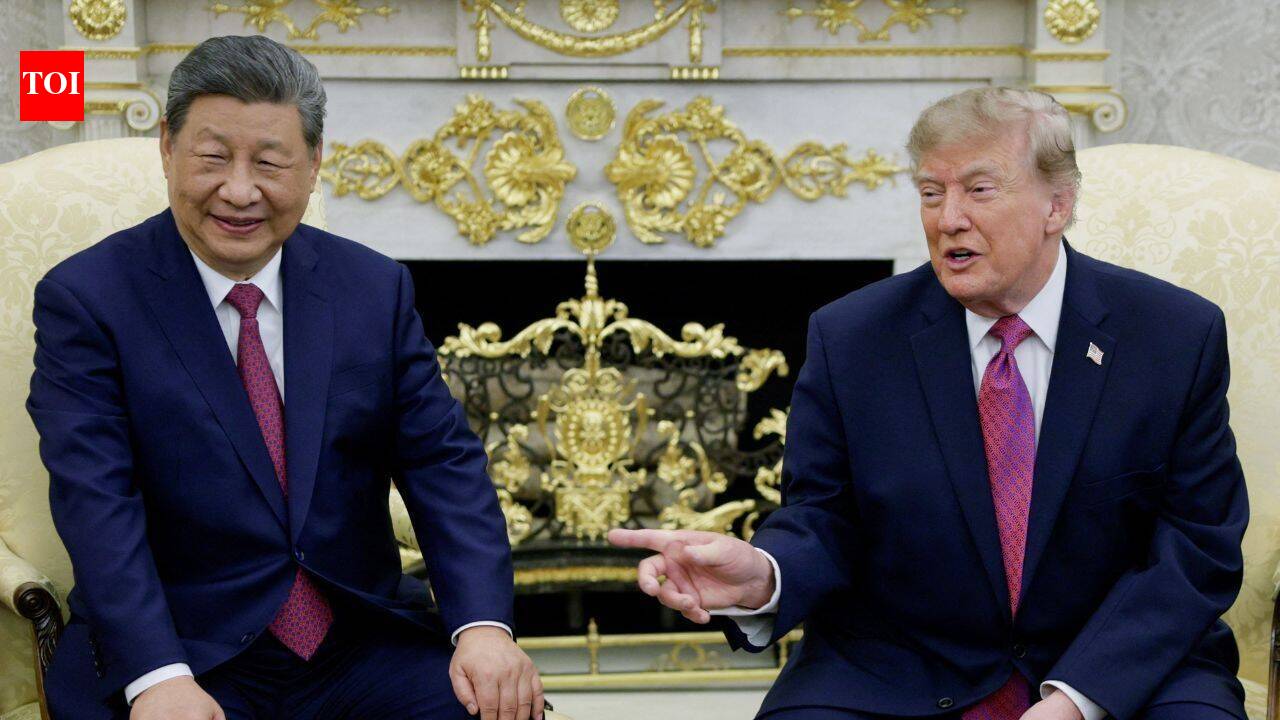
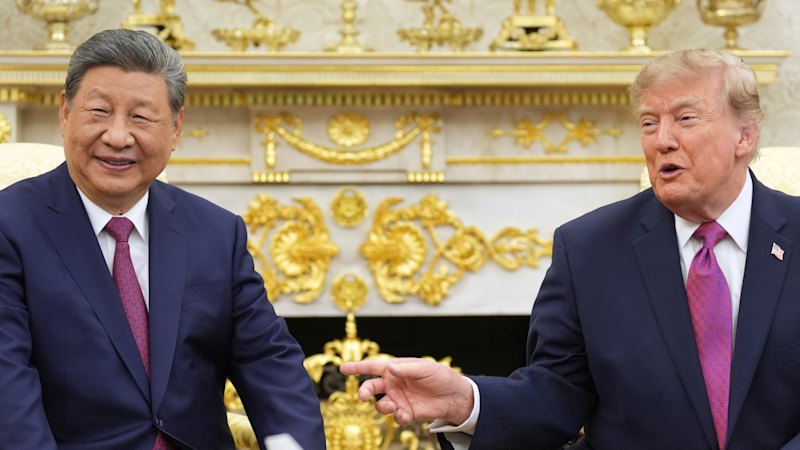
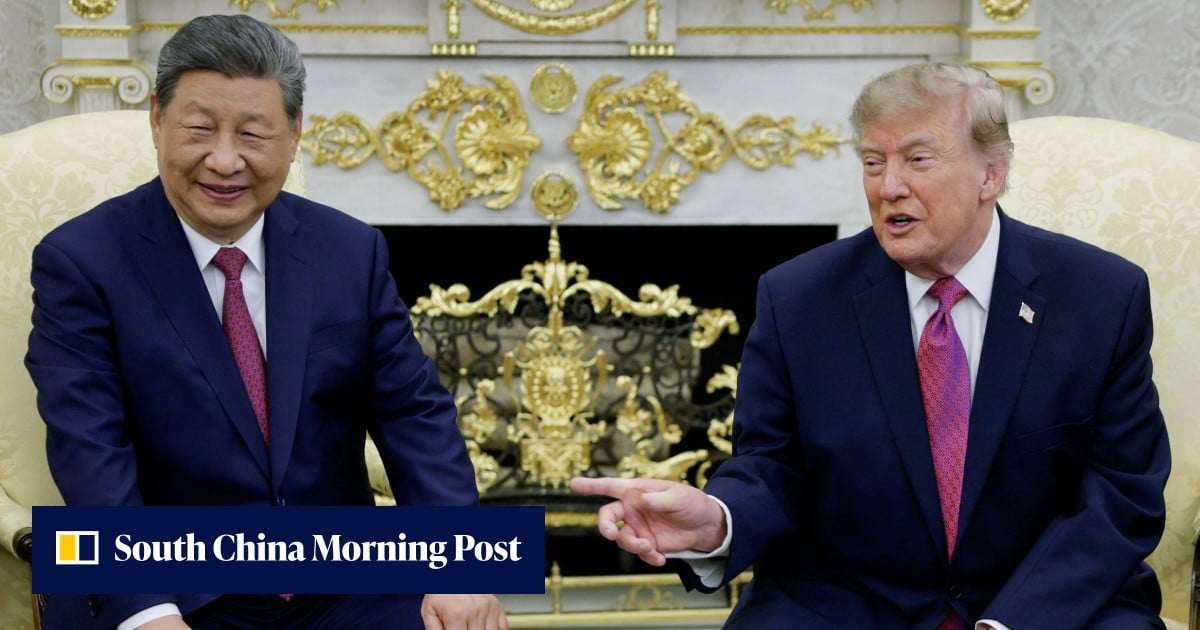
President Donald Trump has justified the pending U.S. arms sale to Taiwan to Chinese President Xi Jinping by downplaying it as just one of many sales Washington makes around the world — even asking Mr. Xi if he'd be in the market for U.S. arms, Mr. Trump's Ambassador to China said on Sunday (September 27, 2026).
asserted
Ambassador → justify → Sunday
David Perdue said Mr. Trump raised the prospect of the arms sales from the U.S. to its ascendant geopolitical rival, an unlikely offer that, if consummated, would upend generations of U.S. policy toward China and Taiwan and potentially expose U.S. technology to a potential foe.
asserted
that → say → foe
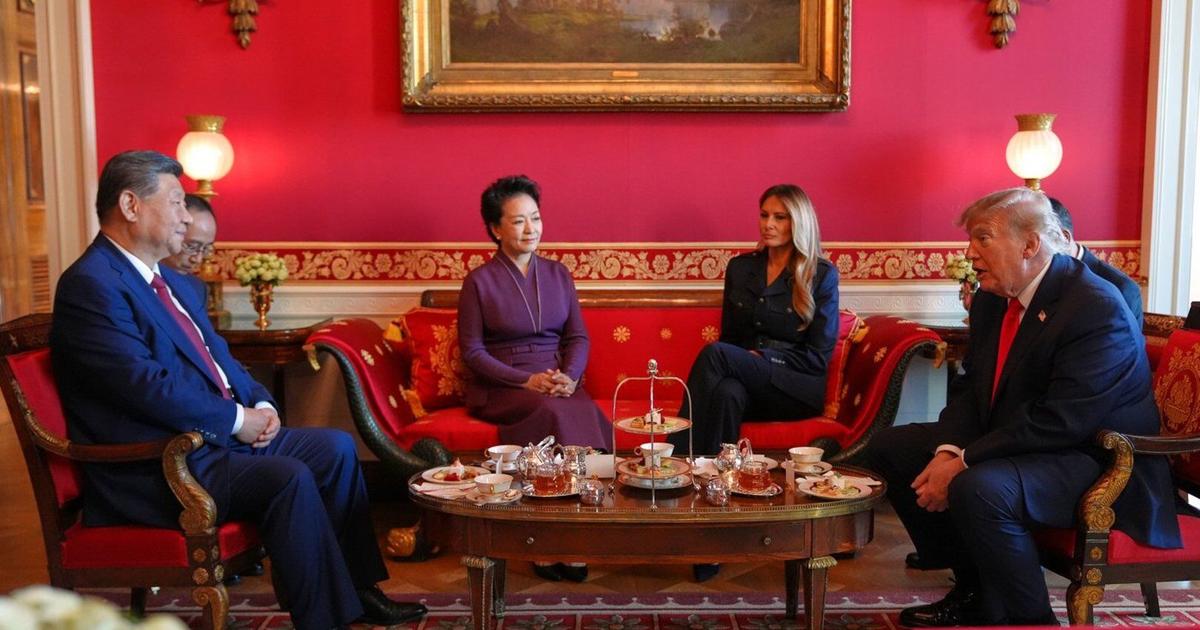
Mr. Perdue, speaking to Shannon Bream on “Fox News Sunday” days after Mr. Trump hosted Mr. Xi for a state visit in Washington
asserted
Trump → speak → Washington
, didn't specify when the offer was made.
asserted
offer → specify → ?
Editorial | New equilibrium: on the recalibration of U.S.-China ties
Ms. Bream had cited concerns from Republican and Democratic lawmakers over delayed aid packages and weapons orders to Taiwan, the self-ruled democracy, to defend itself from China's threat to invade the island.
asserted
Bream → cite → island
Ms. Bream asked if the U.S. is denying Taiwan to appease the Chinese president, who visited Mr. Trump last week.
asserted
who → ask → Trump
Mr. Perdue pushed back on the suggestion, stating that Mr. Trump “is as strong on Taiwan as I've ever seen anybody” and has sold it plenty of weapons.
asserted
I → push → weapons
Mr. Perdue also said Mr. Trump and Mr. Xi continue to talk about future U.S. weapons sales to Taiwan.
asserted
Trump → say → Taiwan
“But President Trump continues to say, Hey, we sell arms to other people around the world,'” Mr. Perdue said.
asserted
Perdue → continue → world
“He actually asked President Xi, would he like to buy some, at one point.”
asserted
he → ask → point
The U.S. is bound by its own laws to provide Taiwan with the means to defend itself.
asserted
U.S. → bind → itself
While not recognising Taiwan as a country, the U.S. is the island's strongest informal backer and arms provider.
asserted
U.S. → recognise → country
But multiple U.S. leaders have left it ambiguous whether they would commit military force to defend the U.S. ally should China invade.
asserted
China → leave → ally
China has pressed Washington to halt the arms sales, most prominently during a previous summit in May between Mr. Trump and Mr. Xi in Beijing.
uncertain
China → press → Beijing
After that meeting, the United States paused the sale of a record-breaking $14 billion package — and Mr. Trump described arms sales to Taiwan as a “very good negotiating chip” with China.
asserted
Trump → pause → China
In their private talks at the White House last week, Mr. Xi pressed Mr. Trump to oppose Taiwan independence, according to Chinese state media.
uncertain
Xi → press → media
 The Aporia