That is 0 articles you have read today.
The Aporia is free and carries no advertising, so readers are the only
thing paying for it. If you are getting this much out of it, a small
donation is what keeps it independent.
Daily limit reached
You have read 0 articles today.
That is more than the 15 a day The Aporia gives away,
and well past what it can carry on nothing. Your allowance resets at
midnight.
There is no advertising here and nothing about you is sold, so readers
are the only thing paying for it. If the site is worth this much of
your day, it is worth a few dollars.
Everything else stays open: the
maps, the
directory and
search do
not count against this, and neither does re-opening something you have
already read today.
US Ambassador to China David Perdue revealed on Fox News that President Donald Trump offered to sell weapons to Chinese leader Xi Jinping during a recent meeting, suggesting an unusual shift in US-China relations regarding arms sales. The $14 billion arms package for Taiwan remains pending approval from Trump, who previously described it as a negotiating tool with China. Both the White House and State Department quickly clarified that there are no plans or legal provisions to sell weapons to China under current US law.
Written locally by qwen2.5:14b on 2026-09-28,
using this article's own text rather than the other coverage of the
same event (that is the story summary below).
Story summary
On September 27, US Ambassador to China David Perdue revealed that President Donald Trump had asked Chinese President Xi Jinping if he wanted to buy American weapons during Xi's state visit to the United States. This surprising admission came as part of discussions about a pending $14 billion arms sale package to Taiwan, which Beijing views as its territory but considers self-governing. The State Department quickly clarified that US law prohibits arms sales to China and there are no plans for such deals.
The statement by Perdue sparked debates over the nature of Trump’s inquiry—whether it was a joke or a serious offer—and raised questions about potential shifts in U.S. policy towards Taiwan, which seeks stronger defense against perceived threats from China. The White House confirmed that the United States has no plans to sell weapons to China despite President Trump's comment, highlighting the complex dynamics between Washington and Beijing regarding regional security and arms sales.
Written for “Trump Offered Weapons To China” on 2026-10-05,
grounded in this article and the 16 other(s) covering the same event.
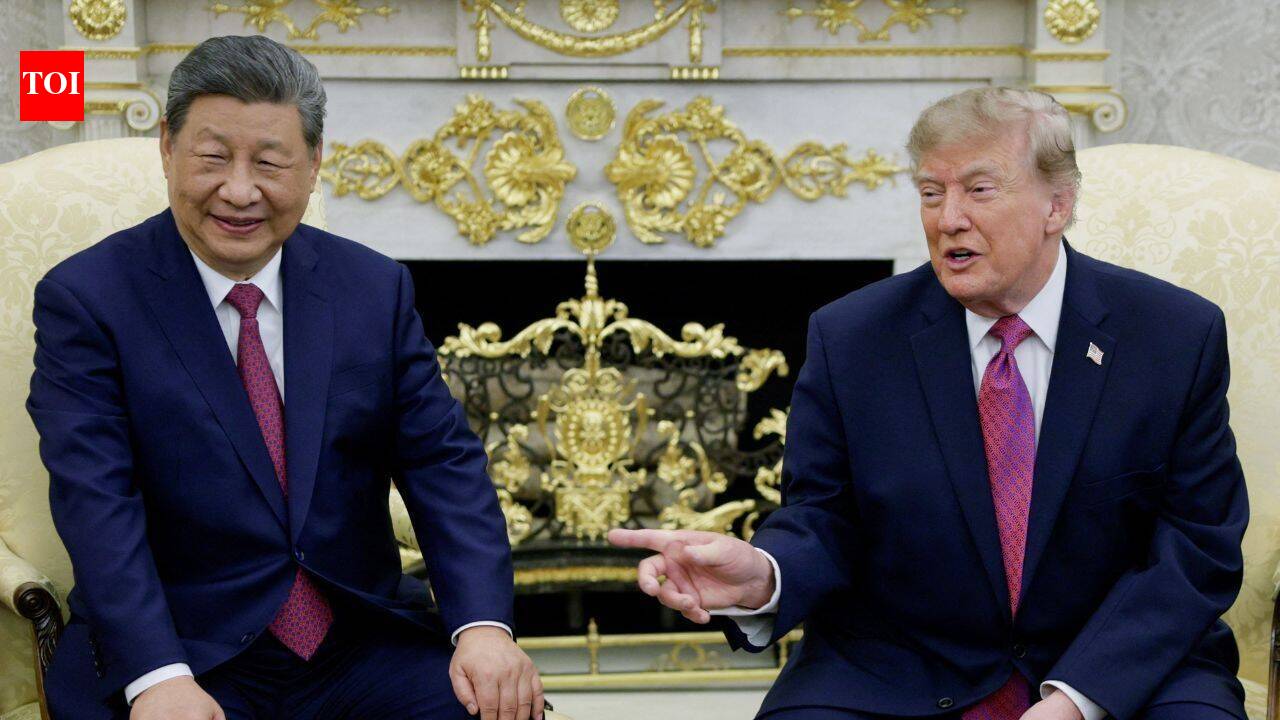
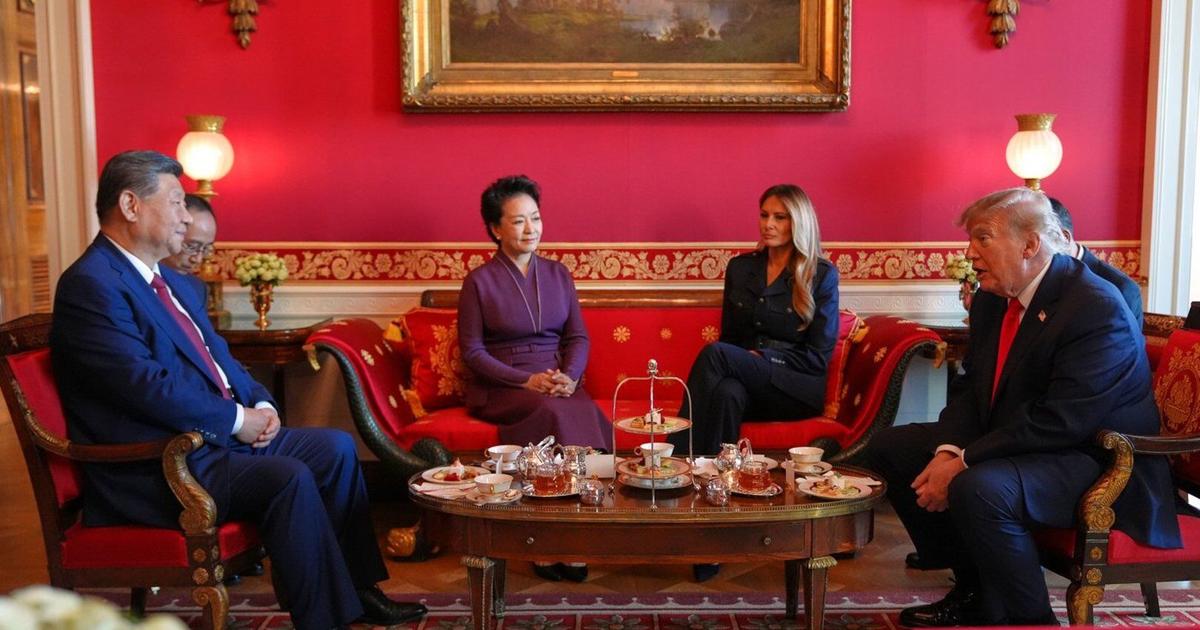
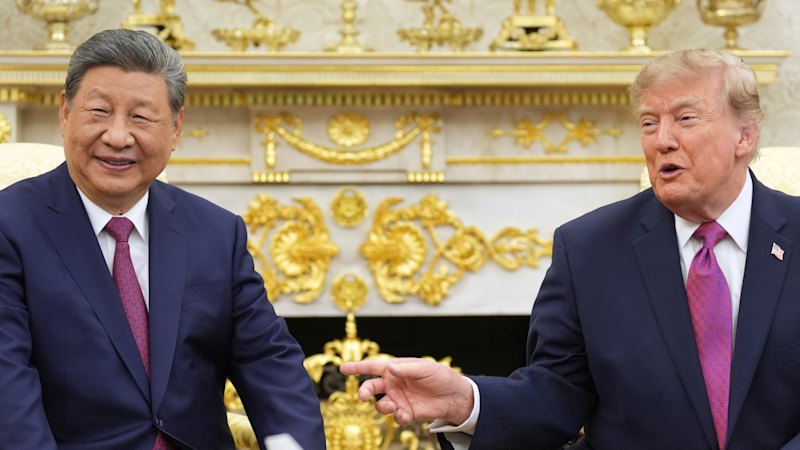
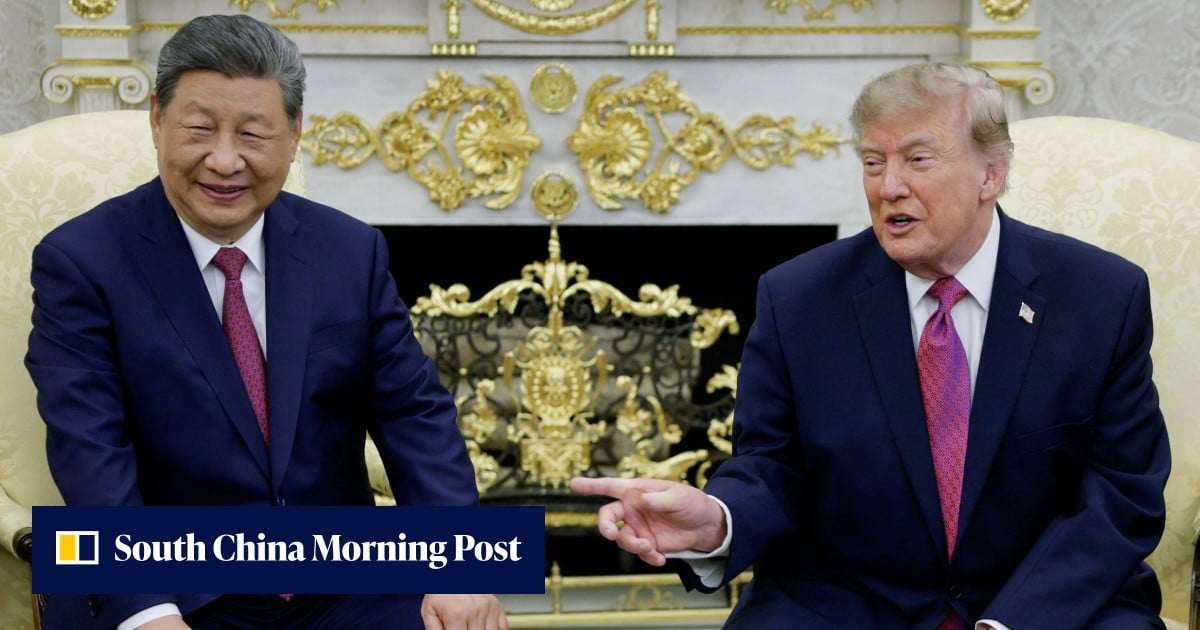
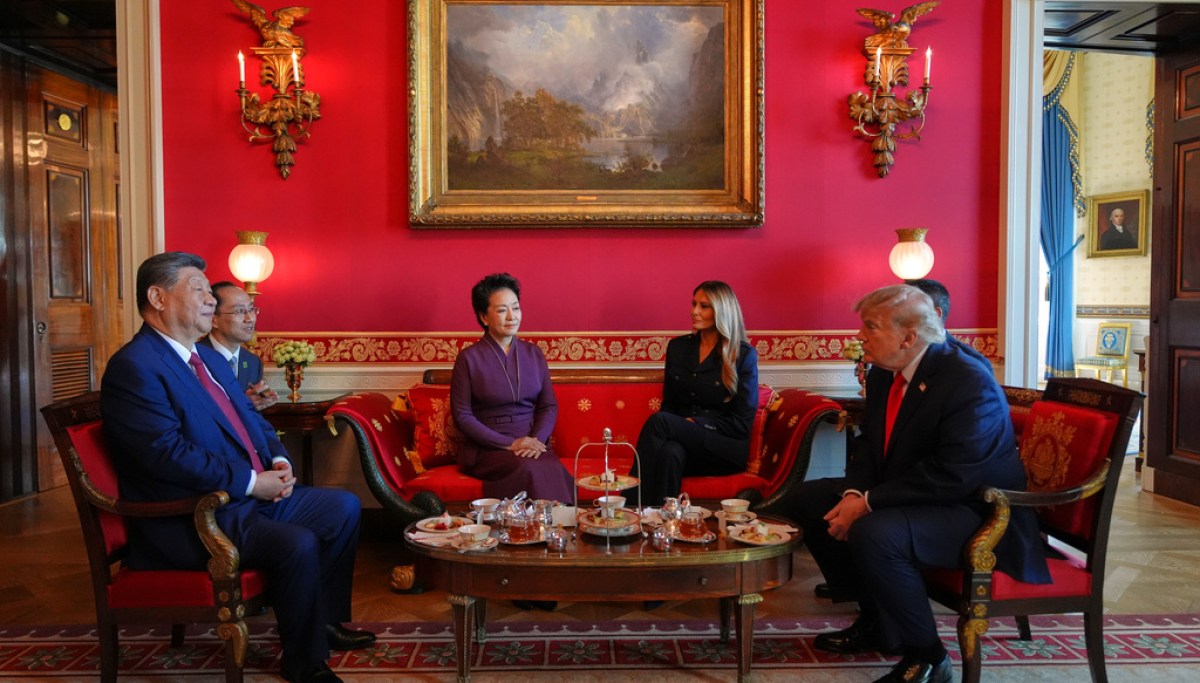
Donald Trump offered to sell weapons to China while hosting its leader, Xi Jinping, last week, the US ambassador to China said on Sunday.
asserted
ambassador → offer → Sunday
David Perdue told Fox News on Sunday: “President Trump continues to say, hey, we sell arms to other people around the world.
asserted
we → tell → world
He actually asked President Xi, would he like to buy some at one point.”
asserted
he → ask → point
The extraordinary claim came during an interview about US policy on Taiwan, which has been waiting for months for Trump to approve a new arms sales package worth $14bn, after a record multi-billion dollar deal was unveiled in December last year.
uncertain
deal → come → December
Trump’s level of commitment to protecting Taiwan has previously been questioned.
asserted
level → protect → Taiwan
At a meeting with Xi in Beijing in May, Trump said he was keeping the $14bn Taiwan arms sales package in abeyance, describing it as a “very good negotiating chip” in dealings with China.
uncertain
he → say → China
Washington has long maintained a strategically ambiguous stance on whether it would defend Taiwan in the event of an invasion.
asserted
it → maintain → invasion
But under the decades-old Taiwan Relations Act, it is required to provide Taipei with sufficient military equipment to defend itself.
asserted
it → require → itself
Beijing has repeatedly said it “resolutely opposes” Washington’s arms sales to the island democracy, which it regards as a breakaway province, despite never having ruled it, and has not renounced the use of force to take.
asserted
it → say → force
During their Washington meeting last week, Xi urged Trump to oppose “Taiwan independence,” according to a readout from the official Chinese news agency Xinhua.
uncertain
Xi → urge → agency
After Purdue’s interview, the White House told the New York Times that the US had no plans to sell arms to China, while the state department said: “US law prohibits arms sales to China and there is no offer or plan to sell arms to China.”
asserted
law → tell → China
Before the interview, Taiwanese deputy foreign minister Chen Ming-chi spoke of the severe military threat China posed.
asserted
China → speak → threat
“Taiwan faces a severe situation in the Taiwan strait.
asserted
Taiwan → face → strait
Even though China’s economy is declining, it continues investing more resources into building military capacity.
asserted
it → decline → capacity
Under this context, the US very much understands our defence needs,” he told reporters in Taipei.
asserted
he → understand → Taipei
Trump has not mentioned the sale since last week’s summit, saying only on Saturday that Xi understands his position on Taiwan.
asserted
Xi → mention → Taiwan
Perdue himself told CNBC on Friday that there had been no change in Taiwan policy by Trump, including on arms sales.
asserted
Perdue → tell → sales
 The Aporia