On September 27, 2026, Iran refused to budge on its demands for reopening the Strait of Hormuz following U.S. President Donald Trump's rejection of a proposed ceasefire agreement. The plan included cessation of hostilities in West Asia and lifting sanctions on Iranian oil, among other conditions. Despite this, Iran’s Foreign Minister Abbas Araghchi reiterated that his country would not compromise its terms for resuming talks or opening the strategic waterway critical to global energy supplies.
Written locally by qwen2.5:14b on 2026-10-02,
using this article's own text rather than the other coverage of the
same event (that is the story summary below).
Story summary
US President Donald Trump met with Chinese President Xi Jinping, where Xi pressed Trump to adopt Beijing's stance against Taiwan independence, which Taiwan rejected outright. Meanwhile, Taiwan is crucial for global tech and economy due to its leading semiconductor production; TSMC alone produces the majority of advanced chips that power smartphones, AI systems, and more. As Stanford Hoover fellow Eyck Freymann noted, economic disruption from a conflict over Taiwan would be severe.
In unrelated developments, Iranian President Masoud Pezeshkian met with US media at the UN General Assembly, where he denied Iran's nuclear ambitions while offering to dilute its enriched uranium and allow inspections under international law. He also blamed Washington for ongoing conflicts in the Middle East. The International Atomic Energy Agency (IAEA) estimates that Iran has over 440 kilograms of uranium enriched up to 60%, raising concerns despite Pezeshkian's denials.
Taiwan's representative, Ambassador Alexander Yui, clarified during an interview on CBS’s "Face the Nation" that while Taiwan was discussed between Trump and Xi, it wasn't a major focus. He emphasized there has been no change in US policy towards Taiwan amid recent tensions with China.
Written for “Taiwan Iran Us Relations Midterms” on 2026-10-05,
grounded in this article and the 386 other(s) covering the same event.
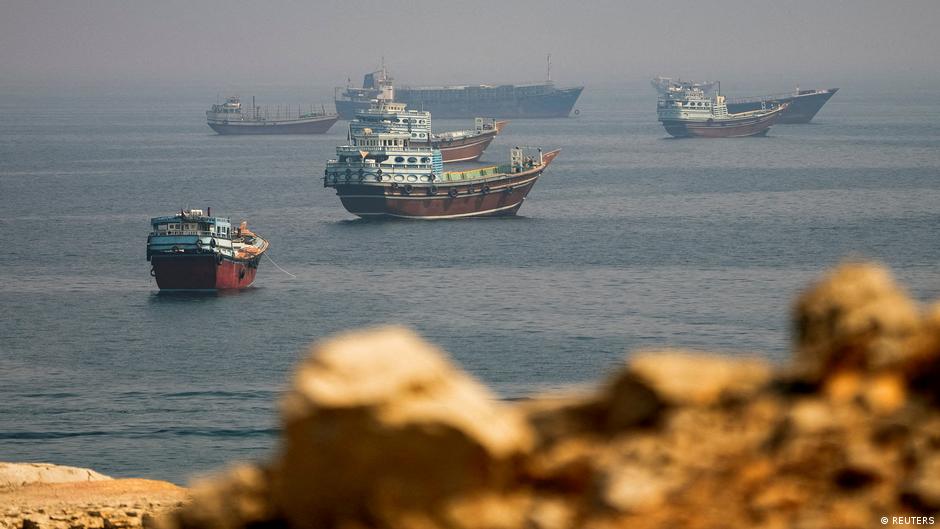
Iran stood firm Sunday (September 27, 2026) on its conditions for reopening the Strait of Hormuz, despite U.S. President Donald Trump's rejection of the proposal, leaving the West Asia war locked in a stalemate.
asserted
Iran → stand → stalemate
The waterway is key to the world's energy supply and is now central to the conflict between Washington and Tehran, which was triggered nearly seven months ago with deadly strikes on Iran.
asserted
which → trigger → Iran
Iran's plan called for a cessation of all hostilities in West Asia, including in Lebanon, according to Foreign Minister Abbas Araghchi, and a return to the conditions in the ceasefire deal that fell apart a few months ago.
uncertain
that → call → deal
That agreement, which dissolved during fighting over Hormuz, called for the release of frozen Iranian assets, the lifting of sanctions on Iranian oil and an end to the U.S. naval blockade.
asserted
which → dissolve → blockade
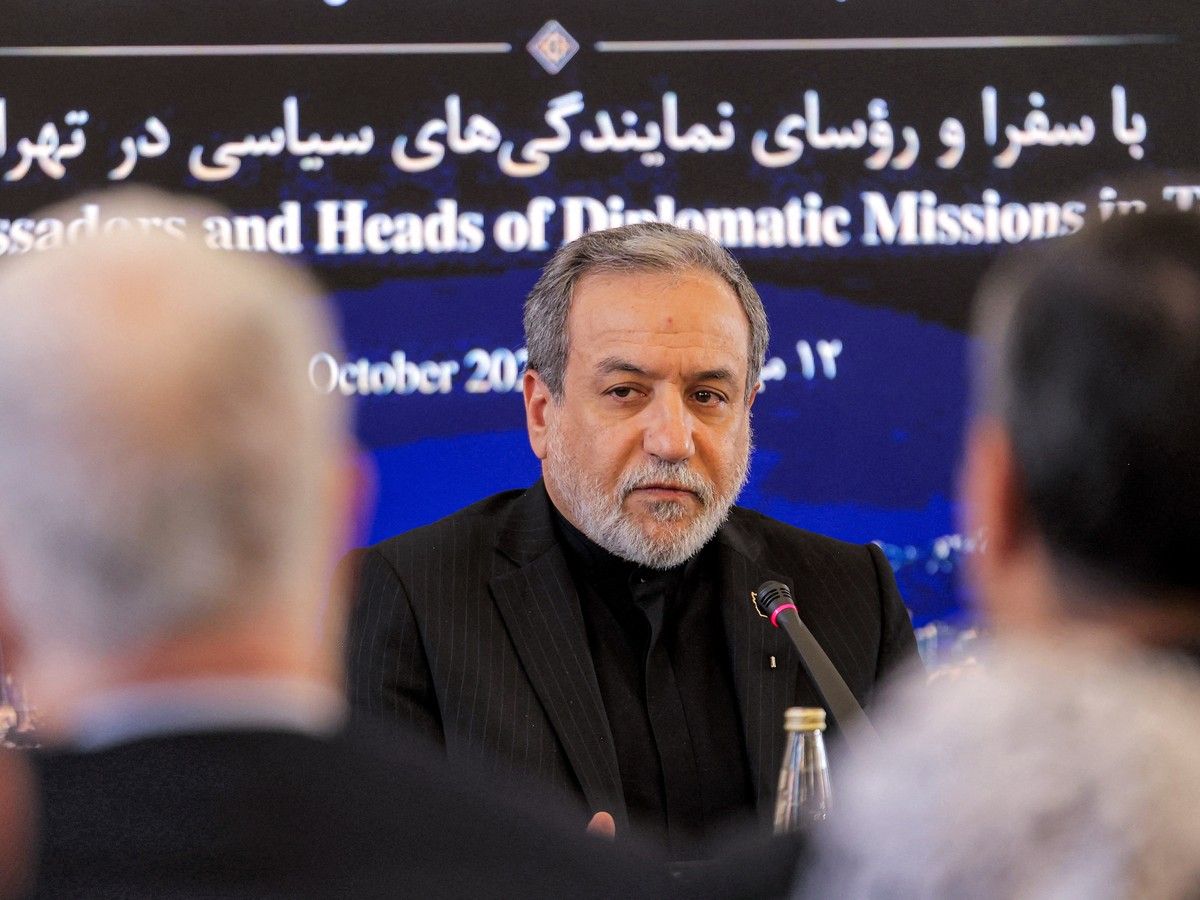
"Our conditions are clear, and any move toward reopening the Strait of Hormuz is contingent upon these conditions being fulfilled.
asserted
conditions → reopen → Hormuz
We will not back down from them," Mr. Araghchi said on Sunday (September 27, 2026), as reported by state broadcaster IRIB.
asserted
Araghchi → back → IRIB
"We have never closed the door to diplomacy or negotiations, but at the same time, we have never backed down from our rights.
asserted
we → close → rights
But Trump said on Saturday (September 26) that he rejected the truce deal.
asserted
he → say → deal
"They want to make a deal where they open the Strait immediately because they're losing so badly," he told reporters.
asserted
he → want → reporters
"They want to make a deal and I think that's fine.
asserted
that → want → deal
I like making a deal too."
asserted
I → like → deal
His ambassador to the UN, Mike Waltz, accused Tehran of demanding too much in exchange for a return to the negotiating table.
"
asserted
ambassador → accuse → table
This was, I think, a pretty cynical attempt to put something on the table that they knew was unacceptable.
asserted
they → think → table
To ask for the release of the blockade, the sanctions, international sanctions and access to billions in assets, just to talk," he told NBC News in an interview broadcast Sunday (September 26).
asserted
he → ask → interview
"I think it's kind of common sense that the president doesn't have a lot of confidence this time after we just tried a few months ago."
asserted
we → think → confidence
Mr. Araghchi, however, said the Iranians "saw the first reaction from the U.S. President, but so far, nothing has been conveyed to us by the mediators".
asserted
nothing → say → mediators
"We are waiting for the mediators to convey the definitive positions to us, and we will make a decision based on them," the Foreign Minister added.
asserted
Minister → wait → them
Iran's Revolutionary Guards, meanwhile, said that they seized an American submarine drone on Sunday (September 27) in the strategic Strait of Hormuz.
asserted
they → say → Hormuz
It said the underwater vehicle was being used "for espionage purposes", adding that it was "now in the hands of the force's specialists for data recovery".
asserted
it → say → recovery
Washington and Tehran signed a memorandum of understanding in June that aimed to end the war, to reopen the strait and to launch talks on Iran's nuclear programme.
asserted
that → sign → programme
But the deal broke down shortly afterwards when Iran fired on commercial ships in Hormuz that it accused of deviating from its approved route through the waterway.
asserted
it → break → waterway
Iran requires ships to obtain authorisation before passage, citing security and sovereignty reasons.
asserted
Iran → require → reasons
Ships that refuse to comply are regularly targeted, while the United States sporadically bombs Iranian coastal areas in retaliation.
asserted
States → refuse → retaliation
At the UN, Saudi Arabia's Foreign Minister Faisal bin Farhan complained that the "international community has been absent" and is failing to live up to the responsibility to keep the Strait of Hormuz and the Bab al-Mandab open.
asserted
community → complain → Hormuz
"The kingdom rejects any party's use of these vital passages as a tool for pressure, threat, or harm to the interests of states," he said, stressing the waterways' importance to global energy security.
asserted
he → reject → security
In New York, Iranian President Masoud Pezeshkian met with UN Secretary-General Antonio Guterres, according to his office, and said: "Iran has not walked away from the negotiating table but, given past experiences, it no longer trusts the United States."
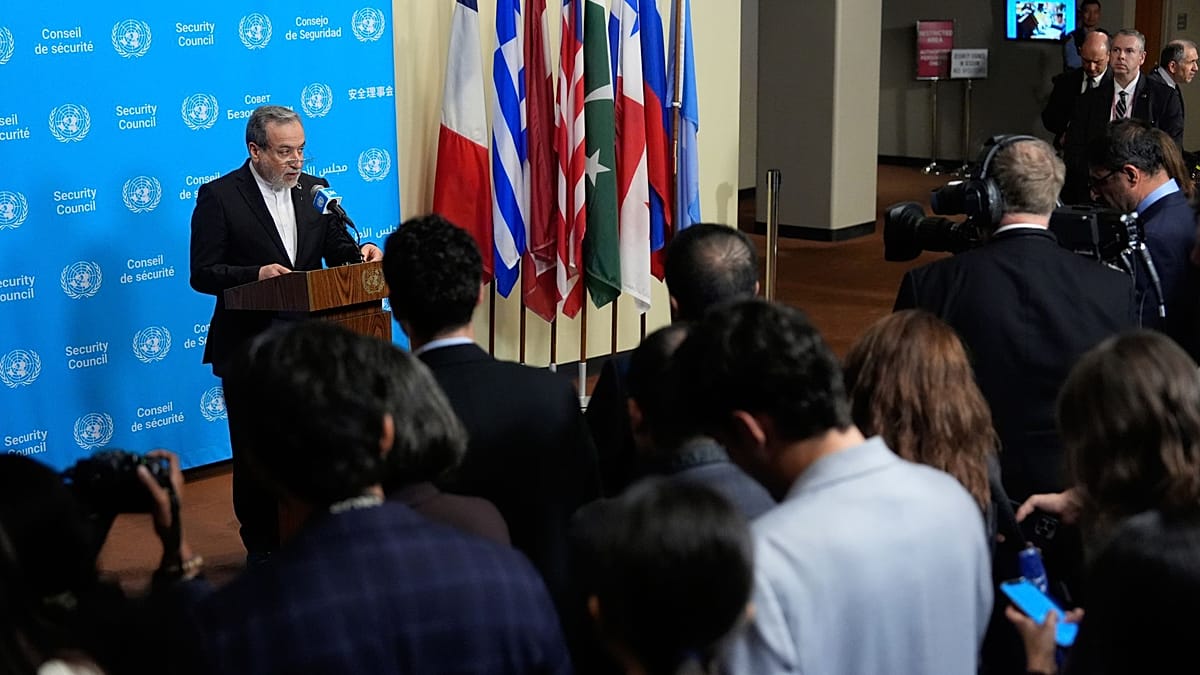
Araghchi said at the UN: "Iran has conveyed to the United States, through Qatar, a concrete seven-day plan.
uncertain
Iran → meet → plan
If the necessary conditions are met, the strait can be reopened, and normal maritime passage restored within seven days."
asserted
passage → meet → days
"The choice now rests with the United States."
asserted
choice → rest → States
Hossein Mohebi, a spokesman for Iran's Revolutionary Guards, was quoted by Tasnim news agency as saying: "We will not cease punishing the U.S. until Iran's seven conditions are met."
asserted
conditions → quote → U.S.
Mohebi had told AFP in an exclusive interview on Tuesday that ending hostilities in Yemen was also among Tehran's demands.
asserted
ending → tell → demands
 The Aporia