That is 0 articles you have read today.
The Aporia is free and carries no advertising, so readers are the only
thing paying for it. If you are getting this much out of it, a small
donation is what keeps it independent.
Daily limit reached
You have read 0 articles today.
That is more than the 15 a day The Aporia gives away,
and well past what it can carry on nothing. Your allowance resets at
midnight.
There is no advertising here and nothing about you is sold, so readers
are the only thing paying for it. If the site is worth this much of
your day, it is worth a few dollars.
Everything else stays open: the
maps, the
directory and
search do
not count against this, and neither does re-opening something you have
already read today.
Iran proposed a seven-day plan to reopen the strategically important Strait of Hormuz, which has been closed due to tensions with the US. The proposal includes releasing frozen Iranian assets worth at least $12 billion and lifting oil sanctions. However, according to reports from The Wall Street Journal, President Trump rejected this offer, expressing skepticism about Iran’s willingness to comply with his demands.
Written locally by qwen2.5:14b on 2026-09-26,
using this article's own text rather than the other coverage of the
same event (that is the story summary below).
Story summary
US President Donald Trump met with Chinese President Xi Jinping, where Xi pressed Trump to adopt Beijing's stance against Taiwan independence, which Taiwan rejected outright. Meanwhile, Taiwan is crucial for global tech and economy due to its leading semiconductor production; TSMC alone produces the majority of advanced chips that power smartphones, AI systems, and more. As Stanford Hoover fellow Eyck Freymann noted, economic disruption from a conflict over Taiwan would be severe.
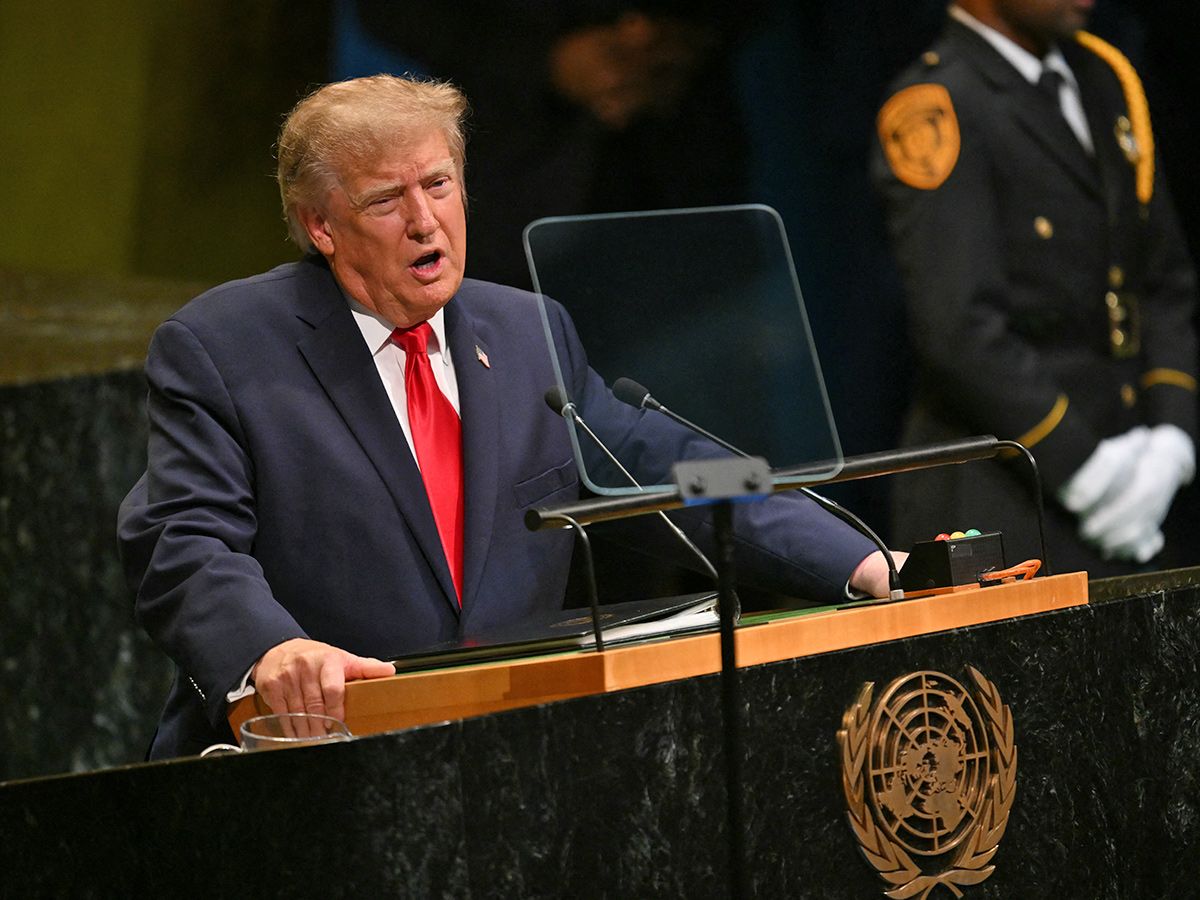
In unrelated developments, Iranian President Masoud Pezeshkian met with US media at the UN General Assembly, where he denied Iran's nuclear ambitions while offering to dilute its enriched uranium and allow inspections under international law. He also blamed Washington for ongoing conflicts in the Middle East. The International Atomic Energy Agency (IAEA) estimates that Iran has over 440 kilograms of uranium enriched up to 60%, raising concerns despite Pezeshkian's denials.
Taiwan's representative, Ambassador Alexander Yui, clarified during an interview on CBS’s "Face the Nation" that while Taiwan was discussed between Trump and Xi, it wasn't a major focus. He emphasized there has been no change in US policy towards Taiwan amid recent tensions with China.
Written for “Taiwan Iran Us Relations Midterms” on 2026-10-05,
grounded in this article and the 386 other(s) covering the same event.
Claims extracted
17
claim-shaped sentences
Uncertain
6%
1 of 17 hedged
Leaning
Leans left
of the writing, not the subject · beta estimate
Correction & hedging signals
77.1
corrections and hedging in what we collected;
not a measure of accuracy
Outlets on this story
387
Politics
Narrative spread
1
articles carrying this framing
Iran offered a plan to reopen the strategic Strait of Hormuz, Tehran said on Friday, but within hours, reports indicated that US President Donald Trump rejected the proposal.
asserted
Trump → offer → proposal
But new mediation efforts at the UN’s gathering of world leaders in New York this week offered some optimism of progress toward a deal.
asserted
efforts → offer → deal
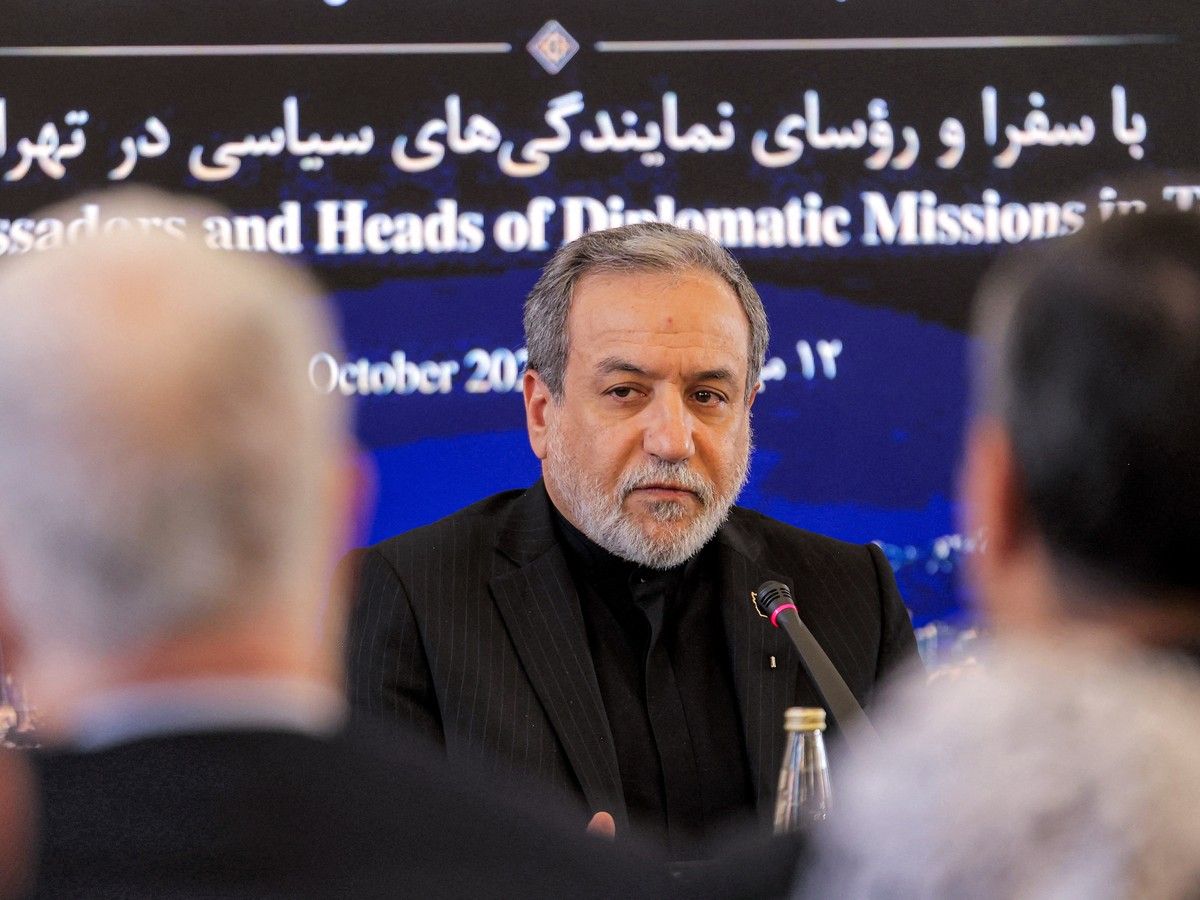
Iran’s Foreign Minister Abbas Araghchi met for talks on Tuesday with Trump’s envoy Steve Witkoff, and previously set out conditions for ending the war and reopening the vital shipping channel.
“Iran has conveyed to the United States, through Qatar, a concrete seven-day plan.
asserted
Iran → meet → plan
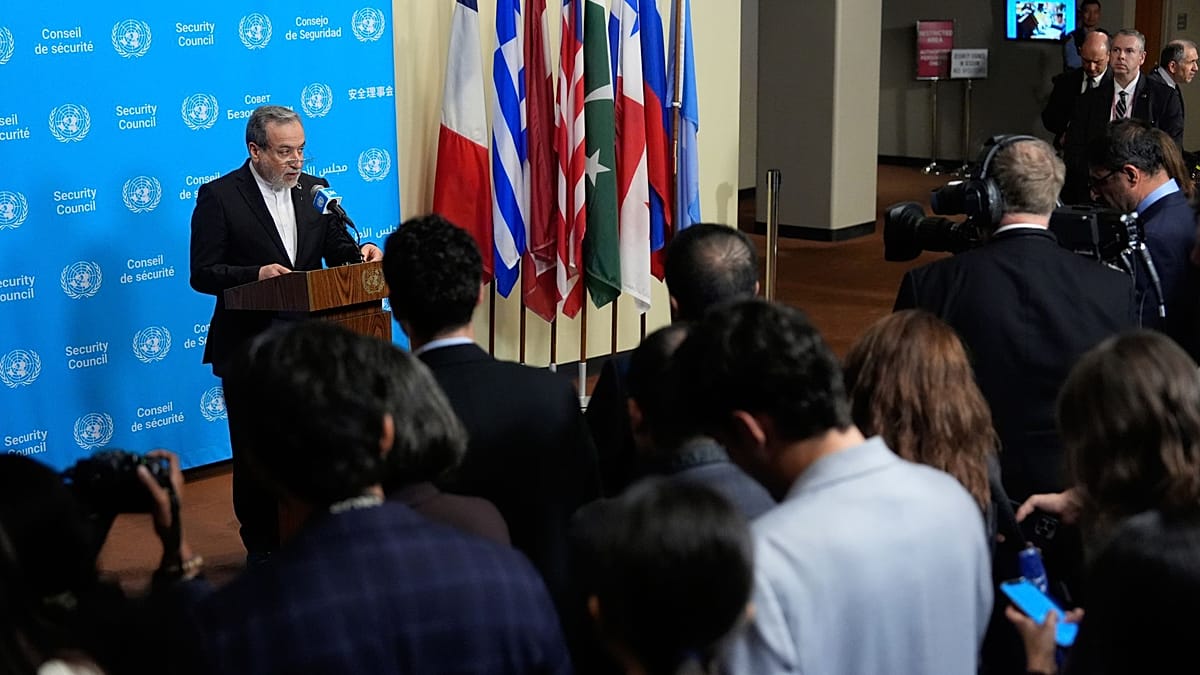
If the necessary conditions are met, the strait can be reopened, and normal maritime passage restored within seven days,” Araghchi said at the UN.
asserted
Araghchi → meet → UN
“The choice now rests with the United States.
asserted
choice → rest → States
Iran does not accept coercion, threats, or intimidation, and Iran will not surrender its sovereign rights under pressure.
asserted
Iran → accept → pressure
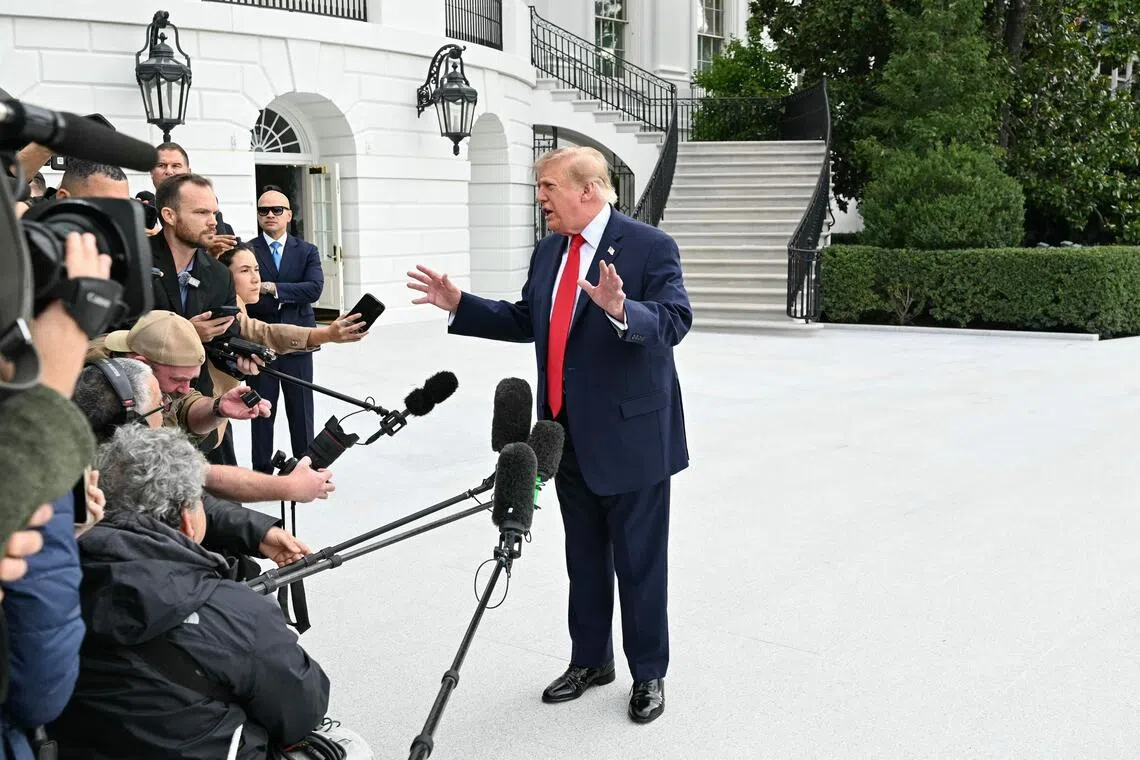
However, with hours of his comments, The Wall Street Journal reported Trump had rejected the proposal, citing US officials familiar with the matter.
asserted
Trump → report → matter
The report noted that the 80-year-old president was sceptical Tehran would meet his demands and added he sees a renewed bombing campaign as likely.
Trump also posted an image to his Truth Social platform of a map showing the Strait of Hormuz circled and labelled “Trump Strait.
asserted
Trump → note → Hormuz
Earlier media reports suggested the new plan calls for a cessation of all hostilities in the Middle East for seven days, including in Lebanon.
Frozen assets
It also reportedly calls for the release of frozen Iranian assets estimated to be worth at least $12 billion, as well as the lifting of sanctions on Iranian oil and an end to the US naval blockade of Iran.
uncertain
It → suggest → Iran
On the seventh day of the truce, Iran would reopen Hormuz.
asserted
Iran → reopen → Hormuz
Iranian President Masoud Pezeshkian said in an interview with broadcaster CBS that the ceasefire “process will begin from the very day they accept it.”
asserted
they → say → it
“We had previously reached an agreement based on the MOU that was signed in Pakistan…if the United States agrees to proceed in that way, everything will return to the way it was before,” he added.
asserted
he → reach → way
Hossein Mohebi, a spokesman for the Revolutionary Guards, told AFP in an exclusive interview on Tuesday that ending hostilities in Yemen was also among Tehran’s demands.
asserted
ending → tell → demands
The US and Iran signed a memorandum of understanding in June that aimed to end the war, reopen the strait and launch talks on Iran’s nuclear program.
asserted
that → sign → program
But the deal broke down shortly afterwards when Iran fired on commercial ships in Hormuz that it accused of deviating from its approved route through the waterway.
asserted
it → break → waterway
Iran requires ships to obtain authorisation before passage, citing security and sovereignty reasons.
asserted
Iran → require → reasons
Ships that refuse to comply are regularly targeted, while the United States sporadically bombs Iranian coastal areas in retaliation.
asserted
States → refuse → retaliation
 The Aporia