President Donald Trump rejected Iran's latest ceasefire proposal, which included reopening the Strait of Hormuz and resuming nuclear talks contingent on US concessions. During a press conference, Trump boasted that the United States had imposed the "greatest blockade ever in military history" around the strait, claiming Iran was desperate to reopen it due to economic losses. He also taunted Iran as being in dire financial straits, asserting they were outmaneuvered by their own actions of closing the strategic waterway.
Written locally by qwen2.5:14b on 2026-09-27,
using this article's own text rather than the other coverage of the
same event (that is the story summary below).
Story summary
US President Donald Trump met with Chinese President Xi Jinping, where Xi pressed Trump to adopt Beijing's stance against Taiwan independence, which Taiwan rejected outright. Meanwhile, Taiwan is crucial for global tech and economy due to its leading semiconductor production; TSMC alone produces the majority of advanced chips that power smartphones, AI systems, and more. As Stanford Hoover fellow Eyck Freymann noted, economic disruption from a conflict over Taiwan would be severe.
In unrelated developments, Iranian President Masoud Pezeshkian met with US media at the UN General Assembly, where he denied Iran's nuclear ambitions while offering to dilute its enriched uranium and allow inspections under international law. He also blamed Washington for ongoing conflicts in the Middle East. The International Atomic Energy Agency (IAEA) estimates that Iran has over 440 kilograms of uranium enriched up to 60%, raising concerns despite Pezeshkian's denials.
Taiwan's representative, Ambassador Alexander Yui, clarified during an interview on CBS’s "Face the Nation" that while Taiwan was discussed between Trump and Xi, it wasn't a major focus. He emphasized there has been no change in US policy towards Taiwan amid recent tensions with China.
Written for “Taiwan Iran Us Relations Midterms” on 2026-10-05,
grounded in this article and the 386 other(s) covering the same event.
- Sign up for our US Editor's Picks newsletter to get all the biggest exclusive stories
- See more Daily Mail on Google - save us as a Preferred Source
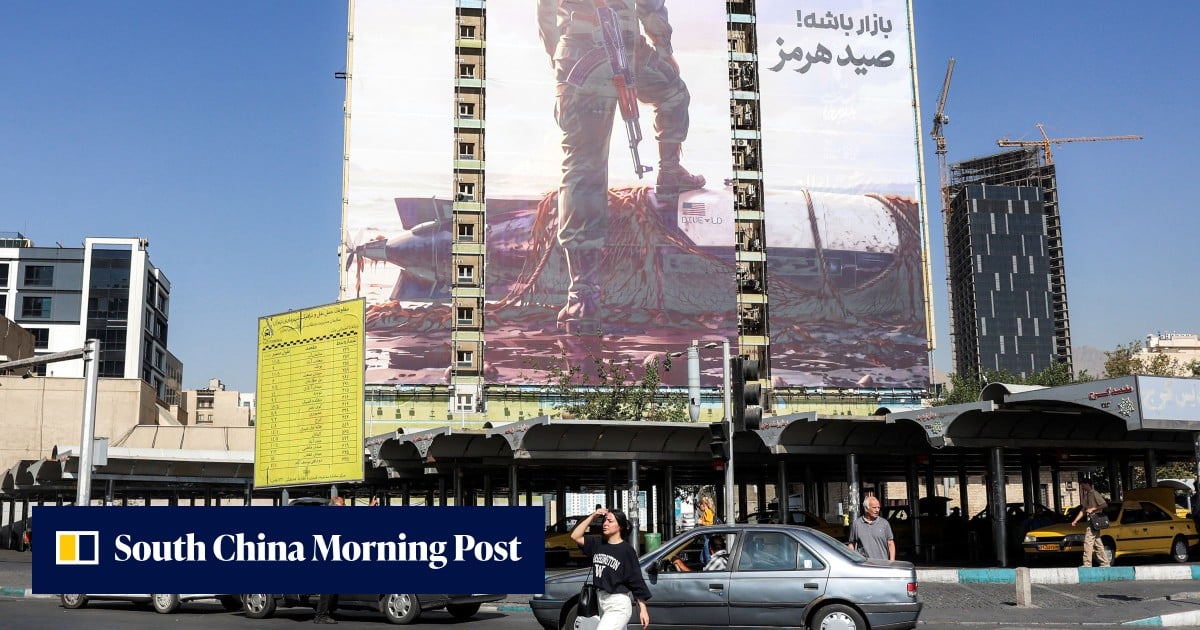
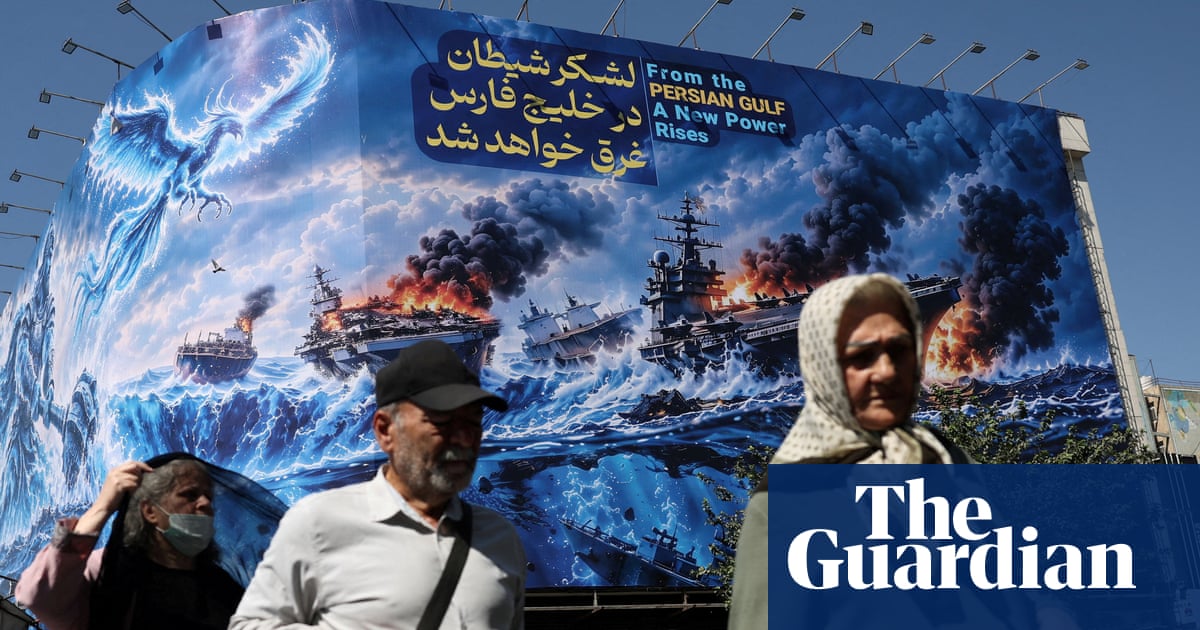
President Donald Trump gloated that a 'dying' Iran had spectacularly outsmarted itself by closing the Strait of Hormuz – only to find itself trapped behind America's own 'wall of steel.'
Trump told reporters on Saturday that Tehran was now desperate to reopen the vital waterway because it was 'losing so badly,' as he confirmed
asserted
he → sign → waterway
he had rejected its latest ceasefire proposal
asserted
he → reject → proposal
Iran had offered to reopen the strait and resume nuclear talks in exchange for a series of US concessions, including lifting the naval blockade of Iranian ports.
asserted
Iran → offer → ports
Calling Iran's proposal 'unacceptable,' Trump claimed that the Middle Eastern country wanted to strike a deal 'because they're dying' and 'have no money coming in.'
asserted
money → call → deal
Trump claimed the US was imposing the 'greatest blockade ever in military history,' adding that Iran wanted to make a deal to 'open the strait immediately because they're losing so badly.'
The President also said the US was 'winning tremendously' and had 'total control' of the Strait of Hormuz, where around a fifth of the world's traded oil flowed through every day prior to the Iran war.
asserted
fifth → claim → war
'Because they get their money from the Hormuz Strait, so they outsmarted themselves,' Trump continued.
asserted
Trump → get → themselves
The President told aides that he expected to continue bombing Iran after the midterms in November, the Wall Street Journal reported Friday night.
asserted
Journal → tell → November
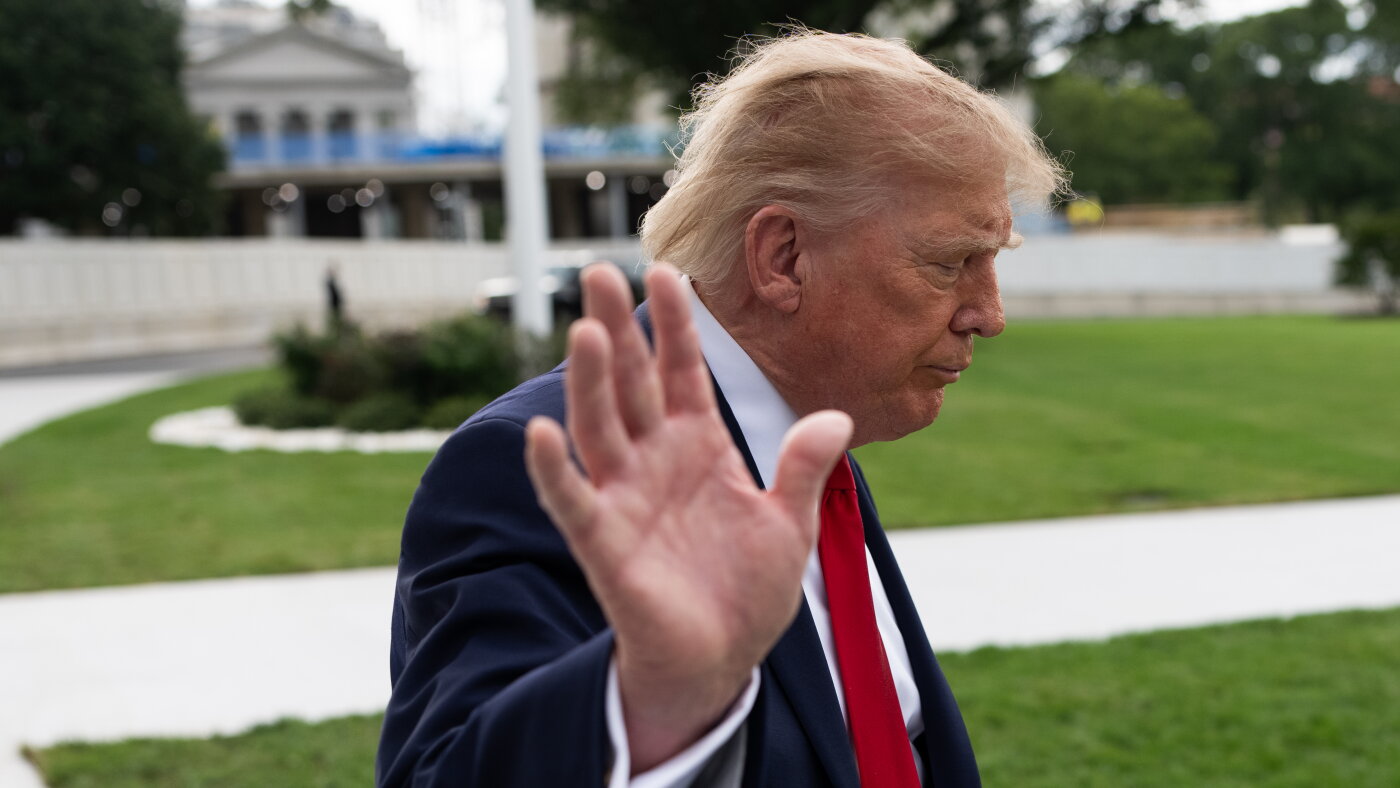
President Donald Trump said Saturday that Iran was 'dying' and wanted to 'immediately' open the Strait of Hormuz after having 'outsmarted themselves'
asserted
Iran → say → themselves
Iran would have opened the strait as part of the proposed temporary ceasefire, which the country's authorities said was a seven-day process
In his comments, Trump also said that 29 ships came out of the strait on Friday night, along with 'massive amounts of oil.
asserted
ships → open → oil
'They don't have any money now, because they wanted to close the strait, and I said, "That's fine.
asserted
That → have → strait
We're gonna close it on you, but everybody else is able to use it,"' Trump added.
asserted
Trump → go → it
He had also taunted Iran on Truth Social last night shortly after news of the ceasefire rejection first broke.
asserted
news → taunt → rejection
The President posted a picture featuring the 'Trump Strait,' reminding some of how he effectively renamed the Gulf of America and Lake America via executive orders.
asserted
he → post → orders
He has not done that with Hormuz.
asserted
He → do → Hormuz
Iranian Foreign Minister Abbas Araghchi said Friday that the deal's first steps would take roughly four to five days, the Associated Press reported.
asserted
Press → say → days
Under the suggested proposal, the strait would open on the sixth day.
uncertain
strait → suggest → day
Talks with the US would resume on the final day of the deal.
asserted
Talks → resume → deal
Trump warned Tuesday during his address to the United Nations General Assembly that he could 'annihilate' Iran if a deal was not found to end the near-seven-month war.
uncertain
deal → warn → war
'Will a deal be made with Iran that lets them rebuild and create a far greater country than it ever was before?
asserted
it → make → country
Maybe one of the greatest in the Middle East or even the world?' Trump said.
asserted
Trump → say → East
'Or do I annihilate the Islamic Republic and do it quickly, never giving them a chance to kill and destroy people and countries again?' he added.
asserted
he → annihilate → people
Trump also said the US was winning the Iran war 'tremendously' and had 'total control' over Hormuz
The President taunted Iran on Friday night as he posted a picture of the 'Trump Strait' on Truth Social
Trump also said he believed a deal would be found 'right after the election because it doesn't make sense for them not to.'
'They're waiting to see how I do in the midterm election,' Trump added.
asserted
Trump → say → election
'What they don't realize is that I'm not running.'
asserted
I → realize → What
Crude prices around the world have gone up over disruptions on the strait caused by the Iran war.
asserted
prices → go → war
That has made gasoline more expensive for Americans, which has been brought into focus ahead of the midterms.
asserted
which → make → midterms
About 61 percent of voters say that gas prices are a major concern, per a Fox News poll published on September 16.
asserted
prices → say → September
Araghchi had said an agreement 'would be much better if it is done before the midterm election,' according to CNBC.
uncertain
it → say → CNBC
He added that it depended on 'the US administration to decide' and claimed Iran was 'not in a hurry.'
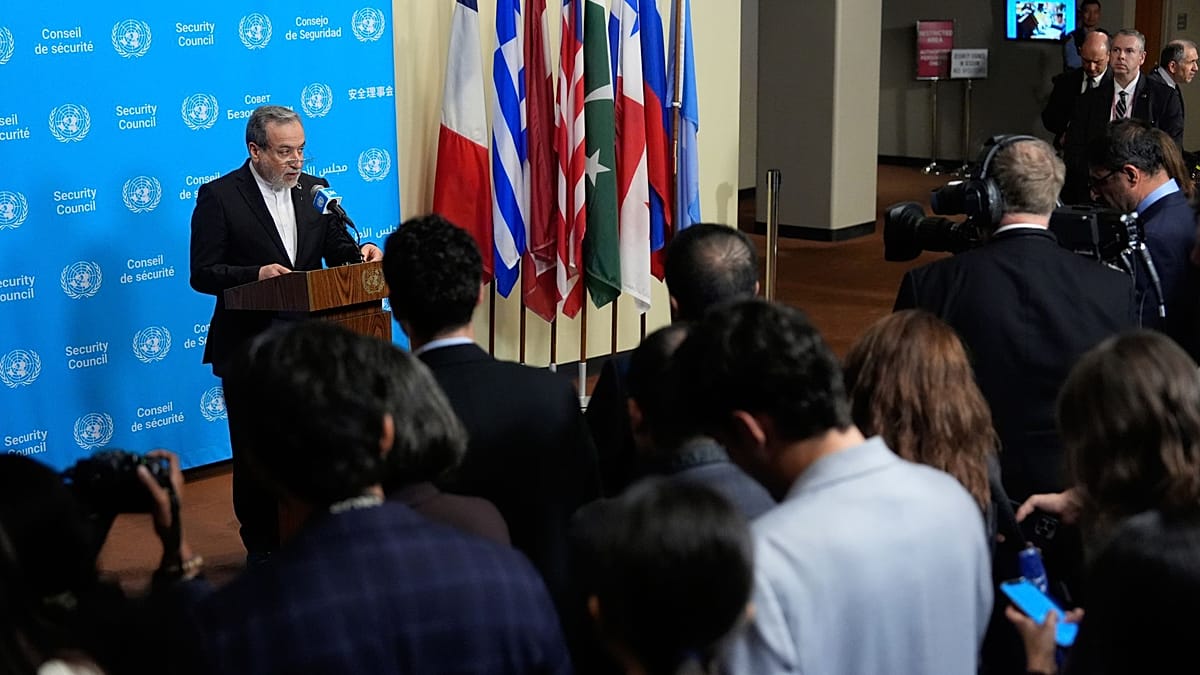
Iranian President Masoud Pezeshkian told the UN that 'it cannot be the case that everyone benefits from the Strait of Hormuz while we are denied access to shipping'
asserted
we → add → shipping
US special peace mission envoys Jared Kushner and Steve Witkoff met with an Iranian delegation on Tuesday
Iranian President Masoud Pezeshkian left New York for Tehran after attending the UN gathering, the Iranian state sponsored news agency MNA reported early Saturday.
asserted
agency → meet → gathering
Pezeshkian told the UN General Assembly that 'the resistance of the Iranian people will only increase in the face of sanctions, increased pressure, increased bullying.'
asserted
resistance → tell → sanctions
The Iranian president also discussed the US blockade on the strait while speaking at the UN.
asserted
president → discuss → UN
'It cannot be the case that everyone benefits from the Strait of Hormuz while we are denied access to shipping through this waterway,' he said, according to the outlet.
uncertain
he → benefit → outlet
The war in Iran started on February 28 after joint US-Israeli strikes that killed Iranian Supreme Leader Ayatollah Ali Khamenei and other members of his family.
asserted
that → start → family
US special peace mission envoys Steve Witkoff and Jared Kushner met with an Iranian delegation in New York on Tuesday, according to Axios.
uncertain
envoys → meet → Axios
Witkoff said then on X that he hoped the conversations would 'prove constructive and promising.'
Trump called the meeting ‘very productive’ and said that he thought there was ‘a lot of momentum for them to make a deal,’ the outlet reported.
asserted
outlet → say → deal
The Daily Mail has reached out to the White House for comment.
asserted
Mail → reach → comment
 The Aporia