Story summary
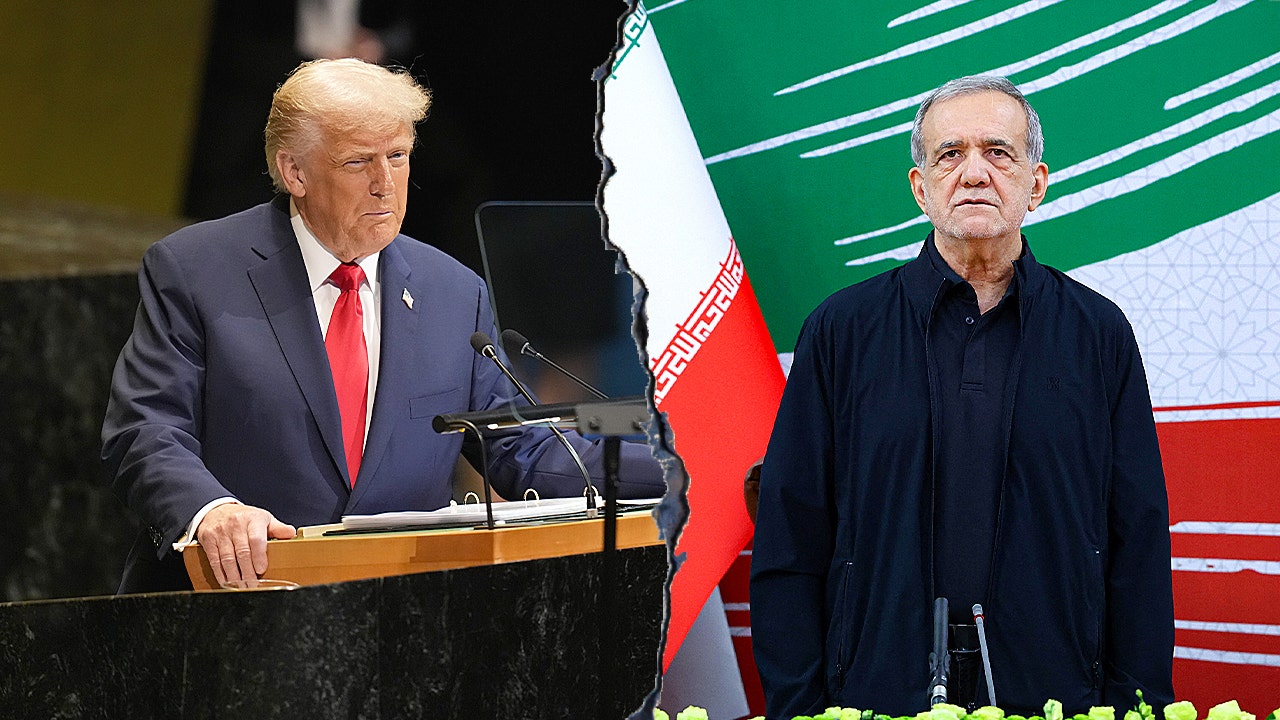
US President Donald Trump met with Chinese President Xi Jinping, where Xi pressed Trump to adopt Beijing's stance against Taiwan independence, which Taiwan rejected outright. Meanwhile, Taiwan is crucial for global tech and economy due to its leading semiconductor production; TSMC alone produces the majority of advanced chips that power smartphones, AI systems, and more. As Stanford Hoover fellow Eyck Freymann noted, economic disruption from a conflict over Taiwan would be severe.
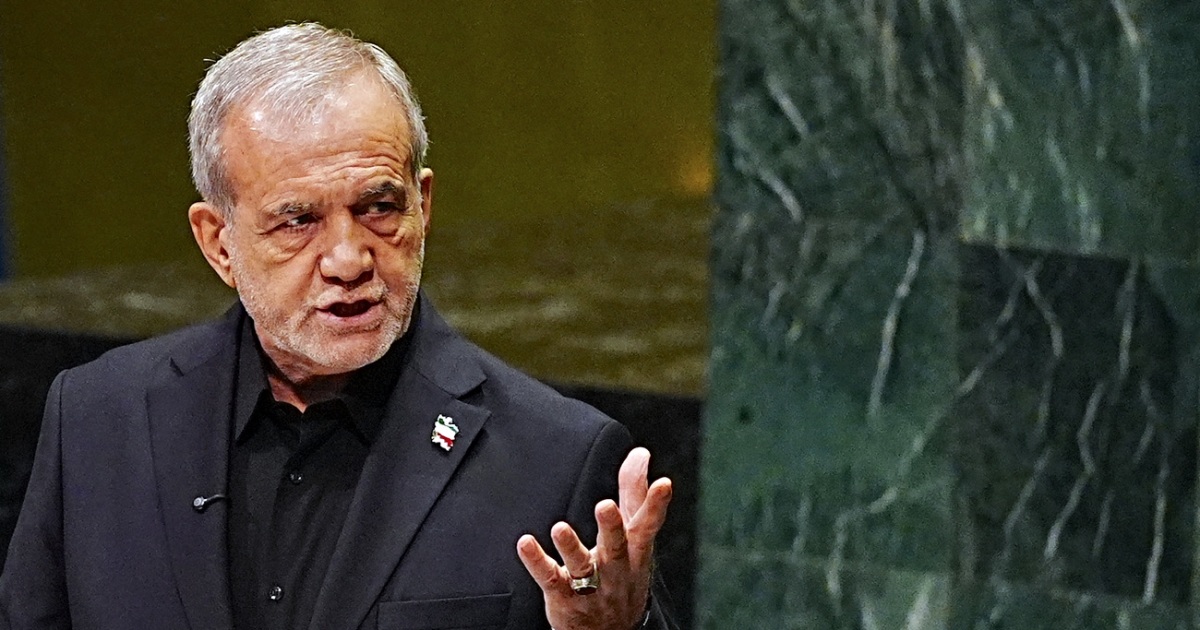
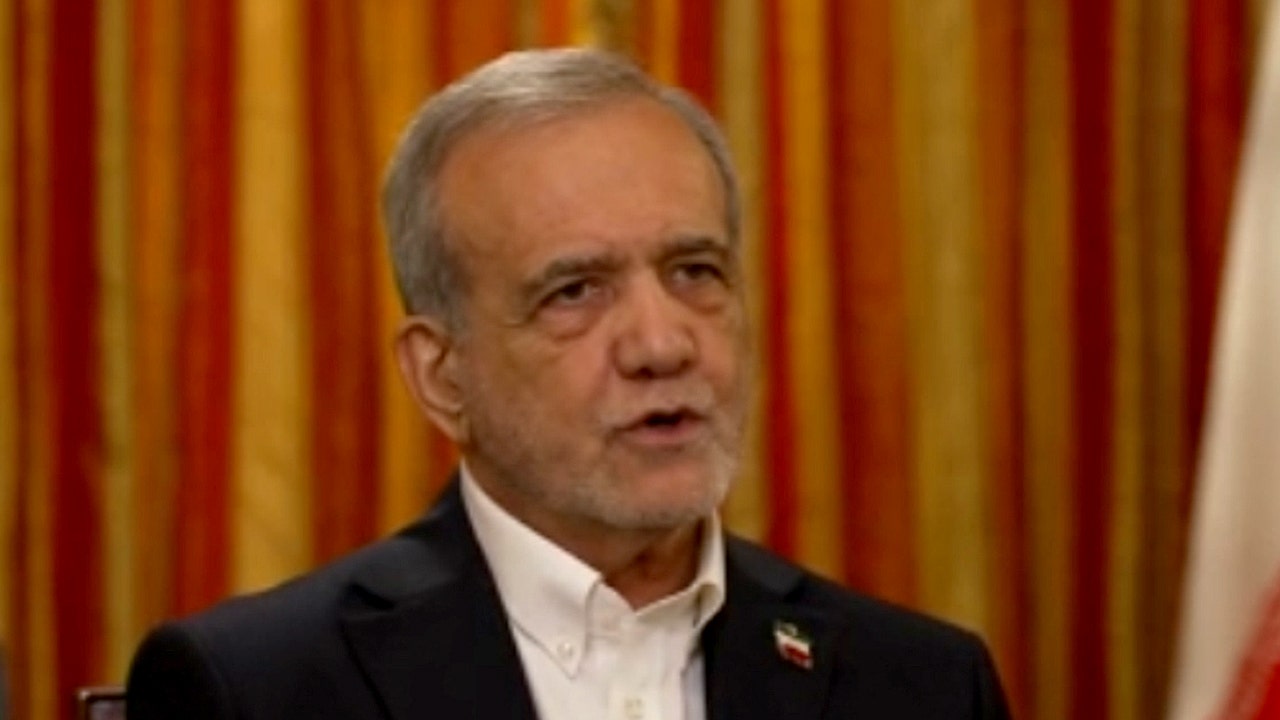
In unrelated developments, Iranian President Masoud Pezeshkian met with US media at the UN General Assembly, where he denied Iran's nuclear ambitions while offering to dilute its enriched uranium and allow inspections under international law. He also blamed Washington for ongoing conflicts in the Middle East. The International Atomic Energy Agency (IAEA) estimates that Iran has over 440 kilograms of uranium enriched up to 60%, raising concerns despite Pezeshkian's denials.
Taiwan's representative, Ambassador Alexander Yui, clarified during an interview on CBS’s "Face the Nation" that while Taiwan was discussed between Trump and Xi, it wasn't a major focus. He emphasized there has been no change in US policy towards Taiwan amid recent tensions with China.
Written for “Taiwan Iran Us Relations Midterms” on 2026-10-05,
grounded in this article and the 386 other(s) covering the same event.
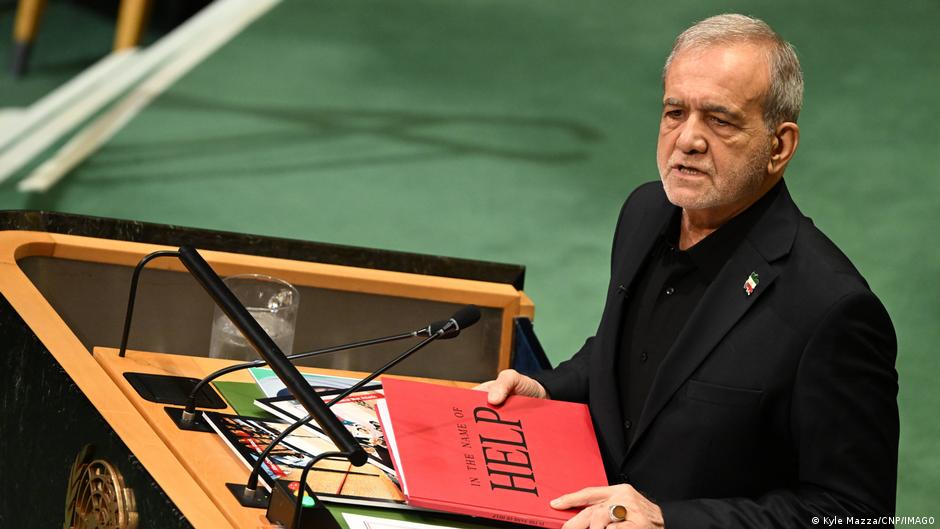
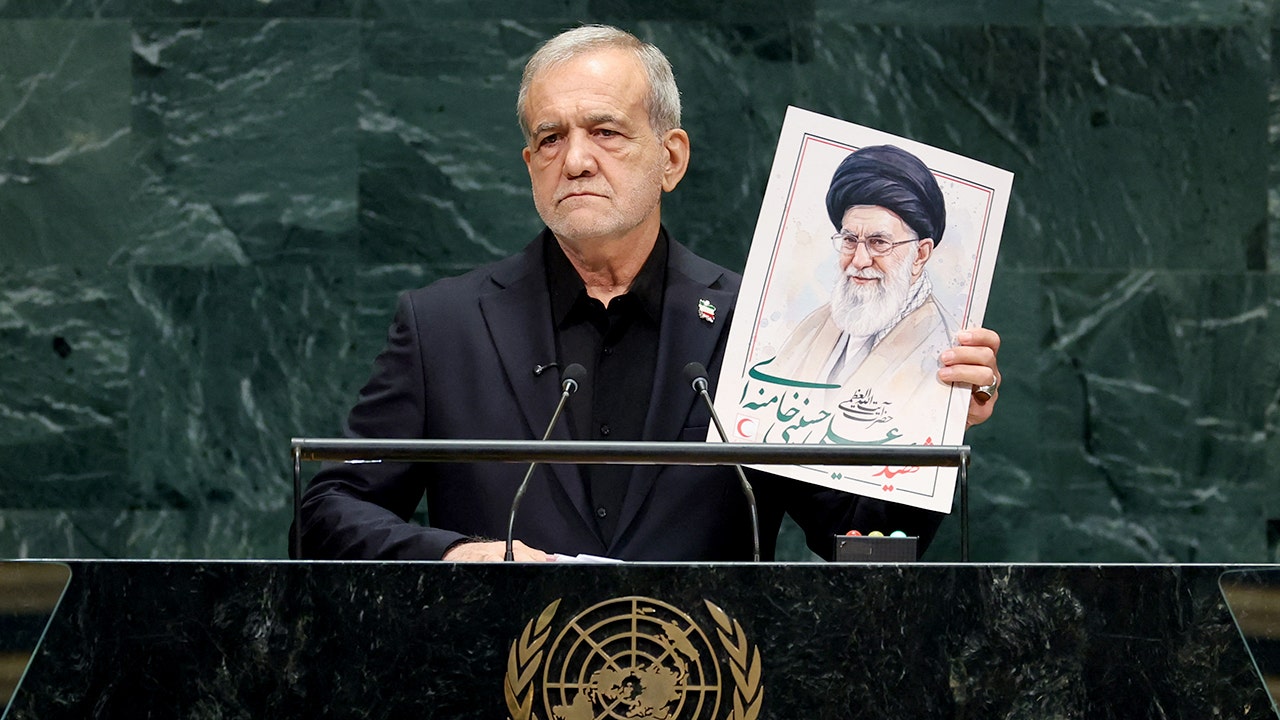
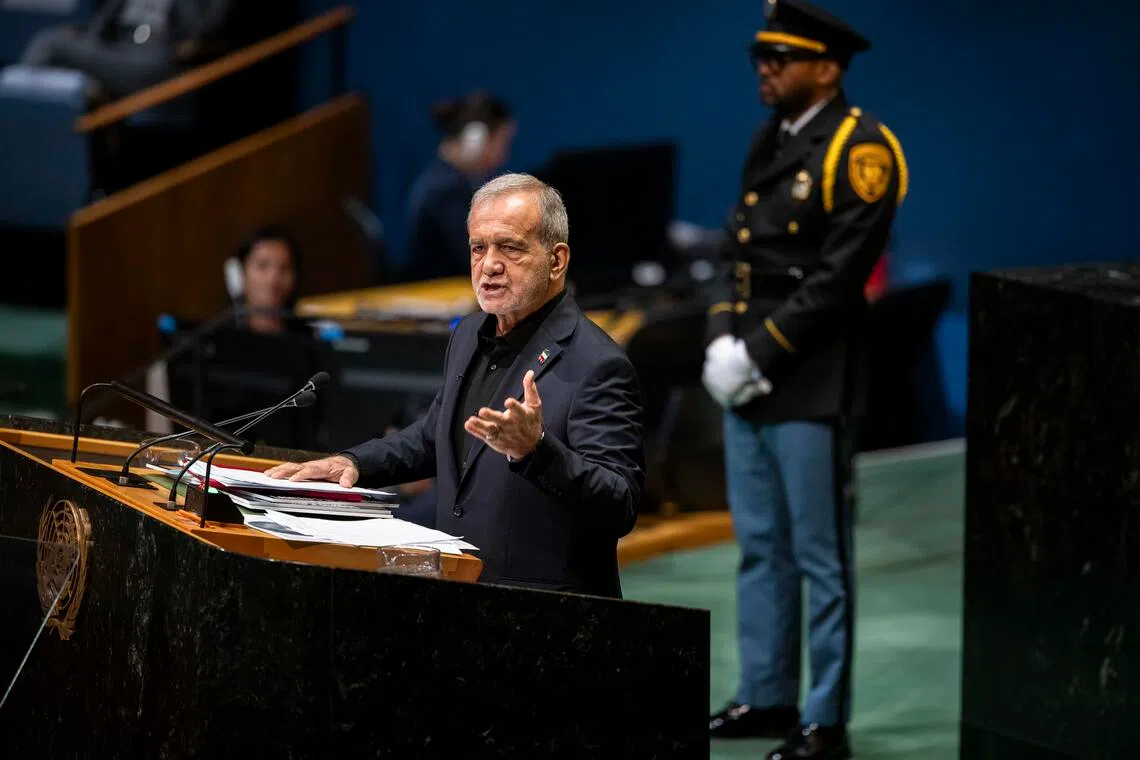
Iranian President Masoud Pezeshkian, who travelled to New York to attend the UN General Assembly, met with American journalists and media representatives.
asserted
who → travel → journalists
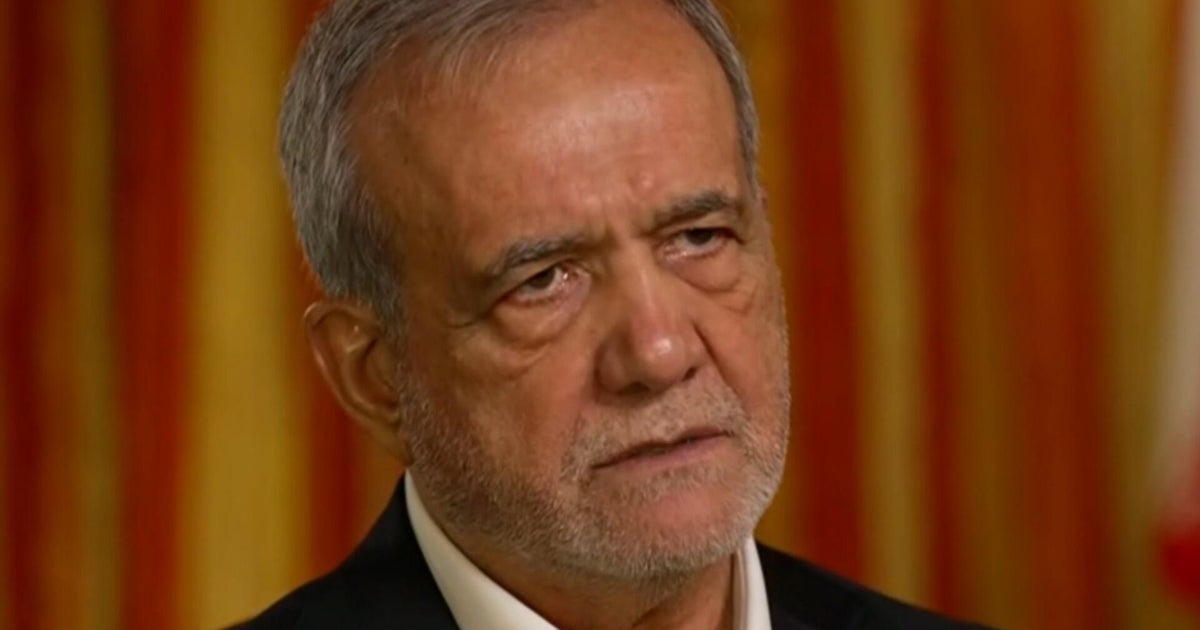
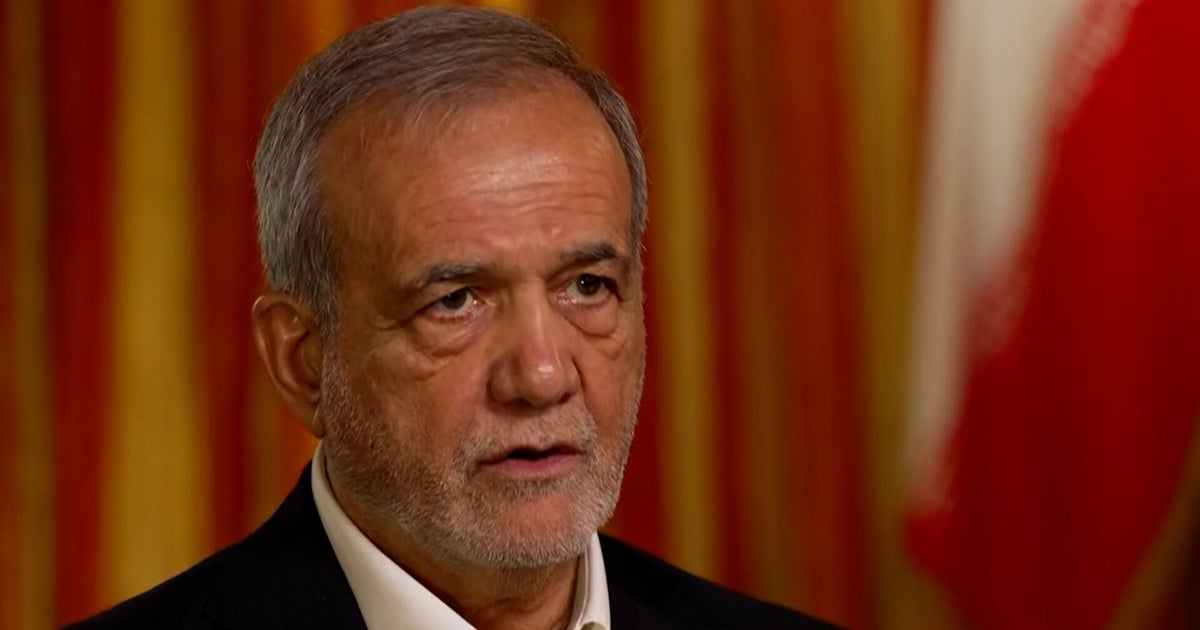
In an interview with the conservative US broadcaster Fox News, he signaled a willingness to make concessions in the nuclear dispute with the United States.
asserted
he → signal → States
Washington has made clear that Iran must never be allowed to possess nuclear weapons.
asserted
allowed → make → weapons
Asked whether Iran was prepared to hand over its highly enriched uranium, Pezeshkian said his country would comply with its obligationsunder international law and the Nuclear Non-Proliferation Treaty.
asserted
country → ask → law
In its most recent assessment, the International Atomic Energy Agency (IAEA), estimated that Iran had more than 440 kilograms of uranium enriched to up to 60%.
asserted
Iran → estimate → %
Since the US-Israeli attacks on Iranian nuclear facilities in 2025, Iran suspended its cooperation with the IAEA.
asserted
Iran → suspend → IAEA
The agency has continued to demand access to Iranian facilities and updated information on its nuclear stockpile and the whereabouts of its nuclear material.
asserted
agency → continue → material
Asked point-blank "Do you want a nuclear bomb or not?" during the exclusive interview on Fox News' "Special Report," Pezeshkian firmly rejected the premise.
asserted
Pezeshkian → ask → premise
Our martyred, esteemed supreme leader had announced several times that, from a religious decree, it is unholy.
asserted
it → martyr → decree
It is illegal," he told Bret Baier, referencing religious edicts issued against weapons of mass destruction.
asserted
he → tell → destruction
Despite Pezeshkians claims, the IAEA has assessed that Iran's fissile material is being enriched far beyond what is needed for civilian use.
uncertain
what → assess → use
A major breakthrough in the conflict between Iran and the United States is not expected anytime soon, Iran expert Arman Mahmoudian, a lecturer in Middle East Studies at the University of South Florida, told DW.
asserted
Mahmoudian → expect → DW
"Pezeshkian does not have the authority to initiate comprehensive de-escalation with the United States.
asserted
Pezeshkian → have → States
In particular, hardliners and the Islamic Revolutionary Guard Corps (IRGC) appear to continue to wield considerable influence over Iran's decision-making process," he added.
asserted
he → appear → process
Nevertheless, Mahmoudian thinks Pezeshkian's visit could help establish a more direct channel of communication between Tehran and Washington.
uncertain
visit → think → Tehran
He also sees the possibility of creating a framework for future negotiations in New York, adding that the two sides could develop a roadmap that would pave the way for more substantive talks and, in the longer term, potentially contribute to de-escalation.
uncertain
that → see → escalation
The White House, meanwhile, confirmed that "positive and constructive" talks were continuing through intermediaries.
asserted
talks → confirm → intermediaries
Iranian Foreign Minister Abbas Araghchi reportedly said that Tehran had presented Washington with a proposal to resume negotiations.
uncertain
Tehran → say → negotiations
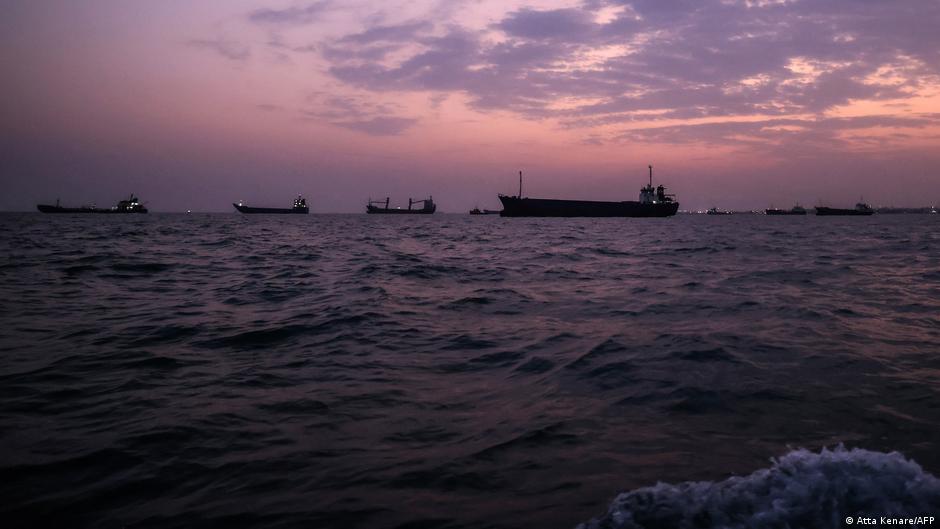
Under the proposal, the strategically important waterway could be reopened within seven days if certain conditions were met.
uncertain
conditions → reopen → days
It remains unclear what those conditions are.
uncertain
conditions → remain → ?
In the past, Iran has demanded the release of frozen Iranian assets, an end to the US blockade of Iranian ports and vessels, and a commitment by Washington not to interfere in Iran's internal affairs.
asserted
Iran → demand → affairs
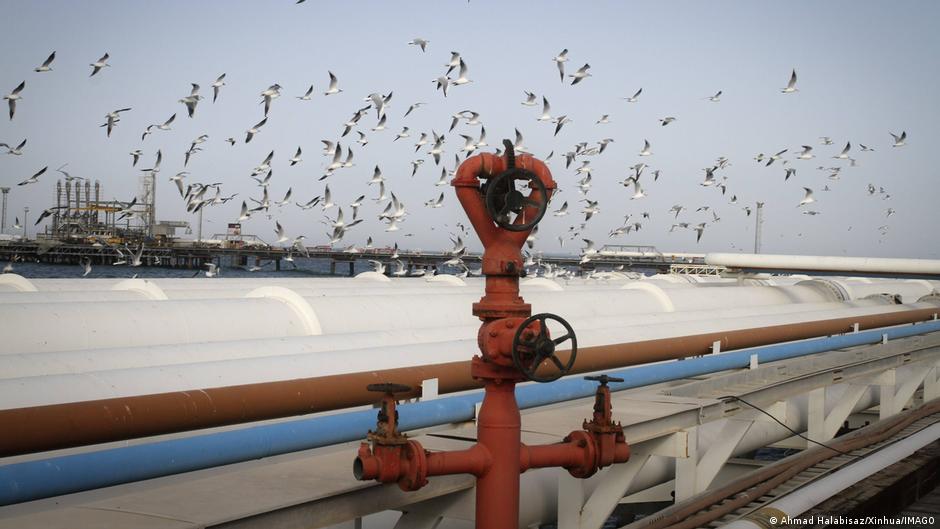
The Strait of Hormuz, through which around 20 million barrels of oil normally pass every day — roughly 20% of global oil consumption — has become one of Iran's most important sources of leverage.
asserted
barrels → pass → leverage
The United States has failed to eliminate all of Iran's capabilities to threaten shipping in the Strait of Hormuz, Kelly Grieco, a senior fellow at the Stimson Center, told DW in July.
asserted
Grieco → fail → July
This is despite the US attacks having caused significant damage to Iran's navy and defense industry.
asserted
attacks → cause → navy
"At a certain point, it becomes really hard to find some of these targets," said Grieco.
asserted
Grieco → become → targets
They're distributed.
asserted
They → distribute → ?
Without a long-term strategy, Grieco warned, the United States could therefore become trapped in a recurring cycle: Iran rebuilds its military capabilities, Washington launches another round of attacks, and the cycle repeats itself.
uncertain
cycle → warn → itself
Nearly seven months after the start of the Iran war, the conflict has also spread to a second strategically important shipping route.
asserted
conflict → spread → route
The Iran-backed Houthi movement has expanded its control over Yemen's Red Sea coast and the strategically important area around the Bab al-Mandab Strait.
asserted
movement → back → Strait
This gives Iran another important lever along major international shipping routes.
asserted
This → give → routes
Mahmoudian expects Iran to continue pursuing a dual strategy of military pressure and diplomacy, saying that Tehran is likely to continue using the Strait of Hormuz as leverage and to prevent a full return to normal shipping traffic.
asserted
Tehran → expect → traffic
"At the same time, Iran will most likely continue rebuilding its military and strategic infrastructure inside the country," he said.
asserted
he → continue → country
"Reports suggest that Iranian authorities are already moving quickly to reconstruct some damaged facilities."
On the diplomatic front, he added that Iran is likely to continue negotiations with the US, either directly or through intermediaries.
asserted
Iran → suggest → intermediaries
Tehran is aware that the current situation, with the continuing threat of military attacks, sanctions and economic pressure, is not sustainable in the long term, Mahmoudian said, adding that Iran will therefore continue to have an interest in reaching a political agreement with Washington.
asserted
Iran → continue → Washington
A deal with Iran will require time and difficult negotiations, US Secretary of State Marco Rubio said in New York on September 23, playing down expectations of a quick agreement.
asserted
Rubio → require → agreement
At the same time, he stressed that President Donald Trump has military options at his disposal alongside the diplomatic route.
asserted
Trump → stress → route
This article was originally published in German.
asserted
article → publish → German
 The Aporia