That is 0 articles you have read today.
The Aporia is free and carries no advertising, so readers are the only
thing paying for it. If you are getting this much out of it, a small
donation is what keeps it independent.
Daily limit reached
You have read 0 articles today.
That is more than the 15 a day The Aporia gives away,
and well past what it can carry on nothing. Your allowance resets at
midnight.
There is no advertising here and nothing about you is sold, so readers
are the only thing paying for it. If the site is worth this much of
your day, it is worth a few dollars.
Everything else stays open: the
maps, the
directory and
search do
not count against this, and neither does re-opening something you have
already read today.
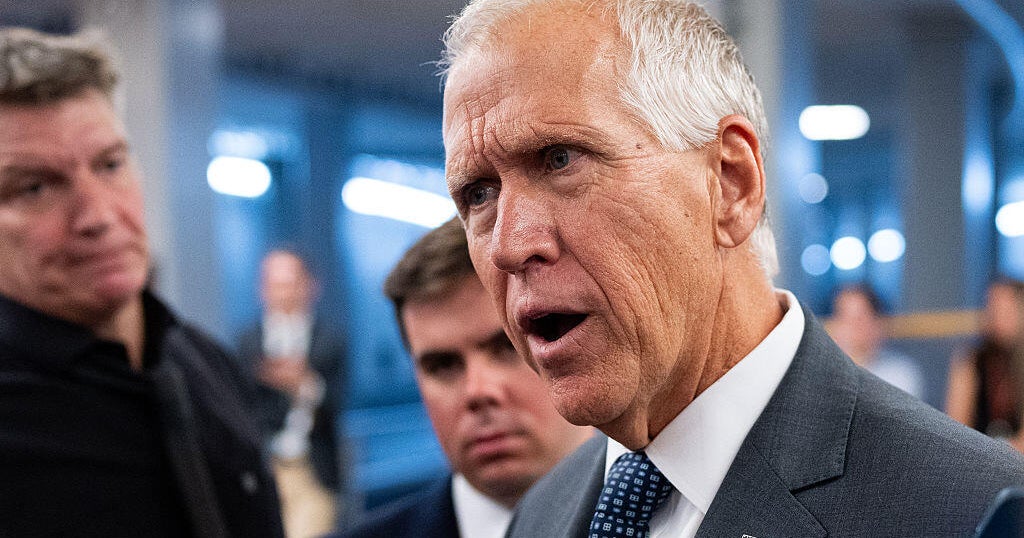
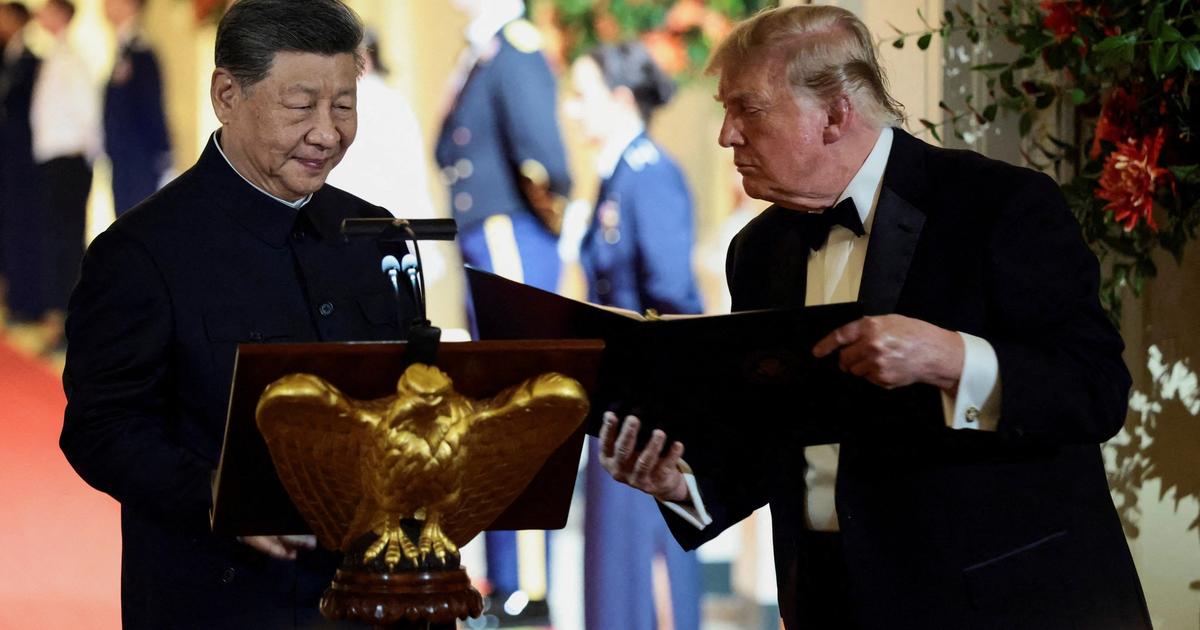
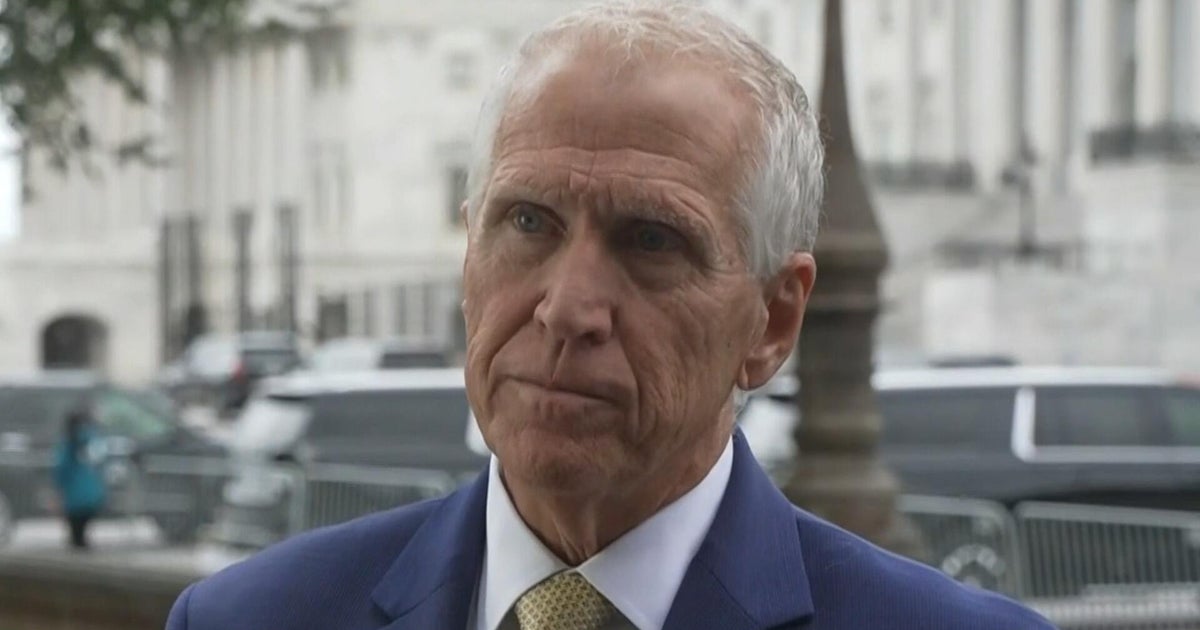
Sen. Thom Tillis criticized President Trump's decision to host Chinese President Xi Jinping at the White House, expressing concern over Trump's preference for spending time with authoritarian leaders rather than democratic counterparts. During an interview on "CBS Evening News," Tillis questioned the timing of the visit, citing China’s human rights abuses and other issues. He also suggested that a significant shift in U.S.-China relations might be based on confidential information not publicly known.
Written locally by qwen2.5:14b on 2026-09-25,
using this article's own text rather than the other coverage of the
same event (that is the story summary below).
Story summary
Before the Xi-Trump summit last week, analysts expected soybeans to be included in tariff-reduced arrangements between China and the U.S., but China excluded them from a tariff-reduction list released on September 28, 2026, despite cutting tariffs on other agricultural goods like corn, wheat, meat, and dairy. This decision disappointed American farmers, such as John Bartman, an Illinois-based soybean farmer who called it "a missed opportunity." U.S. soybeans still face an additional tariff of 10%, which traders say is too high for private crushers to absorb, even as Chinese state buyers have stepped up purchases. Despite this exclusion, both sides agreed to form a trade council to discuss reciprocal tariff cuts on $30 billion worth of products and stabilize economic ties.
Written for “US-China Tariff Cuts Deal” on 2026-10-05,
grounded in this article and the 283 other(s) covering the same event.
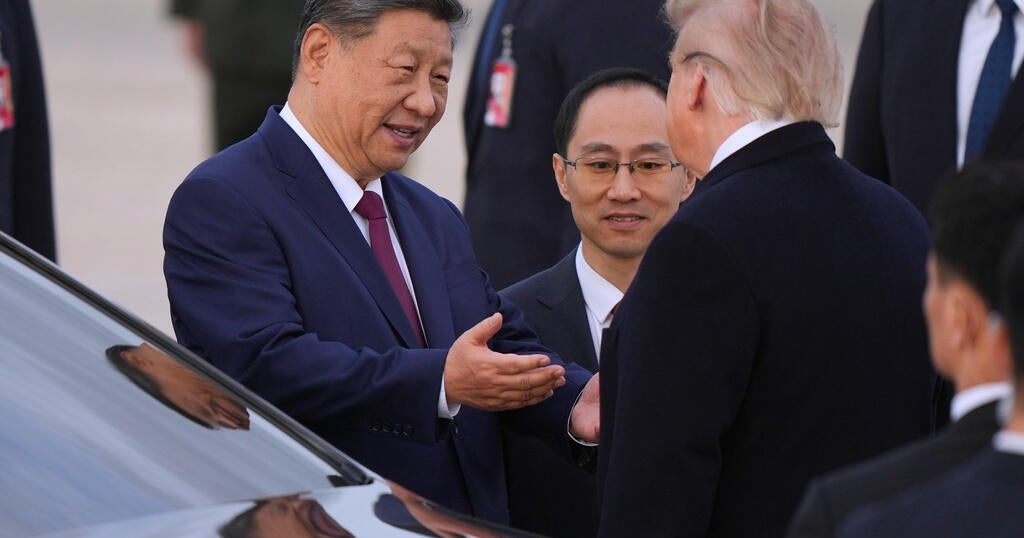
Republican Sen. Thom Tillis questioned President Trump's judgment in hosting Chinese President Xi Jinping for a
at the White House this week, saying he's "worried about the trend of spending more time with despots and less time with democratic leaders of nations.
asserted
he → question → nations
""It's a WTF moment," the retiring North Carolina senator said in an interview with "CBS Evening News" anchor Tony Dokoupil on Thursday about Mr. Trump's red-carpet rollout for Xi compared to the reception that some U.S. allies like
have received.
asserted
allies → retire → reception
"It's not that Xi Jinping is coming here to learn how to become a democratic, capitalist nation.
asserted
Jinping → come → nation
Xi Jinping is trying to understand how his opposition will ultimately embrace their worldview," he said.
asserted
he → try → worldview
Tillis called the visit "bad timing," listing off China's human rights abuses against the Uyghurs, espionage capabilities, arms shipment to Taiwan.
and reports that Iran has used information from China to target U.S. military assets in the region.
asserted
Iran → call → region
Tillis also questioned why the administration has held up an"If we want to build a relationship, a productive relationship with Xi Jinping and China, we also have to hold him accountable for things that are just simply unacceptable," Tillis said.
asserted
Tillis → question → things
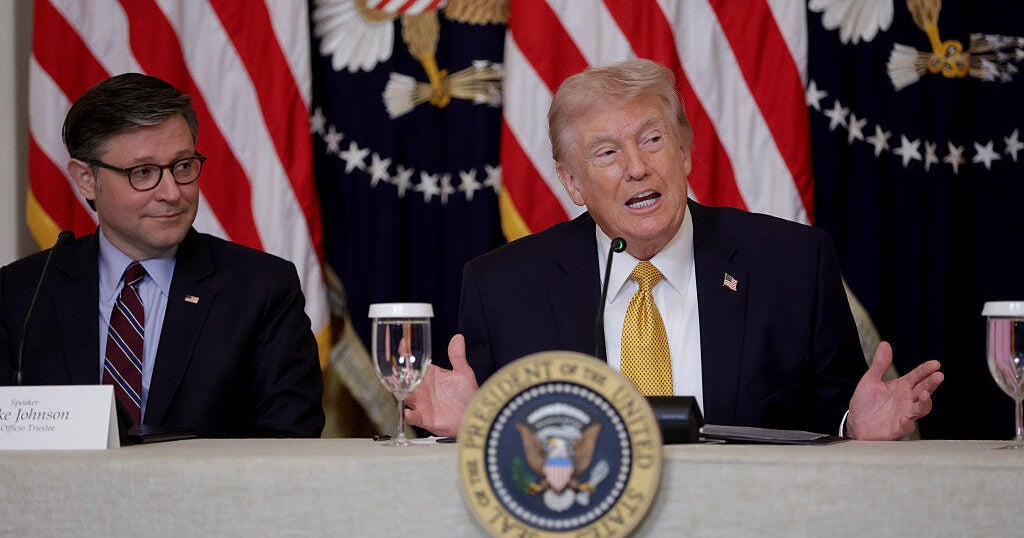
Shortly after returning to office last year, Mr. Trump imposed heavy tariffs on Chinese goods, leading to a trade war that briefly caused both countries to hike duties on each other's goods to more than 100%.
asserted
countries → return → %
The U.S. and China struck a tariff truce later in 2025, and since then, Mr. Trump has emphasized that he hopes to have a more productive relationship with China.
asserted
he → strike → China
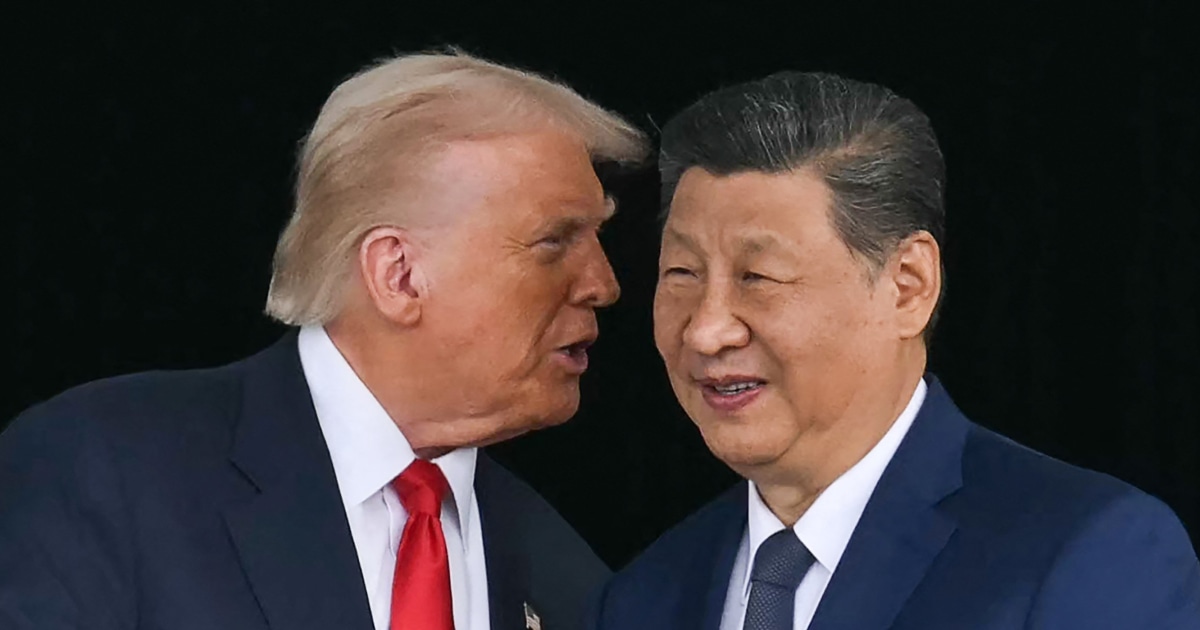
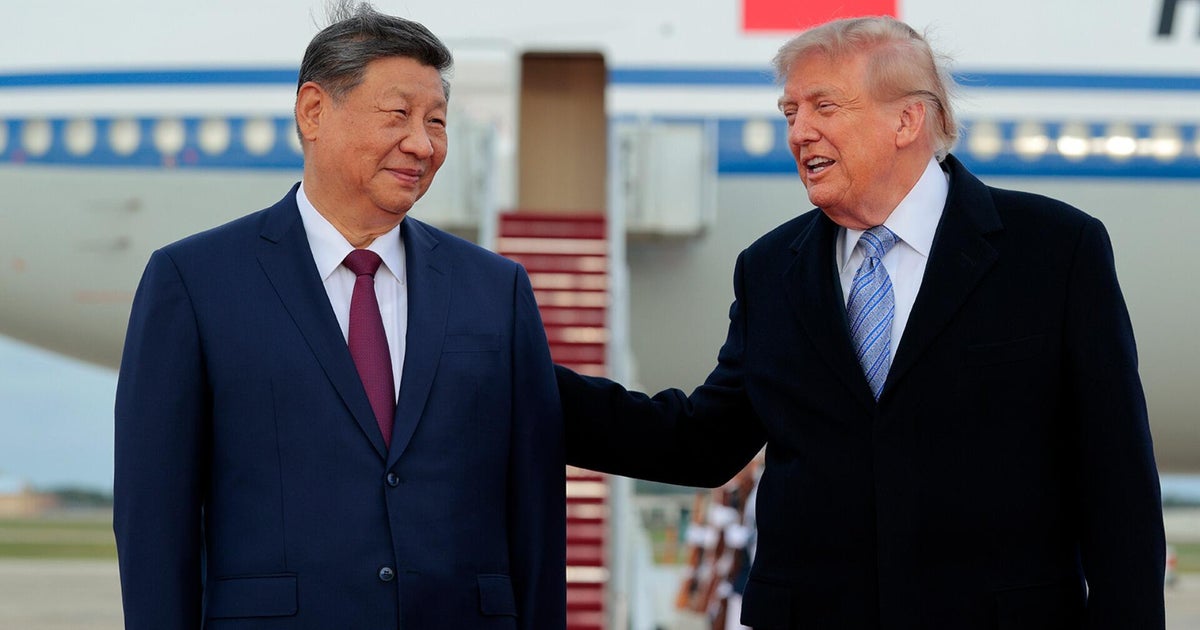
During a White House arrival ceremony earlier Thursday, he
he and Xi had forged a "truly great friendship.
asserted
he → forge → friendship
"Tillis pointed to Mr. Trump's campaign promise of vowing to go hard on China, and questioned whether there was "confidential" information that could explain the switch-up.
uncertain
that → point → up
"The reality is, he was tough on China," he said, later adding, "I just don't know what has changed.
asserted
what → say → China
Whatever has changed had to have been at a confidential level, because I haven't seen any public basis for the sea change that we see right now in our posture towards China."
asserted
we → change → China
 The Aporia