It is difficult enough to predict what will happen next month, let alone 40 years from now.
asserted
what → predict → ?
All the same, for the past quarter of a century, every five or so years Australian governments have sought to project where the nation is heading, along with the challenges and opportunities that may present themselves.
uncertain
that → seek → themselves
For, in many ways, it is just as instructive to figure out why previous forecasts missed the mark, delivering valuable insights as to how best to approach the future.
asserted
forecasts → figure → future
This latest report, the seventh since 2002, has arrived at a seminal moment in history.
asserted
report → arrive → history
The first European war since 1945 has not only pitted Russia against the US and Europe, it has caused a growing schism in the NATO alliance, driven in large part by a capricious US president with little regard for the institutions that have underpinned Western democracy.
That's been exacerbated by a calamitous war in the Middle East that has reignited an energy crisis and acted as a catalyst for a looming global economic crisis.
The US dollar's long-standing position as the global reserve currency has been damaged by America's rapidly expanding debt and its use of financial sanctions, while its decision to punish trading partners has caused widespread discontent.
asserted
decision → pit → discontent
That, in turn, has brought a half-century-long decline in interest rates to an end.
asserted
That → bring → end
Money is now likely to be more expensive as defence-oriented nations compete with industry — particularly the artificial intelligence giants — for funds.
asserted
nations → orient → funds
Growing old, not so gracefully
What will Australia look like in 40 years?
asserted
Australia → grow → years
At an estimated 40 million, the population will be much bigger but much older, the nation will be more indebted and with what increasingly appears to be a permanent budget deficit.
asserted
what → estimate → million
Demographics play a vital role in shaping an economy.
asserted
Demographics → play → economy
A country with an aging population has a smaller proportion of workers to shoulder the cost of looking after those in their advancing years.
asserted
country → age → years
That squeezes national tax income coupled with a greater cost burden associated with higher health care and aged care.
asserted
That → squeeze → care
Like many developed countries, fertility rates in Australia are low and shrinking.
asserted
rates → develop → Australia
According to the projections in the report, more Australians will die than will be born in 2066.
uncertain
Australians → accord → 2066
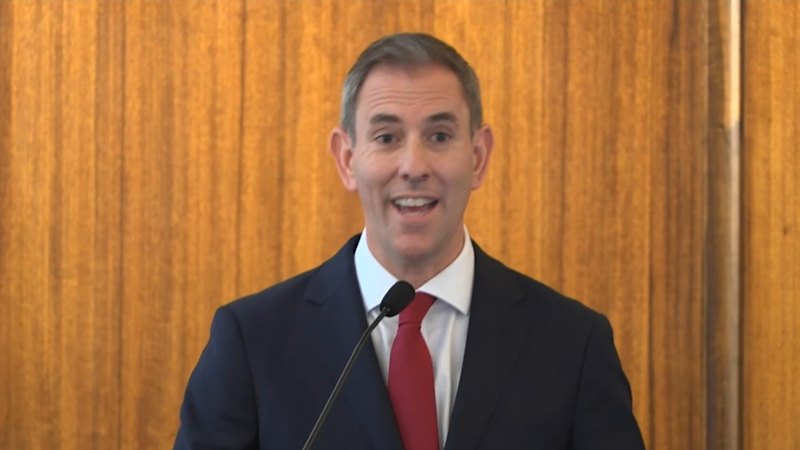
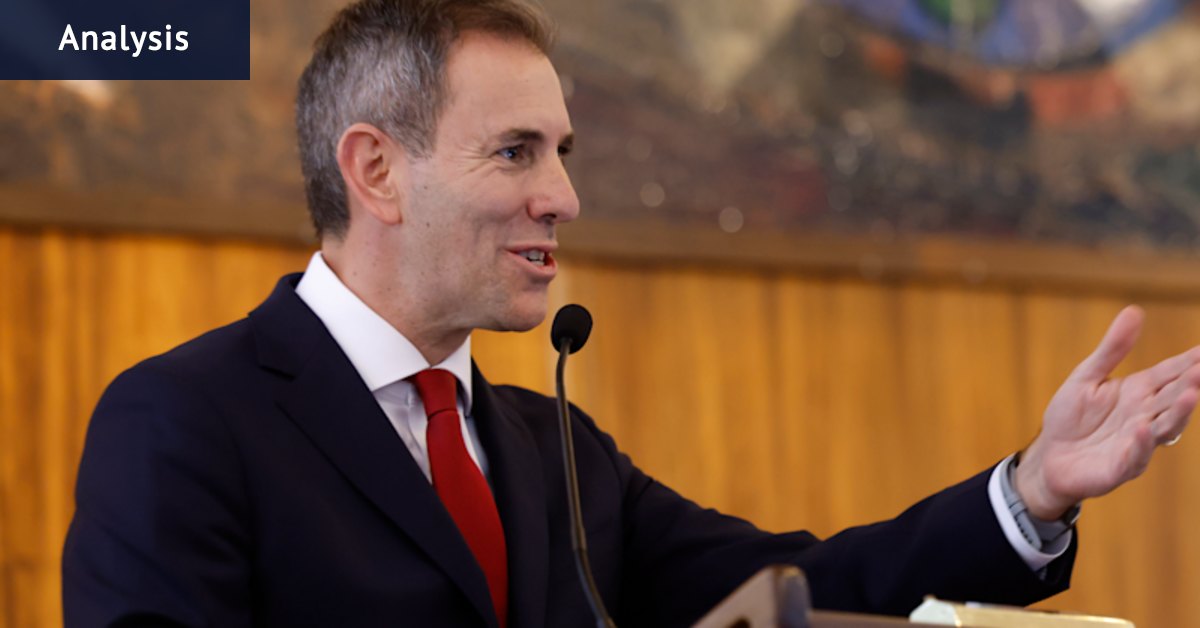
As Treasurer Jim Chalmers pointed out at a speech yesterday at the Australian National University, many advanced economies have already surpassed that point, and most of the rest are expected to within the next few decades.
asserted
most → point → decades
The population, however, will continue to grow as new arrivals make up for the downturn in Australian births, but at a more modest pace than in the past 20 years as immigration rears as a hot political issue.
asserted
immigration → continue → issue
As this graph from the 2026 Intergenerational Report shows, without immigration, the population would shrink, creating a whole new raft of problems.
asserted
population → show → problems
Add into this volatile mix a new technology that looks set to revolutionise the workplace and perhaps even life as we now know.
asserted
we → add → workplace
Exactly what artificial intelligence will deliver is anyone's guess.
asserted
deliver → deliver → what
The more optimistic among us hope for higher standards of living.
asserted
optimistic → hope → living
The government hopes it will deliver a kickstart to Australia's chronic productivity growth problem, which has declined to zero.
asserted
which → hop → zero
In the document, Treasury estimates a dramatic recovery in productivity as the technology weaves its way through Australian workplaces.
asserted
technology → estimate → workplaces
How we created a productivity crisis
Population and productivity are closely intertwined.
asserted
Population → create → crisis
For more than 20 years, governments of both persuasions papered over the cracks in our economy by importing people.
asserted
governments → paper → people
It made it appear as though our economy was on a one-way trip to nirvana.
asserted
economy → make → nirvana
But what the pollies didn't do was invest in infrastructure to cope with such a monumental and sudden burst in population.
asserted
do → invest → population
And now we are paying the price with cities that barely function with inadequate public transport, health systems and schools.
asserted
that → pay → transport
In addition, our businesses held off on investment, preferring instead to dole out profits to shareholders and push stock prices higher.
asserted
businesses → hold → prices
Housing shortages coupled with tax arrangements that diverted investment funds into suburban house flipping ventures, instead of productive activities, pushed up the cost of putting a roof over your head and drained household incomes.
The data was there all along.
asserted
data → couple → incomes
The GDP pie kept getting bigger, right through from the first Intergenerational Report in 2002.
asserted
pie → keep → 2002
But divide it by the growing number of people and you suddenly realise that everyone's share of the pie was shrinking.
The amount of investment in technology and infrastructure per worker has declined.
asserted
amount → divide → worker
But unless it is fixed, our living standards are likely to stall and possibly fall.
uncertain
standards → fix → ?
Why younger generations are losing faith
asserted
generations → lose → faith
During the past three decades, Australian households have grown richer.
asserted
households → grow → decades
On average, real net household wealth has grown from $500,000 in 1993 to more than $1.3 million in 2019/20.
But dig down into the data, and it becomes clear that those gains aren't evenly shared and that younger generations have missed out.
asserted
generations → grow → data
This graph from the report shows that those born in the 1950s did substantially better than those from the 1940s.
asserted
those → show → 1940s
Those born in the 1960s did even better.
asserted
Those → bear → 1960s
But for those born from the 1970s on, the gains were smaller, if there were any at all.
asserted
gains → bear → 1970s
That's because older households have ridden a property boom unlike any other in history in terms of longevity.
asserted
households → ride → longevity
Those born in later decades were forced to buy in at prices that had grown twice as fast as earnings since the turn of the century.
asserted
that → bear → century
…and 6 more, not listed.
 The Aporia