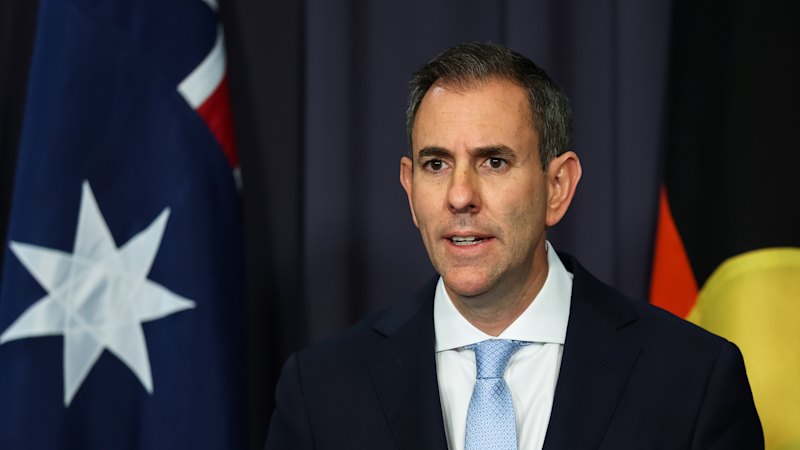
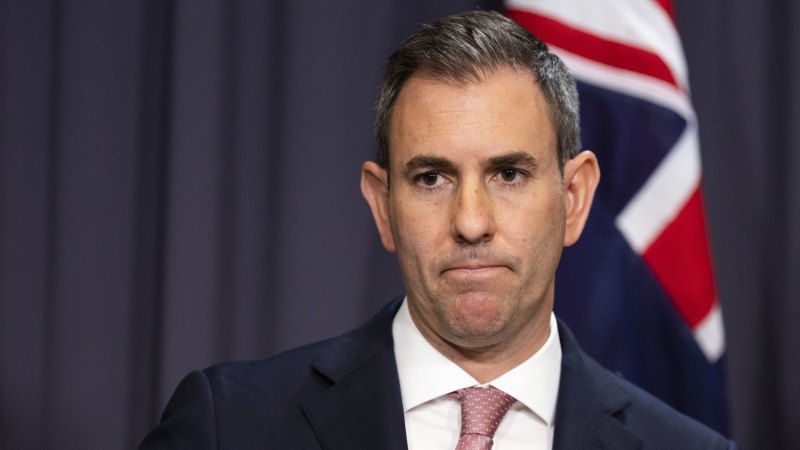
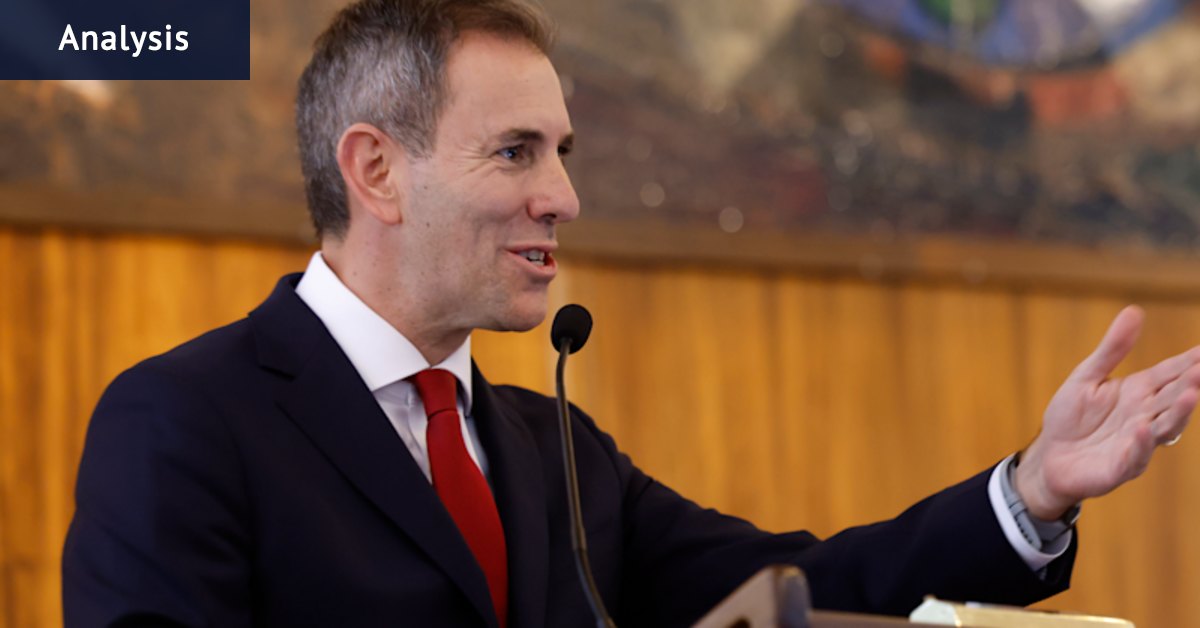
Treasurer Jim Chalmers is set to release Australia's seventh intergenerational report on Monday, which will include forecasts for the next 40 years. The report highlights the government’s recent tax reforms and suggests potential for further tax cuts in future budgets. It also warns of significant demographic challenges such as a declining fertility rate, projecting that it could fall to just 1.34 children per woman by 2066 from the current 1.48.
Written locally by qwen2.5:14b on 2026-09-20,
using this article's own text rather than the other coverage of the
same event (that is the story summary below).
Story summary
Treasurer Jim Chalmers is set to release Australia's seventh Intergenerational Report (IGR) on Monday, forecasting that by 2066, Australia’s population will reach nearly 40 million people with longer life expectancies but lower fertility rates. The IGR outlines significant economic challenges due to an aging population and declining birthrates, emphasizing the critical role of migration in maintaining workforce growth.
Chalmers has hinted at potential further tax cuts for workers as part of his plan to address these long-term issues, suggesting that recent budget improvements have created room for additional relief. However, critics argue that while borrowing less than previously expected is positive, it does not equate to having surplus funds available for such measures without sustainable funding from spending restraint or alternative revenue sources.
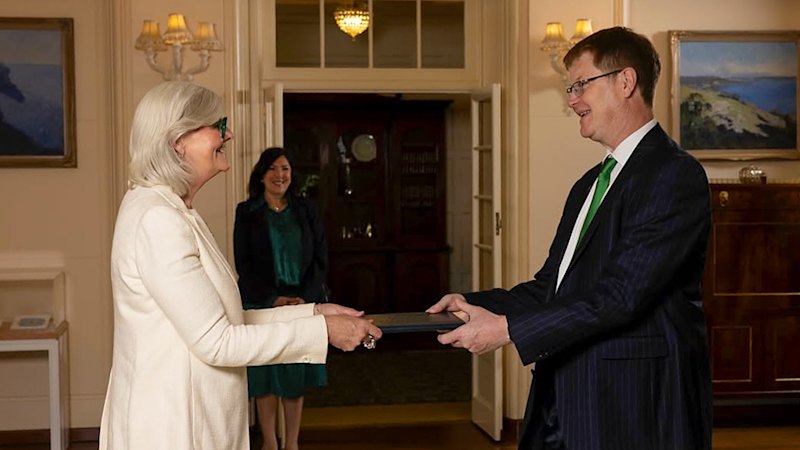
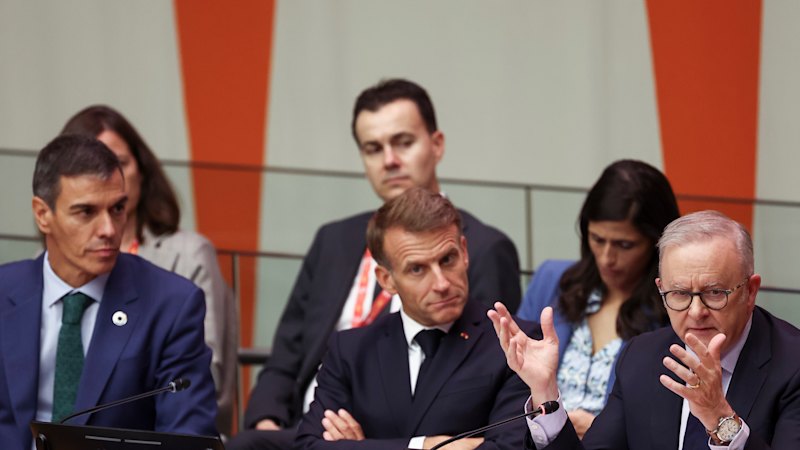
The report also highlights the need for policy decisions today to prepare future generations for technological advancements like AI and to address geopolitical uncertainties in a more fragmented world. Prime Minister Anthony Albanese has been pushing for global cooperation on AI regulation during his visit to the United States, where he announced Siobhan McKenna as Australia's next Consul-General in New York, despite concerns about her past ties with News Corp. The announcements come amid efforts by the Australian government to secure a two-year term on the UN Security Council.
Written for “Australia's Economic Future Challenges” on 2026-10-05,
grounded in this article and the 18 other(s) covering the same event.
Treasurer Jim Chalmers has flagged a desire to deliver Australians a fresh round of tax cuts as he prepares to release a 40-year economic forecast that he warns will contain confronting findings about the nation’s future.
asserted
he → flag → future
Chalmers will release the seventh intergenerational report on Monday as the Coalition promises to cut fuel costs when global prices spike in a bid to appeal to voters concerned about the cost of living, a move slammed by the government as economically irresponsible.
asserted
prices → release → government
The intergenerational report, which forecasts how the nation’s economy and population will develop over the next four decades, will say this year’s budget lowered the tax burden on working-age Australians and it will float opportunities for further tax cuts.
asserted
it → forecast → cuts
“Combined, the government’s tax reforms will rebalance the tax system and reduce the tax burden on workers,” the report will say, according to excerpts distributed by Chalmers’ office.
uncertain
report → combine → office
“By the end of the medium term, the share of personal income tax burden on workers is expected to be 2 percentage points lower than it would have been without reform.
asserted
it → expect → reform
“Over time, this share is expected to fall further as an increasing share of property investment and capital gains will become subject to the new tax settings.
asserted
share → expect → settings
“In addition, the government’s efforts to improve the budget position have created more room to provide further tax relief in future budgets.”
asserted
efforts → improve → budgets
Chalmers said: “People are under pressure, which is why we’ve delivered multiple rounds of income tax cuts, including tax cuts targeted specifically to workers.
asserted
we → say → workers
“At the same time, we’ve improved the budget position, which has created more room for tax cuts into the future.
asserted
which → improve → future
This year’s budget contained a new tax offset of $250, to begin next July, and reduced the tax rate for those in the lowest tax bracket.
Independent economist Saul Eslake said the prospect of more tax cuts was “plausible” but he said he was concerned that estimates of improved debt and deficit figures were based on “fanciful” assumptions of productivity improvements that were unlikely to be delivered.
Chalmers told reporters on Sunday the report would contain some “confronting” findings and that it would show “that we are dealing with serious risks to our economy and serious pressures on the budget, but that we’ve got substantial advantages as well”.
The report will reveal that the nation’s fertility rate will drop dramatically over the next 40 years.
asserted
rate → contain → years
The government forecasts the number of children born to the average woman will decline to just 1.34 by 2066, down from 1.48 currently.
asserted
number → forecast → 1.48
Fertility has remained below the replacement rate of 2.1 children per woman for about 50 years, leaving governments few options other than increasing overseas migration to fuel economic growth.
asserted
Fertility → remain → growth
Chalmers will say in his speech launching the report: “The world is becoming more dangerous, more unpredictable, more unequal and more divided.
asserted
world → say → report
Excerpts released over the weekend show life expectancy at birth is forecast to reach almost 90 for women by 2066, up from about 86 years now, while life expectancy for men is expected to rise from 82 to 86 over the next four decades.
asserted
expectancy → release → decades
The report will say that artificial intelligence will be the “defining influence” on the economy over the next four decades.
asserted
intelligence → say → decades
Chalmers says the new tech will come with “very substantial risks”.
asserted
tech → say → risks
Opposition treasury spokesman Tim Wilson said the government had attacked aspiration by scrapping negative gearing and cutting the capital gains tax discount for future investors.
asserted
government → say → investors
“Jim Chalmers is kneecapping young Australians before they get their first foot on the ladder of opportunity with higher rents and inflation outstripping wealth and wages,” he said.
asserted
he → kneecap → wealth
“Young Australians are already struggling to save for a home, invest and build something of their own.
asserted
Australians → struggle → own
Now Labor is hitting them with higher taxes on housing, investments and small and family businesses.
asserted
Labor → hit → housing
“No one believes the treasurer’s spin even if he repeats it 50 times over because Australians are living the biggest drop in living standards in the advanced world.
asserted
Australians → believe → world
“
Opposition Leader Angus Taylor on Sunday released a plan, called the fuel price shield, that would halve the fuel excise when the global price of Brent crude oil averages $US100 a barrel over two weeks, slashing around $15 off the average tank of petrol.
asserted
price → release → petrol
“The fuel price shield would provide certainty.
asserted
shield → provide → certainty
When a serious oil shock hits, the tax comes down automatically.
asserted
tax → hit → ?
When oil prices return to more normal levels, the ordinary rate is restored,” Taylor said.
asserted
Taylor → return → levels
Chalmers rubbished the fuel policy as “uncapped and unfunded”, telling News24’s Sunday Agenda that the policy was aimed at winning back voters from One Nation.
“I think what we’ve seen overnight from Angus Taylor is more about polling numbers than petrol prices,” Chalmers said.
asserted
Chalmers → rubbish → prices
 The Aporia