That is 0 articles you have read today.
The Aporia is free and carries no advertising, so readers are the only
thing paying for it. If you are getting this much out of it, a small
donation is what keeps it independent.
Daily limit reached
You have read 0 articles today.
That is more than the 15 a day The Aporia gives away,
and well past what it can carry on nothing. Your allowance resets at
midnight.
There is no advertising here and nothing about you is sold, so readers
are the only thing paying for it. If the site is worth this much of
your day, it is worth a few dollars.
Everything else stays open: the
maps, the
directory and
search do
not count against this, and neither does re-opening something you have
already read today.
Iran issued a warning to the United States and its allies against any new attacks, citing intelligence about potential plans for such actions, as tensions escalate in the Middle East following recent drone and missile strikes on Saudi Arabia. The U.S. State Department responded with a security alert advising Americans of possible risks due to unforeseen escalation in the region, amid ongoing conflicts between Iran-backed Houthis and Saudi forces in Yemen that threaten global energy markets and shipping routes.
Written locally by qwen2.5:14b on 2026-09-20,
using this article's own text rather than the other coverage of the
same event (that is the story summary below).
Story summary
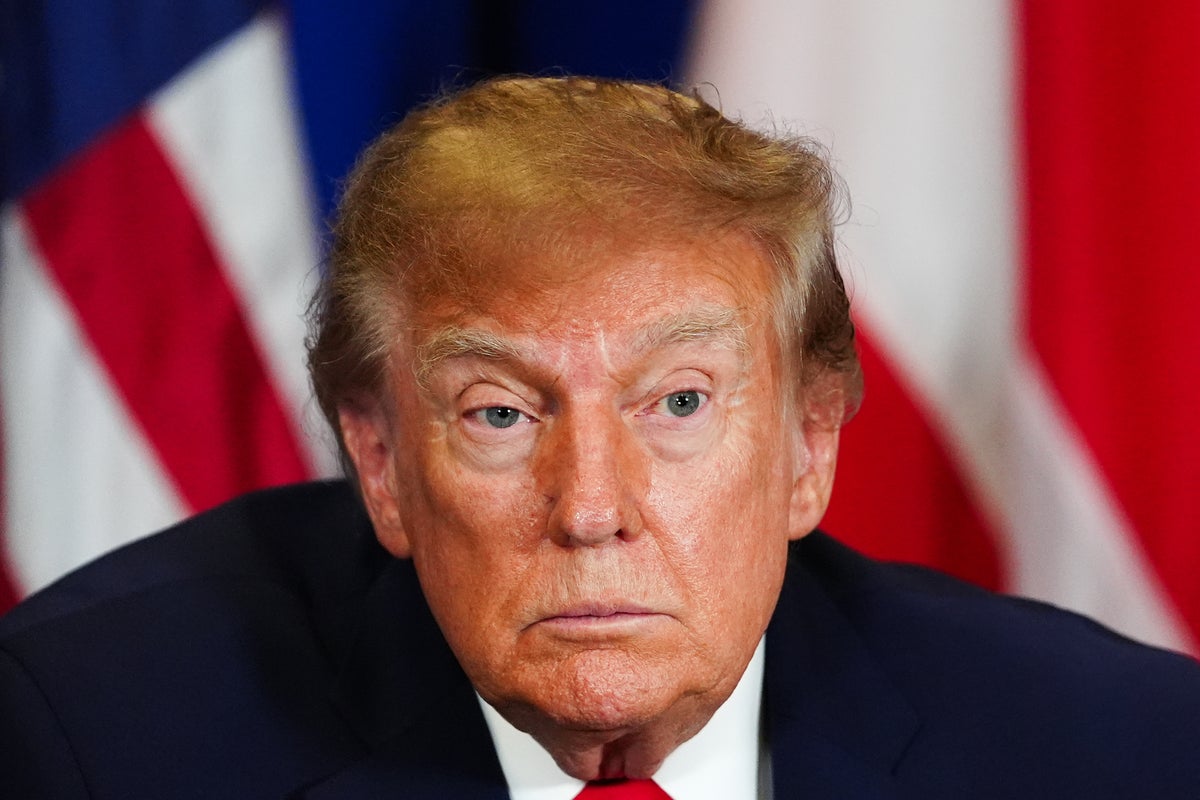
US President Donald Trump met with Chinese President Xi Jinping, where Xi pressed Trump to adopt Beijing's stance against Taiwan independence, which Taiwan rejected outright. Meanwhile, Taiwan is crucial for global tech and economy due to its leading semiconductor production; TSMC alone produces the majority of advanced chips that power smartphones, AI systems, and more. As Stanford Hoover fellow Eyck Freymann noted, economic disruption from a conflict over Taiwan would be severe.
In unrelated developments, Iranian President Masoud Pezeshkian met with US media at the UN General Assembly, where he denied Iran's nuclear ambitions while offering to dilute its enriched uranium and allow inspections under international law. He also blamed Washington for ongoing conflicts in the Middle East. The International Atomic Energy Agency (IAEA) estimates that Iran has over 440 kilograms of uranium enriched up to 60%, raising concerns despite Pezeshkian's denials.
Taiwan's representative, Ambassador Alexander Yui, clarified during an interview on CBS’s "Face the Nation" that while Taiwan was discussed between Trump and Xi, it wasn't a major focus. He emphasized there has been no change in US policy towards Taiwan amid recent tensions with China.
Written for “Taiwan Iran Us Relations Midterms” on 2026-10-05,
grounded in this article and the 386 other(s) covering the same event.
Claims extracted
16
claim-shaped sentences
Uncertain
6%
1 of 16 hedged
Leaning
Leans left
of the writing, not the subject · beta estimate
Correction & hedging signals
64.4
corrections and hedging in what we collected;
not a measure of accuracy
Outlets on this story
387
Politics
Narrative spread
1
articles carrying this framing
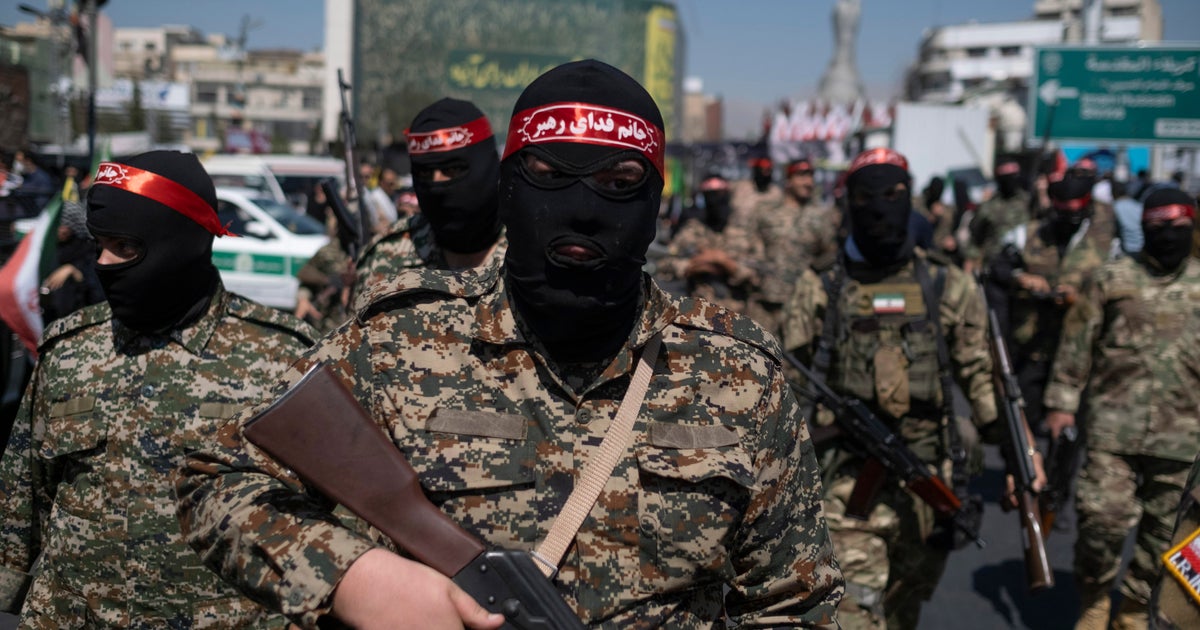
Iran warned on Sunday against any big new attack by the United States and its allies, saying it had information such a move was being prepared, adding to the anxiety in a region already on edge after drone and missile strikes on Saudi Arabia.
asserted
move → warn → Arabia
Iran’s military central command said on state media that any new attack would trigger sustained retaliation against US bases and interests, and that Washington’s regional allies would be considered parties to the conflict.
asserted
allies → say → conflict
It did not elaborate on the information it said it had about a coming US attack.
asserted
it → elaborate → attack
The US State Department issued a security alert on Saturday saying there was potential for unforeseen escalation in the Middle East and Americans should exercise more vigilance and be aware of possible flight cancellations and airspace closures.
asserted
Americans → issue → cancellations
Nearly seven months into the US-Iran war, neither side has looked ready to make major concessions needed to end the fighting and with global energy markets already stretched, the conflict continues to spill over into other crises around the region.
asserted
conflict → look → region
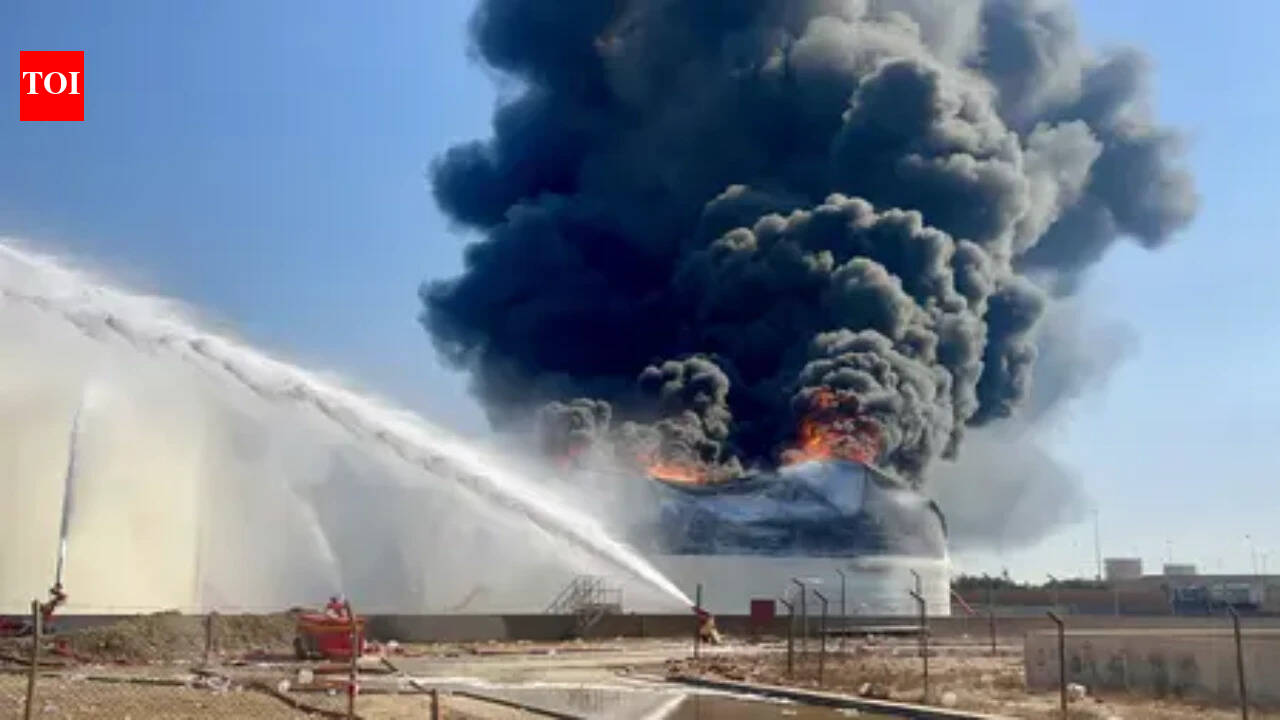
On Saturday, Yemen’s Iran-backed Houthis, who made major advances along Yemen’s Red Sea coast after the country’s civil war reignited this month, said they had carried out strikes in the Saudi capital Riyadh and on a major oil facility in the kingdom’s Red Sea port of Yanbu.
asserted
they → back → Yanbu
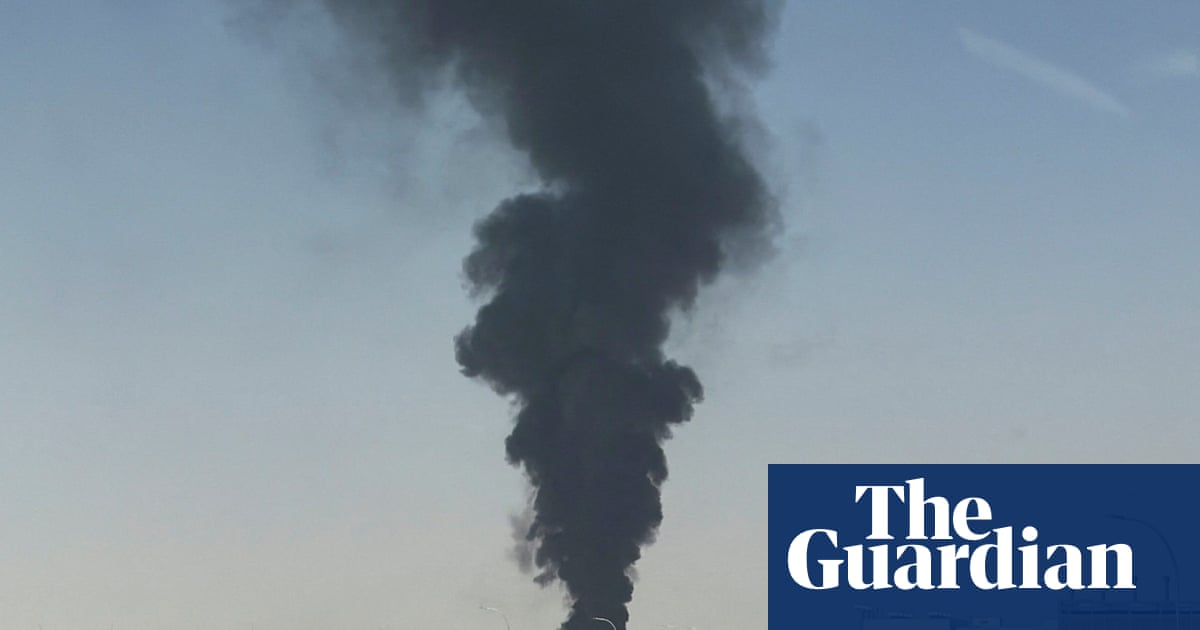
Reuters video showed a massive plume of black smoke billowing from the area of Riyadh’s main international airport after booms were heard in the Saudi capital overnight.
asserted
booms → show → capital
Saudi Arabia did not comment on the incident or the Houthi claims, though a Saudi-led coalition fighting the Houthis said it had foiled other attacks on the kingdom.
uncertain
it → comment → kingdom
The US State Department alert cited Houthi hostilities against Saudi Arabia, including civilian airports.
asserted
alert → cite → airports
The US Department of Defense did not immediately respond to a Reuters request for comment on Iran’s statement that it had information about a coming US attack.
asserted
it → respond → attack
Recent escalation by the Houthis has forced Riyadh into a painful dilemma: continue airstrikes on the group to stop it seizing more Yemeni territory or step back in the hopes of averting drone strikes on critical infrastructure.
asserted
it → force → infrastructure
The Houthi gains along the coast mean the group’s forces now sit on the Bab el-Mandeb Strait, giving them easier control over shipping traveling between the Red Sea and Asia and the ability to blockade the crucial waterway.
asserted
forces → mean → waterway
With Iran already having blockaded most shipping in the Strait of Hormuz, the oil-rich Gulf’s energy exports are now almost entirely cut off from global markets, adding to pressure on global oil prices.
A US blockade of Iranian ports is meanwhile stopping Iran from selling its own oil, contributing to major problems in the Islamic Republic’s economy.
asserted
blockade → blockade → economy
With the war inflicting painful damage on all sides, however, there is little sign of a return to the interim ceasefire agreement that was struck in June but that fell apart in July amid disputes over its terms.
asserted
that → inflict → terms
Iran reiterated on Sunday that it would not reopen the Strait of Hormuz until the terms of that June agreement, as it interpreted them, were met.
asserted
it → reiterate → them
Iranian Parliament Speaker Mohammad Baqer Qalibaf said Iran would have to keep on fighting as well as negotiating, to push back its enemies and to consolidate any gains with diplomacy.
asserted
Iran → say → diplomacy
 The Aporia