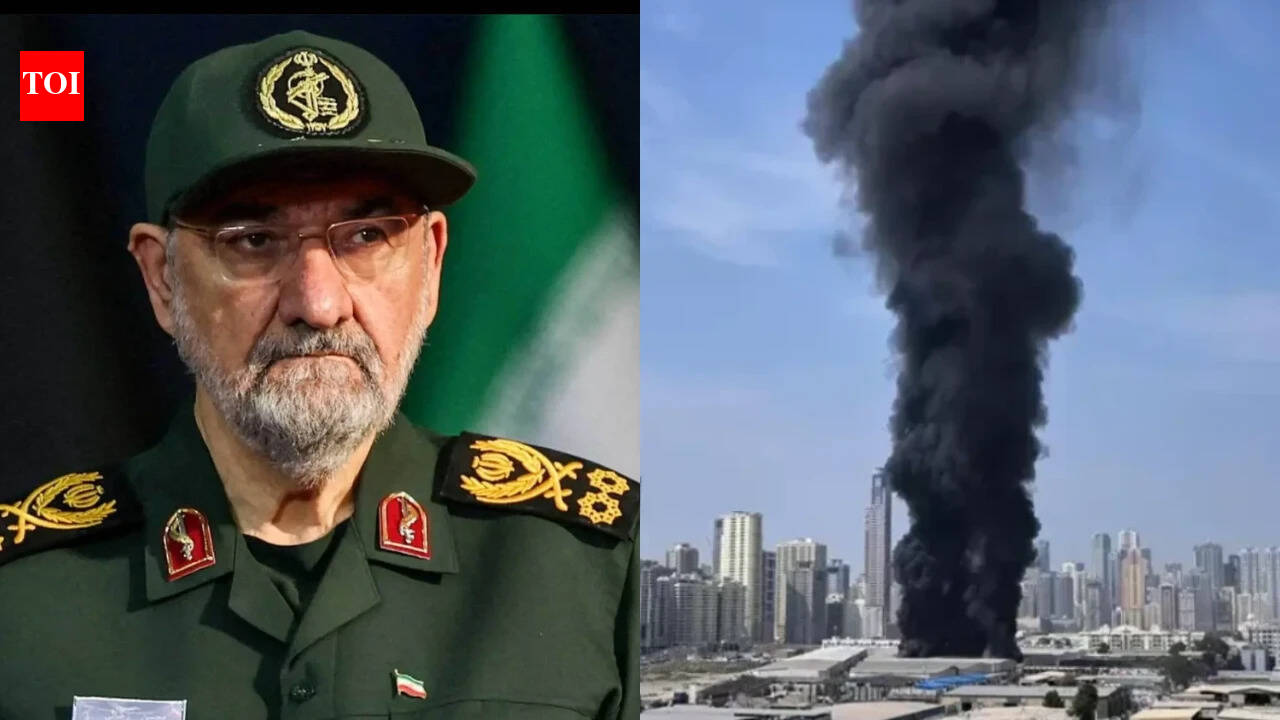
Iran’s security chief Mohsen Rezaei has laid out Tehran’s latest set of conditions to end its war with the United States.
asserted
chief → lay → States
In an exclusive interview with Al Jazeera on Saturday, Rezaei said that Tehran has conveyed its conditions to the US via Qatari mediators, but added that Tehran was more battle-hardened now than in the first 40 days of the war, which began in late February following joint US-Israeli strikes on Iran.
asserted
which → say → Iran
Recommended Stories
list of 4 items- list 1 of 4Iranians rally in biggest show of defiance against US since war began
- list 2 of 4Iran says conditions to re-engage in talks, end war sent to US via Qatar
- list 3 of 4Iran stages show of force during mobilisation campaign in Tehran
- list 4 of 4Turkiye backs Saudi Arabia’s security amid escalating Houthi attacks: FM
“We will confront America with greater force, and with more numerous and more painful strikes,” said Rezaei.
asserted
Rezaei → rally → strikes
While full-scale fighting has been paused for months, the two sides are nowhere close to peace.
asserted
sides → pause → peace
A June 17 60-day memorandum of understanding (MoU) between the US and Iran expired last month.
asserted
memorandum → expire → US
Since then, attacks have risen, especially in and around the Strait of Hormuz, which Iran has in effect closed, while the US maintains a blockade of Iran’s southern ports.
asserted
US → rise → ports
Escalating attacks on oil tankers attempting to pass through the strait and the effective Houthi control of the Red Sea route, which Saudi Arabia has been using to export oil, have caused oil prices to cross the $100 mark in recent weeks.
asserted
prices → escalate → weeks
Al Jazeera’s Tohid Asadi, reporting from Tehran, described Rezaei’s remarks as part of the “two-sided, twofold message” Iran has maintained throughout the conflict – combining openness to diplomacy with continued preparations for war.
asserted
Iran → report → war
So what are Iran’s latest conditions, and do they differ from the June MoU?
asserted
they → differ → MoU
What are the Iranian conditions to end the war?
asserted
conditions → end → war
Here is what Rezaei told Al Jazeera:
- An end to the war on all fronts, including, in particular, Lebanon.
- The release of its frozen funds that run into billions of US dollars.
asserted
that → tell → dollars
“It is in Washington’s interest to accept these conditions.
asserted
It → accept → conditions
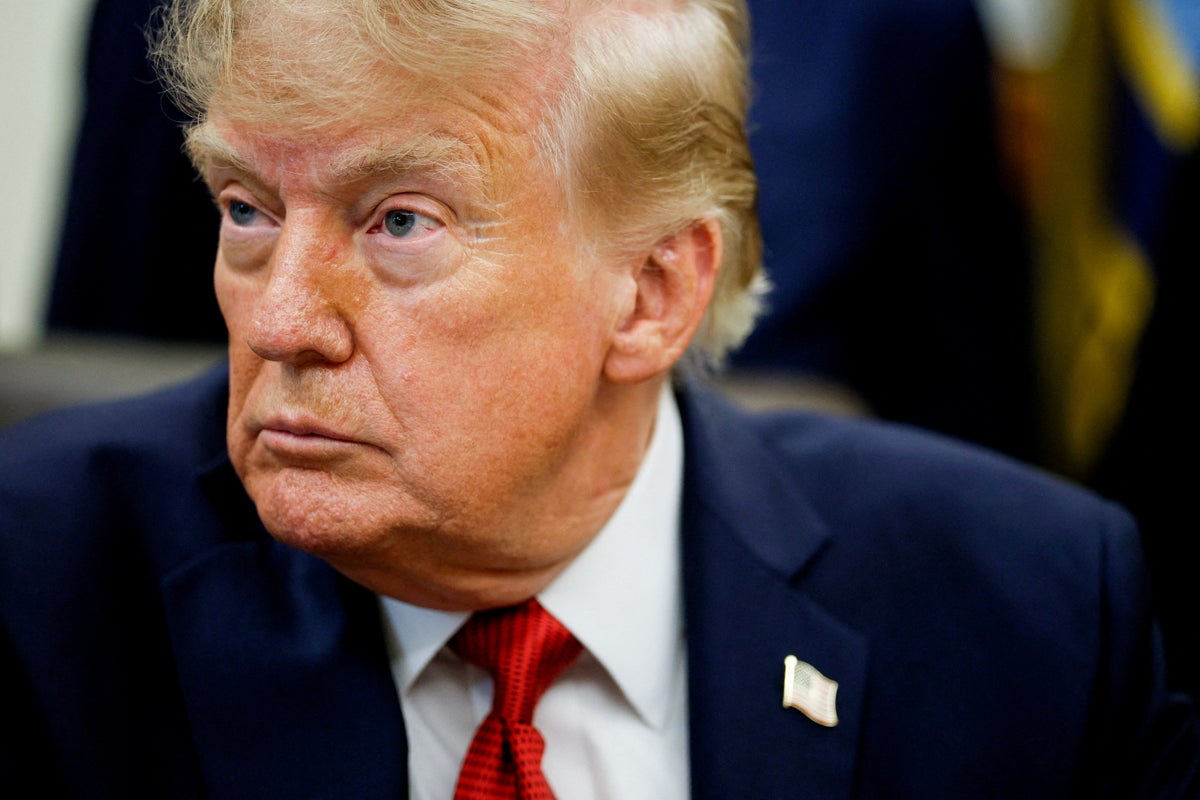
Trump’s threats will not achieve any results.
asserted
threats → achieve → results
We are prepared for a decisive war,” said the security chief.
asserted
chief → prepare → war
On Sunday morning, Iran’s parliament Speaker Mohammad Bagher Ghalibaf reiterated Tehran’s stance on the Strait of Hormuz, saying the critical waterway will remain closed until the US fulfils its commitments.
asserted
US → reiterate → commitments
“Until these conditions are met, the legitimate rights of the Iranian nation are recognised, and American commitments are fulfilled, there will be no opening for a return to the previous state of negotiations or for the reopening of the Strait of Hormuz,” said Ghalibaf.
asserted
Ghalibaf → meet → Hormuz
Iran’s latest set of conditions bears similarities to its demands under the MoU deal signed in June.
asserted
set → bear → June
That agreement also included an end to the war on all fronts, including in Lebanon; respect for each side’s sovereignty and not meddling in internal affairs; an end to the naval blockade by both sides; and the release of Iran’s frozen funds.
asserted
agreement → include → funds
The MoU also called for a $300bn US-backed reconstruction plan, while the two sides also agreed that Iran would not procure or develop nuclear weapons and that Tehran would open the Strait of Hormuz for the safe passage of vessels.
It also required the US to issue waivers for the export of Iranian crude oil and other services, no new sanctions on Iran, and no deployment of additional US forces in the region.
asserted
It → call → region
In the interview, Rezaei did not mention war reparations from the US as Tehran has previously demanded.
asserted
Tehran → mention → US
While there is little genuinely new in the substance of Iranian demands, what has changed is the timing and the channel through which it was delivered, said Adel Abdel Ghafar, a senior fellow focusing on the Middle East at the Australian Strategic Policy Institute.
asserted
Ghafar → be → Institute
“With the Islamabad MoU dead and … Rezaei delivering the conditions through Qatar, Iran is putting the onus back on Washington and doing it publicly, for maximum effect,” Abdel Ghafar told Al Jazeera.
asserted
Ghafar → deliver → Jazeera
Both sides are at an impasse, he explained, with the US able to sustain the naval blockade and hold air superiority but unable to compel capitulation from Iran.
asserted
US → explain → Iran
Iran, meanwhile, cannot break the blockade but “keeps enough asymmetric leverage to make things difficult for everyone”, he said.
“Basically Iran is betting [on the] war’s unpopularity and [that the] US midterms [will] shift things in its favour, so it’s going public with demands and putting the ball in Trump’s court.”
asserted
it → break → court
Rezaei, in his interview with Al Jazeera, rejected the US accusation that Tehran violated the MoU by striking an oil tanker in the Strait of Hormuz, stating that Iran’s actions came only after US attacks on Bandar Abbas and an Iranian surveillance platform there.
asserted
actions → reject → Abbas
He said any agreement, including the MoU, required recourse to a dispute resolution committee agreed between Ghalibaf, Iran’s chief negotiator, and US Vice President JD Vance, which Washington unilaterally withdrew from.
asserted
Washington → say → which
What did Rezaei say on Iran’s nuclear progamme, Yemen and others?
asserted
Rezaei → say → progamme
On the nuclear programme, Rezaei said Iran could have withdrawn from the Nuclear Non-Proliferation Treaty following attacks by the US and Israel – something that Tehran would not rule out in the future.
“We were indeed threatened, but we have not withdrawn from the treaty to this day,” he said.
uncertain
he → say → day
For now, however, the country continues to abide by a fatwa (decree) from the former Supreme Leader Ayatollah Ali Khamenei banning nuclear weapons, said the security chief.
asserted
chief → continue → weapons
“But we do not know what will happen in the future,” he said, citing further sanctions or a UN Security Council referral of Iran’s nuclear file as potential future pressure.
asserted
he → know → pressure
On the intensifying war in Yemen, Rezaei denied any Iranian involvement, adding that it could offer mediation between the warring sides.
uncertain
it → intensify → sides
He also said Tehran was not exploiting the conflict “for its own political ends”.
asserted
Tehran → say → ends
“We are fully prepared to help achieve peace between Yemen and Saudi Arabia,” said Rezaei.
asserted
Rezaei → prepare → Yemen
The security chief also dismissed speculation, including inside Iran, that it could close the Bab al-Mandeb strait to pressure global energy markets, stating the waterway “is a Yemeni matter” relating to the Houthi movement and not Iran.
uncertain
waterway → dismiss → movement
On the Strait of Hormuz, Rezaei said Tehran came within “a short step” of announcing a deal with Oman to manage it, but it may require regional endorsement before being made public.
uncertain
it → say → endorsement
The US has not yet responded to Iran’s new conditions.
asserted
US → respond → conditions
Rezaei said Iran is “waiting for the Americans to accept and implement” them.
asserted
Americans → say → them
The US did, however, on Saturday warn its citizens in Iraq, Bahrain, Oman, Saudi Arabia, Iran, Qatar, Lebanon, Kuwait and Jordan to exercise “heightened vigilance”, stating that “the security environment remains complex with the potential for unforeseen escalation”.
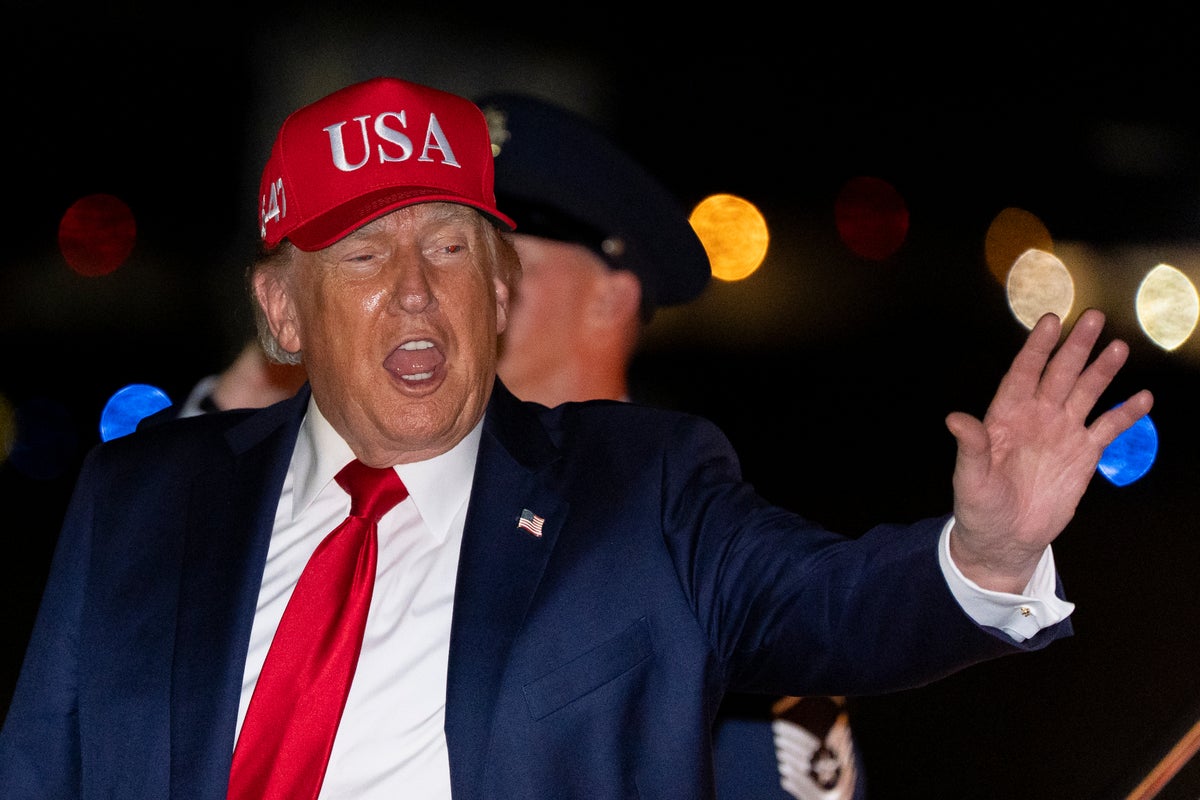
US President Donald Trump also cut his weekend short from his trip to Camp David, returning to Washington, DC, on Saturday from the secluded presidential complex in rural Maryland, the White House said.
asserted
House → warn → Maryland
No explanation was given for the early return, which comes as fighting between Saudi Arabia and the Houthis has escalated.
asserted
fighting → give → Arabia
According to Rob Geist Pinfold, a lecturer at King’s College London, Trump may take Iran’s memo seriously – in an effort to end the war before the US midterm elections in November.
uncertain
Trump → accord → November
…and 6 more, not listed.
 The Aporia