On September 14, 2026, the U.S. Air Force secretary announced that “space control” weapons are deployed in Earth’s orbit to protect against hostile actions, drawing criticism from Russia and China. The exact nature and capabilities of these weapons remain undisclosed, although they could employ kinetic or non-kinetic methods such as electromagnetic interference or directed energy systems. The deployment is framed by the U.S. government as a defensive measure against perceived threats from Russian and Chinese counter-space technologies, though specific operational details are classified to preserve deterrence.
Written locally by qwen2.5:14b on 2026-09-20,
using this article's own text rather than the other coverage of the
same event (that is the story summary below).
Story summary
On September 14, 2026, the United States Space Force confirmed it had deployed weapons into Earth's orbit for the first time. A spokesperson stated that these "on-orbit space control weapons" are designed to defend against hostile actions from adversaries but did not specify the nature of these capabilities. Both China and Russia have been developing their own space and counterspace technologies, posing threats to US interests in space.
In response, China's Foreign Ministry urged the US to halt its military buildup in orbit, warning against an arms race and weaponizing outer space. The Kremlin similarly called for space to remain free of weapons. These developments signal a growing militarization trend in Earth’s orbit, potentially leading to increased tensions between major powers.
The US move comes amid efforts by China and Russia to modernize their militaries with advanced space technologies, viewing space supremacy as crucial for future conflicts. Analysts fear this confirmation will accelerate the arms race in space among these nations.
Written for “US Deploys Space Weapons” on 2026-10-05,
grounded in this article and the 23 other(s) covering the same event.
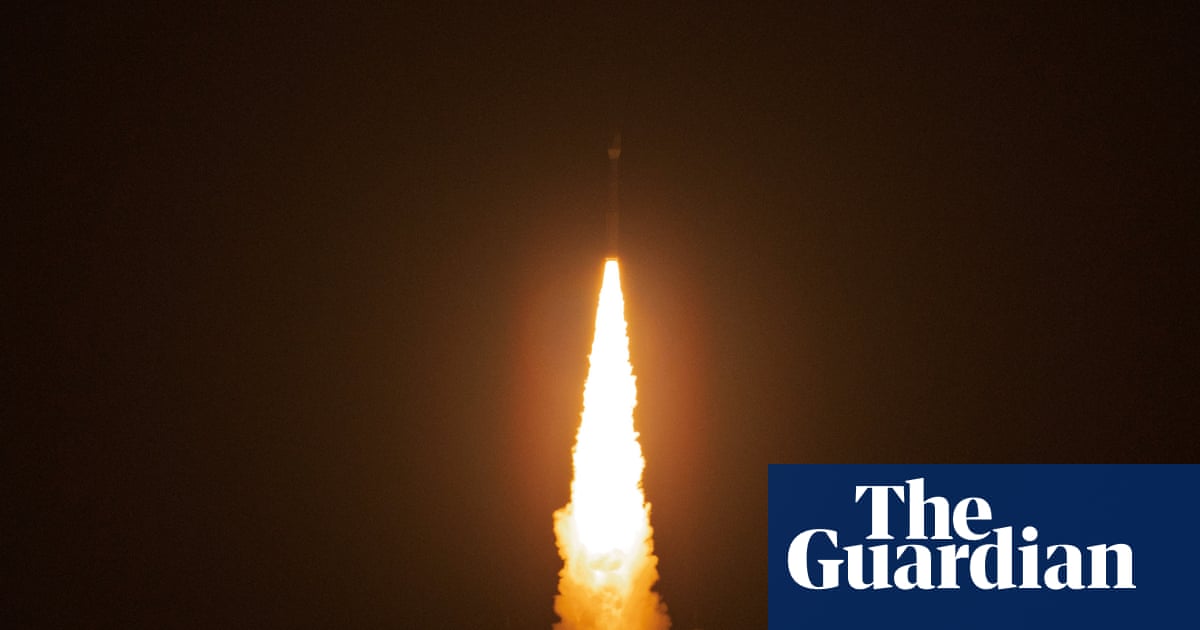
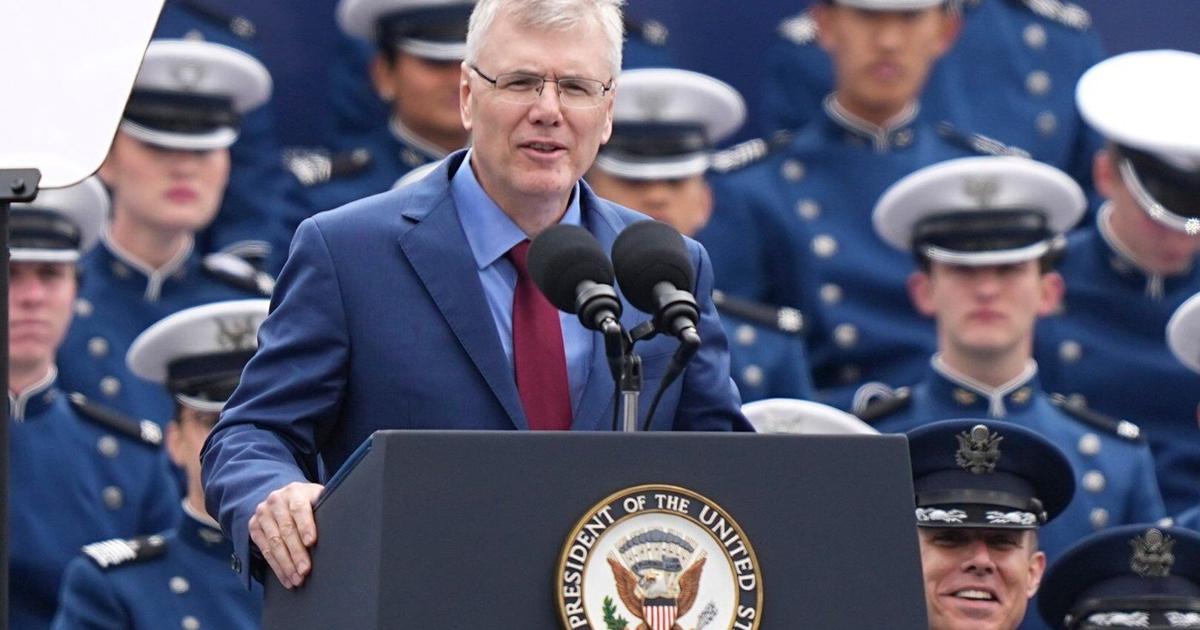
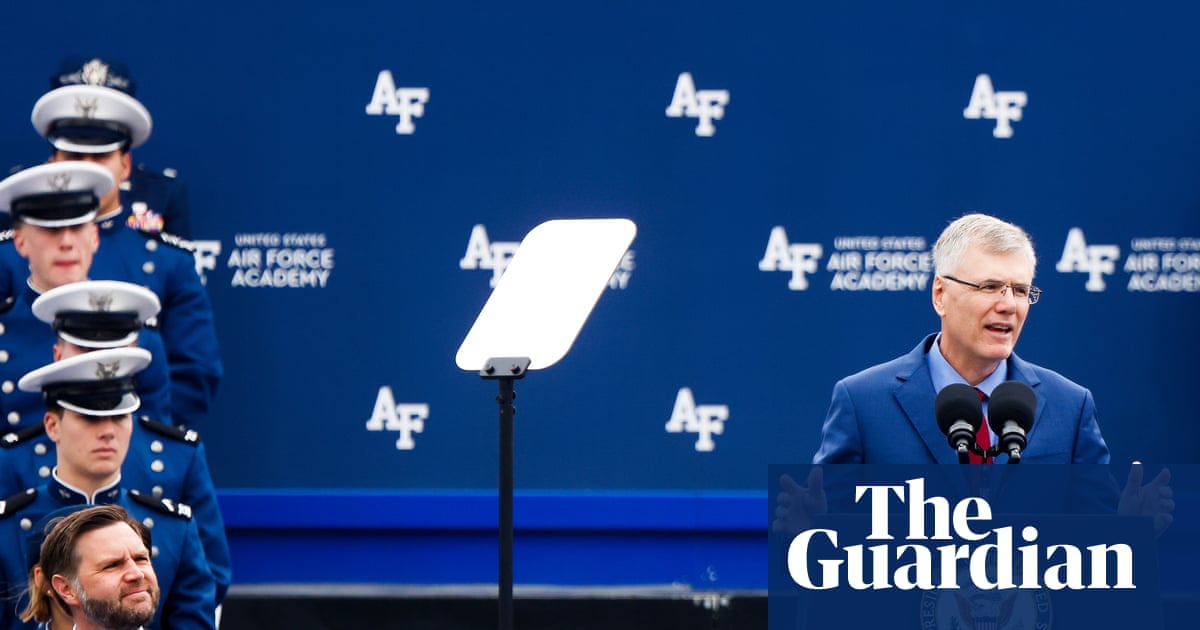
On September 14, 2026, U.S. Air Force secretary Troy Meink said the country has “space control” weapons deployed in Earth’s orbit to defend U.S. forces against “hostile adversary action”.
asserted
country → say → action
The disclosure drew backlash from Russia and China, among other quarters.
asserted
disclosure → draw → quarters
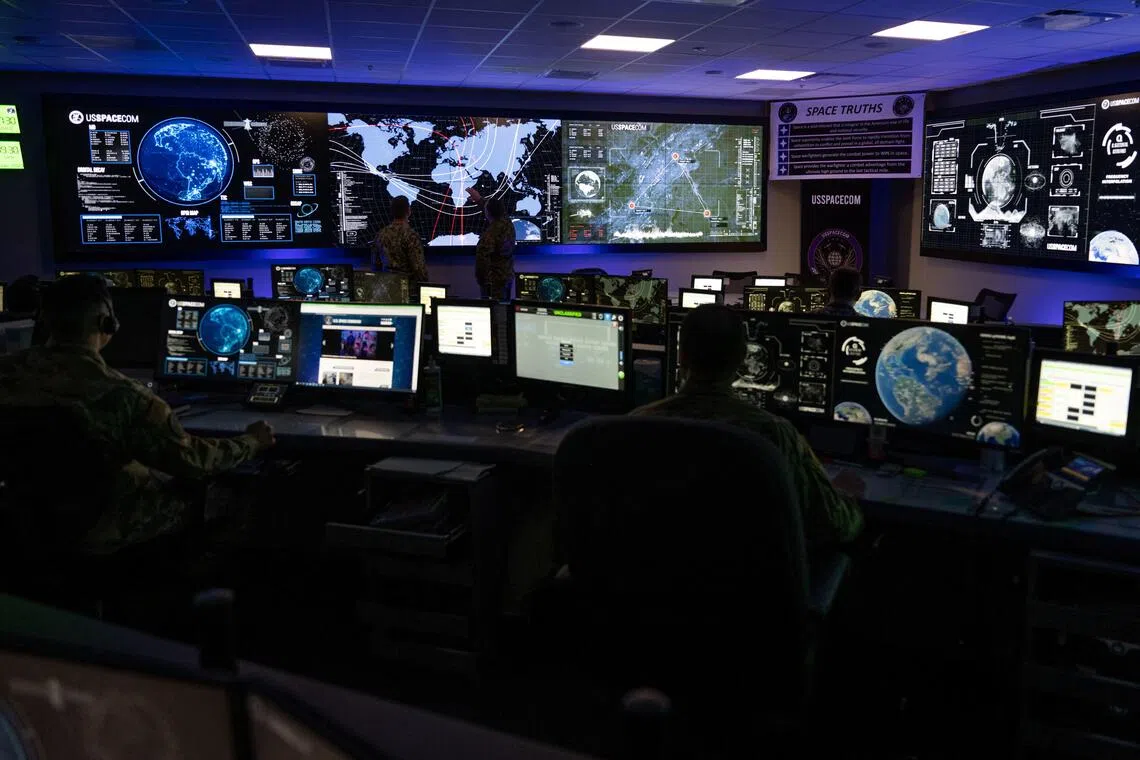
As per the U.S. Space Force, ‘space control’ refers to military activities required to control the space domain.
asserted
control → refer → domain
In 2025, the then-Space Force chief, Gen. Chance Saltzman, said such a device could possess both “kinetic and non-kinetic” capabilities and could disrupt or degrade an adversary’s capabilities.
uncertain
device → say → capabilities
‘Kinetic’ generally refers to physically damaging an object through impact, such as by smashing into it.
asserted
Kinetic → refer → it
Non-kinetic methods include electromagnetic interference that can jam or spoof a satellite’s communications, and directed energy systems that interfere with its sensors.
asserted
that → include → sensors
In fact, the current Space Force war-fighting framework recognises three kinds of counter-space operations: orbital, electromagnetic, and cyberspace.
asserted
framework → recognise → operations
What has the U.S. deployed?
We do not know.
asserted
We → deploy → What
We also do not know how many units/instances of the system exist, what they are capable of, which orbits they are in, and whether they are kinetic or non-kinetic.
asserted
they → know → orbits
Mr. Meink had said that while disclosing the weapon’s (or weapons’) existence would contribute to deterrence, revealing their operational details would subtract from the deterrence.
asserted
revealing → say → deterrence
There is also no indication whether these weapons are the same as the space-based interceptors the U.S. government has planned for the ‘Golden Dome’ missile defence programme.
asserted
government → be → programme
These interceptors are still undergoing tests.
asserted
interceptors → undergo → tests
What will the weapons defend against?
asserted
weapons → defend → What
Mr. Meink has referred to “hostile adversary action”.
asserted
Meink → refer → action
Incumbent Space Force chief Gen. Douglas Schiess has also referred to “space-enabled attacks”.
asserted
Schiess → refer → attacks
In other instances over the years, U.S. officials have repeatedly singled out Russian and Chinese counter-space capabilities as reasons for their government to develop similar capabilities of its own, to protect its own satellites.
asserted
government → single → satellites
Russia and China have also demonstrated sophisticated satellite manoeuvres in orbit.
asserted
Russia → demonstrate → orbit
For example, in 2020, two Russian satellites manoeuvred close to a U.S. government satellite, prompting the Space Command to call the behaviour potentially threatening.
asserted
satellites → manoeuvre → behaviour
In 2022, the Chinese Shijian-21 satellite used a robotic arm to tow a defunct Chinese geostationary satellite into a graveyard orbit.
asserted
satellite → use → orbit
However, we do not know the circumstances in which the U.S. will use its weapons as the government has not published the rules of engagement for orbital weapons.
asserted
government → know → weapons
Is it legal to have weapons in orbit?
asserted
it → have → orbit
The relevant instrument is the Outer Space Treaty, which entered into force in 1967, during the Cold War and the nuclear arms race between the U.S. and the Soviet Union.
asserted
which → enter → U.S.
It prohibits its party states, which include the U.S., Russia, and China today, from placing nuclear weapons or other weapons of mass destruction in orbit or stationing them elsewhere in outer space.
asserted
which → prohibit → space
It also obviates states from setting up military bases and conducting weapons tests on the moon and other celestial bodies.
asserted
It → obviate → moon
However, the treaty does not prohibit states from placing conventional weapons in orbit.
asserted
treaty → prohibit → orbit
The treaty also says all activities in outer space must comply with international law, which means other bodies of international law governing the use of force and armed conflicts can be applied to military operations in orbit.
asserted
bodies → say → orbit
As the U.S. government has not disclosed what its orbital weapons are capable of, it is not possible to say whether it violates specific treaty conditions.
asserted
it → disclose → conditions
Can other countries prevent unilateral action?
asserted
countries → prevent → action
However, there are various diplomatic and legal avenues through which other countries can seek more information and negotiate restraints.
asserted
countries → be → restraints
For example, Article IX of the treaty requires states to have “due regard” for the interests of other parties, which a (party) state can invoke if it believes U.S. activities in orbit could harm its own peaceful use of space.
uncertain
activities → require → space
States can also endeavour to draft new orbital governance rules through the United Nations process on the Prevention of an Arms Race in Outer Space, whose third substantive session is scheduled for November.
asserted
session → endeavour → November
Countries can also raise the issue before the UN Security Council or the General Assembly as a threat to international peace and security, under Article 35 of the UN Charter.
asserted
Countries → raise → Charter
 The Aporia