That is 0 articles you have read today.
The Aporia is free and carries no advertising, so readers are the only
thing paying for it. If you are getting this much out of it, a small
donation is what keeps it independent.
Daily limit reached
You have read 0 articles today.
That is more than the 15 a day The Aporia gives away,
and well past what it can carry on nothing. Your allowance resets at
midnight.
There is no advertising here and nothing about you is sold, so readers
are the only thing paying for it. If the site is worth this much of
your day, it is worth a few dollars.
Everything else stays open: the
maps, the
directory and
search do
not count against this, and neither does re-opening something you have
already read today.
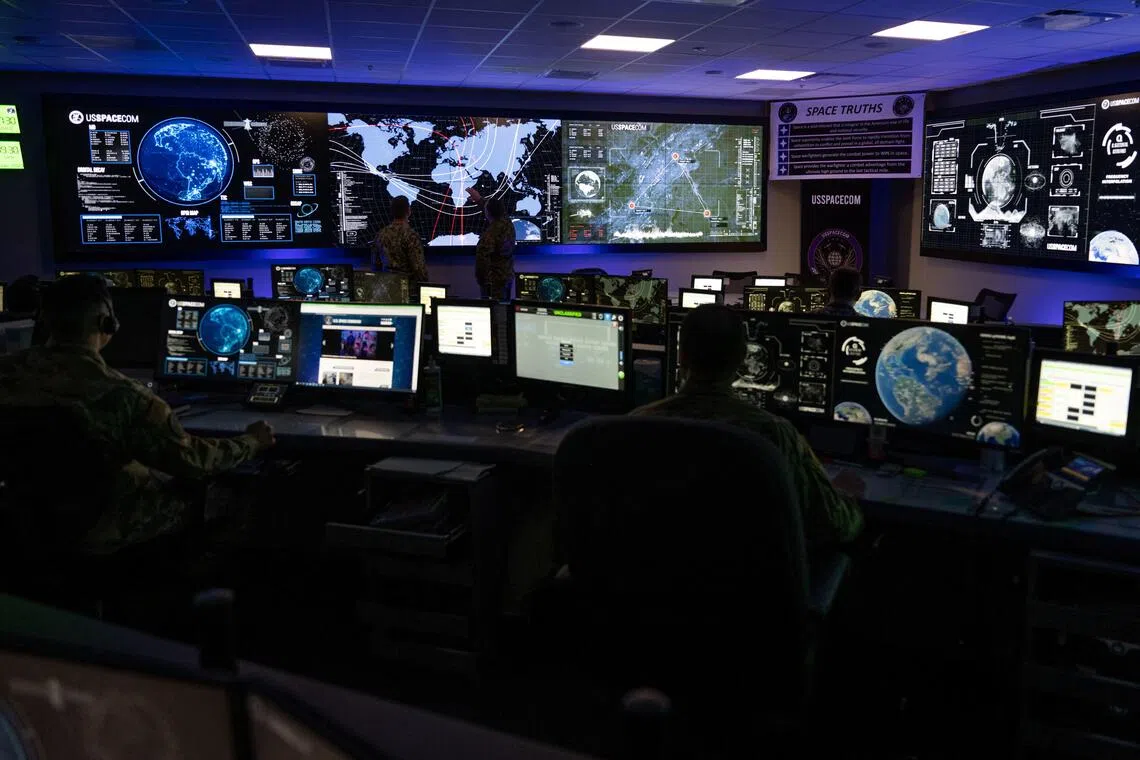
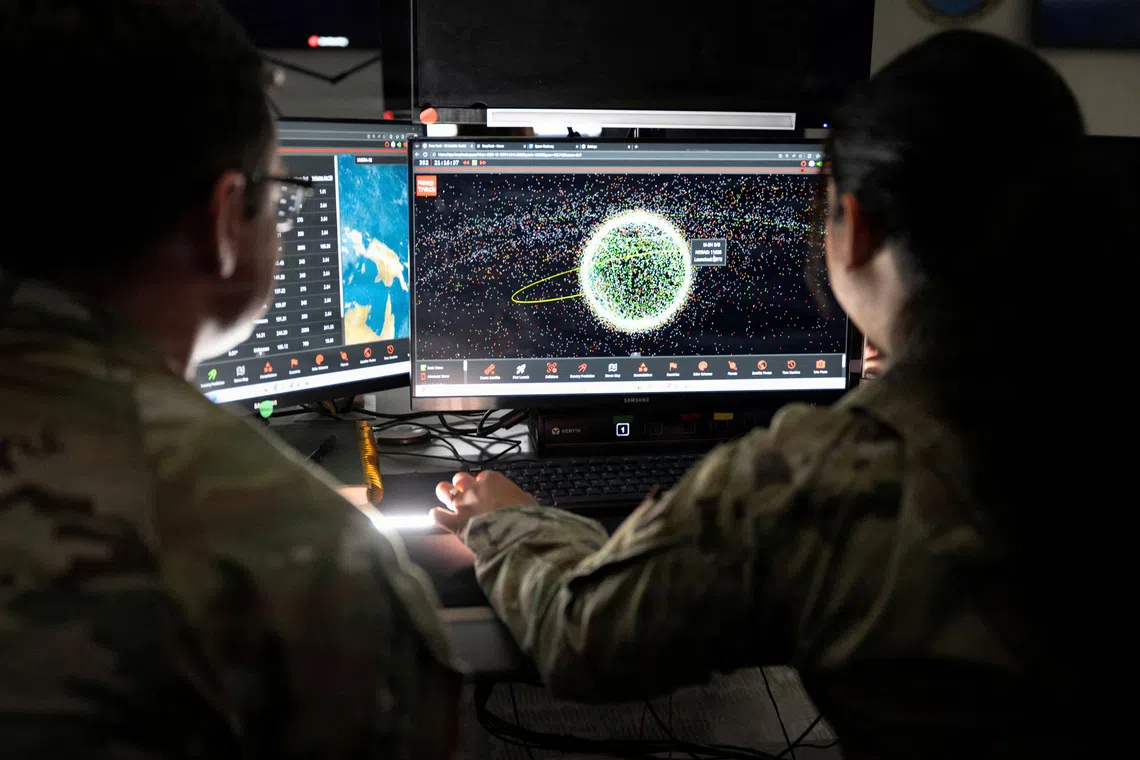
The US Space Force announced on September 14 that it has deployed weapons in orbit, marking the first official confirmation of such capabilities in space. The statement did not specify details about the weapons but noted their role in defending against adversary actions through both kinetic and non-kinetic means. This move comes amid concerns over potential threats from Russia and China, which are developing and operating space technologies that could interfere with US interests.
Written by the local model on 2026-09-15,
using this article's own text rather than the other coverage of the
same event.
Claims extracted
8
claim-shaped sentences
Uncertain
12%
1 of 8 hedged
Leaning
Leans right
of the writing, not the subject
Correction & hedging signals
58.7
corrections and hedging in what we collected;
not a measure of accuracy
Outlets on this story
unclustered
not grouped into a story yet
Narrative spread
1
articles carrying this framing
Why this leaning score
The article's own words the score was based on. Each is quoted
verbatim and was checked against the article text before being
stored, so you can find it in the original.
-
Both Russia and China – the two main geopolitical rivals of the United States – pose potential threats to US interests in space.
right frames Russia and China as adversaries threatening US security
-
China “develops and operates space and counterspace capabilities as part of a military modernisation strategy”
right describes Chinese activities in militaristic terms, implying threat to the US
-
Russia “views space as a warfighting domain and believes space supremacy will be a decisive factor in future conflicts”
right frames Russian stance on space militarisation as aggressive and threatening
Leaning score +0.35 for article 10256 (high confidence, 3 verified quotes) · logged 2026-09-15
US has weapons deployed in orbit, Space Force says
WASHINGTON – The United States has weapons deployed in space, the US Space Force said on Sept 14, confirming the presence of such capabilities in orbit for the first time.
asserted
Force → have → time
“The US has on-orbit space control weapons capable of defending the Joint Force against hostile adversary action,” a US Space Force spokesperson said in a statement that did not provide specifics on the weapons.
asserted
that → have → weapons
“Space control encapsulates the mission areas required to contest and control the space domain – employing kinetic and non-kinetic means to affect adversary capabilities,” the statement said, adding that “these capabilities can be employed for offensive and defensive purposes”.
asserted
capabilities → encapsulate → purposes
Both Russia and China – the two main geopolitical rivals of the United States – pose potential threats to US interests in space.
asserted
Russia → pose → space
China “develops and operates space and counterspace capabilities as part of a military modernisation strategy”, while Russia “views space as a warfighting domain and believes space supremacy will be a decisive factor in future conflicts”, according to the US Space Force.
uncertain
supremacy → develop → Force
The militarisation of space is as old as the space race itself – as soon as Sputnik was launched into orbit in 1957, Washington and Moscow began exploring ways to both arm and destroy satellites.
asserted
Washington → launch → satellites
The biggest worry was once about nuclear weapons in space, but the superpowers and other countries signed the Outer Space Treaty in 1967, banning weapons of mass destruction in orbit.
asserted
superpowers → sign → orbit
Since then, Russia, the United States, China and India have explored ways to fight in space outside of that treaty, including by targeting rivals’ satellites, which are key for military communications, surveillance and navigation.
asserted
which → explore → communications
 The Aporia