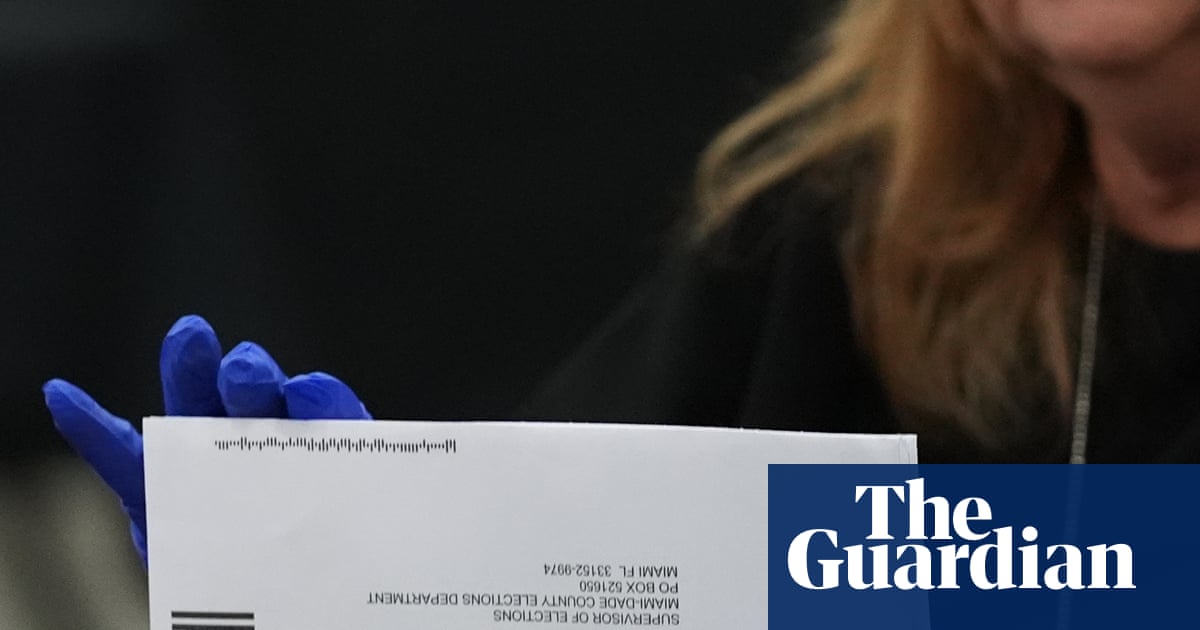
The United States Postal Service (USPS) on Friday issued a 95-page final rule that it plans to implement immediately if the government obtains relief from two existing injunctions.
asserted
government → issue → injunctions
It would require USPS employees to verify that outbound federal ballot mailings comply with new envelope, barcode, and data-reporting requirements before accepting them from election officials.
asserted
mailings → require → officials
The rule was designed to comply with President Donald Trump’s executive order from March 31.
asserted
rule → design → March
It directs the Department of Homeland Security, in coordination with the Social Security Administration, to compile and send lists of adult citizens in each state.
asserted
It → direct → state
Separately, it directs USPS to establish state-specific lists of people to whom election officials intend to send mail-in or absentee ballots, along with unique ballot-envelope identifiers.
asserted
officials → direct → identifiers
A pair of court orders blocks the rule from implementing the rule before midterm elections in November.
asserted
pair → block → November
About the two injunctions blocking Trump’s mail-in voting order
Two injunctions bar USPS from implementing its new rule.
asserted
injunctions → block → rule
They were issued by Massachusetts U.S. District Court Judge Indira Talwani on June 25 and Aug. 11.
asserted
They → issue → June
What the June Injunction Covers
A coalition of 23 states, along with the District of Columbia, filed a lawsuit on April 3 seeking to block Trump’s executive order, arguing that the President does not have the authority to dictate state voting practices.
asserted
President → file → practices
In June, the presiding judge granted summary judgment to the plaintiffs, finding two sections of the order unlawful and constitutionally invalid.
asserted
sections → preside → order
It barred federal agencies from implementing those sections against plaintiff states and D.C. for elections held on or before Nov. 3.
asserted
It → bar → Nov.
It also blocked USPS from refusing to transmit ballots based on whether voters appeared on the new state-specific lists.
asserted
voters → block → lists
What the August Injunction Covers
Voting-rights groups brought a separate lawsuit against the Trump Administration on April 2, claiming the executive order was unconstitutional, “dangerous,” and could disenfranchise eligible voters.
uncertain
order → cover → voters
It resulted in the August injunction, which bars USPS from implementing, enforcing, or giving effect to the executive order’s mail-voting provisions for any elections ahead of or on Nov. 3.
asserted
which → result → Nov.
It also prohibits USPS from completing the specified rulemaking for those elections.
asserted
It → prohibit → elections
Talwani wrote that the executive order was “causing confusion and threatening both increasing chaos and an erosion of trust in our democracy.”
asserted
order → write → democracy
She also concluded that “the executive branch has no authority to regulate elections.”
asserted
branch → conclude → elections
Critics of the executive order have echoed that concern, saying that the Trump Administration is looking to force federal oversight on elections even though the duty is enshrined to states and Congress in the Constitution.
“Yesterday’s new mail-in voting rule is an attempt to weaponize USPS as part of the Trump administration’s efforts to take over elections,” Michael McNulty, the senior policy director for government-reform nonprofit Issue One, said in a statement Saturday.
asserted
McNulty → echo → statement
McNulty argues that the rule would shift postal workers “from neutral transporters of a state-led process to a federal gatekeeper of states’ outbound mail ballots.”
However, the USPS has asserted in the final rule that the requirements “do not amount to election administration, nor do they usurp state resources.”
“Rather, they regulate the use of the mail to improve operational efficiency and support the faithful execution of federal law,” it says within the rule.
asserted
it → argue → rule
Voting-rights groups challenge the USPS mail-in ballot rule
asserted
groups → challenge → rule
A coalition of voting-rights organizations has filed an emergency motion asking the federal district court to enforce its Aug. 11 injunction against USPS.
asserted
coalition → file → USPS
The plaintiffs argue that issuing an immediately effective final rule, intended for possible use in November, violated the injunction.
asserted
issuing → argue → injunction
USPS acknowledged that it would not implement the final rule for the 2026 election unless the government obtains relief from both injunctions.
asserted
government → acknowledge → injunctions
However, the coalition argued that USPS issued the rule in violation of the Aug. 11 injunction, without seeking a stay or filing an appeal.
asserted
USPS → argue → appeal
It also said that USPS could have given the rule an effective date that falls after the 2026 midterms without violating the injunction, while the “immediate” effective date could sow “chaos” and “confusion” ahead of November.
uncertain
date → say → November
“Enforcement of the court’s preliminary injunction is necessary to hold this administration accountable for its unlawful action and make clear that voters can confidently cast their mail ballot free from federal interference this November,” said a statement on behalf of the plaintiffs, which includes the League of Women Voters, Association of Americans Resident Overseas, and the U.S. Vote Foundation.
asserted
which → hold → Overseas
Postmaster General David Steiner defended the rule when it was proposed in June, saying at a Senate hearing that he “would think that states would want the information to ensure that the ballots that they think they’re sending out are the ballots that are actually getting sent out.”
asserted
that → defend → that
TIME has reached out to USPS for comment.
asserted
TIME → reach → comment
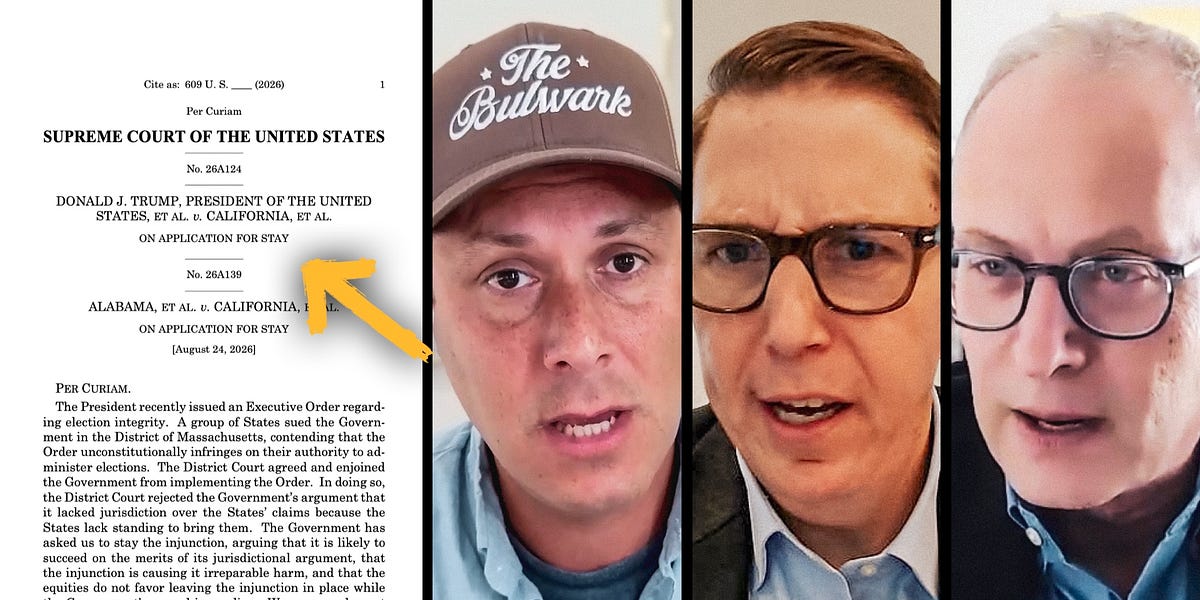
In late July, the Trump Administration asked the Supreme Court to stay the June 25 injunction while its appeal proceeds.
asserted
appeal → ask → injunction
After Talwani issued the Aug. 11 injunction, the Administration urged the justices to address that second order as well through the pending proceeding—an approach the plaintiff states opposed.
asserted
states → issue → proceeding
But unless the Aug. 11 injunction is separately stayed or lifted, or the Supreme Court expressly addresses it, it continues to bar USPS from implementing its new rule for the midterm elections.
asserted
it → stay → elections
 The Aporia