That is 0 articles you have read today.
The Aporia is free and carries no advertising, so readers are the only
thing paying for it. If you are getting this much out of it, a small
donation is what keeps it independent.
Daily limit reached
You have read 0 articles today.
That is more than the 15 a day The Aporia gives away,
and well past what it can carry on nothing. Your allowance resets at
midnight.
There is no advertising here and nothing about you is sold, so readers
are the only thing paying for it. If the site is worth this much of
your day, it is worth a few dollars.
Everything else stays open: the
maps, the
directory and
search do
not count against this, and neither does re-opening something you have
already read today.
Biologist Paola Nogales-Ascarrunz identified a new cat species in Bolivia's Yungas forest, naming it Leopardus tilcayo. Weighing just three pounds and resembling a mini leopard with rosette-shaped spots, the cat was first brought to a local wildlife sanctuary by a man who found it near a road. Genetic analysis revealed that this species diverged from other tiger cats about 1.4 million years ago, making it the first new cat species identified since 1923. The discovery highlights the need for expanded conservation efforts in complex mountain forests and underscores the importance of continuing to explore and protect undiscovered species worldwide.
Written locally by qwen2.5:14b on 2026-09-18,
using this article's own text rather than the other coverage of the
same event (that is the story summary below).
Story summary
Scientists have identified a new cat species in Bolivia, marking the first time in over a century that a living cat species has been formally named and described. The cat, called Tilcayo by local communities and scientifically named *Leopardus tilcayo*, was discovered in Bolivia’s lush Yungas cloud forest. It measures about 18 inches (46 cm) long and weighs around three pounds (1.4 kg), making it smaller than the average domestic cat.
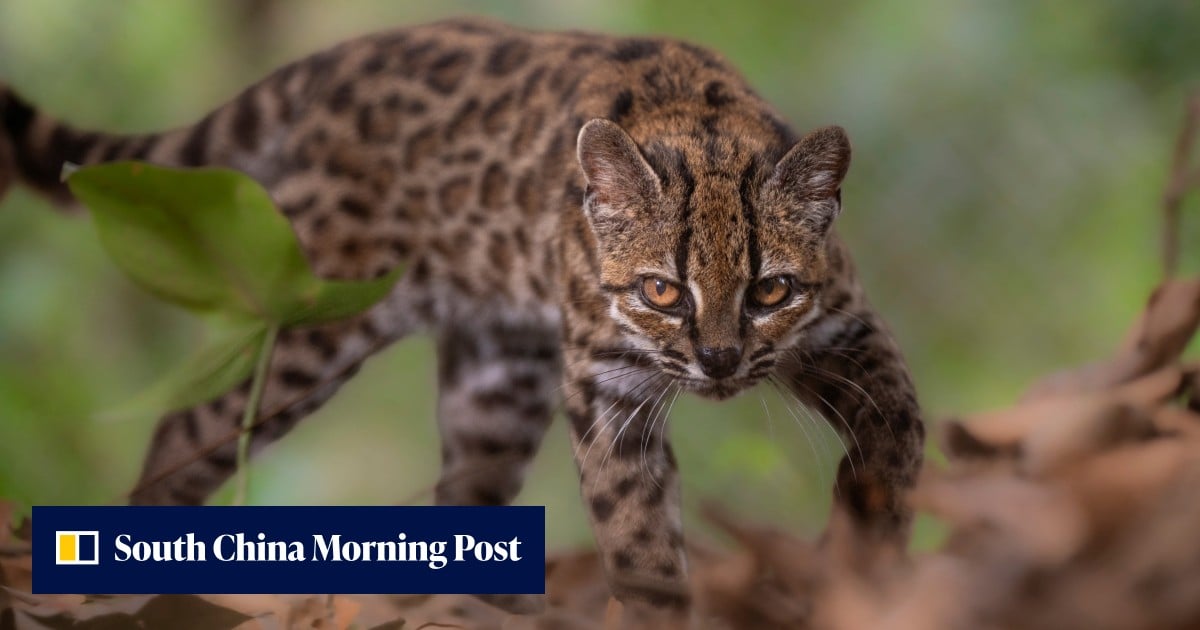
Paola Nogales-Ascarrunz, a National Geographic Explorer, used genetic data to confirm that Tilcayo is distinct from other tiger cats found across much of South America. The fur of *Leopardus tilcayo* is light brown with irregularly shaped rosettes across its body. Researchers are still learning about the cat’s biology and lifestyle; for example, scat analysis suggests it may feed on small rodents.
The discovery highlights the ongoing importance of conservation efforts in uncovering new species and underscores how much remains unknown even within well-studied groups like cats.
Written for “New Cat Species Bolivia” on 2026-09-18,
grounded in this article and the 4 other(s) covering the same event.
A new cat species has been identified for the first time in more than a century — and it’s a three-pound miniature leopard lookalike.
asserted
it → identify → century
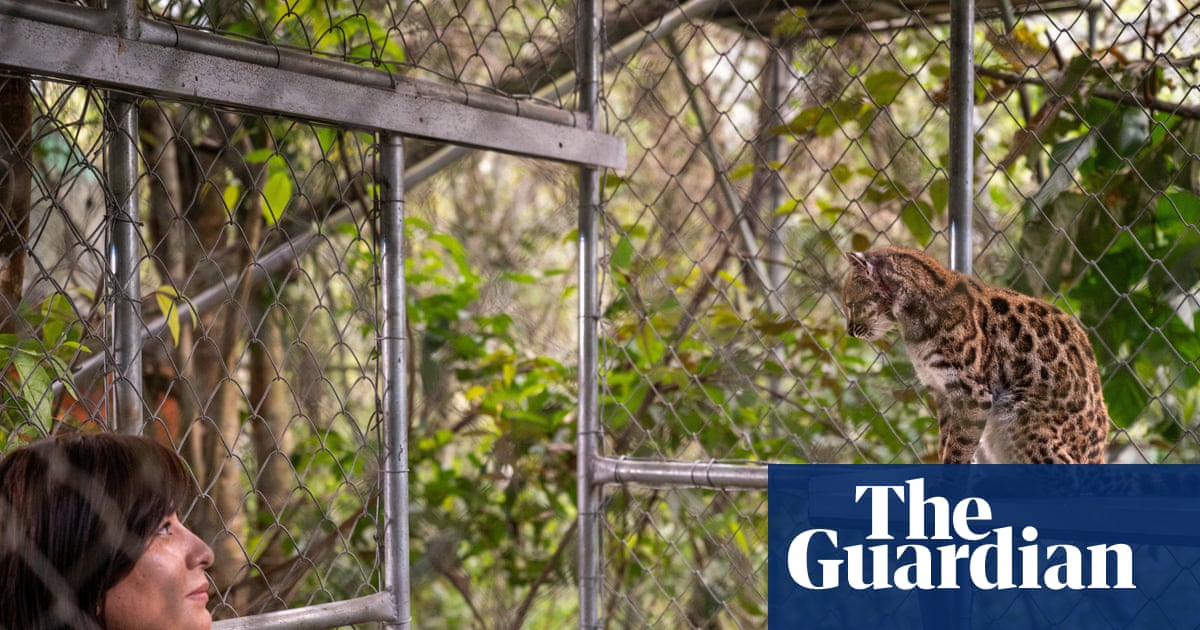
The adorable feline, named Leopardus tilcayo, was identified in Bolivia’s lush Yungas forest after biologist Paola Nogales-Ascarrunz was called about “a weird cat” given to a local wildlife sanctuary, National Geographic reported.
asserted
Geographic → name → sanctuary
“I took a hundred pictures of it,” Nogales-Ascarrunz, a National Geographic Explorer and founder of the Bolivian Felids Research Program, told the outlet.
asserted
Ascarrunz → take → outlet
A man initially took in the wild cat after stumbling upon it on a road near a forest, believing it was a domestic breed.
asserted
it → take → forest
But after a year living beside the wild animal, the owner thought the creature might be better off at a sanctuary, the publication reported.
uncertain
publication → live → sanctuary
The tiny wonder — light brown, slender, and covered in rosette-shaped spots similar to a leopard’s — is part of a group of tiger cats that inhabit much of South America, researchers revealed Thursday in the journal Current Biology.
asserted
researchers → cover → journal
The tilcayo is a mere 18 inches long and weighs just three pounds, making it smaller than the average house cat.
asserted
it → weigh → cat
After photographing the cat for a booklet about Bolivia’s cat species in 2019, Nogales-Ascarrunz realized that the feline she photographed did not resemble other species of the genus Leopardus.
asserted
she → photograph → Leopardus
A few years later, Nogales-Ascarrunz teamed up with Eduardo Eizirik, a geneticist at Pontifical Catholic University of Rio Grande do Sul in Brazil, and study co-lead Jonas Lescroart from the University of Antwerp to investigate the mysterious cat.
asserted
Ascarrunz → team → cat
The team’s genetic analysis suggested the tilcayo lineage separated from other tiger cats about 1.4 million years ago.
uncertain
lineage → suggest → cats
“The more differences in their DNA, the longer the time that we estimate those lineages to have been physically separated,” Lescroart, study co-lead author, told Reuters.
asserted
Lescroart → estimate → Reuters
The Leopardus tilcayo, with its short, round ears and scrunched-up face, is the first new cat species discovered since the pampas cat in 1923.
asserted
tilcayo → scrunch → 1923
Little is still known about the tilcayo, including the size of its wild population, how it reproduces, what it eats, and how it lives day to day.
asserted
it → know → day
Researchers hope the methods used to identify the brand-new Bolivian feline will help uncover more species worldwide.
asserted
methods → hope → species
The new findings should also signal the need to expand conservation efforts to protect species, discovered or undiscovered, in complex mountain forests and beyond, Nogales-Ascarrunz argued.
asserted
Ascarrunz → signal → forests
“Even in the cats, there are things out there that are undescribed, things that people haven’t found yet,” says Nogales-Ascarrunz.
asserted
Ascarrunz → be → that
“So let’s go out and find them and protect them.”
asserted
’s → let → them
 The Aporia